

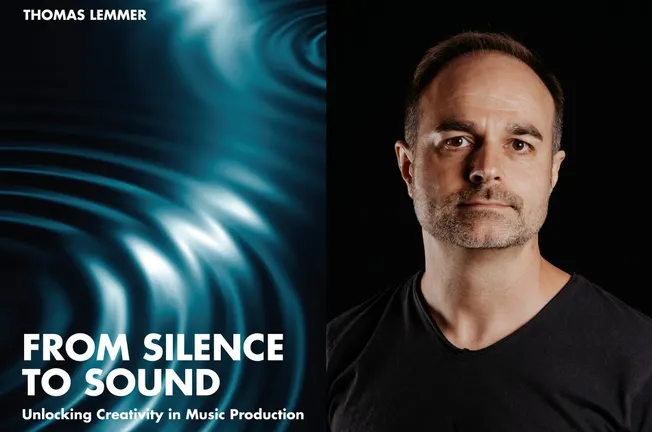
Thomas Lemmer is a German ambient/electronic artist, producer, and author. He's known for crafting soundscapes that help listeners relax, focus, and dream. And in a similar vein, oscillating between two generative states of being, Lemmer's new book, From Silence to Sound – Unlocking Creativity in Music Production, is intended to guide musicians, producers, and anyone else walking a creative path.
The text draws on Lemmer's over 20 years as an electronic music producer, and shares not only technical insights but also the deeper truths about what it means to create with authenticity. It's intended to help others find their voice, trust their instincts, and shape music with more clarity and intention.
Hypebot is proud to offer this complete chapter excerpt. Enjoy.
Breaking Free from the Algorithm: Making Music for Art, Not Streams
The Lure of Metrics
In today’s music landscape, it’s easy to get caught up in the numbers—streams, likes, playlist placements. The temptation to create music for the algorithm can feel immense, especially in a streaming environment where certain trends or patterns may appear to be rewarded more visibly than others. But I keep returning to a different question: is chasing the algorithm really what makes us artists? To me, pressure from metrics can distort the creative process and pull us away from the deeper reasons we started making music in the first place.
The Checklist Mentality
For many, the goal becomes checking off certain boxes in hopes of landing on an editorial playlist. You might study the BPM, the song length, the genre, or even the specific production techniques that dominate certain successful tracks. But is that truly the path to long-term fulfillment? Reducing music-making to a formula strips it of the spontaneity and depth that make it meaningful. Instead of chasing numbers, we must ask: what do these boxes really achieve for our art?
When music is written for boxes and formulas, it risks becoming a prisoner of the algorithm—captured, but never truly free.
Music as Personal Expression
When you’re writing music, the first and foremost goal, at least from my perspective, should be to create something that resonates with you. I experience music as an art form—a reflection of personal experiences, emotions, and a way of responding to the world. Crafting songs to meet algorithmic standards might bring temporary visibility, but to me it risks pulling the work away from who you are as an artist. I believe listeners often respond most strongly when the music feels authentic.
Authenticity Over Conformity
Serving the algorithm is not inherently bad. Sometimes, the kind of music you want to create aligns naturally with trends or playlist aesthetics. That’s perfectly fine, as long as it remains authentic. The issue arises when you start molding your music purely to fit what you believe the algorithm demands, losing touch with your artistic vision. Algorithms shift constantly, but the uniqueness of your voice can remain timeless.
A Personal Example
I have a close friend who went through this process. A talented producer, he was constantly attempting to craft the perfect track to hit all the right algorithmic cues—hoping for that one editorial playlist placement that would launch him into the stratosphere. He thought that if he ticked off all the necessary boxes, it would be a sure path to success. But each release left him more and more disillusioned. No matter how closely his music seemed to fit the streaming platform’s standards, success never came. His story is a reminder that chasing formulas is no guarantee of fulfillment.
The Trap of Expectation
It was a frustrating cycle: making a track, being sure it would get the placement, releasing it, and then waiting—only for nothing to happen. He was doing everything “right,” yet his creativity felt boxed in, and his expectations consistently went unmet. This is the risk when you rely too much on chasing trends dictated by algorithms. There’s no guarantee that following the formula will lead to success, and worse, the process can drain the joy from creating.
The Beauty of Artistic Freedom
The beauty of music is that it is deeply personal and expressive. Creating solely for streams or playlists risks diluting that personal connection. It’s easy to feel like a cog in a machine rather than an artist with something unique to say. Moreover, even the most rigid algorithms can’t predict the emotional depth or creative spark that comes from genuine artistry. That spark is what makes your music irreplaceable.
Learning from Risk-Takers
Some of the most meaningful artistic breakthroughs seem to happen when creators resist the pressure to repeat what already works. Moving away from an established formula can feel risky, but it can also open the door to more honest and lasting work. For me, the deeper lesson is that difference often begins with the courage to disappoint expectation.
Flipping the Narrative
Rather than letting the algorithm dictate the kind of music you create, flip the narrative. Create the music that feels right to you, then find the playlists or communities where that music belongs. The internet, despite all its complexities, offers nearly endless possibilities for niche genres and unique sounds to find their audience. There’s likely a place for the music you make—whether it’s ambient, downtempo, or something completely uncategorizable—without needing to conform to trends.
Finding the Right Fit
Streaming platforms offer playlists for virtually every genre. Instead of molding yourself to fit a playlist that’s popular now, think about which playlists are a natural fit for your music. Find the ones where your songs, even if unconventional, will resonate with listeners who appreciate your style. Building a genuine connection with smaller, dedicated communities often leads to more lasting satisfaction than chasing mass exposure.
Staying True to Your Vision
Creating music that reflects who you are as an artist is infinitely more satisfying than trying to game the system. You want to look back on your work and feel proud that it was an honest representation of your journey, not just a series of tracks designed for the algorithm. True art will always find its way to an audience, even if it takes a little longer than chasing trends. The patience to stay true to your voice is what builds a legacy. Take a moment to ask yourself: are you writing music for numbers, or for meaning? Create music that moves souls, not just metrics. Let your art lead, not algorithms.
Action Items:
• Audit your motivation before starting a new track. Before opening your DAW, pause and ask yourself why you are creating this piece. Is it driven by curiosity, emotion, or something you genuinely want to express—or by an imagined requirement of the algorithm? Naming this intention upfront helps you stay anchored throughout the process.
• Create at least one piece with zero algorithmic considerations. Deliberately write a track without thinking about duration, BPM, playlist friendliness, or genre conventions. Allow yourself to follow structure, pacing, and emotion freely. This practice reconnects you with intrinsic motivation and reminds you what unfiltered creativity feels like.
• Separate artistic creation from distribution strategy. Make it a rule that creative decisions happen first, and marketing decisions come later. Once a piece is finished, you can decide how and where to release it—but never let distribution logic shape the music at its core. This separation protects the integrity of your work.
• Identify communities, not metrics, that resonate with your sound. Instead of chasing large playlists, look for smaller scenes, curators, or listener groups that genuinely connect with your style. Engagement from the right audience—even if it’s smaller—often leads to deeper, longer-lasting relationships than fleeting exposure.
• Limit how often you check performance statistics. Constantly monitoring streams and likes conditions your nervous system to associate self-worth with numbers. Choose a fixed interval—weekly or monthly—to review metrics objectively, without emotional attachment. This creates distance between your identity and external validation.
• Define success in terms that outlive trends. Write down what artistic success means to you five or ten years from now. Is it a body of work you’re proud of? Emotional impact? Longevity? Growth? Let this long-term vision guide your decisions instead of short-term algorithmic rewards.
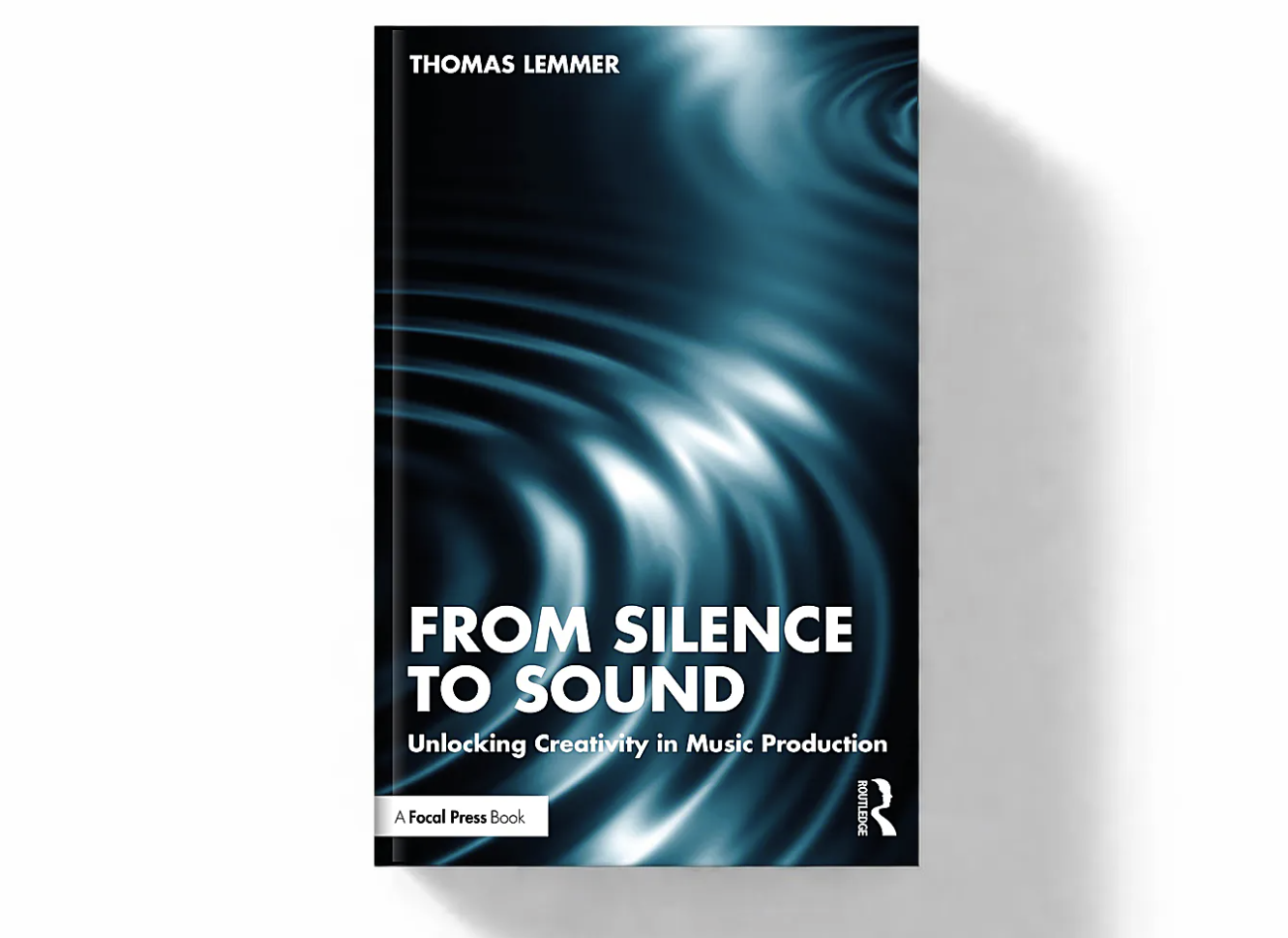
Order Thomas Lemmer's From Silence to Sound: Unlocking Creativity in Music Production, published via Routledge and Focal Press.
For more information visit the website.
Thomas Lemmer is a German musician and producer whose work blends ambient, electronic, and cinematic influences into immersive soundscapes — warm harmonies, melodic clarity, and a late‑night sense of atmosphere. Thomas began his musical journey early with piano and classical studies, later spending several years focused on the church organ. As a self‑taught producer, he combines musicality with detailed sound design, always exploring new tools to translate emotion into texture, space, and movement.