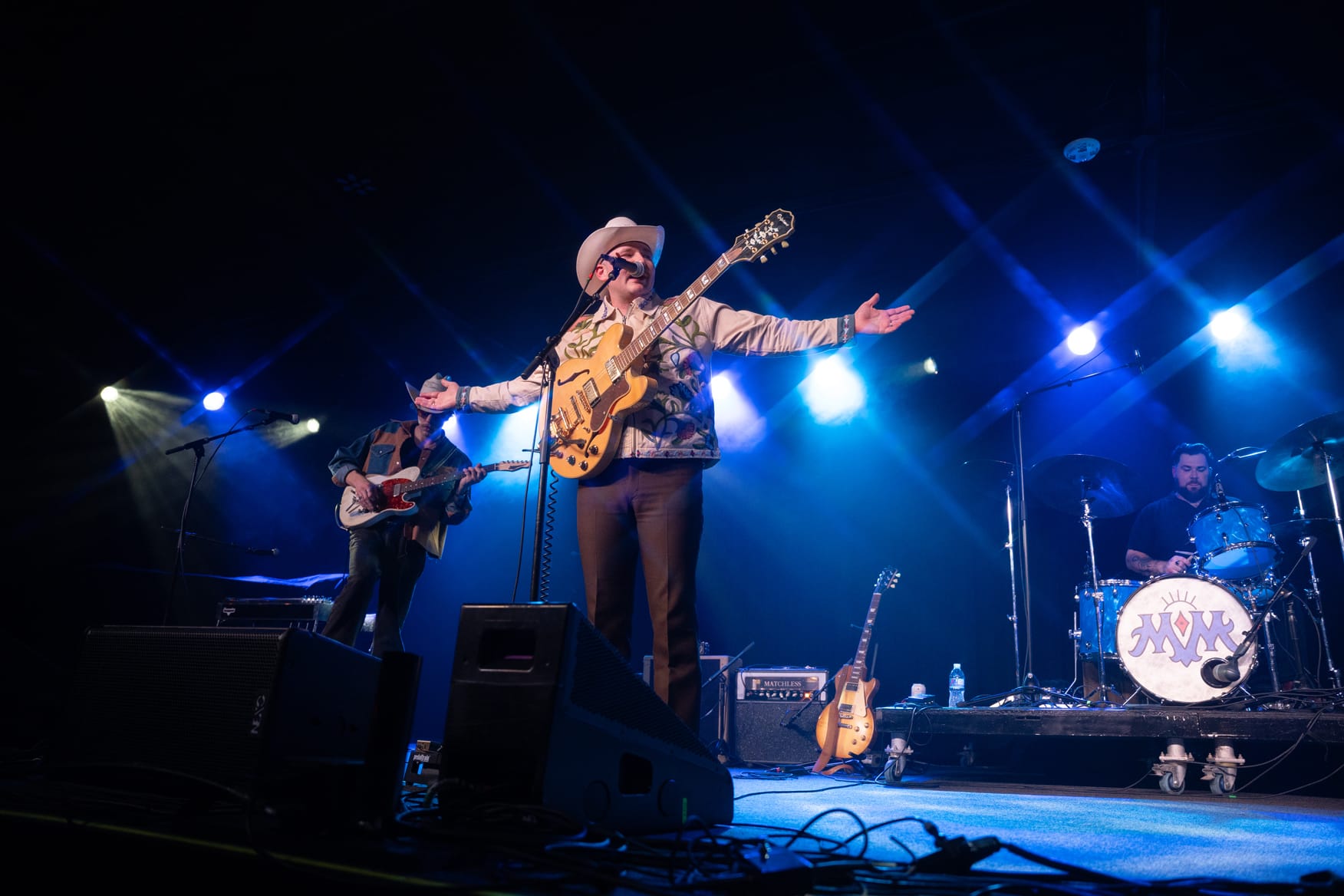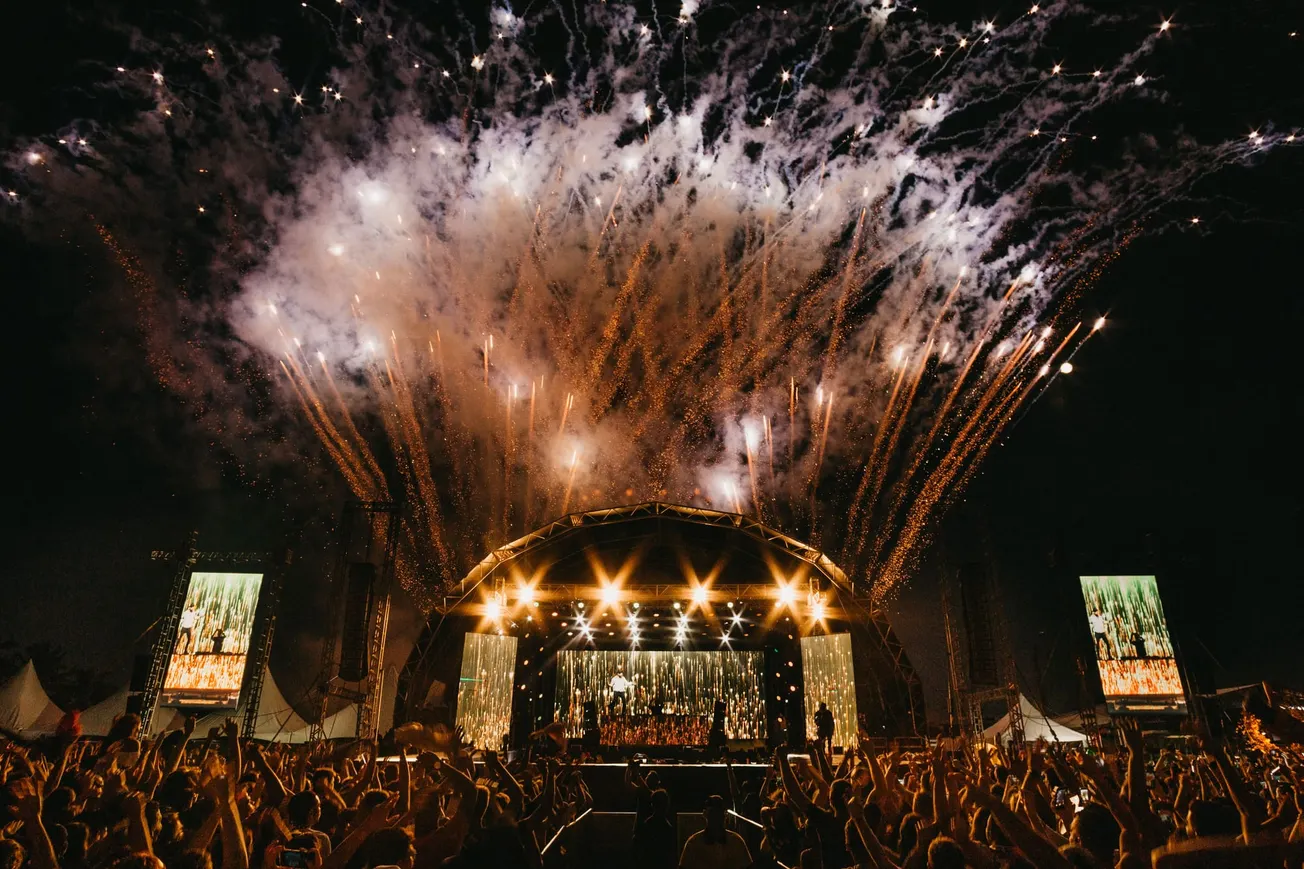


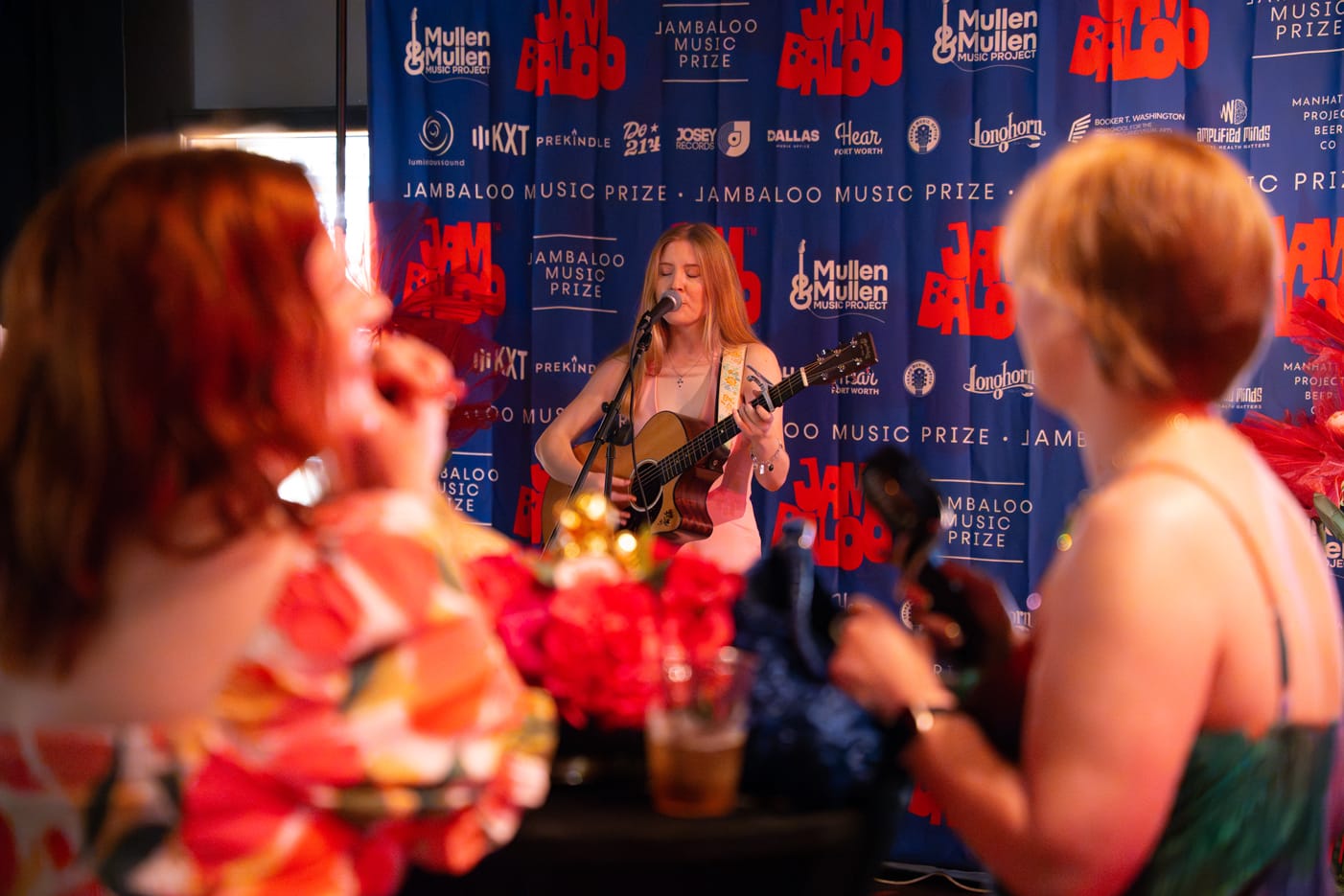
For several days, independent venues across Dallas and Fort Worth, Texas, become part of one connected festival, with touring artists, local favorites, and emerging musicians sharing stages throughout the cities.
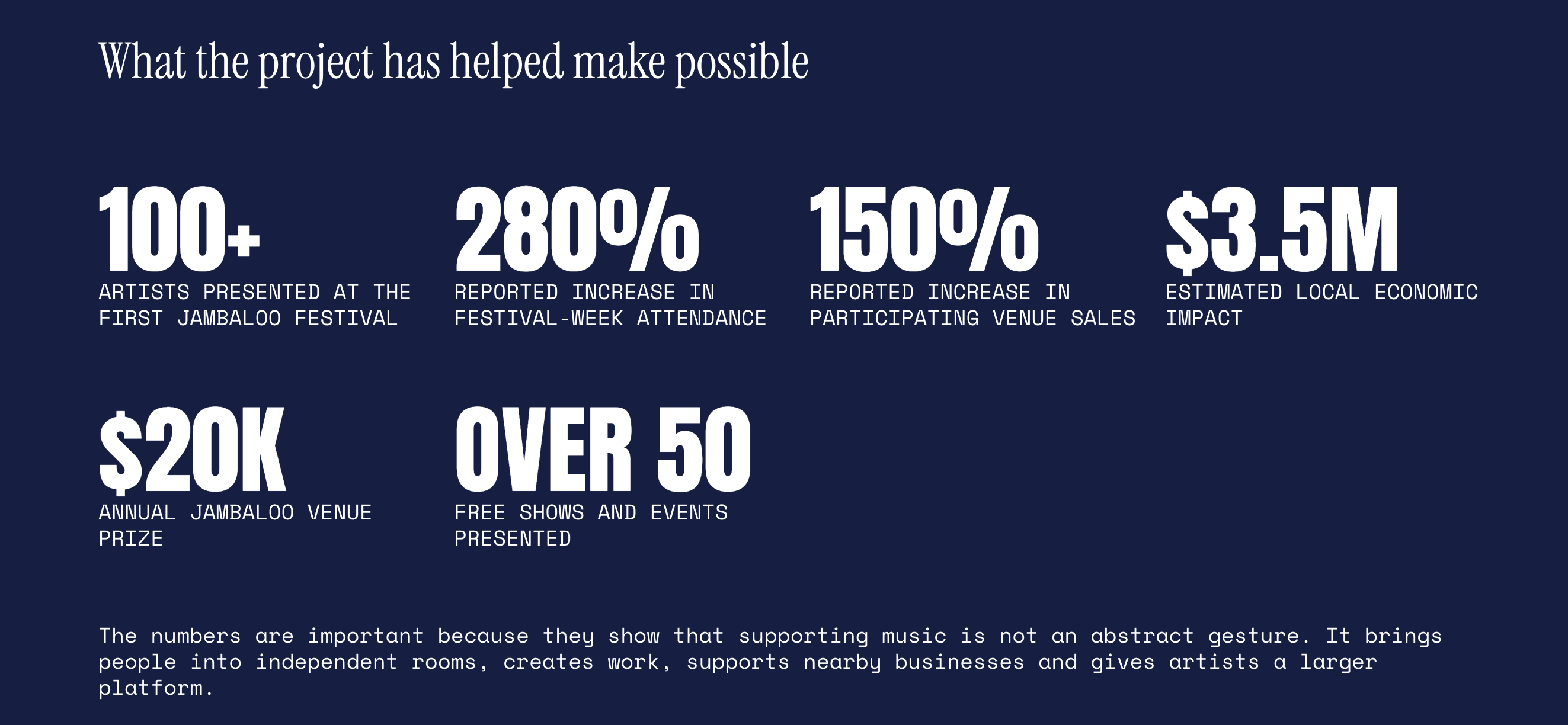
It's all free. All the artists get paid, and there's even an annual $20,000 album prize given out alongside venue funding, arts education, musicians’ mental health, and local music journalism.
It's called JAMBALOO, and it's one of the most fascinating stories of music festival funding we've heard all year. Why? Because a local personal injury lawfirm is both flitting the bill and curating everything.
We chatted with two of the organizers (slash, lawyers) who made it all happen, about the venue closures and the challenges facing local musicians in their area, and why this initiative had to be backed by Mullen & Mullen Injury Law.
All photos by Sierra Potts.
Hypebot: Can you introduce us to what the JAMBALOO Festival is and where this idea came from?
Corey Pond: "I’m Corey, one of the co-founders and organizer of JAMBALOO - for context on these answers at least. JAMBALOO began in 2024 as a concert series and quickly became a free music festival at independent venues across DFW. We put local artists on bills with up-and-coming national and international acts. The first festival was in February 2025 with our third year coming up in February 2027.
Joe Morrison and I spent 15+ years going to shows together and countless nights playing Rocket League and talking about music. We’ve always thought there was great music here that wasn’t getting enough attention. Coming out of COVID, venues were struggling, too many were closing, and we wanted to help.
Austin’s Free Week gave us the original festival idea. Since then, we’ve added the Music Prize, a weekly magazine, and a lot more on social media. So it’s become something we work on all year."
H: At what point does “Dallas needs to do more for its music scene” turn into “maybe my personal-injury law firm should foot the bill”?
CP: "Mullen & Mullen has been successful in DFW for more than 40 years, and they’ve supported the community in a lot of ways. Shane and Joe love music, so this was something they wanted to support."
There’s value to the firm in the goodwill and publicity, and the response has been overwhelmingly positive. We also hear directly from artists and venue owners about how something we’ve done has helped them. Knowing it’s making a difference makes it easier to keep supporting it and do more."
Joe Morrison: "It happened over years of going to shows together. Corey, Shane and I were often in these rooms, seeing incredible artists and talking about why more people weren’t hearing them. Coming out of COVID, we were also watching venues struggle. Something that had given us so much was facing challenges we could see firsthand."
When we give back at Mullen & Mullen, we look for ways to be personally involved instead of just writing a check. We want to be there, contribute our time and energy, and see firsthand the impact that support has on the community. After enough conversations at shows and over late-night video games, we decided to try the first free festival in February 2025. The turnout and the response from artists, venue owners and fans was overwhelming. We haven’t looked back since."
Live music contributes so much to a community. A show brings customers into a neighborhood, gives an artist a stage and puts people in a room together who might otherwise never meet. We had an opportunity to support all of that."
"Think about how often you’ve passed on a show because you didn’t know the band well enough to spend the money. Making it free removes that calculation. It also opens the door for people who love music but don’t have room in their budget for another night out. The audience gets in free, and the artists still get paid fairly. Both parts were fundamental to the idea."
H: Does it help any chances of liability or accident litigation that there’s a team of lawyers behind this festival?
JM & CP: "We work with experienced venues, local promoters, and production people who take planning and safety seriously. That’s important regardless of who’s behind the festival."
H: Looking back, where did the passion for music come from for you originally?
CP: "Music has been a huge part of my life for as long as I can remember. I eventually got involved professionally through booking shows and producing festivals, but I still spend a lot of my free time watching live music. Most of my travel is built around concerts or festivals too. Getting to do this full time is pretty much a dream job."
There are four or five people at the heart of JAMBALOO who feel much the same way. We’ve spent a lot of our lives around music. We listen, go to shows, and trust our instincts. When we find something we love, we want other people to enjoy it too. Ideally, we’re there with them."
H: Why make the concerts free? And who actually pays when the audience doesn’t, in order to make sure artists get compensated fairly?
CP: "It makes it easier for everyone to take a chance. You might not buy a ticket for a band you don’t know, but if it’s free, it’s easier to say, “Let’s check it out.” It also opens it up to people who can’t usually budget $60 for a pair of tickets."
For venues, people haven’t spent money getting in and might spend more while they’re there. In both of our first two years, venues reported big sales increases over the same week the previous year. February is usually slow, so that matters."
For us, it means we can book the best music we can get without worrying about selling tickets. Mullen & Mullen provides the primary financial support that allows us to do that. We pay artists fairly, often at the high end of the fair range. Hopefully, people find a band they love or a venue they’ll go back to. We want it to help beyond that one night."
JM: "Think about how often you’ve passed on a show because you didn’t know the band well enough to spend the money. Making it free removes that calculation. It also opens the door for people who love music but don’t have room in their budget for another night out."
Mullen & Mullen provides the primary financial support. The audience gets in free, and the artists still get paid fairly. Both parts were fundamental to the idea."
The venues have reported strong sales during the festival, which is encouraging, especially in a slower month. But we also want people coming back afterward. If someone discovers a local band and buys a ticket to its next show, or finds a venue that becomes a regular stop, the benefit continues beyond JAMBALOO."
"Helping those venues was one of the reasons we started. They were already doing this every week, and a lot of them were struggling. We wanted to bring people through their doors. It honestly never occurred to us to do it another way."
H: Where did the inspiration for this model come from and can it work elsewhere, or everywhere?
CP: "Austin’s Free Week inspired the festival. We thought, why don’t we do something like that across DFW instead of just in one neighborhood? And why don’t we bring in touring bands to headline, with local artists opening?"
Putting several local bands together doesn’t necessarily bring them a bigger audience if they’re all still building a following. But make a touring artist’s normally $20–$40 show free, and people have a reason to come—and get there early before the room fills. The local bands play to more people, and the venue has those people there longer."
The rest of JAMBALOO has come from listening, paying attention, and figuring out where we can help. We’ll run out of time and money before we run out of things to do, so we choose things we think we can do well. Sometimes a small investment made quickly can help a lot."
Something similar could work elsewhere, but you’d need the right people and an organization like Mullen & Mullen willing to support it. We’ve worked hard and had a few balls bounce our way. Partnerships with The Dallas and Fort Worth music offices, KXT, Josey Records, Amplified Minds, and others have been a huge help. We do things together, and they help us get the word out. Those relationships make a big difference. We've also been fortunate to win several meaningful local awards and that recognition has helped too."
JM: "Austin’s Free Week helped inspire the festival. From our side, we saw an opportunity to support the talent and independent venues already here by funding shows and removing the admission price. I hope other businesses see something they could adapt in their own communities. Start with something your team cares about, then spend time with the people doing the work and ask where support would make a difference."
Having the right people is essential. Corey brings the experience, relationships and judgment to make the festival work. Conor Dardis is the creative genius that powers the project. Our local partners have helped us build on it. Financial support creates possibilities; you also need people who understand the scene and can put those resources to good use."
For us, being involved is part of what makes it rewarding. We’re at the shows, discovering bands and hearing directly from the people participating. I’d love for JAMBALOO to encourage more businesses to find that kind of connection with something in their own community."
H: Most festivals try to gather everybody onto one piece of land. JAMBALOO deliberately sends people to independent venues. Why was supporting the existing rooms more important than building your own festival site?
CP: "Helping those venues was one of the reasons we started. They were already doing this every week, and a lot of them were struggling. We wanted to bring people through their doors. It honestly never occurred to us to do it another way."
The independent part matters to us. These are the places where artists get opportunities, get better, and build an audience. Without those stages, a lot of the rest of this falls apart."
We want to help the whole DFW music community year-round. Venues, artists, media, education—all of it needs support. A lot of our initial focus was on venues because the need was so obvious. As the needs change, we’ll change how we help."
H: The 2026 festival drew thousands of people and reportedly generated millions in economic impact. What did you learn in year two that changed how you’re building 2027?
CP: "The media piece was a big one. We were doing shows, but these artists needed support all year. We saw a huge gap in music coverage here and thought we could help. So in July we launched a weekly online magazine and expanded our socials. We’re putting real work into the interviews and photography, and we regularly bring in local writers and photographers. Artists are already writing, recording, rehearsing, and performing. Then they’re expected to become marketers and publicists too. We can help tell their stories."
We cover music from all over the world, and we want to build an audience outside DFW too. Someone might find us through a band they love from Manchester, but they’re also going to see DFW artists. That’s an opportunity to get local music in front of people who might never hear it otherwise."
We’re also more confident about booking up-and-coming touring talent and offering more variety. If several exciting bands are here at once, that gives fans and music writers a reason to visit. While they’re here, they’ll see local artists too. Hopefully, someone comes for a touring band and leaves talking about the DFW opener."
The magazine and socials let us keep doing that before and after the festival. We want more people here interested in music and more people elsewhere interested in DFW music. That helps the artists and venues and makes all of DFW a place with a healthy and supportive broad-based music scene. It all works together... or you could say it can all work if it's working together."
H: What’s the best late-night food to eat in DFW after a gig?
CP: "Being from Texas, Whataburger for a taquito with cheese and a chocolate shake is always a safe bet."
H: Your Music Prize gives $20,000 specifically for a full-length album at a moment when much of the industry is telling artists to release singles constantly. Is defending the album part of the mission?
CP: "Yes. An album is a commitment. It takes time, thought, planning, and a lot of work. People doing that are serious about what they’re making. It's a way to filter the universe to ensure the support is going to someone who's prepared to take another step forward. You gotta believe in yourself to make an album, typically - so we want to highlight those who have, and especially those who have done it well."
We also want people to listen to the whole thing and get to know an artist beyond one song. We’re judging a body of work. The public has a role, but it’s not just a popularity contest."
"Hopefully, someone comes for a touring band and leaves talking about the DFW opener."
H: If this festival happened in 1970, who would be the headliners?
CP: "Genesis, the Stooges, Randy Newman, Linda Ronstadt, and Nick Drake are the kinds of artists we’d be looking at. That's less reflected in our past bookings than it will be in the upcoming lineup announcement in December."
The above list generally had music out but hadn’t gotten widely popular yet, but if you were really into music, you probably knew about them. Some a little edgier or not mainstream. That’s pretty close to how we think about booking at the top of the festival lineup now. Keep in mind most people in 1970 might not have (yet) recognized those artists but years later they would talk about seeing them before they were famous... or at least that's kind of the goal."