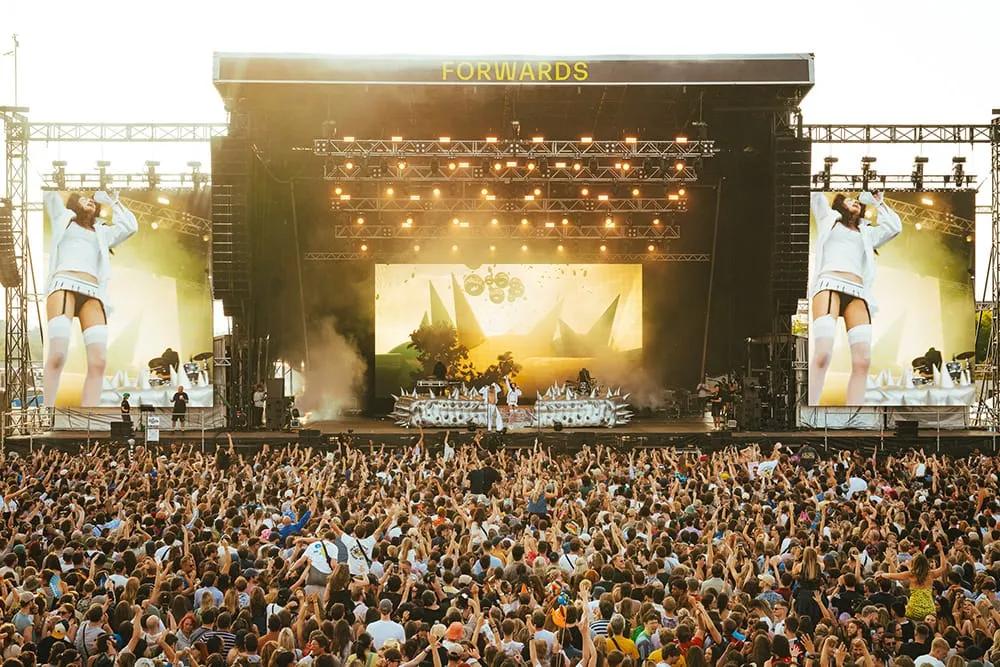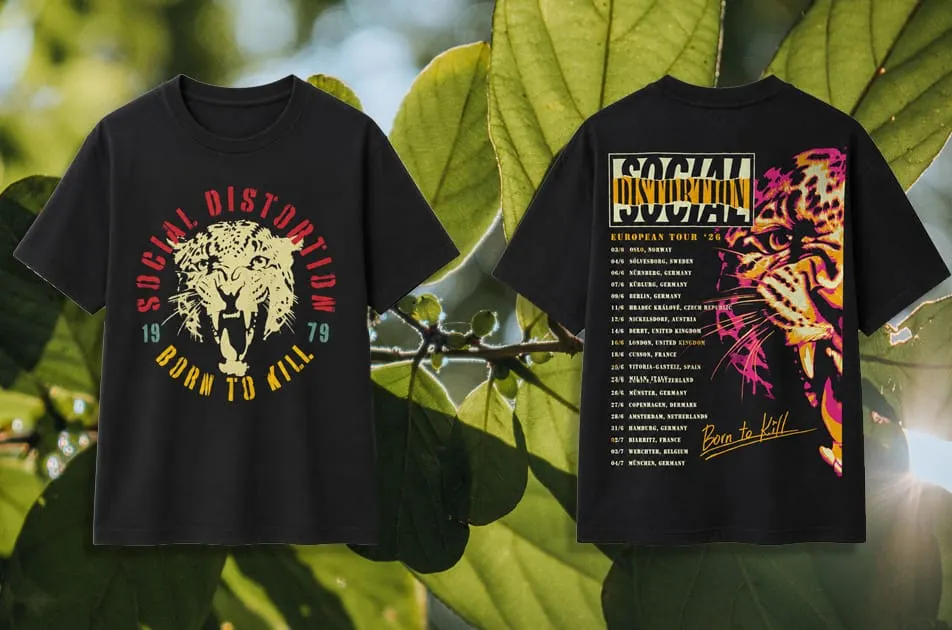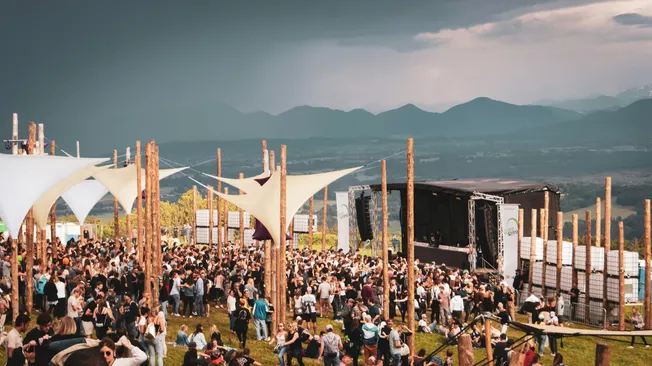
The live music industry is a notorious polluter.
From massive festivals to global tours making use of air and bus transport over thousands of miles, using megawatts upon megawatts of power, and rarely adequately managing waste or making use of recycled materials, the carbon footprint of touring activities is a mounting concern.
Research cited in UK Parliament discussions estimates that festivals alone generate tens of thousands of tonnes of waste and CO2 emissions annually, and audience transportation remains a significant contributor to live music’s environmental impact.
The encouraging part? The pressure is mounting for change, and the solutions already exist to actionize a change in the industry's approach to sustainability in a meaningful way. What’s emerging now is a patchwork of ideas, technologies, venue policies, touring models, and fan behaviors that together point toward a greener future for concerts and festivals.
Organizations like Reverb are at the forefront of the green touring movement, partnering with artists, festivals, and venues to build carbon-neutral and revenue-positive concert events and create a face-to-face fan presence at shows for information sharing.
But that's only part of the story. Below is a working guide to the methods currently helping reduce the environmental impact of live music.
1. Replace Diesel Generators With Renewable Energy
For decades, diesel generators have quietly powered festivals and outdoor concerts. They’re also one of the industry’s biggest emissions problems.
Increasingly, festivals and tours are shifting toward solar arrays, battery systems, biofuels, and renewable grid partnerships instead. Massive Attack’s recent climate-focused Bristol event became a major case study after using battery-powered infrastructure and renewable energy systems to dramatically reduce emissions. Coldplay has similarly integrated renewable-powered stadium infrastructure into its touring strategy.
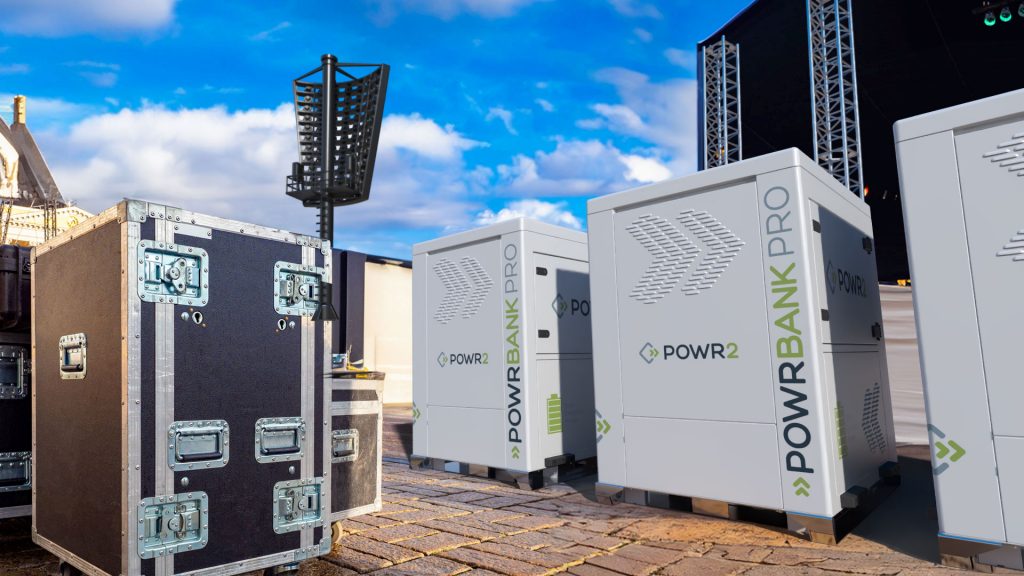
Some festivals are also experimenting with hybrid energy systems, mobile battery fleets, and solar charging stations backstage and onsite. Others are working with local utilities to source electricity from renewable providers instead of temporary fuel generation.
2. Rethink Touring Logistics and Routing
Touring transportation — especially flights and long-haul trucking — remains one of live music’s largest emissions sources. That’s pushing artists and managers to rethink how tours are organized from the get-go.
Strategies include routing tours geographically more efficiently, reducing unnecessary fly dates, prioritizing rail travel where possible, consolidating freight shipments, and using electric or lower-emission vehicles.
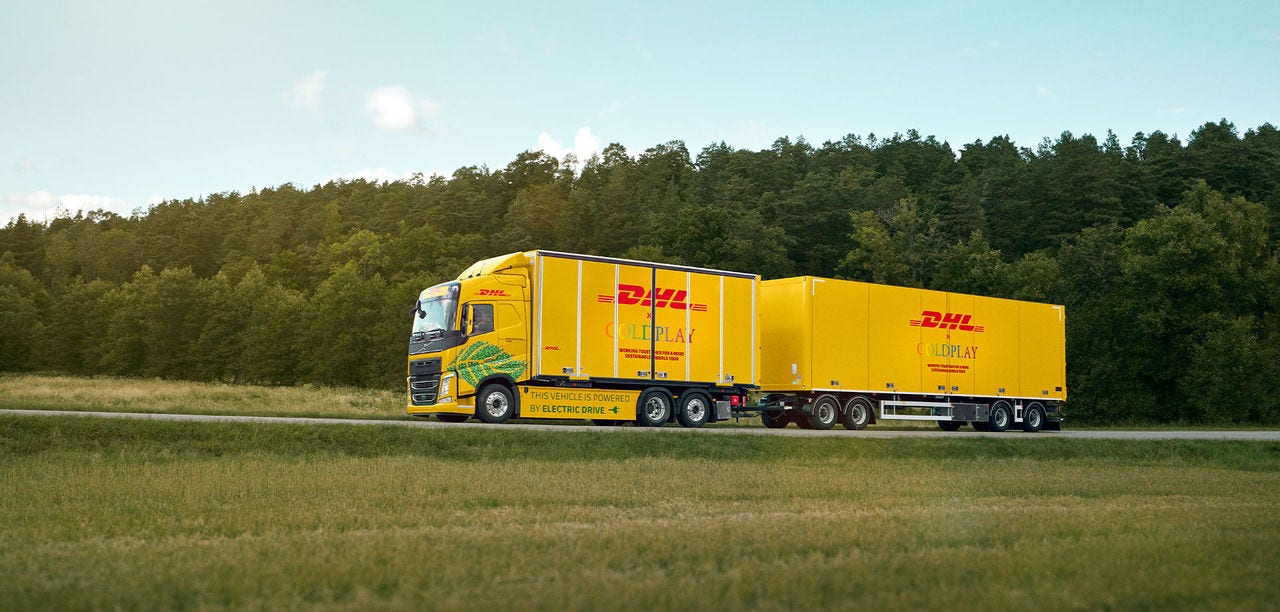
DHL in particular makes use of highly advanced bio-fuels, with a ready-to-transport fleet of electric vehicles and trucks fueled with Bio-LNG (liquified natural gas made from organic waste). This is one option for bigger infrastructure touring acts.
But some sustainability advocates are also encouraging “plug-and-play” touring models, where festivals and venues share standardized backline and production equipment to reduce freight transportation between cities.
This is also where regional touring strategies — shorter runs, hyper-localized circuits (ie: “one-state tours”), and residency models — start becoming environmentally relevant, not just economically practical.
3. Make Fan Transportation Part of the Sustainability Plan
Audience travel often produces more emissions than the concert itself. Stadium shows that need a car or a cab to get to are a big contributor unfortunately.
This reality has forced festivals and venues to start thinking about sustainable transit incentives, including shuttle partnerships, public transportation discounts, bike parking, carpool systems, and rewards for low-emission travel choices.
Coldplay even introduced fan-facing carbon calculators and incentives for greener travel methods during its recent stadium tours. Venue location matters too. Organizers increasingly prioritize spaces accessible via public transit rather than remote car-dependent sites.
4. Eliminate Single-Use Plastics
One of the most visible sustainability shifts at concerts has been the move away from disposable plastic cups, bottles, cutlery, and food containers. Reusable cup systems and compostable material packaging are becoming especially common at festivals and arenas. Instead of throwing cups away after one use, attendees return them to collection stations where they’re washed and reused hundreds of times.
Many festivals have also banned plastic straws and disposable foodware entirely, while others encourage attendees to bring reusable water bottles and utensils. Biodegradable packaging materials like those offered by BioLeader Pack are becoming more affordable and more widely requested by festival and concert attendees en masse.

Waste streams at large festivals are notoriously difficult to manage once mixed together. Reusables reduce both landfill waste and cleanup costs.
5. Build Serious Waste Diversion Systems
Let's talk more about waste! Sustainability at festivals increasingly depends on what happens after attendees throw something away.
Modern waste diversion systems separate landfill waste, compost, recycling, food scraps, and reusable materials into dedicated streams. Some festivals employ volunteer “green teams” to help attendees sort materials correctly and reduce contamination.
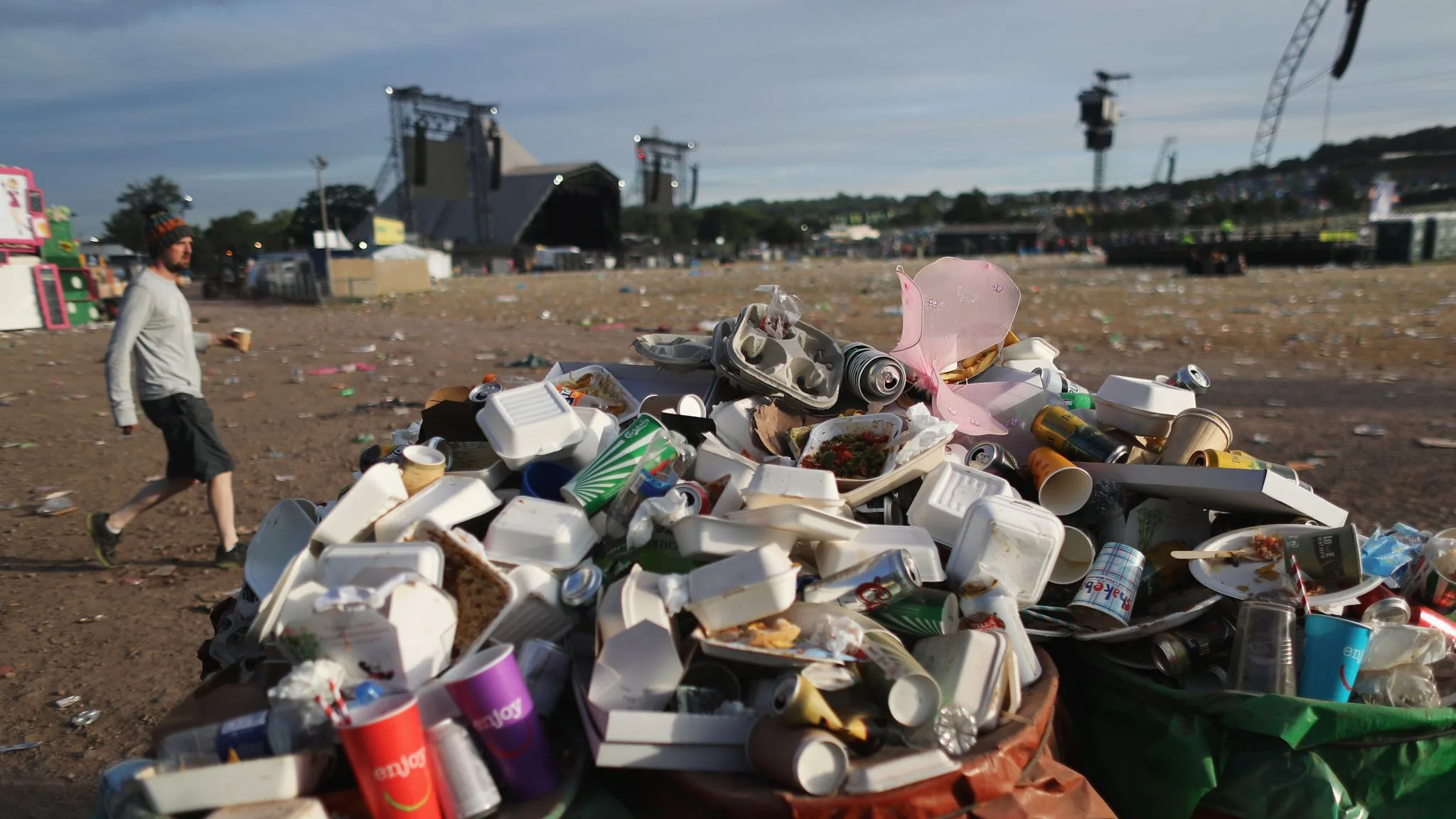
Composting systems, greywater reuse, and backstage food recovery programs are also becoming more common. Australian festival Peats Ridge Festival became an early example by implementing composting toilets, source-separated waste systems, and recyclable-only vendor requirements.
The goal is increasingly “zero waste to landfill” — or at least dramatically reduced landfill dependency.
6. Use Fan Participation as Energy Infrastructure
One of the most interesting trends in green live music is turning audience participation into literal energy generation.
Some tours and festivals now use kinetic dance floors and stationary bikes that convert movement into electricity. These systems typically supplement rather than fully power events, but they create a powerful symbolic shift: sustainability becomes interactive rather than invisible.
Companies like Electric Pedals have succeeded in using bike-powered electricity to power events like film screenings and music parties, and the trend is growing.

7. Shift Food and Beverage Programs Toward Lower Emissions
Festival food systems have become a major sustainability focus because food production and transportation can represent a significant share of event emissions.
That’s why many events now prioritize locally sourced vendors, plant-based menus, compostable packaging, and reduced food waste systems. Some events go so far as to implement a fully vegan food strategy as part of their emissions reduction plan, taking into account the toll that animal agriculture takes on greenhouse gas emissions.
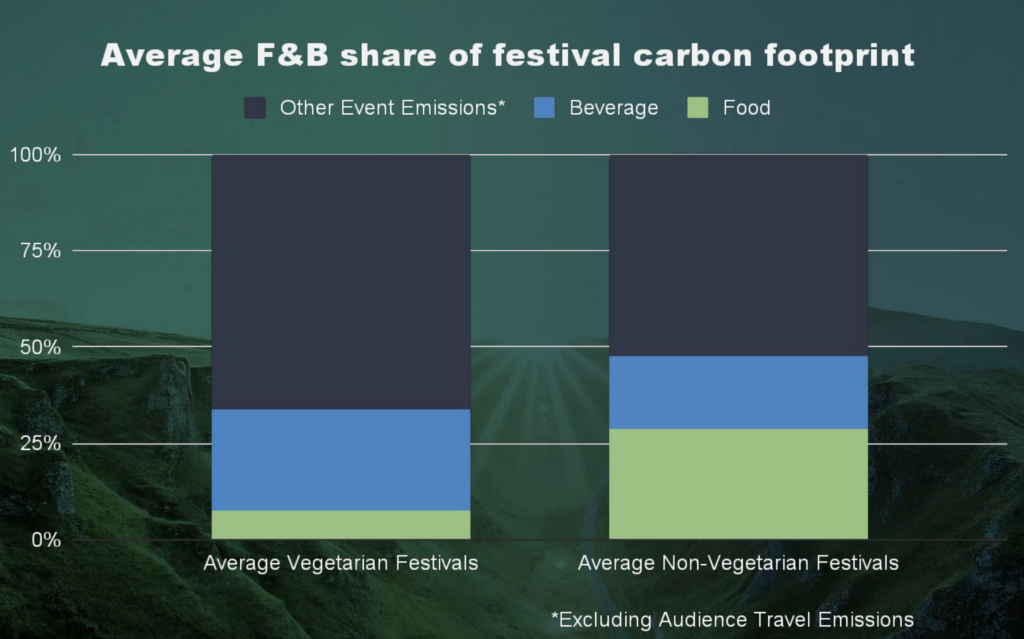
This is an acknowledgment that sustainability extends far beyond electricity usage.
8. Print Less — Digitize All Marketing Materials, Tickets, & Programs
Paper tickets, printed maps, plastic tokens, flyers, schedules, and promotional materials are increasingly being replaced by digital infrastructure. Mobile ticketing, digital wayfinding, cashless payment systems, app-based schedules, and QR-coded festival maps reduce material waste while streamlining operations.
This also helps reduce logistical overhead for promoters and venues, creating one of the rare sustainability initiatives that often lowers costs.
9. Create Sustainability Standards for Vendors and Suppliers
Events can only become greener if their supply chains become greener too. Many organizers now require vendors, caterers, merch partners, and suppliers to follow sustainability guidelines involving packaging, sourcing, recycling, and energy use.
Some festivals also audit suppliers directly or require compliance with broader sustainability certification programs. This matters because festivals are "temporary cities" — and every external supplier affects the event’s overall footprint.
+Read more: "Here's a List of Every 100% Sustainable Energy LEED Certified Music Venue"
10. Design Merch and Production More Responsibly
Merchandise itself has become part of the sustainability conversation. Artists are increasingly experimenting with locally printed merch, recycled fabrics, reduced packaging, print-on-demand systems, and environmentally conscious sourcing. Learn more about this here.
Production design is evolving too. Reused stage materials, modular builds, recyclable signage, and energy-efficient LED lighting systems all reduce touring waste. Coldplay’s biodegradable confetti and reusable LED wristbands became some of the most high-profile examples of sustainability integrated directly into concert production design.

11. Encourage Sustainable Camping and Fan Behavior
Educational fan campaigns now encourage attendees to pack reusable items, reduce abandoned camping gear, sort waste properly, and prepare more intentionally before arriving onsite. "Leave only footprints behind" is a common saying among outdoors communities in North America.
Some festivals have introduced sustainability incentive programs, while others provide interactive packing tools or rewards for environmentally responsible behavior. The broader idea is that sustainability works best when audiences feel like active participants rather than passive consumers.
12. Measure Emissions Publicly and Share the Results
Perhaps the biggest cultural shift in sustainable live music is welcoming transparency and accountability. Organizations like A Greener Future continue auditing festivals worldwide.
Artists and promoters are increasingly publishing emissions reports, sustainability roadmaps, and environmental benchmarks to track progress and pressure the industry toward measurable goals. What was once treated as backstage logistics is increasingly becoming public-facing accountability.
For Independent Artists, Venues, & Festivals
The future of sustainable live music probably won’t come from one massive technological breakthrough. It will come from hundreds of smaller operational decisions made across touring, venues, transportation, catering, waste management, energy sourcing, and fan engagement.
That's where you come in. No matter your place in the industry, you can help make a lasting change.
Especially for independent venues, artists, and promoters navigating rising touring costs and climate uncertainty simultaneously, many of these strategies are also becoming financially practical — not just environmentally necessary. Reusable systems reduce waste costs. Smarter routing lowers transportation expenses. Local sourcing strengthens community partnerships. Energy efficiency cuts fuel dependency.
Sustainability is increasingly overlapping with resilience.
This guide only scratches the surface of what's possible and what's being done in support of these global initiatives. This Green Touring Guide is a much more thorough playbook for understanding these strategies and the wider context. And you can learn about several festivals that operate sustainably in this article.
The greener concert industry is no longer theoretical. It’s already being built — one routing decision, reusable cup, battery system, and bike-powered dance floor at a time.