

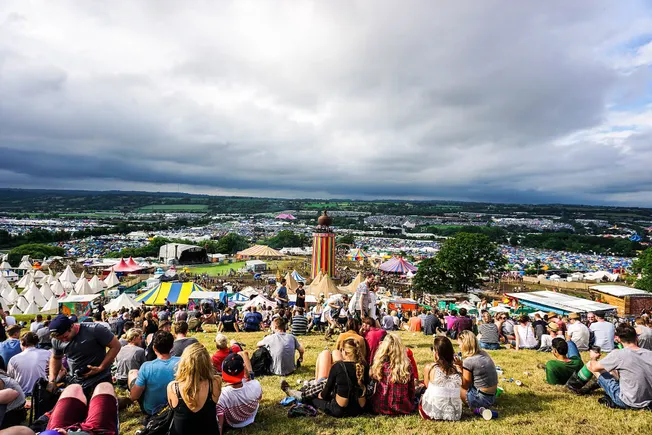
For most major festivals, the idea of voluntarily taking a year off would be unthinkable. In an industry obsessed with growth, annual revenue, and keeping momentum alive, a festival that attracts more than 200,000 people and sells out almost instantly every year would seem like the last event that should hit pause.
But tradition is tradition for a reason, and sometimes the most sustainable way to carry an event going for the long-term, is to take pauses throughout its lifespan.
There will be no Glastonbury Festival in 2026. Not because of financial troubles. Not because of declining attendance. Not because organizers couldn't find headliners. Instead, one of the world's most famous music festivals is taking a year off to let a farm rest.
This is called a "fallow year" and these have been pre-planned since the beginning to occur (basically) every 6 years. Let's talk more about it!
What Is a Fallow Year?
The concept comes from agriculture. A "fallow year" is when farmland is deliberately left unused for a period of time so the soil can recover, replenish nutrients, and regain its long-term health. Farmers have practiced versions of it for centuries.
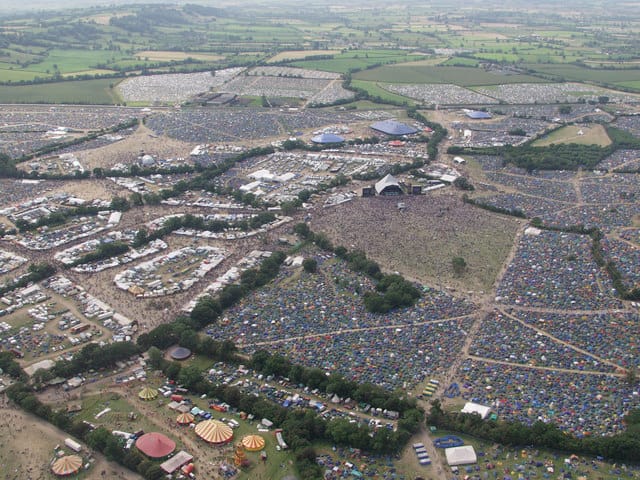
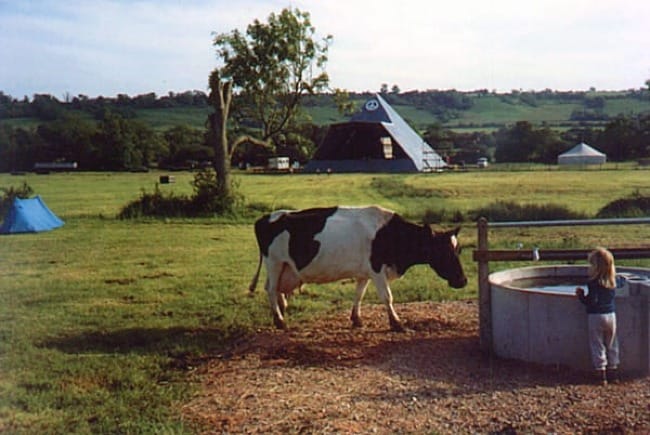
Glastonbury adopts the same philosophy. The festival takes place on Worthy Farm, a working dairy farm in Somerset, England. Every five or six years, organizers pause the event entirely, allowing the land, local ecosystem, and farming operations to recover from hosting hundreds of thousands of visitors, vehicles, tents, stages, and temporary infrastructure.
Festival co-organizer Emily Eavis has described the fallow year as a chance for "the land to rest" and for the farm's cattle to spend more time reclaiming the pastures normally occupied by one of the largest temporary cities on Earth.
The tradition is an established part of the festival's identity. Here's a chronological list of all official and unofficial fallow years:
- 1988: The first official fallow year established by the organizers.
- 1991: Implemented after significant security disturbances and fence breaches at the 1990 festival.
- 1996: Taken to allow the land to recover.
- 2012: Scheduled to coincide with the London Olympics and to give organizers time to reassess logistics.
- 2018: The last scheduled fallow year before the pandemic.
- 2020 / 2021: *Not technically fallow years, the festival was forced to close due to the global COVID-19 pandemic (but it still helped the land regenerate!)
- 2026: A planned, official fallow year taken to allow Worthy Farm's pastures to regenerate after consecutive years.
A Festival That Remembers It's a Farm
That's what makes Glastonbury unique. Many people think of Glastonbury as a permanent festival site. In reality, it's still a working farm first and a festival second.
For a few days every summer, Worthy Farm transforms into a sprawling cultural metropolis complete with hundreds of stages, thousands of performances, and a population larger than many cities. Then, just as quickly, it disappears. The fallow year concept acknowledges that even temporary cities leave a footprint.
Rather than pushing the site to its limits year after year, Glastonbury intentionally builds recovery time into its long-term plan. Sustainability isn't treated as a marketing slogan; it's literally written into the festival's schedule.
+Read more: "Here's a List of Every 100% Sustainable Energy LEED Certified Music Venue"
A Powerful, Unexpected Result
One thing that tends to happen when events so large are paused is that it creates a vacuum of scarcity.
In an entertainment landscape where content never stops, Glastonbury deliberately chooses absence. The festival disappears for a year, allowing anticipation to rebuild naturally. Emily Eavis has suggested that the break benefits not only the farm but also organizers, staff, local residents, and audiences. Everyone gets a chance to step away before returning refreshed.
It's a beautifully old-fashioned idea: if something matters, maybe it doesn't need to happen constantly.
A Lesson Bigger Than Festivals
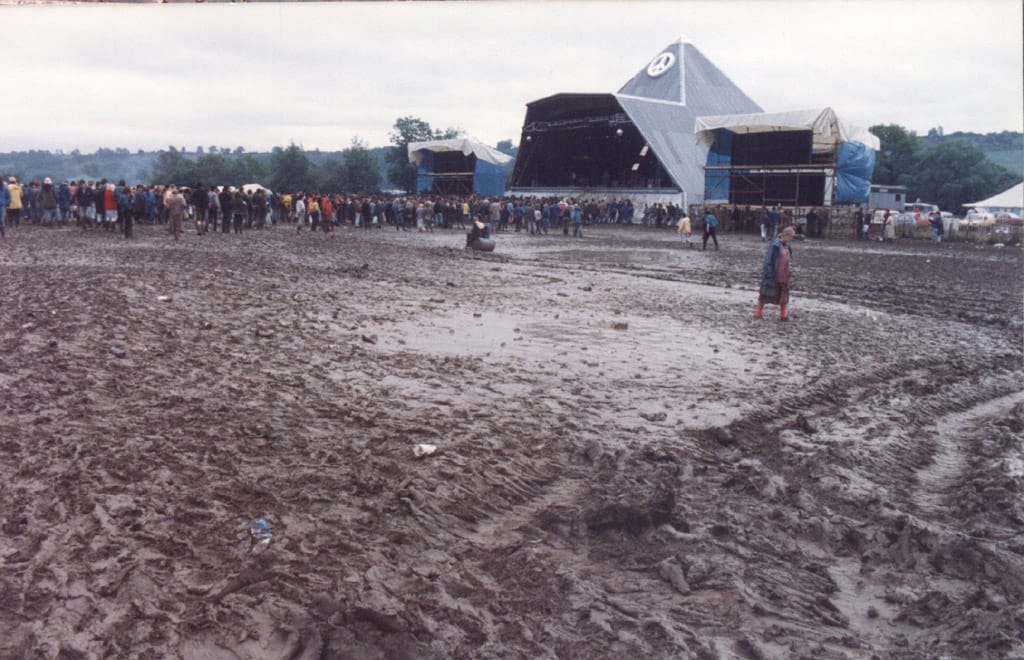
The fallow year is one of those concepts that feels increasingly relevant beyond agriculture. Fields need rest. Ecosystems need rest. Communities need rest.
Maybe just maybe cultural institutions do too.
At a time when every platform, festival, artist, and brand is under pressure to be permanently active, Glastonbury's approach offers a different philosophy: sometimes longevity comes from knowing when not to grow.
So while there won't be a Glastonbury Festival in 2026, that's actually the point. The festival is taking a year off so it can keep going for decades to come.
+Read more: "How to Build a Greener Concert Industry"