

This interview with Howie Kaplan, owner of New Orleans indie music venue The Howlin' Wolf, is part of Hypebot’s In The Trenches. The series, sponsored by live music marketing solution Bandsintown PRO, spotlights the unsung heroes fighting to keep independent live music alive.
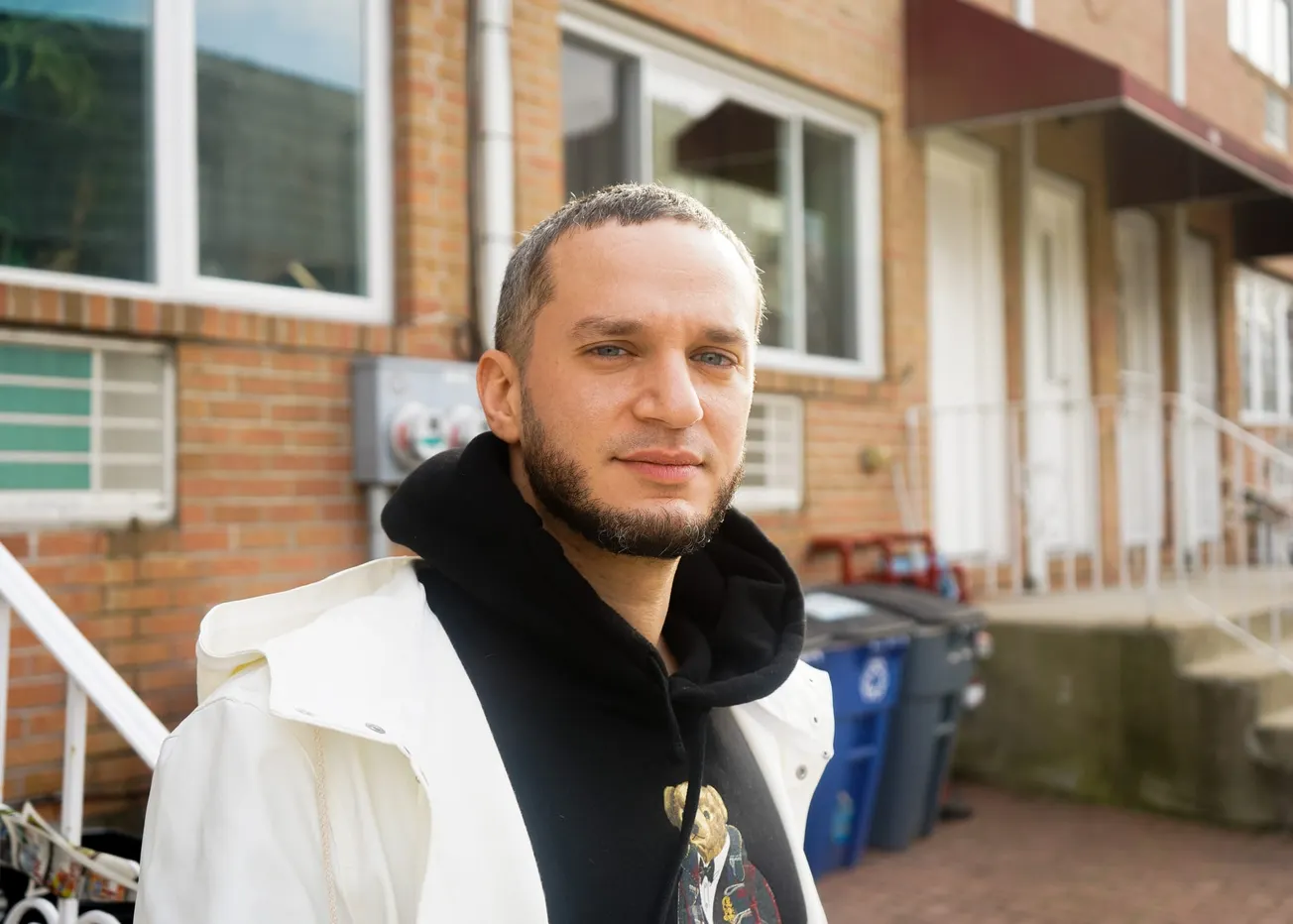
Venue owner and operator Howie Kaplan acquired The Howlin' Wolf in 2000, dedicating his career to preserving New Orleans' music culture and advocating for grassroots live entertainment.
Beyond running the venue, Kaplan has managed the Grammy Award-winning Rebirth Brass Band for more than 17 years, served as Vice Chair of Advocacy for the National Independent Venue Association (NIVA), and was appointed as New Orleans' first Director of the Office of Nighttime Economy in 2022.
Known for his civic leadership, Kaplan spearheaded the "Meals for Musicians" initiative during pandemic shutdowns and organized massive community street-kitchen relief efforts after Hurricane Ida. Today, Kaplan continues to lead from the front lines of the industry, taking on secondary ticketing giants in federal court to protect artists, venues, and concertgoers.
On September 10, 2026, Kaplan and The Howlin' Wolf filed a federal lawsuit against StubHub in the U.S. District Court for the Eastern District of Louisiana. The suit alleges false advertising under Section 43(a) of the Lanham Act and violations of the Louisiana Unfair Trade Practices and Consumer Protection Law (LUTPA).
Kaplan is taking a stand against speculative ("spec") ticketing, automated bots, and deceptive resale practices. Below, he shares what drove him to file suit, why spec tickets harm fans and artists, and how independent venues can fight back.
Hybebot: What motivated you to file this lawsuit against StubHub right now?
Howie Kaplan: "I don't think it's something I got started. I think it's just a continuation of all the problems that are plaguing independent venues right now. Before the pandemic, it was more something affecting larger shows or larger venues. But now you've got bots that literally list shows that don't exist for four times what your average ticket price is."
"This isn't some little 'someone bought a ticket for $20 and sold it for $40.' This is really about protecting venues, protecting fans, and protecting artists. We keep playing this game like it's okay to sell something you don't have. That, to me, is a little asinine."
"It's like saying, 'I'm selling a '65 Mustang. Give me $20,000, and now give me a couple of months to go get it for you.'"
H: Is this suit strictly focused on speculative "ghost" tickets rather than overall ticket price caps?
HK: "Yes. The price cap issue is something entirely different. There are so many issues we have, but this is one I think we can all agree on: you can't sell something you don't have."
"To me, a ticket is not a commodity—it's a license. When you buy season tickets for the New Orleans Saints, you sign a contract with terms. These aren't secondary market sellers; these are scalpers. They create confusion in the marketplace, commit fraud and deception, and get away with it because nobody is stopping them. Fans think they're buying tickets directly from us."
H: Why did you choose the judicial route with the Lanham Act and LUTPA rather than waiting for state legislative reform?
HK: "In Louisiana, you can't sell a physical ticket in front of Tiger Stadium above face value, but you can do it for 10 times the price on a phone. We tried working on state legislation. We got a sponsor, put in massive effort, and were ready to go in front of the Senate Commerce Committee when the bill got pulled. Resale platforms spend hundreds of thousands of dollars lobbying against these bills."
"So I looked at it and realized we don't need a new law if what they're doing is already illegal under existing statutes like the Unfair Trade and Deceptive Practice Law (LUTPA) and the federal Lanham Act. Under the Lanham Act, you can't take somebody's name, mislead on ticket scarcity, or trick consumers. Plus, federal law like the BOTS Act is already on the books."
H: How are these practices directly affecting fans at your door?
HK: "We have shows with zero official box office tickets sold, yet speculative listings are live on StubHub. We had a guy spend $96 on a $25 ticket for a show that wasn't even happening for another two months, and the listing had the wrong date on it. The show hadn't even gone on sale because we were tweaking the date! He just didn't know."
"StubHub’s own terms of service state you cannot sell speculative tickets on their site. What are they doing to stop it? Nothing. If I allowed illegal activity inside my venue, I'd be shut down immediately. Platforms shouldn't get a free pass."
"When a fan gets to see an artist, it elevates the spirit and soul to a place they didn't know existed. You're messing with something so pure and powerful."
H: Stone Church owner Robin Gristkovsky in Vermont filed a similar lawsuit. Do you see these venue-led lawsuits working together
HK: "I’ve known Robin for a while. Rebirth Brass Band actually played Stone Church recently. This isn't just a Howlin' Wolf issue or a Vermont issue; it's an industry-wide problem. Stone Church filed in the Southern District of New York, and we filed in federal court in Louisiana."
"The goal right now is to draw attention to something ludicrous, get everyone in the industry on the same page, and figure out how to stop this. This is the first of many steps."
+Read more: "NOLA's Howlin' Wolf Sues StubHub Over Spec Ticket Sales"
Learn more about The Howlin Wolf and follow on Bandsintown.