



The 2026 Amplify Music Investment Summit took place on May 8, 2026 at the Virgin Hotels in New York City. Here's a detailed rundown of each panel and discussion that took place, with featured participants and key quotes and talking points.
The Streaming Multiplier: Podcasts, AI & Global Demand

Amplify 2026 opened with a critical look at the forces reshaping the global music economy. Moderated by Billboard’s Elizabeth Dilts Marshall, the panel — featuring Tatiana Cirisano (VP of Music Strategy, MIDiA Research) and Molly Neuman (President, CD Baby) — explored how the industry must adapt alongside changing consumer habits, emerging markets, and technological shifts. Setting the stage, Marshall highlighted the current stakes:
“There is a significant growing list of reasons why people believe that streaming is more exposed to disruption now than perhaps any point in the last decade.” - Elizabeth Dilts Marshall
Navigating this transitioning landscape requires actionable insights.
- The Next Generation Demands Participation: While Millennials anchor today’s subscriber base, Gen Z and Alpha expect interactive, communal experiences. Cirisano noted that younger listeners view streaming as a baseline norm, meaning platforms must evolve.
“It’s not enough to just optimize the model that we have. We also need to innovate it.” - Tatiana Cirisano
- Reframing the AI Conversation: Generative tech is accelerating existing industry shifts, such as listenership fragmentation, rather than creating completely new threats. Cirisano noted that the coexistence of functional sleep music with professional artistry or mass uploading issues shouldn’t be blamed solely on the technology.
“It’s less about AI versus non-AI. If someone is using AI to generate millions of songs and upload them and capture royalties, that’s a fraud problem. That’s not like an AI problem.” - Tatiana Cirisano
- Scaling Globally While Combating Fraud: With massive streaming growth projected outside Western markets, localized discovery is essential. Concurrently, protecting this expanding ecosystem is paramount. Neuman shared that a proactive approach to abuse has yielded a nearly 75% reduction in fraudulent streams within their distributed catalogue.
- Empowering the Artist: The ultimate goal of this multiplying ecosystem is sustainable creator growth.
Keynote Conversation
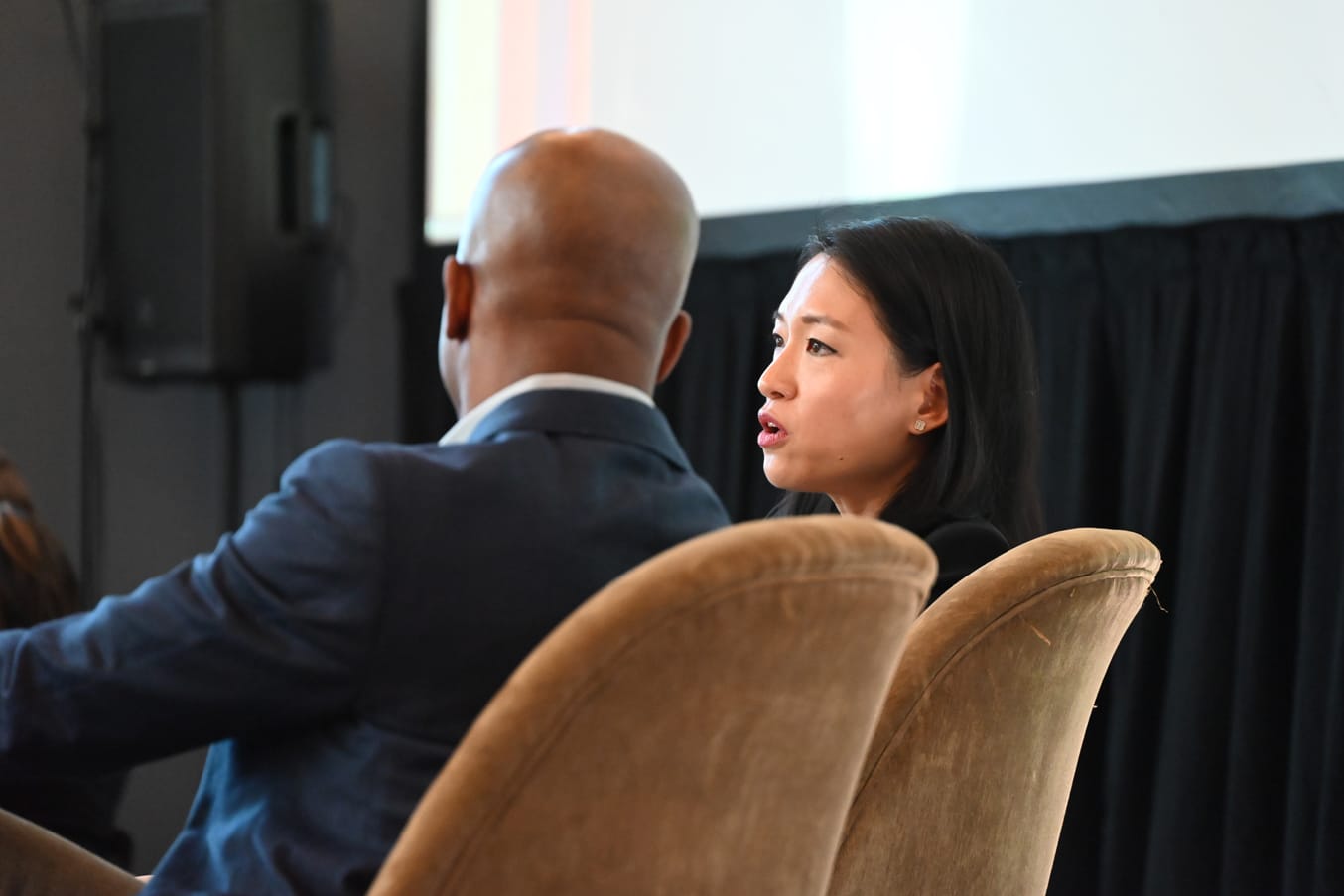
Amplify 2026’s Keynote Conversation explored the strategic future of the modern music label. Moderated by CNBC anchor Jon Fortt, the session featured executives Robert Kyncl (CEO, Warner Music Group) and Lisa Yang (EVP, Global Head of Strategy, Warner Music Group), who unpacked how scale, data, and a growth-oriented mindset are critical for navigating industry disruption.
As the barrier to entry for content creation disappears, the executives emphasized that major labels are more necessary than ever to cut through the noise and build enduring careers.
- The Premium on Scale and Data: With endless content uploaded daily, discoverability is the true bottleneck.
“You’re going to see a divergence of performance between the larger companies, those who have scale... and those who haven’t invested in the tech.” - Lisa Yang
- Embracing AI as a Value Creator: Reflecting on the industry’s slow, defensive reaction to the dawn of the digital and streaming era, Kyncl urged leaders to proactively embrace generative tech rather than resist it. The executives view AI as a transformative tool that will increase the value of iconic IP, provided the right commercial frameworks are established.
“I cannot stress more what an incredible value creation opportunity AI is for us. It’s just very transformative, so we have to do it right.” - Robert Kyncl
- Global Exportability and IP Protection: WMG’s investment strategy prioritizes local repertoire with global export potential, backed by data-driven decision-making.
“Every time there is a new platform, we license our work to them, to ensure that it is protected and we get our fair share.” - Lisa Yang
- Mindset is the Ultimate Asset: Highlighting WMG’s streamlined operations and willingness to take calculated risks, Kyncl identified their corporate culture as their greatest structural advantage.
Music Rights as an Asset Class
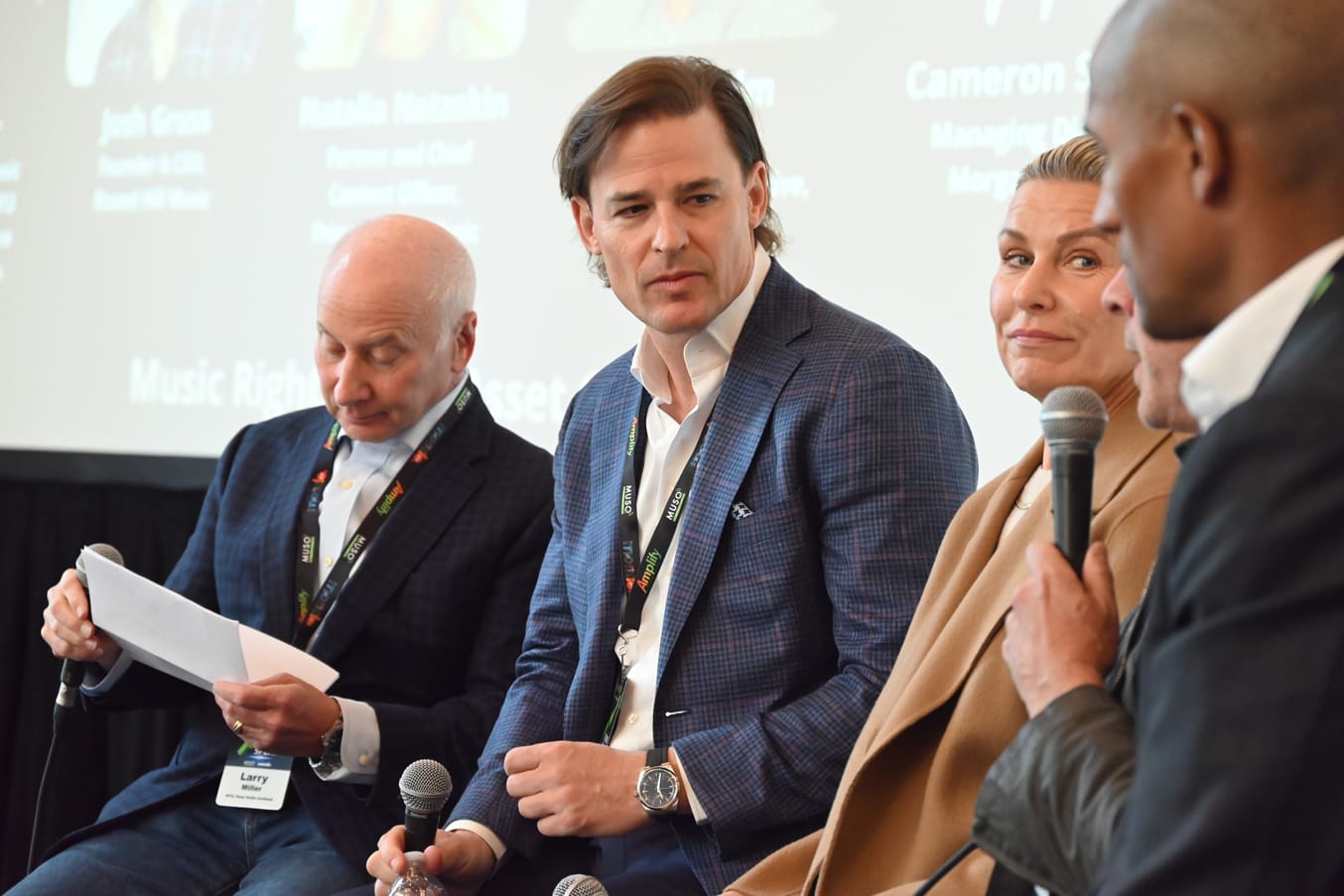
Amplify 2026’s “Music Rights as an Asset Class” panel explored how streaming transformed music into a financially underwritable, highly scalable asset. Moderated by NYU’s Larry Miller, industry leaders — Josh Gruss (Founder & CEO, Round Hill Music), Natalia Nastaskin (Partner & Chief Content Officer, Primary Wave Music), Steve Salm (Chief Business Development Executive, Concord), and Cameron Smalls (Managing Director, Morgan Stanley) — discussed the critical shift from passive ownership to active, operational value creation.
- Institutional Maturation and Yield: Morgan Stanley’s Cameron Smalls highlighted the rapid evolution of institutional capital entering the space, driven by predictable returns.
“We were at a point not that many years ago where institutions had zero [music investments]. So now we have investors with four different music funds.” - Cameron Smalls
- Compounding Cultural Value: Natalia Nastaskin detailed how Primary Wave systematically enhances legendary catalogues through broad initiatives across film, stage, and brand partnerships.
- Aligning Capital with Lifespans: Round Hill Music’s Josh Gruss argued that traditional private equity timelines often clash with music’s long-term value arc, advocating for evergreen capital.
“Success is really measured in decades and not years, and maybe for that reason, the traditional private equity five-to-ten-year timeframe is not very good.” - Josh Gruss
- Relevance Drives Institutionalization: Beyond yield and multiples, Concord’s Steve Salm reminded the room that financialization ultimately relies on enduring art.
“It can only be institutionalized if… it has relevancy in pop culture. We can’t take that risk on if the creators don’t create it first.” - Steve Salm
As streaming growth normalizes, long-term returns will depend on disciplined acquisitions, active cultural stewardship, and long-duration capital matching the lifecycle of iconic IP.
A Conversation with Clive Davis and Fred Davis
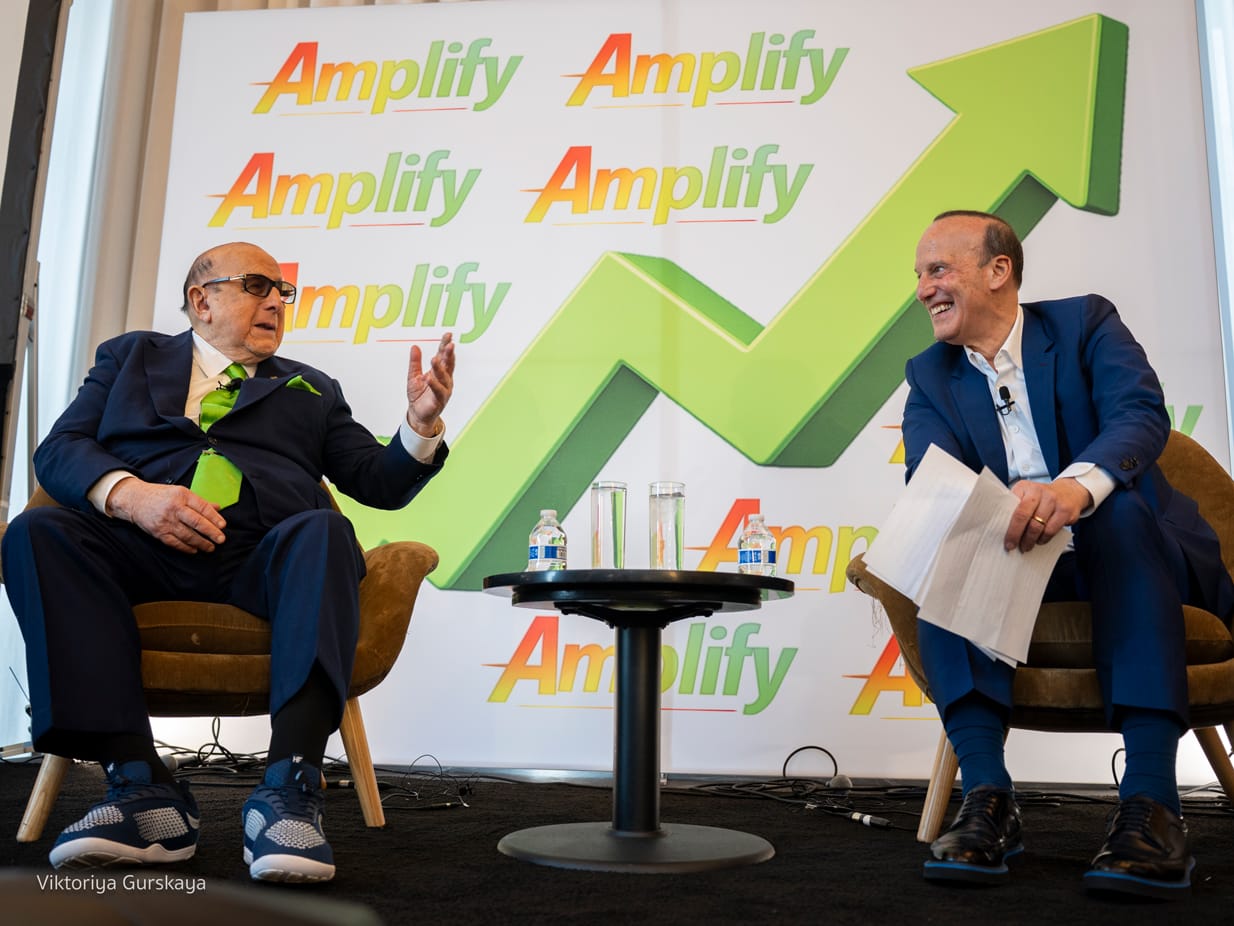
Legendary record executive Clive Davis joined his son, Fred Davis (Partner at The Raine Group) and a leading music-industry investment banker, for a conversation reflecting on the defining moments and philosophies that shaped one of the most influential careers in recorded music history.
Davis spoke candidly about memorable experiences working with artists, recalling his reaction to hearing Whitney Houston sing “The Greatest Love of All” for the first time (“My jaw dropped”) and encouraging Bruce Springsteen early on to fully own the stage. He emphasized that identifying great music remains intuitive and cannot be reduced to formulas, despite his natural fluency with statistics shaped by his affinity for baseball. Davis also reflected on his pre-Grammy gala, now in its 51st year, which remains unmatched in its uniqueness and cross-generational curation.
The discussion further explored the importance of perspective, passion, and discipline. Davis credited his mother’s advice to “get out into the world” and connect with people from all walks of life as foundational to his success. He added that the strongest executives he worked with shared two “common denominators”: an obsessive love of music and a relentless work ethic. “There is no substitute for hard work,” he noted.
Key Quotes:
“If you ever heard that I had to be convinced to sign Whitney, totally false. I gave her [a] keyman clause, never to be given again. We bonded, and we became family.” - Clive Davis
“To this day, I watch every video, not just to see what the hits are but to see who’s exceptional.” - Clive Davis
Where the Data Leads: Forecasting the Future of Music Demand

Moderated by Rob Jonas (CEO of Luminate), this panel examined how data, financing, and market discipline are reshaping music investment. The discussion looked at how investors, lenders, and advisors evaluate music assets through cash-flow quality, deal execution, and realistic valuation.
Jihane Hassad (Director at Crayhill Capital Management) offered a private credit perspective, explaining that lenders focus on whether an existing catalogue generates stable and predictable royalty income that can support debt repayment. She explained that even as capital becomes more expensive, bespoke structures can support higher advance rates when lenders have strong visibility into cash flows. She also noted that streaming data has become more transparent and granular, allowing lenders to underwrite catalogue cash flows with greater precision.
Robert Law (Co-Founder & Partner at Shot Tower Capital) focused on valuation methodology and market pricing. He emphasized that music IP valuation is highly specialized, requiring knowledge of investment logic, copyright law, buyer behavior, and realistic trading value. He also noted that asset-backed securitization and more efficient credit markets have helped support pricing for high-quality catalogues, while investors must assess whether they have control rights to influence future cash flows and drive excess growth.
Brian Richards (Founder & Managing Partner at Artisan), approached the discussion from the dealmaking side. He noted that the music investment market has evolved to include many types of music assets, with different platforms pursuing strategies across copyrights, genres, geographies, and asset profiles. He explained that transactions can become difficult between exclusivity and closing when buyers develop a different view of cash flows, or when tax, structure, copyright, or operational issues emerge. His comments showed that valuation gaps are often tied to execution risk and deal mechanics, not simply disagreement over price.
Key Quotes:
“What we have been seeing recently is really more bespoke structures. We are starting to go higher in the capital structure, with higher advance rates. But when we look at an asset as a credit investor, what we can underwrite is the existing catalogue — the existing pool of cash flow.” - Jihane Hassad
“Individual investor strategies are becoming more specific. It is not just ‘I am buying music.’ Investors are targeting specific sections, sectors, genres, and return profiles. The question becomes: what can I actually do with this asset? Do I have the ability to influence the cash flows?” - Robert Law
“What has been really interesting to watch over the last six or seven years, as this investment market has evolved, is that there is really a home for pretty much any asset at this point. There is a platform chasing many different strategies — different copyrights, genres, geographies, and asset profiles.” - Brian Richards
Mapping the Worldwide Music Economy

Amplify 2026’s “Mapping the Worldwide Music Economy” panel — featuring Michael Bizenov (Managing Partner & President, Sound Royalties), Chee Meng Tan (Founder & CEO, blackx), and Lior Tibon (CEO & Co-Founder, Duetti) — highlighted how investors are looking beyond Western superstars to uncover massive opportunities in emerging regions and the independent middle market. Moderated by DFSB Kollective’s Bernie Cho, the session featured industry leaders exploring the intersection of international music innovation and capital markets.
- The Power of Localized Execution: Sound Royalties’ Michael Bizenov discussed the complexities of expanding into diverse territories like Latin America and Europe. He emphasized that successfully navigating varying payment chains, regulations, and cultural practices requires deep community embedding.
“The opportunities are regional, but the execution has to be local.” - Michael Bizenov
- Empowering the Middle Market: Lior Tibon (CEO & Co-Founder, Duetti) explained their data-driven approach to acquiring assets across localized genres that don’t always travel globally, like German hip-hop or Brazilian funk.
“The longevity of consumption is not only at the top-tier superstar names, but it really is across the different tiers.” - Lior Tibon
- Capitalizing on Asian Cultural IP: Chee Meng Tan (Founder & CEO, blackx) focused on the massive momentum of Asian music, stressing the need to connect global capital with local cultural narratives.
“Three of the top ten music markets in the world are in Asia.” - Chee Meng Tan
- Building Value Through Trust: A shared consensus emerged around the need to carefully educate international rights holders about IP monetization, as the concept is culturally sensitive in many emerging markets.
As the global streaming landscape matures, the panel demonstrated that the next outsized returns will rely on sophisticated, culturally nuanced strategies that empower creators globally.
Pricing the Catalog: How Music Asset Valuation Is Evolving
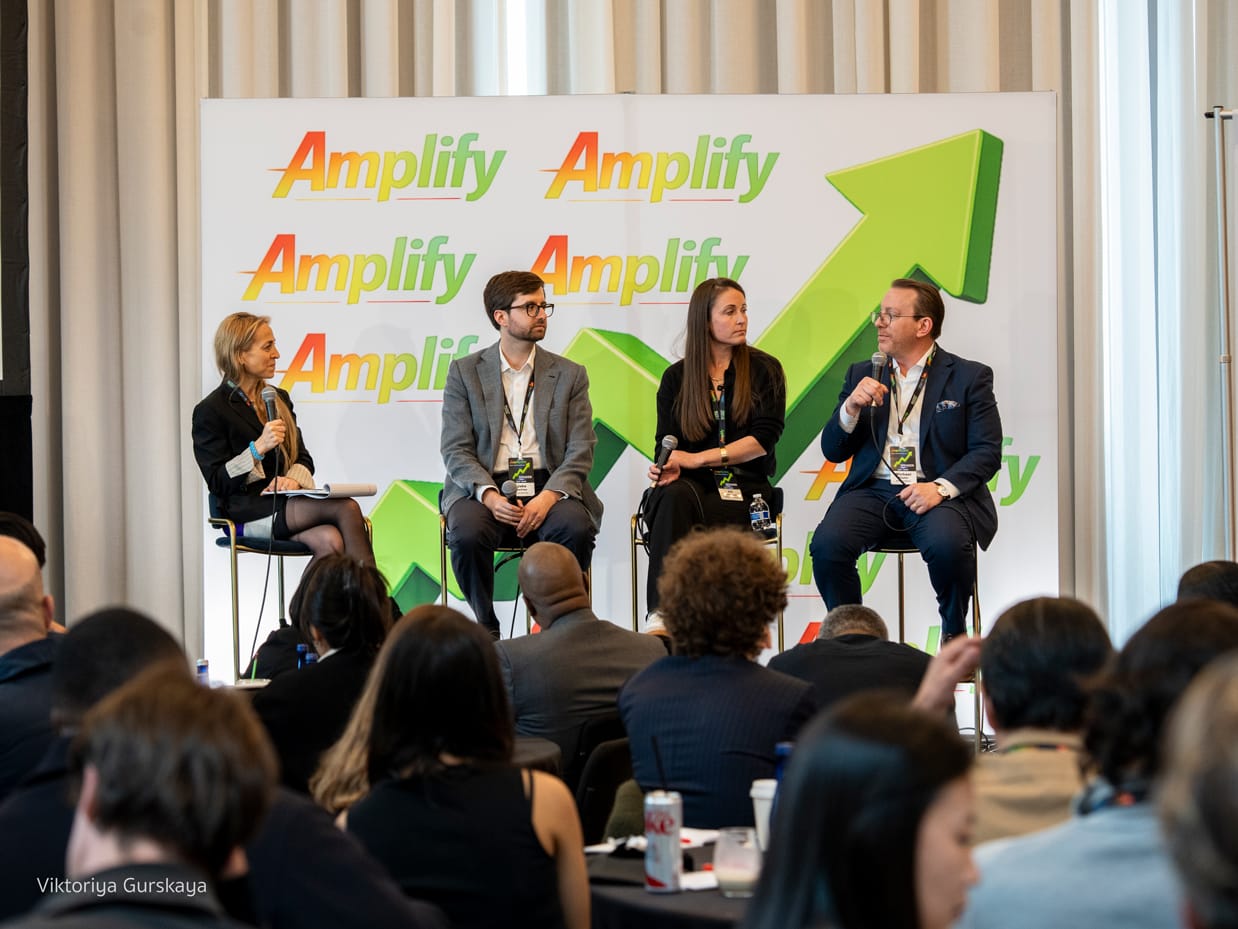
The Pricing the Catalog: How Music Asset Valuation Is Evolving panel brought together valuation advisors, lenders, and transactional attorneys to examine how the frameworks for pricing music assets have shifted since the acquisition activity of the early 2020s. Moderated by Cynthia L. Katz (Partner, Fox Rothschild), a central point of discussion was the role of transaction multiples: while they gained broad currency as market shorthand during the post-pandemic period, Jake DeVries of Citrin Cooperman cautioned against treating them as a point of departure.
Proper valuation, for all the panelists, remains a title-specific, genre-specific, and time-specific discipline. Mainstream pop and rock catalogue continues to represent the dominant share of total value transacted, while the past five to six years have seen meaningful expansion of institutional interest into Latin, Christian, and film and television music, each carrying distinct licensing regimes and international dynamics. The growing relevance of non-English-language catalogues among global acquirers was also noted.
For lenders, Jill Fernelius of California Bank & Trust framed the financing decision around coherence: whether the catalogue’s deployment strategy aligns with a durable equity view, and whether the underlying metadata is clean and exploitable enough to support it.
Michael Poster of Michelman & Robinson credited the consistency of leading valuation firms on discount rates as a stabilizing force through a volatile macroeconomic period, with no large scale credit defaults resulting. On the secondary market, he was direct: successful exits trace back to buyers who did the operational work before pursuing a sale. The panel closed on technology licensing, where broad arrangements with generative audio platforms are generating revenue, but attribution and royalty assignment remain too undefined to model with certainty.
Key Quotes:
“Pop and rock remain the foundation, representing the bulk of total value transacted. But the proliferation of institutional interest in Latin, Christian, and film and television music over the last five to six years has been significant. Each carries its own characteristics, its own licensing regime, and its own international dynamics.” - Jake DeVries
“What we are evaluating on the financing side is whether the story makes sense. Whether the equity portion is aligned with a long-term view, and whether the metadata is clean and actually exploitable. That is how you identify the people who know how to work with what they have.” - Jill Fernelius
“You have to buy smart, and you have to be willing to do the work. The secondary exits that have succeeded all trace back to buyers who cleaned up their streams, handled registration, and optimized the catalogue before looking for a way out.” - Michael Poster
AI and Music: Revolution, Regulation, and the Fight for Rights
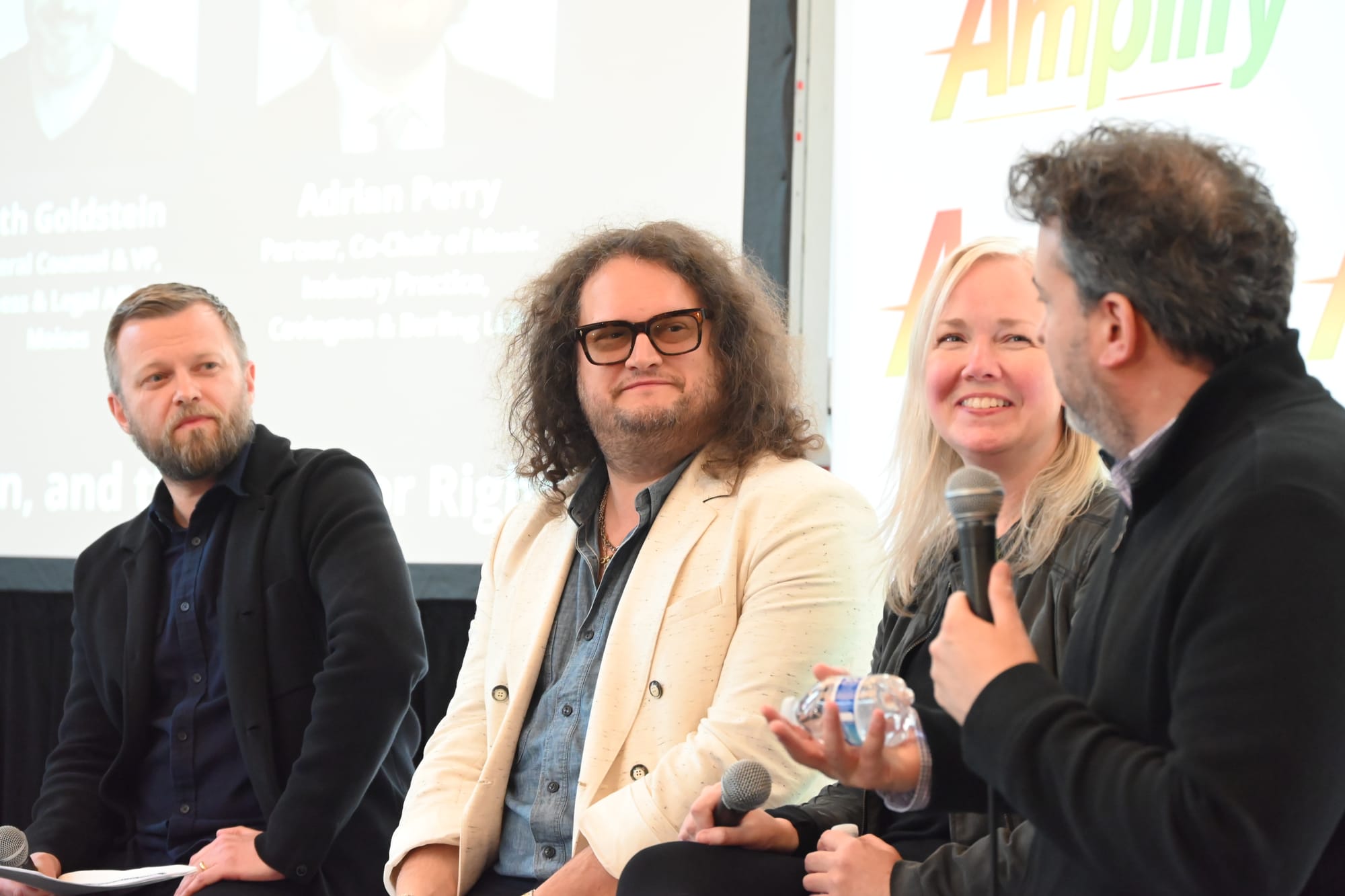
Amplify 2026 concluded with a practical, grounded discussion on how artificial intelligence is moving beyond the hype to become a distinct, investable asset class. Moderated by Michael Pelczynski (Chief Strategy & Impact Officer, Voice-Swap), the panel featured Aileen Crowley (Co-President, Sureel), Seth Goldstein, (General Counsel & VP, Business & Legal Affairs, Moises), and Adrian Perry (Partner, Co-Chair of Music Industry Practice, Covington & Burling LLP). It aimed to clarify where money is actually being made and how rights are being managed in the AI music market.
- Solving Real Inefficiencies: The panel agreed that the most durable AI businesses are those solving entrenched, back-end industry problems rather than just offering consumer facing novelty.
“The durable businesses are the ones that solve problems…if AI is not [the best solution for the problem], don’t launch an AI company just because you want to launch a company.” - Seth Goldstein
- The Strategic Advantage of Licensing: The market is currently bifurcated between licensed and unlicensed platforms. Goldstein detailed how Moises’ commitment to licensing training data provides freedom to operate, reduces litigation exposure, and builds essential trust with major creators and enterprise partners.
- Redefining Catalogue Value via Attribution: AI is shifting catalogue valuation away from raw streaming numbers toward uniqueness and traceability.
“When we look towards the value of catalogue, those pieces that are more unique, more bespoke become more valuable to train an AI model.” - Aileen Crowley
Furthermore, robust attribution technology enables nuanced royalty frameworks, ensuring creators are compensated for their specific contributions to AI-generated works.
- The “Source of Truth” and Security: Asset owners must maintain control over their content and voice models through a verifiable “source of truth.”
By focusing on licensed innovation, precise attribution, and robust security, the industry can harness AI as a powerful value creator rather than a cannibalizing force.