

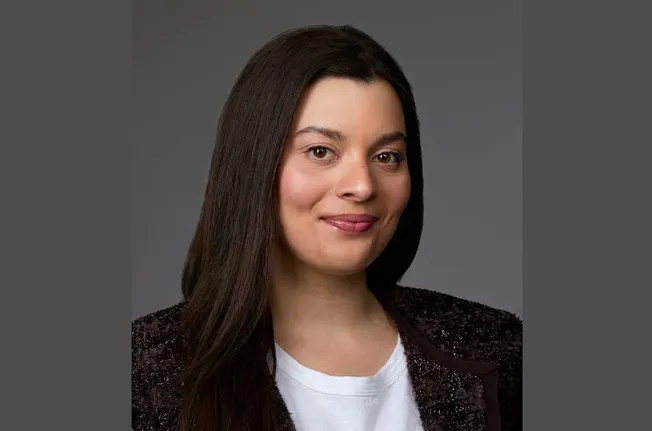
Welcome back to our new interview series, Manager of the Month, in which we spotlight the work of successful pros in the artist management space, and ask them to share (just a few of) their coveted trade secrets... shhh!
Manager of the Month is supported by Bandsintown Pro, the smarter way to promote live concert events.
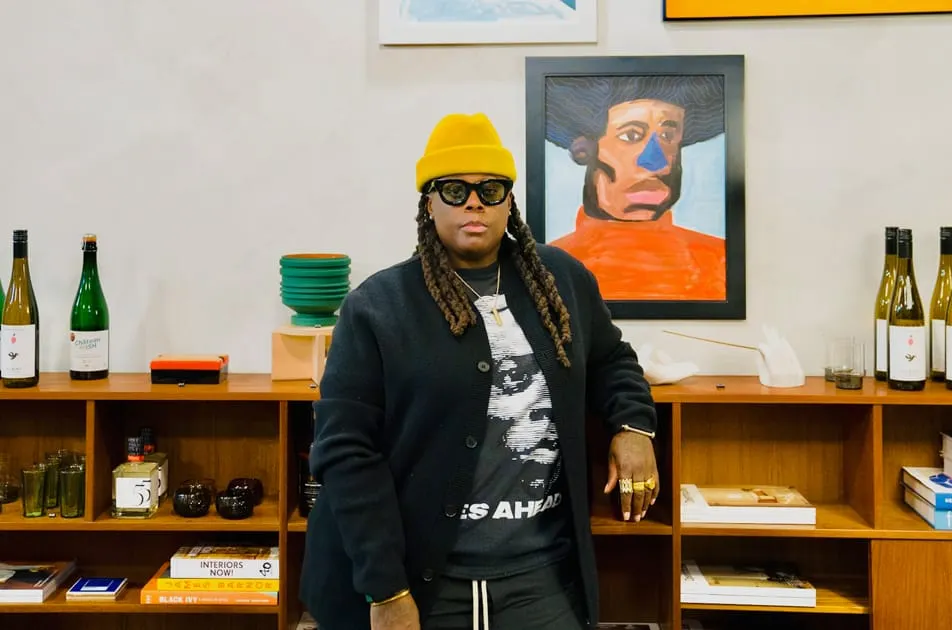
Stephanie Agathis is the founder of Vitalize Projects. As a music manager and digital strategist widely known for her ability to build longstanding artist careers through culture-driven activations and strategic momentum, she was named to the coveted Forbes "30 Under 30" list. Her work incorporates live experiential marketing, broadcast media campaigning, and digital growth planning. She represents Grammy-winning and nominated talent, and her new label Vitalize Records just opened in May 2026.
Here's our conversation. Let's dive in. Enjoy!
Hypebot: Hey Stephanie, thanks so much for taking the time to answer some questions. You just launched your agency and now record label, how has it been so far, the whole starting a business thing?
Steff: "Thank you so much! Launching Vitalize Projects has been an incredibly rewarding experience. Starting a business comes with its share of challenges, but it's also been one of the most fulfilling things I've done professionally. Every day brings new opportunities to learn, grow, and collaborate with talented people."
What excites me most is being able to build something that reflects my vision and values while helping artists and creative projects reach their full potential. It's been a fast-paced journey, but seeing the positive impact we're making makes all the hard work worthwhile. I'm genuinely excited about what's ahead and the opportunities to continue growing the company."
H: You’re also quite young. Experience counts for a lot in this space, but what is it that you feel you bring to the table that’s refreshing and innovative?
S: "I started working in artist management and signing talent when I was 11 years old, so I've been immersed in this industry for the past 12 years. Because of that, I feel I bring a level of experience and perspective that's comparable to many of my peers. What I believe sets me apart is that I combine that hands-on experience with a fresh perspective. I've grown up alongside the rapid evolution of the music industry, social media, and digital marketing, so I naturally understand how today's artists build communities and careers."
At the same time, I value the fundamentals of artist development, long-term strategy, and authentic relationships. I think that balance — respecting traditional industry principles while embracing innovation — is what allows me to bring something unique to the table."
H: How did you land your first client, and how did you land your most recent client? Were those sales efforts different?
S: "My first signing came when I was 11. I discovered an artist through SoundCloud and reached out directly, and that relationship grew into early management work where I was helping with marketing, releases, A&R, and overall career direction. That experience really taught me the fundamentals of building artists in real time — by being hands-on and learning as I went."
Looking back, my approach hasn’t changed much. Whether it was those early relationships or the artists I work with today, it always starts with understanding the artist’s vision and whether there’s genuine alignment in where we want to take the project. I’m less focused on trends or numbers and more focused on long-term creative direction, trust, and building something sustainable together."
My most recent management signing is Natalie Maguire. I first came across her through clips of her singing on Vanderpump Rules, then found more performances on social media. I was immediately drawn to her voice, reached out, and we connected online before starting to work together."
"Going viral can get people to notice you, but it doesn't automatically create a loyal fanbase. The goal today is converting attention into genuine connection. That means giving fans a reason to stay long after they discover a song."
H: Did you grow up around music in your household?
S: "I grew up around music in the way most kids do — there was always music on in the car, but it wasn’t a major focus or something that was really pushed on me. It was more part of the background of everyday life rather than a central part of my upbringing."
My favorite song back then was definitely ‘Party in the U.S.A.’ by Miley Cyrus — I used to listen to it all the time on my computer."
H: You came up in the heyday of TikTok and virality, but now it seems like trends are shifting towards offline, personalized, and more meaningful engagement between artist-fan communities. Social media is still a powerful discovery tool, the question becomes leveraging attention. Would you agree with that assessment?
S: "I definitely agree. Social media is still one of the most powerful discovery tools we have, but discovery alone doesn't build a career. Going viral can get people to notice you, but it doesn't automatically create a loyal fanbase. The goal today is converting attention into genuine connection. That means giving fans a reason to stay long after they discover a song."
Whether that's through live shows, community-building, direct fan engagement, email and text communities, exclusive experiences, or simply telling a consistent story, artists need to create an ecosystem that makes people feel like they're part of the journey. I also think audiences are craving authenticity more than ever. Fans can tell when something is manufactured versus when an artist is genuinely sharing who they are."
So, instead of chasing every trend or trying to force a viral moment, I encourage artists to focus on building a brand and community that's sustainable. Virality is great when it happens, but long-term success comes from creating fans who will show up for every release, buy tickets, support merchandise, and stay invested for years — not just for one trending moment."
H: This is something you’re known for. Can you share a success story in that vein?
S: "A simple example is working with one artist who was very early in their career and another who already had a small, established audience. With the newer artist, the focus was building clarity — what they sound like, how they show up, and getting consistent visibility so people could even understand who they were."
With the artist who already had momentum, the focus was more on tightening the strategy, being more selective with releases, and making sure the existing audience stayed engaged while we expanded outward. Same goal at the core (growth) but the starting point always changes the approach."
"The strategy always starts with understanding the artist's strengths and then building a plan that feels authentic to them rather than trying to force the same formula on everyone."
H: What other ways has artist “management” or development changed since you began your career, and what does the future look like for management to you?
S: "Management has become much more dynamic than when I first started. Years ago, the focus was primarily on securing opportunities and guiding an artist's career path. Today, managers are involved in many more aspects of an artist's development and growth."
Looking ahead, I think the role of management will continue to evolve, but at its core, it's still about helping artists build sustainable careers, make informed decisions, and navigate an industry that's constantly changing."
H: What’s an example of differences between the way you’d approach developing one artist versus another? What are the strategic variables you’re moving around when approaching those differences?
S: "Every artist is different, so there isn't a one-size-fits-all approach. An emerging artist may need more focus on developing their identity, music, and audience, while an established artist may be focused on expanding their reach and creating new opportunities."
I also look at things like genre, location, goals, work ethic, and where they are in their career. The strategy always starts with understanding the artist's strengths and then building a plan that feels authentic to them rather than trying to force the same formula on everyone."
H: What was one unforgettable concert you attended recently?
S: "Blackpink's Deadline Concert at Citi Field in New York."
H: What are some “out of the box” pieces of advice that independent artists can use to amplify their message and content online, and convert new fans?
S: "Focus on building community, not just chasing views. A lot of independent artists think they need a huge budget, but some of the biggest opportunities come from consistency and creativity. Tell your story, show your personality, and make fans feel like they’re part of the journey. One thing I always recommend is creating multiple pieces of content from one song and testing different angles until something connects."
Don’t be afraid to collaborate with other artists and engage directly with your audience. Most importantly, don’t wait for a big moment. Build momentum through small moments every day. Consistency compounds, and that’s how real fanbases are built."
"Focus on building community, not just chasing views. A lot of independent artists think they need a huge budget, but some of the biggest opportunities come from consistency and creativity."
H: Who’s on your karaoke playlist?
S: "Journey's 'Dont Stop Believin'’ and Miley Cyrus' 'Party In The U.S.A.'"
H: What are the best and worst flavors of ice cream?
S: "Best - Mint Chocolate Chip, Chocolate, Vanilla, Coffee."
Worst - Anything Almond flavored or Caramel."
To learn more, visit Vitalize Projects.
Join the leading live event professionals saving time and selling more tickets with Bandsintown Pro.