


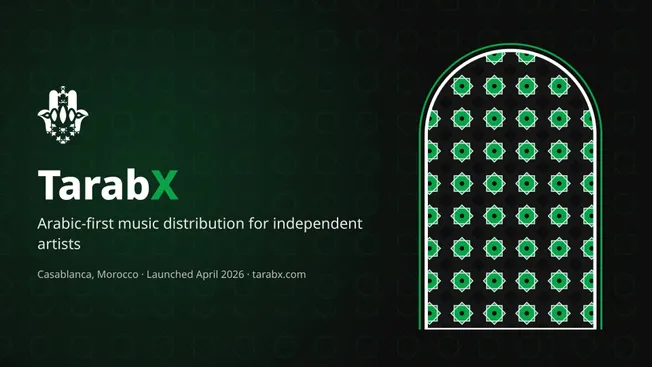
The Arab music market is growing, and a small independent distributor in Casablanca is beginning to find its place in it. Launched in April 2026, TarabX is an Arabic-first digital music distribution platform designed to help independent artists release music globally without navigating systems built primarily for Western markets.
Seven and a half months after launching, the company reports 2,098 registered artists, 168 paying subscribers, and 164 releases already live on streaming services. Monthly streams generated by music distributed through TarabX also grew approximately twentyfold between June and September, according to company figures.
Those numbers remain small compared with established international distributors. But for a young company operating in one of the world's fastest-growing music regions, it reveals how much room exists for more locally focused alternatives.
+Read more: "The Diaspora Is the A&R Department"
A growing market needs its own infrastructure
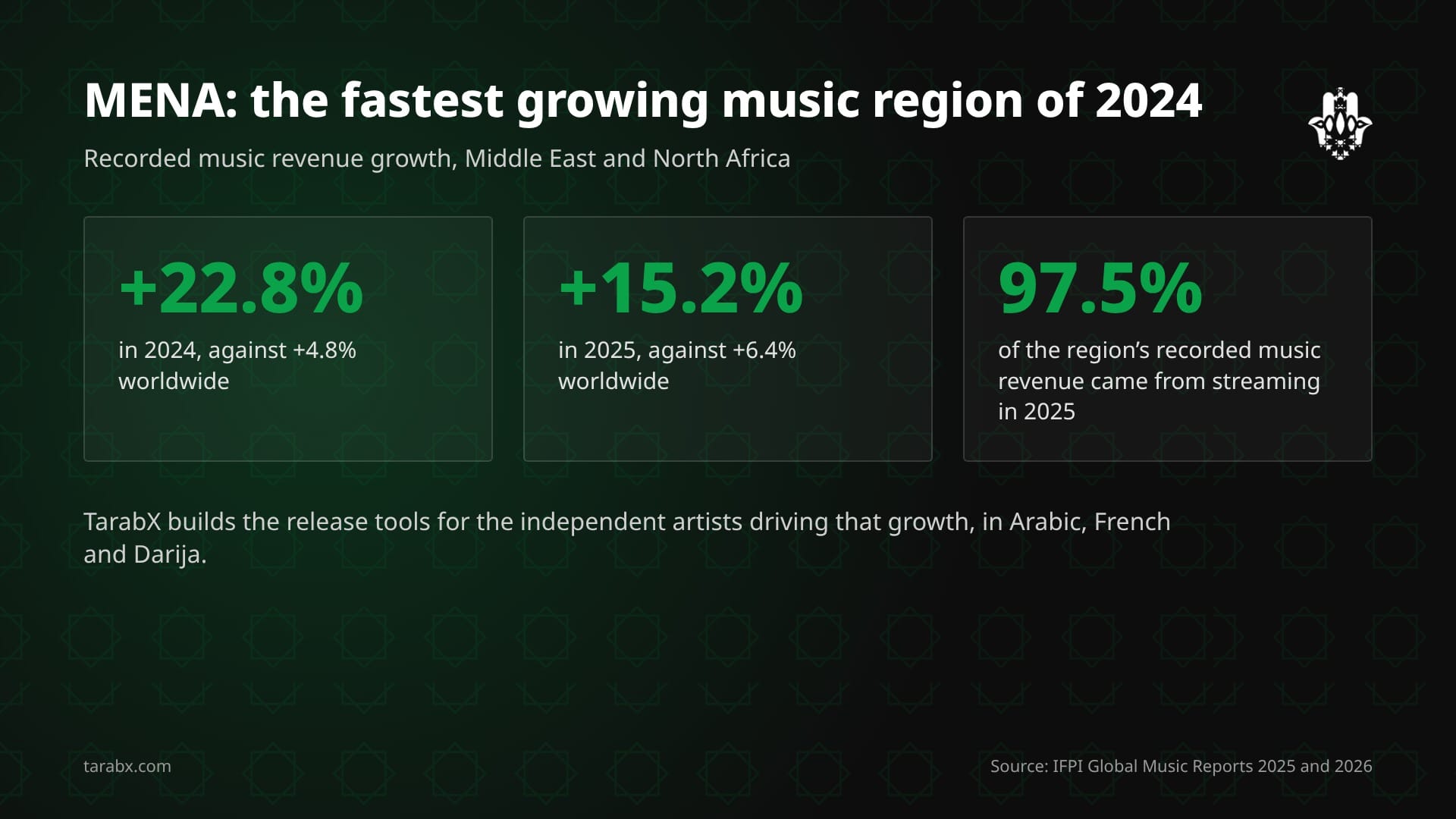
According to IFPI's Global Music Report 2026, recorded music revenues across the Middle East and North Africa grew 15.2% in 2025, following 22.8% growth in 2024. That expansion has attracted international attention, major-label investment, and growing interest in Arabic-language music worldwide.
But while the region's artists increasingly reach global audiences, much of the technology supporting their careers has historically been developed elsewhere. TarabX is attempting to address that imbalance.
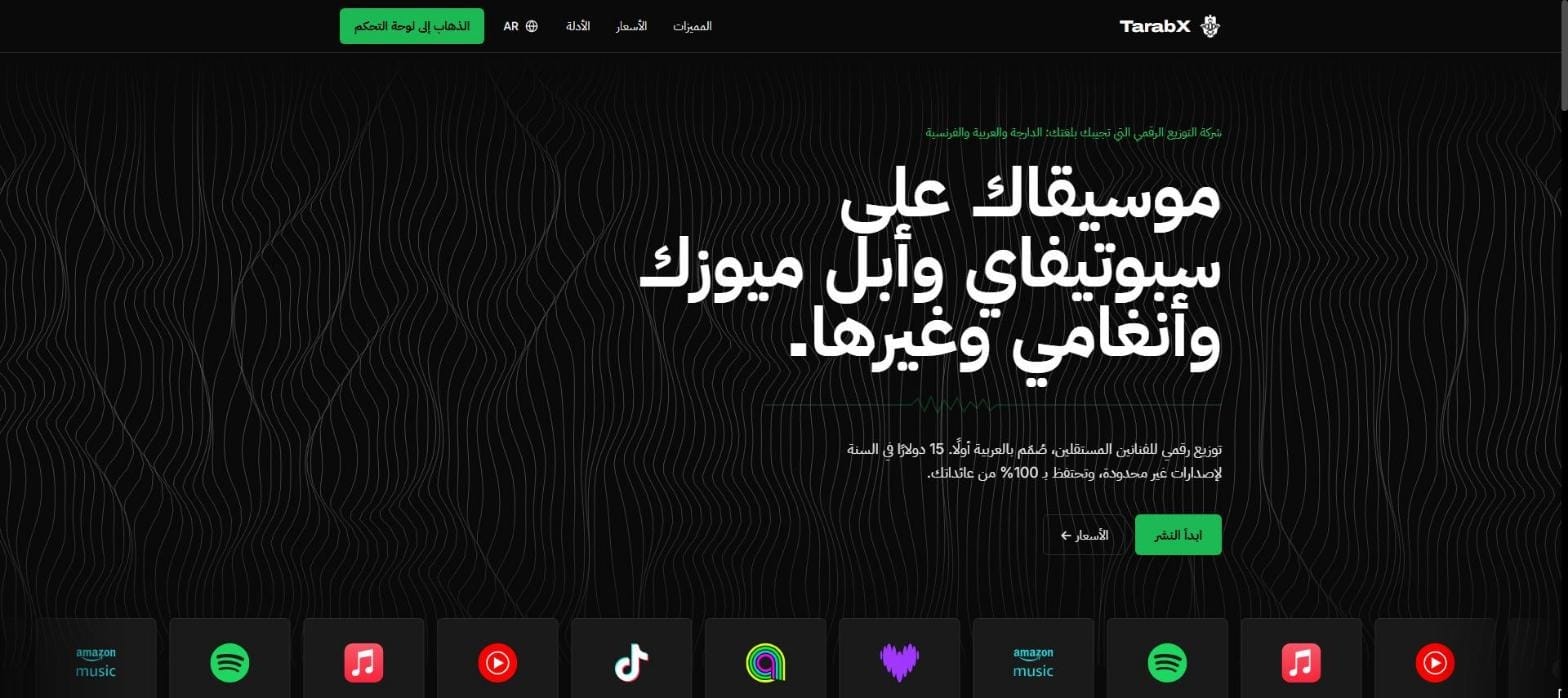
Founded by Moroccan producer and mixing engineer Younes Elachaby, the platform offers music distribution to more than 25 digital stores and streaming services, including Spotify, Apple Music, YouTube Music, and regional platform Anghami.
+Read more: "Osagie Osarenkhoe on How to Build Support Structures in African Music"
A different approach to distribution
What makes TarabX interesting is its emphasis on accessibility for smaller artists. Its multilingual approach, low annual subscription, and inclusion of regional streaming services recognize that independent musicians in Morocco, Egypt, Saudi Arabia, and elsewhere don't necessarily have the same needs or resources as artists in North America or Europe.
There are challenges ahead. Just 168 of TarabX's registered artists currently have paid subscriptions, and the company has yet to demonstrate whether its early momentum can translate into a sustainable business at scale. Still, the platform's gradual growth offers an encouraging example of music technology being developed within the communities it hopes to serve.
The next generation of music distributors may not need to compete with the biggest international platforms on size alone. They may find their advantage by understanding the artists those platforms have historically underserved.
TarabX is still young. But its early progress suggests that, in a growing Arab music economy, there is an appetite for distribution that feels a little closer to home.