

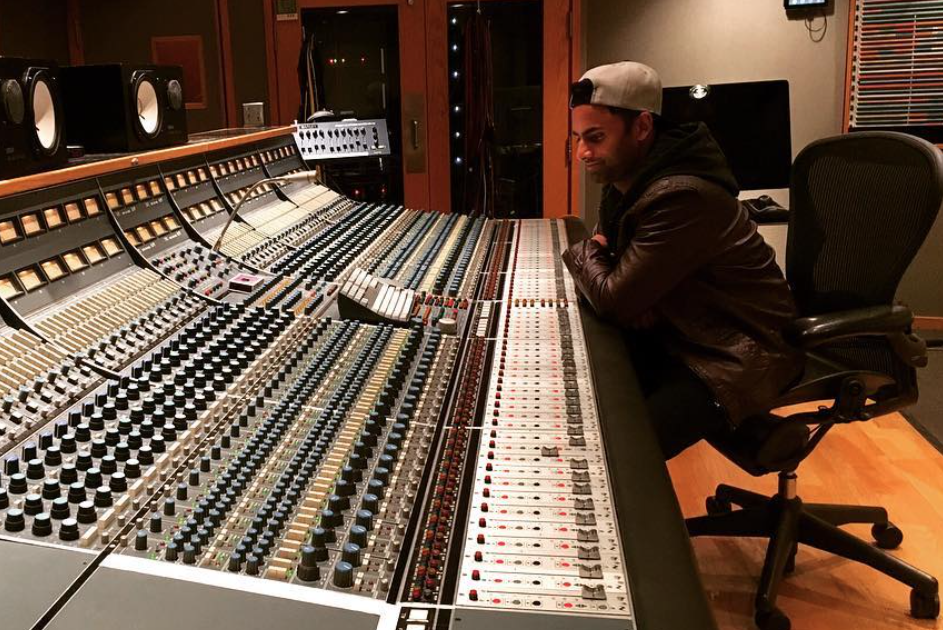
By Tushar Apte, Founder of SoundDeal
The day I signed my first major publishing deal, an older producer friend of mine told me something I'd never forget.
He said: "The two best days of a songwriter's life are the day they sign their first publishing deal, and the day they get out of it."
It's not that all deals are bad, but in the very warranted anticipation of getting in the game, many writers fail to truly understand what they're actually getting into, even with good legal representation.
Over a decade later, after a lot of lawyer meetings and several hundred contracts into my own career, including helping others, I spend a real chunk of my time explaining to songwriters the same clauses that befuddled me that day. Most are still called "standard." The word "standard" in a publishing contract means upholding standards for the publisher, not standards for you.
Here are the five clauses I see songwriters missing, and misunderstanding. most often; and what they actually cost.
1. How Your Deal Actually Ends
The old-school "Minimum Delivery Commitment" (deliver X songs per period, miss the count and the option doesn't trigger) barely exists in modern publishing deals. Most now run on two levers instead: time and recoupment status.
Here's what that means in practice. Your initial contract period is usually 12 to 24 months. The publisher holds the option to extend, and those extensions are often tied to whether you've recouped. Unrecouped? The option triggers. Still unrecouped after the next period? It triggers again. Some deals just extend automatically until you recoup, meaning you're exclusive until the publisher's books say you're even.
That's a structural trap, not an accident. If the advance was sized too aggressively for your actual pipeline, you can end up exclusive for years past what you thought you signed.
Fight for a hard sunset on the total term regardless of recoupment — five to seven years maximum. Push for option advances that step up each period, so extending you costs the publisher real money. And make sure recoupment is calculated after admin fees come out, not before.
2. Controlled Composition Rates
This one applies if you're also recording, which more songwriters are doing themselves every year.
Buried in most record deals is a clause that says when you write a song on your own album, the label pays you 75% of the statutory mechanical rate instead of 100%. It's called the controlled composition rate. It's been default since the CD era and it still quietly costs songwriters five figures an album cycle.
Fight for 100%. If you can't get 100%, fight for the rate to float with the prevailing statutory rate rather than a fixed number from the year you signed. The statutory rate keeps climbing. Old contracts keep paying at the old number.
+Read more: "The Unsung: Why Songwriters Still Live in the Shadows of Streaming"
3. Cross-Collateralization Across Option Periods
Your advance is a loan against future royalties. You knew that. What most songwriters don't catch is that cross-collateralization usually pulls forward across option periods, so if you don't recoup on your first advance, your second advance gets added to the unrecouped balance instead of starting fresh.
This is how songwriters end up seven years in, with a genuine hit on their catalog, and still unrecouped. The hit recouped, but it recouped against three rounds of advances, admin fees, and (very) occasionally — more in the case of recording contracts — creative costs piled on top of it.
Ask for each option period to account separately. They'll resist. Even a partial concession (say, only half of the unrecouped balance rolls forward) is worth the push.
4. Sync Approval and Sync Splits
Sync is where a lot of the real money lives for the modern songwriter, especially as your catalog ages into prestige film and TV territory. Most publishing deals give the publisher sole approval over sync. Many are silent on whether you get a say in placements you'd personally object to.
Ask for consultation rights at minimum: the publisher has to run sync requests by you within a defined window. Push for approval rights over anything involving alcohol, firearms, political campaigns, adult content, and major brand partnerships. Publishers grant this more often than songwriters know to ask.
And check the sync split. The default in a lot of deals is 50/50 writer/publisher on the sync fee. Push for 75/25, especially if you're bringing your own sync relationships. Performance royalties are separate and stay yours.
5. The Post-Term Collection Period
Your deal ends. You're free. You sign somewhere new, or you go independent. But the old publisher keeps collecting on everything you wrote during the term, and for how long is buried in the contract.
What?!?
A lot of deals give the old publisher a collection period that runs anywhere from three years to life of copyright. Royalties on your term-era songs keep flowing to them, not your new setup, sometimes forever. Reversion, when it exists, sends songs back after 7-10 years. Most songwriters don't know what to ask for either.
If full reversion isn't on the table, cap the collection tail at three years post-term. It's one of the biggest single levers on your long-term catalog value, and it's routinely given away because nobody raised it.
Final Thoughts
None of this is legal advice.
Every deal is specific to itself, and a good entertainment attorney is worth every dollar — usually a fraction of what a single bad clause costs over the life of your catalog. But you need to know what to ask them about, and which fights to actually have.
That's why I built SoundDeal — to put this kind of clause-level pattern recognition in front of writers before they sign, instead of years after. SoundDeal is build to analyze your contract to identify red flags, help you understand the terms, and negotiate with confidence.
The deals won't change unless we do.

Tushar Apte is a multi-platinum songwriter, producer and composer signed to Warner Chappell Music, with credits including BTS, Blackpink, Demi Lovato, and Benson Boone. He's the founder of SoundDeal, an AI-powered contract analysis platform that helps songwriters, producers, and managers spot red flags in publishing, producer, and recording agreements before they sign. Follow him on instagram @springloaded