

By Stephen Sawyerr, Head of Publishing at Giant Artist
Publishing is the incubator for song makers.
Where institutions like Motown, Interscope, and Syco once placed the emphasis on writing at their apex, it seems the only people left in the music industry who genuinely care about the craft of music-making, by default, are publishers.
For record labels, the goal is sell records. For publishers, the goal is to find melody and harmony, in order to match and soundtrack moments.
Emerging artists today are being programmed to number-watch. Spotify streams, social media metrics, follower counts, an agenda catalyzed by a new generation of label A&Rs who now expect artists to arrive with a fan base already built. The result is artists focused on style over substance, on image over musicianship, while the craft of songwriting and composition gets left behind.
And throughout all of this, there has been virtually no education around publishing; the actual foundation of all musicianship. It's been painted as an ancient methodology, an afterthought.
There's clearly a gap between music managers, artists, and publishers in going out and explaining why it matters. And it does matter.
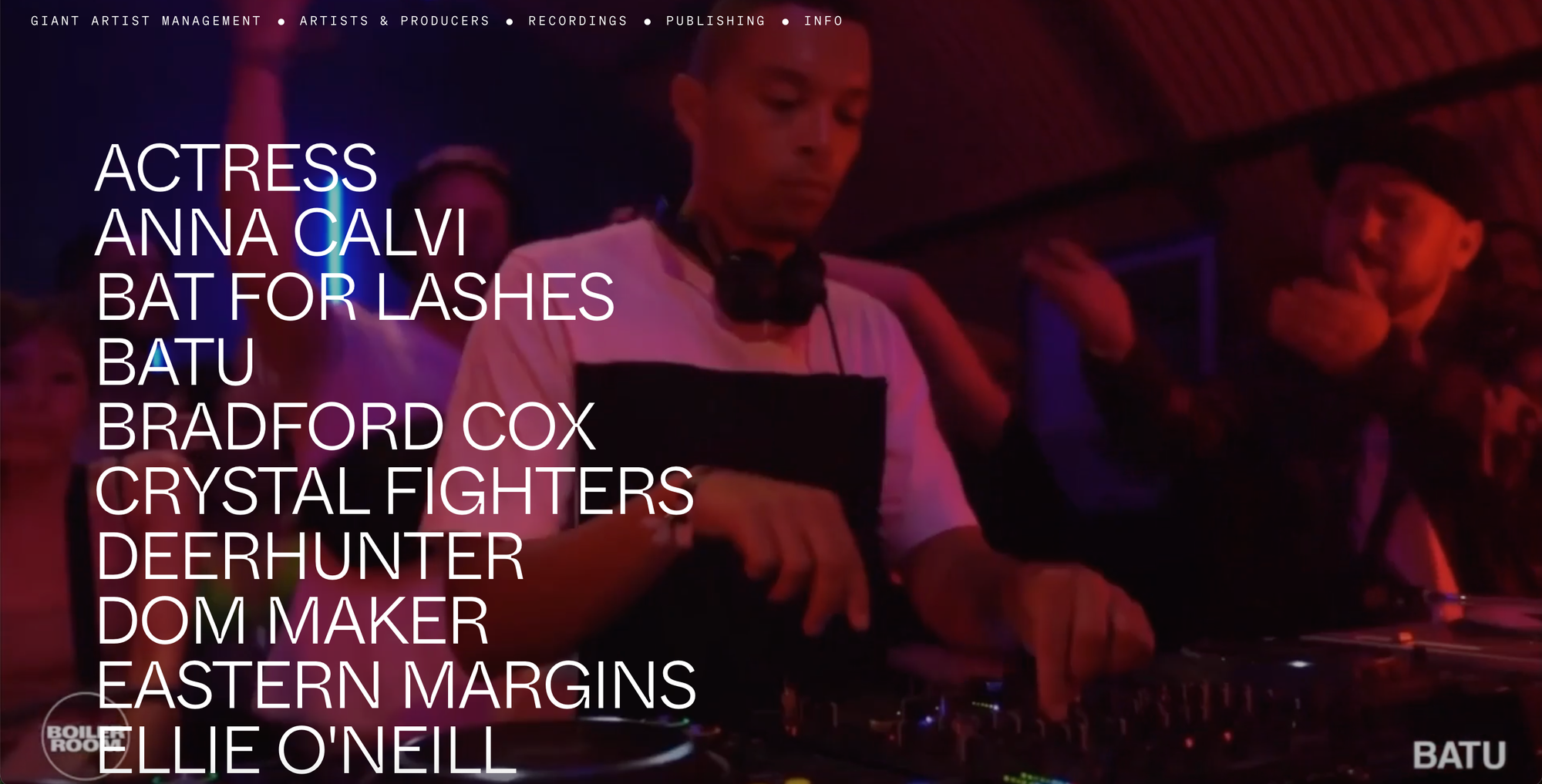
I've spent my career across publishing, management, and labels. I now find myself back at the helm of a publishing division at Giant Artist; a management firm that has spent 15 years working with left-field pop, avant-garde artists and producers carving unorthodox lanes like Bat For Lashes, Lauren Duffus, Ichiko Aoba, Mount Kimbie, Actress, and more.
Artists who build careers on craft.
+Read more: "Why Indie Video Game Sync Is More Accessible Than Film and TV in 2026"
Publishing is most commonly confused with full ownership of an artist's music. The reality is more nuanced and more favourable than most artists realize.
A co-publishing deal typically gives a publisher a 50% share of the underlying IP for a defined term of a few years, not a full loss of ownership in perpetuity. In a modern deal brokered today, those rights should revert. And for artists invested in sustainable career success, this can end up being lucrative for them in the longterm with how catalog acquisitions are being bought and sold these days.
This is a meaningfully different proposition from a recording deal, where full ownership is more often than not taken outright. It's also something many artists underestimate when they're laser-focused on record or distribution deals; and are drawn in by advances being waved at them. A lot of the time, it's tough to turn those down as a first musician making music from your bedroom or with friends.
A new generation of publishing executives needs to move with more transparency, about deal terms, recoupment, ownership structures, and what participation in underlying IP actually means over a career. That education falls on us.
Managers should be considering publishing deals before record deals, not after. The current order is normalized around chasing labels and distribution, but it doesn't have to be. The foundation was always the song.
I tell artists all the time: focus on the writing. Whether that's a chorus, a texture, a motif, a sound world, the commitment to composition is what separates artists with longevity from ones chasing moments.
Stevie Wonder, Frank Ocean, Missy Elliott, Arca; different disciplines, same obsession with craft. The reason we remember these names generation after generation is the same reason we still remember nursery rhymes decades later we learned them.
It all starts with intention around story and sound. Everything else follows.
+Read more: "How Money Actually Flows Through the Music Industry in 2026"
Stephen Sawyerr is Head of Publishing and leads special projects at Giant Artist, a joint venture with Concord. Working across A&R and publishing, he collaborates with artists including Ichiko Aoba, Lauren Duffus, Mount Kimbie, Dom Maker & PC Music with a focus on developing writers and creating unorthodox pathways across music, film, fashion and art.