

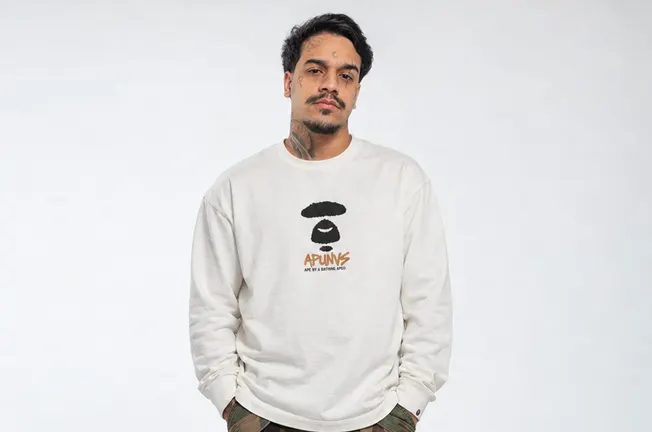
By DJ Guilherme
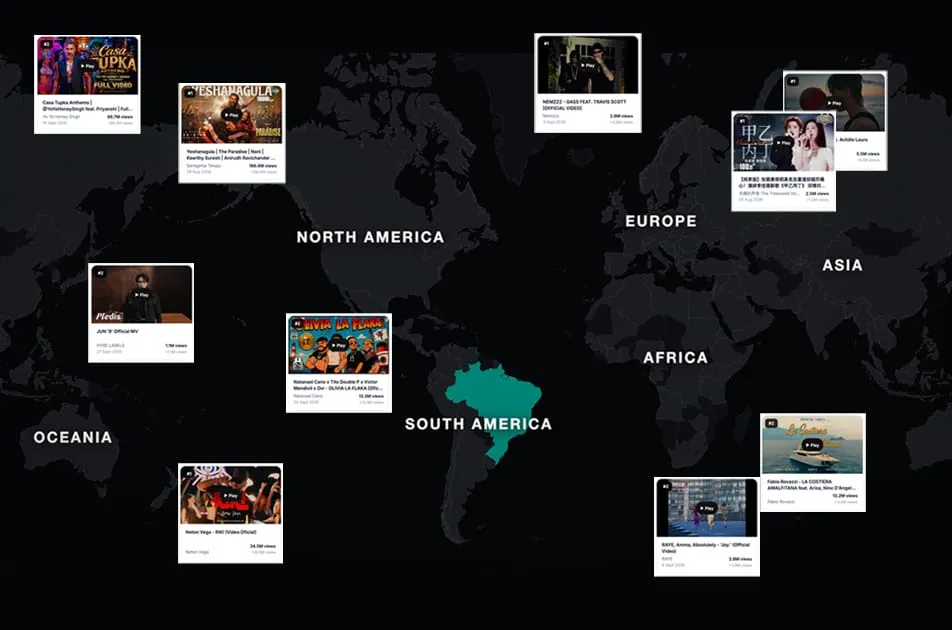
The first sign came from a video in Turkey. Someone was using my music thousands of kilometres from São Paulo, where I had made it. Then I started noticing changes in my statistics and receiving Apple Music for Artists notifications about chart activity in Kazakhstan and Uzbekistan.
I began checking the charts and videos every day.
I had not planned a campaign in those countries. I did not have a local label partner or a team working those markets. Before I could think about reaching those listeners, they were already listening.
For an independent producer who also runs a record label, that experience raised a question: what do you do when your audience arrives somewhere before you do?
A Recording Can Outlive Its Release Plan
I started working in São Paulo’s funk scene around 2011. Much of my education happened at community events and alongside MCs, learning how a beat works when someone performs over it and how an audience reacts. Later, I began bringing together the heavy kicks of funk automotivo and the electronic music I was hearing at parties. Those experiments helped shape Beat UnderCover, which I developed in late 2018 and released in January 2019.
“Só Socadinha (Beat UnderCover),” recorded with MC Vuk, MC Morena and MC Cyclope, came from that period.
Years later, the original track and related slowed versions began finding listeners in places I had never considered part of my release strategy.
“Só Socadinha” reached No. 14 on Spotify’s Viral Songs chart in Kazakhstan on June 4, 2025. A related recording, “BEAT UnderCover (Slowed Reverb),” also reached No. 1 on Shazam’s Viral chart in Uzbekistan. In April 2026, “Só Socadinha” reached No. 3 on Soundcharts’ TikTok Popular chart in Turkey.
These were different recordings, platforms and chart categories. They were signals of discovery, rather than a complete picture of an established audience. Still, together with the videos I was seeing, they showed that something was happening well beyond the recording’s original release window.
Running Clima Funk, the independent label I founded in 2021, means thinking constantly about the next release. This experience made me pay closer attention to what was already in the catalogue.
+Read more: "What GTA 6 Understands About Music That Your Label Doesn't"
Listeners Gave the Music A New Context
Watching the videos was as useful as watching the charts. Across the activity I followed, I saw car edits, sound systems, nightlife and football clips. People were putting the music into their own interests and routines. A recording made within São Paulo’s funk scene was becoming part of someone else’s visual language.
The slowed versions added another layer. Changing the tempo could give the beat a different weight and atmosphere, helping it work in settings I had never imagined while producing it. As a producer, I am used to making decisions about a recording. Watching listeners change its speed and place it in unfamiliar contexts reminded me how many decisions happen after it leaves my studio.
I have wondered whether circulation in Turkey helped the music reach Central Asia. But I do not know the exact route. A video, a chart position and a rise in listening can provide clues without establishing which event caused the next. It would be easy to turn the experience into a neat story about an algorithm. What I can actually document is that people in several countries were discovering and using the music without a campaign aimed at them.
Finding Attention Is Just the First Step
My first response was curiosity. I knew very little about Kazakhstan or Uzbekistan as music markets. I started researching the region, watching documentaries and looking more closely at the creators using the tracks.
I also posted a TikTok with a caption in Kazakh. These were small steps, but they reflected a change in how I thought about international work. I now had evidence of interest somewhere, and a reason to learn about the people behind it.
For an independent artist, that creates both an opportunity and a challenge. A chart notification tells you that something deserves attention. It does not tell you who to contact, how to communicate or whether those listeners will follow your next release.
I am still working through those questions. I would like to connect with creators, collaborate with musicians from the region and eventually perform there. Those ambitions depend on building relationships, understanding the local context, and finding people who want to participate.
What I Would Advise an Independent Artist
Start by looking closely at what people are doing with your music.
- Which recording are they using?
- Is it the original, a slowed version or another adaptation?
- Are the same interests appearing across different videos?
- Is the activity continuing, or was it a brief spike?
Keeping track of dates, links and screenshots helped me explain what I was seeing. It also helped me distinguish between results I could verify and ideas I was still investigating.
I would also leave room for the possibility that the audience hears something different in the recording. The qualities that connect with a football editor or a car enthusiast abroad may be different from the ones you emphasized when releasing it.
For me, the most useful lesson has been to keep listening after release day. A track can remain available for years while its surroundings change: new creators discover it, different versions circulate and listeners find uses that were never part of the plan.
I cannot turn what happened with Beat UnderCover into a guaranteed strategy. I can give that unexpected attention the time and curiosity it deserves. I made the recording in São Paulo. Years later, people far away gave me new reasons to pay attention to it.
+Read more: "A 2026 Live Music Venue Guide to São Paulo"
DJ Guilherme is a Brazilian DJ and music producer from São Paulo, active since 2011, and the founder of independent label Clima Funk. His work explores Brazilian Funk, Rave Funk, and Beat Automotivo.