

By Nick Ditri of Global Gaming League
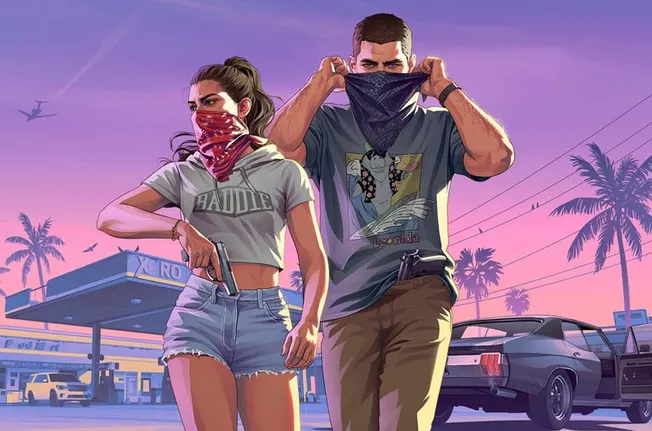
After I watched the GTA VI Extended Look ten times, I just walked away with it running in the background. After-all, I’m an audio guy at heart.
The twenty-six-minute extended look contains at least fourteen identifiable licensed songs and ends with Elderbrook and Bob Moses’ “Inner Light.” For the final shot of what is probably the most anticipated video game footage release in a decade, this track slaps.
As someone who produces dance records for a living, I’m biased, but “Inner Light” has been stuck in my head all week.
The number every gaming site circled was Captain & Tennille’s “But I Think It’s a Dream” jumping 130,730% on Spotify. Great headline but it’s almost meaningless.
The track had roughly 194,000 lifetime Spotify streams at the time of its report per MusicAlly. With a base that small, a few thousand curious listeners creates a moon-shot percentage.
We’ve seen this movie before with GTA. The percentage gets reported because the percentage is big. What it really measures is how forgotten the song was until Rockstar Games made people discover it.
+Read more: "To Build a Musical World, You've Got to Break Some Branding Rules"
The number I’m interested in got maybe one line of coverage, if that…
Depeche Mode’s “People Are People” streams increased 190%. Playlist additions were up 700%.
The playlist ratio is the one to watch. Playing a song once and moving on is one thing. A playlist add is someone deciding, “I want this again.” They did the small amount of work required to make that happen. The song was acquired by the listener and they now “own” it in their personal library.
“Inner Light” showed the same signal. Spotify data via EDM.com had global streams up 1,070% while playlist adds climbed 4,155%. That’s the difference between a marketing result and a catalog result, and it’s what I’d be waving the flag about.
None of this is new… THAT’S THE POINT.
Vice City came out in 2002 with radio stations, hosts, ad breaks, station IDs and an actual editorial position about what 1986 sounded like. Flash FM was an argument, delivered by a fictional DJ, inside a place you spent sixty hours driving around.
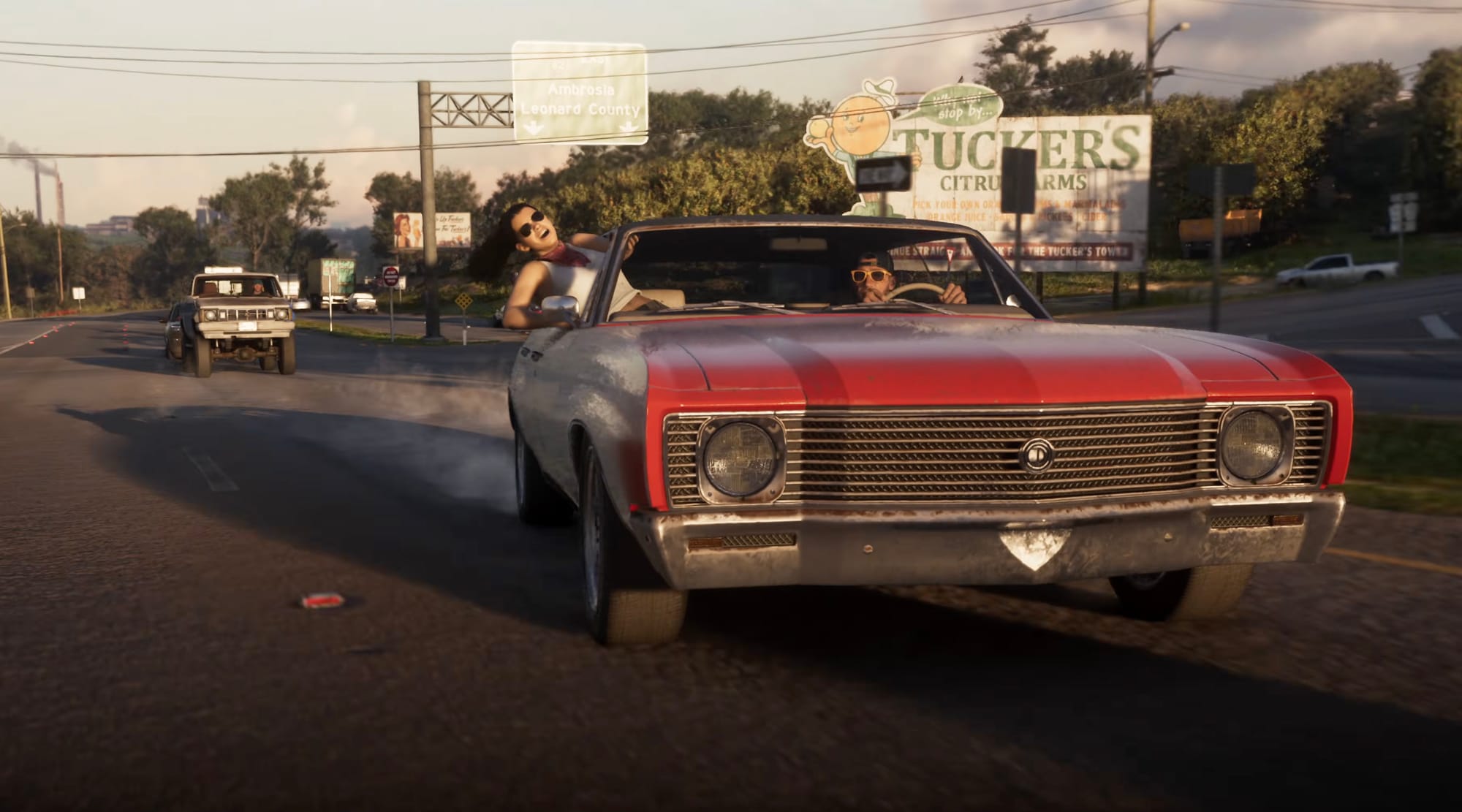
San Andreas shipped with 150-plus songs and GTA V had more than 200 across roughly fifteen stations. That isn’t a soundtrack so much as a functioning radio market. I still can’t hear certain records without being fifteen and in a car that isn’t real.
A song attached to a place behaves differently in your head than a song a recommendation engine hands you at 2pm on a Tuesday. You don’t experience it as being sold to you. It becomes part of the furniture of somewhere you liked being and I can still smell the meatballs my mom was cooking that day.
A trailer buys a song thirty seconds in front of an enormous audience, once. A radio station inside a game people will play for years buys unlimited plays in a context where the listener chose the station. Nobody in music gets that deal from playlisting, syncs or even TikTok.
+Read more: "Yes, Human Curation Still Matters for Real Fans."
What everyone’s about to get wrong
A lot of people are going to write that GTA VI is the new promotional playbook and labels should pitch game placements the way they pitch radio. There’s a bigger play. The mechanism here is scarcity, and scarcity is the one thing our industry is structurally incapable of doing.
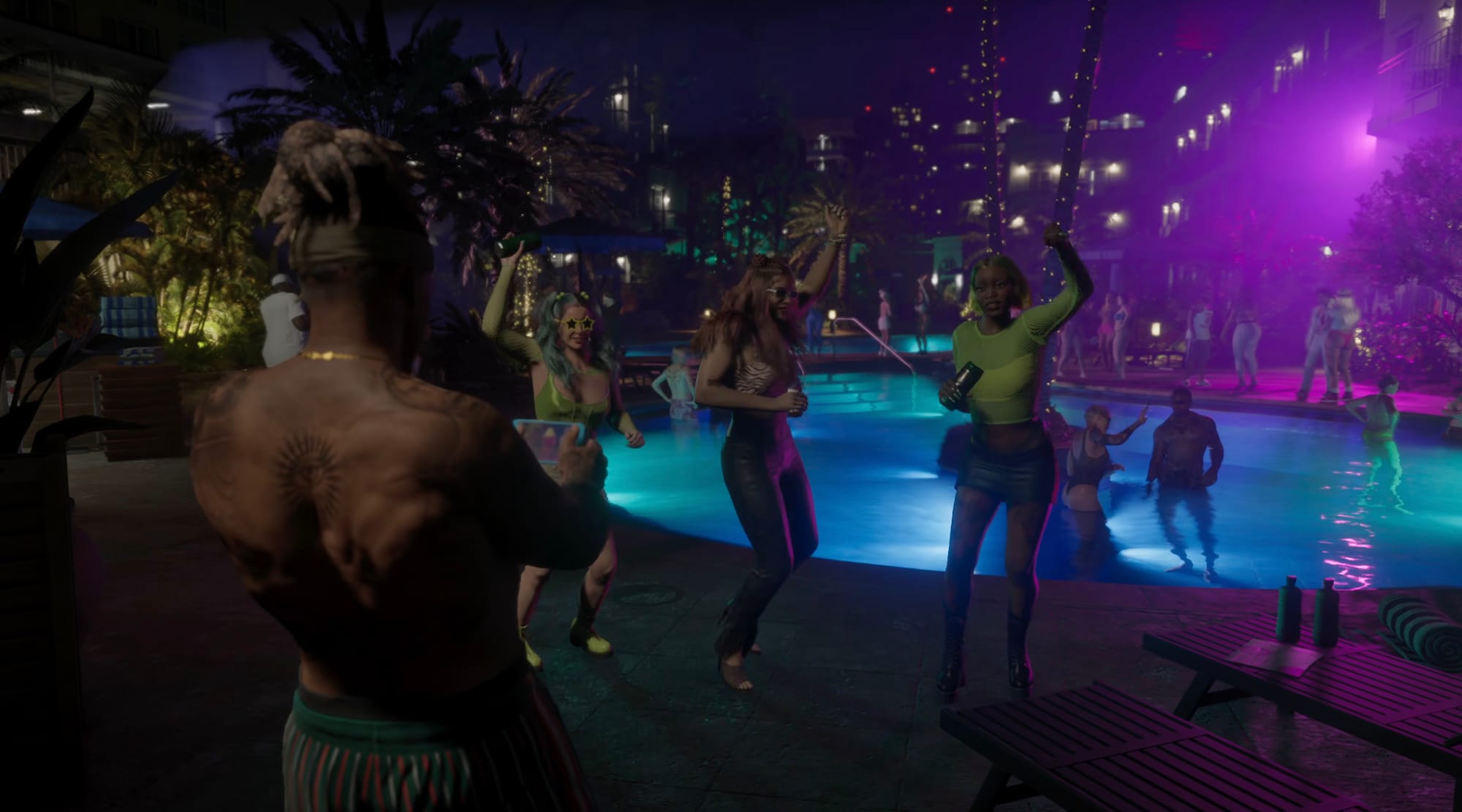
Three major video reveals across three calendar years. Minimal advance word on the music. No artist promo cycle. No “As Heard In GTA 6” playlist at midnight. Fans identified the tracks themselves and then did the promotion for free, with enormous enthusiasm.
Now imagine a major running the identical asset. The placement gets announced in advance. The artist posts the clip, tagged. Every move converts discovery into advertising, and that conversion is exactly what kills the thing you were trying to capture. The audience can smell it instantly. As an artist, I’m guilty of running this play too. It doesn’t make people care about the art and it feels more like a local-TV commercial.
Rockstar isn’t running a music marketing campaign. They’re building a world. The music is load-bearing inside it, and the promotional effect happens because they aren’t treating it like promotion.
Placement inside something people re-enter beats placement inside something people scroll past.
A feed is consumed once and gone. A world, a game, a show people rewatch, live activations, gaming tournaments, and any ecosystem where someone spends real hours keeps paying out is where it’s at. It builds the association that turns a listener into a fan instead of a stream.
If an artist spends time in our Global Gaming League Discord, gives gamers music to use on their streams, and consistently participates in events and conversations, who do you think is top of mind when one of those gamers is involved with a major event that needs a halftime performer?
Presence creates attention. Attention creates momentum.
The most valuable asset in that trailer was that nobody knew what was in it. I’ve been saying to artists for a while that the element of surprise is grossly underrated. Keep fans guessing and catch them when they least expect it. That move is what creates chatter.
Rockstar JUST started showing its hand but not all 5 fingers. Grand Theft Auto VI: The Album will feature 34 original tracks, and six have already been rolled out: Yung Lean featuring Future and Metro Boomin’ with “That’s It,” Travis Scott with “RHYNO,” CA7RIEL & Paco Amoroso, PinkPantheress, Fred again.. and Etienne de Crécy with “Sexy Magic,” Morgan Wallen with “Last Thing You Need,” Rauw Alejandro with “Macacoa 2000,” and Keith Richards with “Bright Lights, Big City.”
That’s part of the album, not the entire thing, and we still don’t have the full radio station lists or know what catalog records Rockstar has buried inside the actual world.
You can bank on the notion that some producer’s dormant catalog track is going to get found by fifty million people who are all convinced they found it themselves.
+Read more: "Why Indie Video Game Sync Is More Accessible Than Film and TV in 2026"
Nick Ditri is the VP of Business Development at Global Gaming League.