

By J Villa of W.D.O.P.E. Dopetrackz Radio
Commercial FM radio remains powerful, but it's no longer the primary discovery engine for many independent hip-hop artists. As online listening keeps growing, internet radio is becoming another path to global audiences that would have been nearly impossible to reach a decade ago.
Consider an unsigned rapper in eastern Oregon or rural Indiana. A spin on commercial FM can feel like a long shot. The audience for independent hip-hop hasn't gone anywhere, though. It has spread across more places to listen.
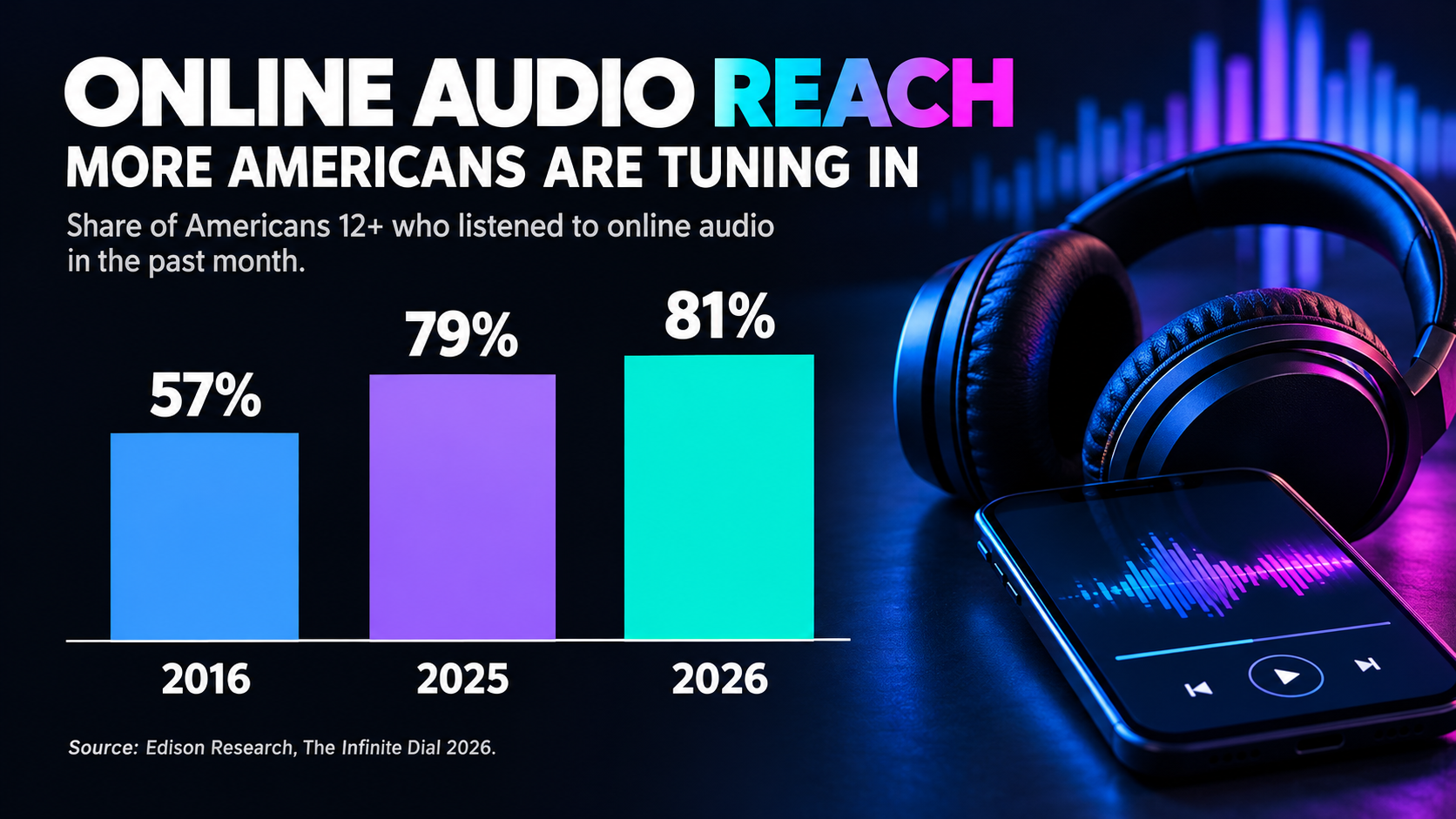
Online audio is now routine. Edison Research's Infinite Dial 2026 found that 81% of Americans 12+ listened to online audio in the past month, up from 79% in 2025 and 57% in 2016. Edison's definition includes AM/FM stations streaming online, so that number isn't all independent radio. But inside that shift, small 24/7 internet stations are programming for communities instead of ratings books.
So where does that actually lead for working artists?
FM Is Still Big. It's Just Not the Only Open Door.
FM remains the default in many cars, and a major-market spin can't be replicated by a digital stream. But a commercial station's rotation is built around what fits its ratings, which tends to favor proven records. For an artist with no label behind them, that's a steep climb.
Internet radio doesn't replace that door. It adds others, and they're often more specialized.
Where Listeners Are Finding New Hip-Hop
An always-on stream costs far less to run than a transmitter, and it isn't limited by a local signal. That changes the economics of niche formats. A station can focus on underground hip-hop and still reach listeners in other countries, through apps, smart speakers and connected TVs.
The demand is there. Luminate's 2026 Midyear Report found that R&B/hip-hop still accounts for roughly 1 in every 4 U.S. audio streams, even as growth genres like Dance/Electronic compete for share. Global on-demand audio streams grew 9.8% in the first half of 2026, to 2.8 trillion.
The artist economy is shifting too.
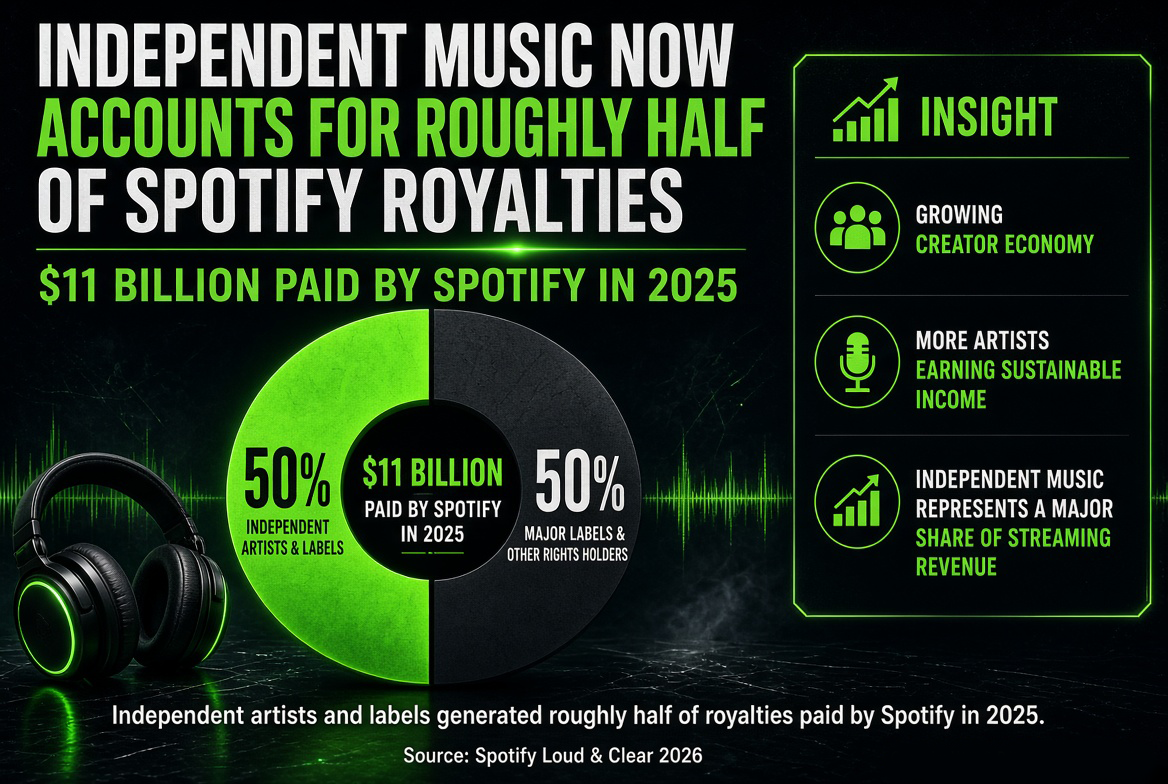
Spotify's Loud & Clear 2026 report found that independent artists and labels generated roughly half of the $11 billion in royalties Spotify paid in 2025, as Hypebot reported. The 100,000th-ranked artist earned more than $7,300 from Spotify alone in 2025, versus $350 in 2015. The independent path is a real career route, and the channels that serve it matter.
A Case Study in Independent Internet Radio
This isn't one station's story. Independent internet stations, online DJ collectives and niche digital broadcasters are serving genre-specific communities in much the same way, across hip-hop and well beyond it.
W.D.O.P.E. Dopetrackz Radio is one working example of the model. It's an independent 24/7 station focused on underground hip-hop, rap and R&B. The stream runs across more than 30 apps and connected platforms, including iHeartRadio, TuneIn, smart speakers and a Roku channel, with an emphasis on emerging artists over major-label playlists.
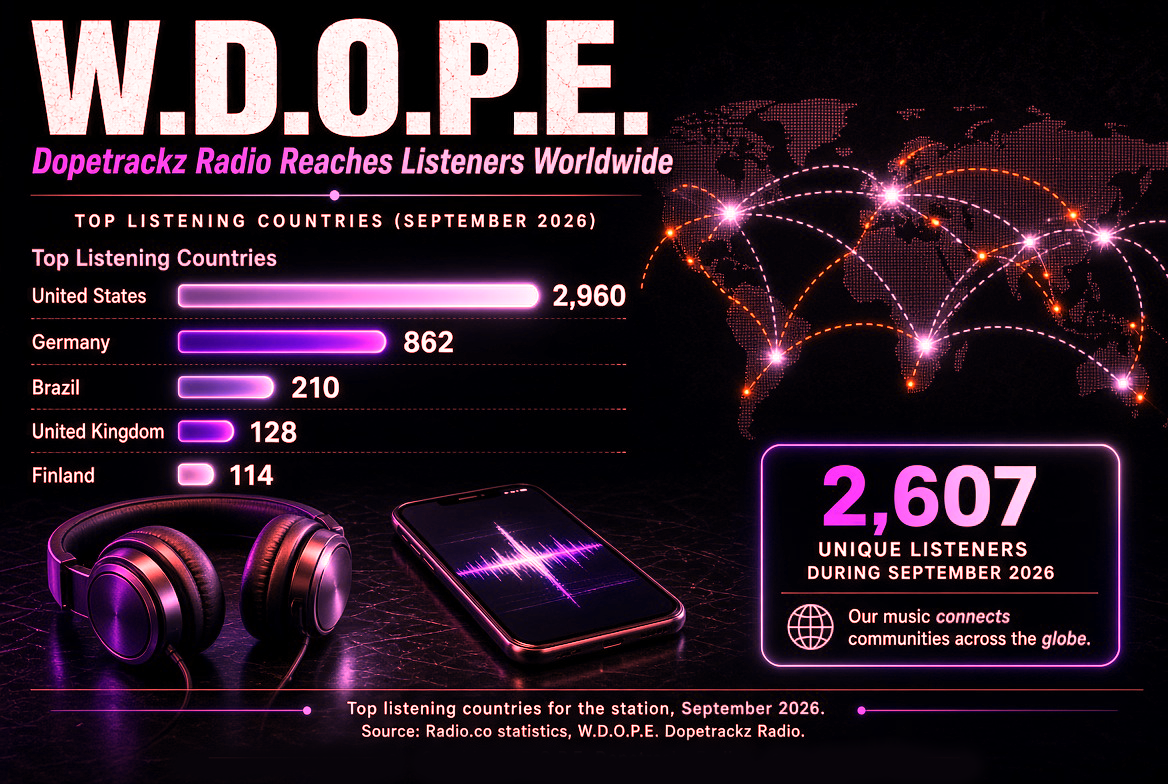
Radio.co's September 2026 statistics show 5,392 listening sessions from 2,607 unique listeners, with an average listening time of about 21.5 minutes. About 16% of listening came through smart speakers.
The geography is where the "no local market" idea shows up. After the United States (2,960 listeners), Germany came second with 862, followed by Brazil (210), the United Kingdom (128) and Finland (114). Those counts include repeat sessions.
By broadcast standards, that's a small audience. But it's a global one, and a local FM signal couldn't have reached it.
+Read more: "The Audience Found My Music Before I Found Them"
How Exposure Actually Shows Up for Independent Acts
For artists, the difference from FM is persistence. A spin happens once. A feature page and an archive stay put, and on Dopetrackz Radio a paid feature includes ongoing placement of the song in the station's online programming.
Artists pay for features and promotion on Dopetrackz Radio, so read the accounts below with that in mind. They're the artists' own words.
Young V, an independent artist from Michigan City, Indiana, said internet radio gave his music "a place to be heard beyond my own social media pages." The station has supported his records "Get Away" (featuring Love Ladda), "Back on Go" and "Dollar & A Dream" through airplay and dedicated online artist features. Those pages let listeners hear the songs, find his profiles and explore more of his catalog.
In his words, that mix of radio support and a lasting online presence is:
"A practical way to build awareness while I keep releasing music."

Baron88, an underground hip-hop artist from Seattle, described starting with no fan base. The station's posts, he said, gave him "credibility and social proof." He says his monthly streams grew from a handful to several hundred "in a short period of time," and that the exposure led to song collaborations, new projects and press.
He also pointed to reach:
"A world wide audience on their airwaves. That's something a local station just couldn't reach."
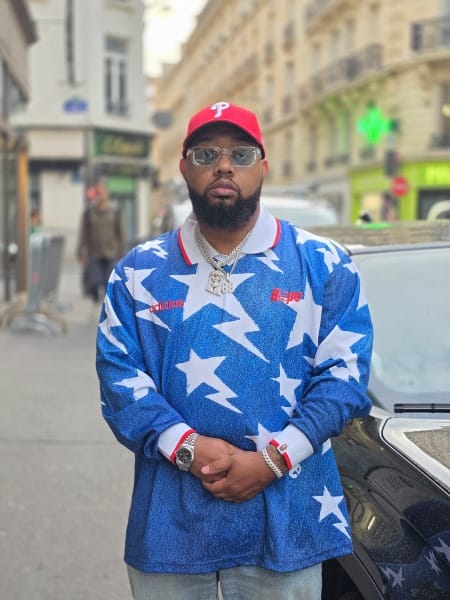
These are self-reported results from two artists. They show how the exposure works, not what it will do for every act.
What This Shift Does, and Doesn't, Change
Internet radio isn't a replacement for FM or streaming editorial playlists. It's an additional channel, and a more specialized one.
The limits are real. Discovery still takes effort, because a feature or a spin doesn't turn into streams by itself. Monetization varies, and exposure rarely becomes revenue on its own. Measurement is different too: Radio.co reports listeners and sessions, not Nielsen-style ratings, so numbers across channels can't be compared directly.
And the top is still crowded. Luminate found that major labels control the highest U.S. streaming tiers, though the independent sector is growing its share in the middle and lower volume tiers, where most working artists live.
What internet radio does offer is a home for scenes that commercial formats have less incentive to support. Before you pay for or submit anywhere, ask what the station reports (listener counts, countries, how long people stay) and what links and placement you'll get to keep.
As connected speakers, dashboards and streaming devices continue to reshape how people listen, independent internet radio is likely to become an increasingly important part of music discovery. It won't replace FM or streaming playlists, but it may keep giving emerging artists another path to audiences that traditional broadcast alone can't provide.
The bottom line: Internet radio won't replace commercial FM or editorial playlists. Instead, it's becoming another meaningful layer of music discovery. For independent hip-hop artists, success increasingly comes from combining multiple channels that help music reach listeners wherever they already are.
+Read more: Hypebot's coverage of "Spotify's Loud & Clear 2026."
J Villa handles media partnerships and advertising sales for W.D.O.P.E. Dopetrackz Radio, an independent 24/7 internet radio station focused on underground hip-hop, rap and R&B. The station charges artists for promotion features, which include ongoing placement of a song in its online programming.