

For independent artists and management teams, radio promotion looks very different than it did even a decade ago.
Streaming playlists, short-form video, and social media have all changed how people discover music, but radio still plays an important role — especially for artists looking to build credibility, connect with local audiences, and develop long-term human relationships within the music industry.
The biggest misconception is that "getting on the radio" means convincing a major commercial station to put your song into heavy rotation. In reality, most independent artists will find greater success by targeting college stations, community radio, public radio, specialty shows, and independent online broadcasters that actively seek out emerging music.
Like any successful promotional campaign, getting your music on the radio starts long before you hit send on your first email. Here's how to give yourself the best chance of earning airplay — and making meaningful connections along the way.
1. Build a Station List That Fits Your Music
One of the biggest mistakes artists make is sending the same email to hundreds of radio stations. A better approach is to build a smaller, more focused list of stations that genuinely play music like yours. Look for:
- College and university radio
- Community radio stations
- Public radio music programs
- AAA (Adult Album Alternative) stations
- Independent online radio
- Genre-specific specialty shows
- Local music programs in cities where you regularly perform
As you build your list, keep track of the station, contact name, email address, submission guidelines, and any notes about the types of artists they feature. Spend as much time researching who to contact as you do writing your pitch.
2. Find the Right Person
You're rarely pitching an entire station. Even smaller stations will have teams dedicated to much more than just "music" (ie: sports, news, weather, tech, archiving, ad sales, etc.), so you're going to want to spend time doing research as to the right person intaking song and album requests.
Most often, you're pitching a music director, program director, DJ, or specialty show host who has the authority to add new music. Whenever possible:
- Address someone by name.
- Confirm they're still working at the station.
- Follow any submission guidelines they've published.
- Pay attention to whether they prefer email, online submission forms, or digital servicing platforms.
A personalized email immediately stands out from the dozens of generic submissions they receive every week.
3. Listen Before You Pitch
Before reaching out, spend some time listening to the station — or better yet, the specific show you're targeting. Ask yourself the following questions:
- Does my music actually fit here?
- What artists have they been playing recently?
- Do they spotlight local musicians?
- Are there recurring themes or genres?
Mentioning a recent artist they featured or a segment you enjoyed demonstrates that you're pitching thoughtfully, not simply copying and pasting the same message to everyone on your list.
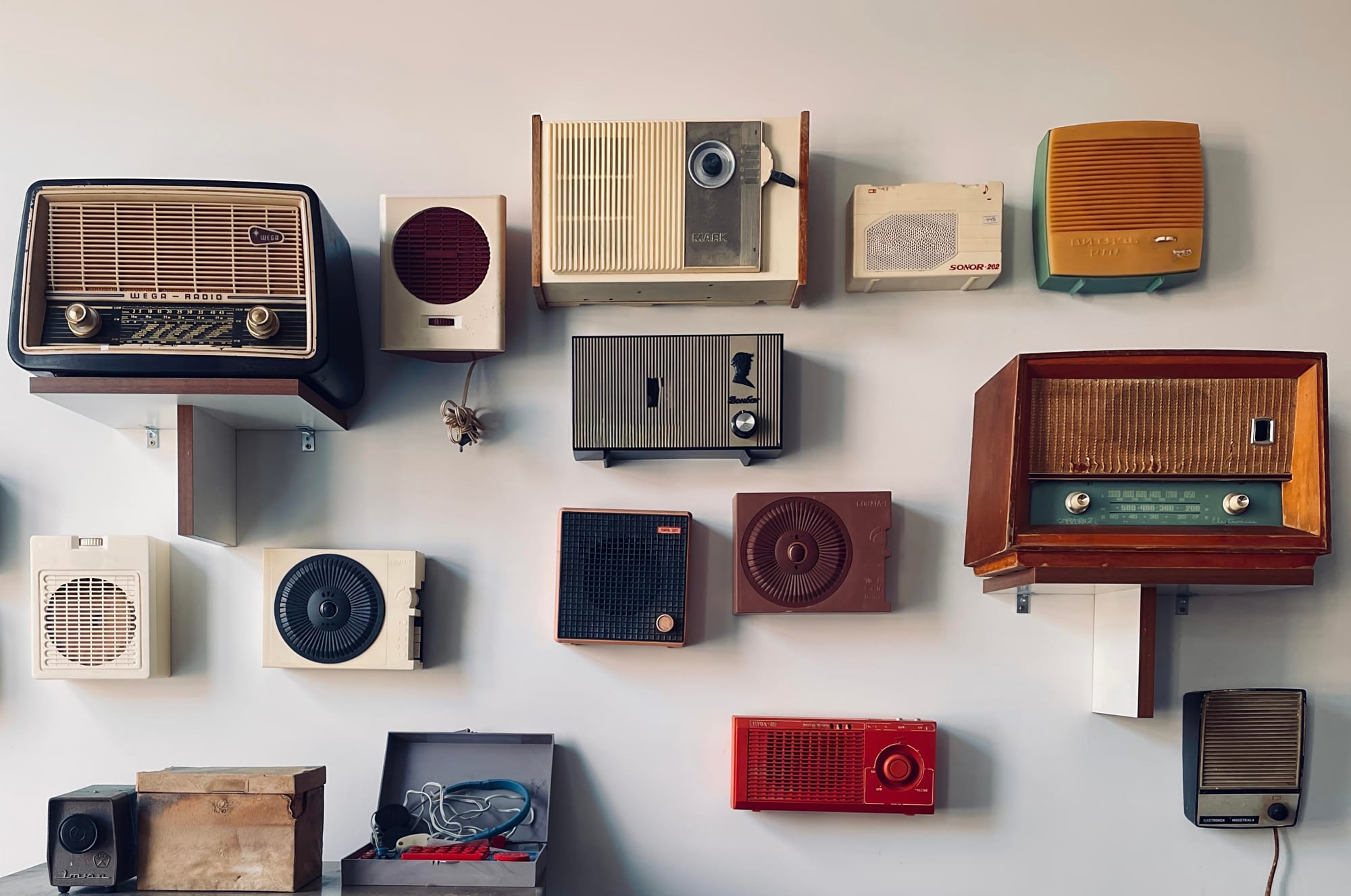
+Read more: "Why College Radio Matters More Now Than It Has in a Generation"
4. Make It Easy to Say Yes
Radio programmers are busy. The easier you make their job, the more likely they'll take a serious look at your music. This means packing an email or EPK with everything they'd need to cover your band or project without having to go hunting for that information on the internet.
That likely includes:
- A streaming link (private or public)
- A downloadable WAV or high-quality MP3
- A clean/radio edit if your song contains explicit language
- Release date
- One-paragraph artist bio
- A press photo
- Your Electronic Press Kit (EPK)
- Social links
- Upcoming tour dates, if relevant
A major thing to avoid however, is sending large attachments. Instead, include organized links that work across desktop and mobile. A website or service that hosts all of this information in an EPK style is always helpful. Think of your pitch as a professional press kit — not just an email with a song attached.
5. Give Your Pitch a Reason to Exist Right Now
Every good pitch answers one simple question. Why are you contacting me today?
Maybe you're releasing a new single or launching an album, touring through their city or playing a local festival, building momentum for other types of milestones, or mission-aligned with the station itself. Whatever the reason is, giving timely context makes your pitch far more compelling than simply saying, "Here's my latest song."
6. Follow Up Professionally
Most radio adds don't happen after a single email. Unfortunately, that tends to be the case unless you're going viral for some reason. That's why building a relationship over time is so important, trust and connection are still what power this industry. So following up on initial unresponded solicitations is okay, and it's normal, but please try to be polite about it.
Take a couple weeks before the first outreach, then from there: send a polite follow-up to check if the music made it to the right programmer or curator, and ask if they have any questions. Two weeks after that, one additional follow-up to offer something new like an interview opportunity or a free pass to your local show might help break through.
If you still don't receive a response, move on. Professional persistence is appreciated; repeated emails every couple of days usually aren't.
7. Remember That Radio Offers More Than Airplay
Many artists focus only on getting a song played, but radio can open the door to much more. Many stations also feature:
- Artist interviews
- Live in-studio performances
- Acoustic sessions
- Album premieres
- Local music spotlights
- Concert calendars
- Guest appearances
Sometimes these opportunities create a stronger connection with listeners than a single spin ever could. When pitching, think about how you might contribute beyond simply sending a track.
8. Build Relationships for the Long Term
So what happens if your song does get picked up? The best radio contacts often become long-term supporters. If someone plays your music:
- Send a thank-you.
- Share the broadcast on social media.
- Tag the station.
- Keep them updated when you release future music.
- Stay in touch without only reaching out when you need something.
Radio has always been a relationship business. Artists who treat it that way often find those relationships paying dividends for years.
+Read more: "The Royalty Registration Checklist"
Should You Just Hire a Radio Promoter?
Professional radio promotion isn't necessary for every artist — but it can be worthwhile at the right stage of your career. A good radio promoter isn't simply paid to send emails. They're leveraging years of relationships with programmers, DJs, and music directors, understanding which stations are likely to respond to your music, and coordinating a campaign that would take most independent artists months to build on their own.
That said, hiring a radio promoter only makes sense if the rest of your release campaign is ready, and if you've got budget to spend.
If you're releasing your first few singles, still building your audience, or working with a limited budget, you'll often get more value by learning the basics yourself. Building your own list of contacts, pitching stations in markets where you're performing, and developing relationships over time will not only save money — it will also help you better understand how radio promotion works.
As your career grows, those relationships become even more valuable. At that point, a professional promoter can expand your reach and help open doors that are difficult to access on your own.
Radio may no longer be the only path to discovering new artists, but it's still one of the few places where passionate music lovers actively champion the songs they believe deserve to be heard.
Approach it with preparation, professionalism, and patience, and you'll give yourself the best chance of turning a cold email into a lasting industry relationship.