

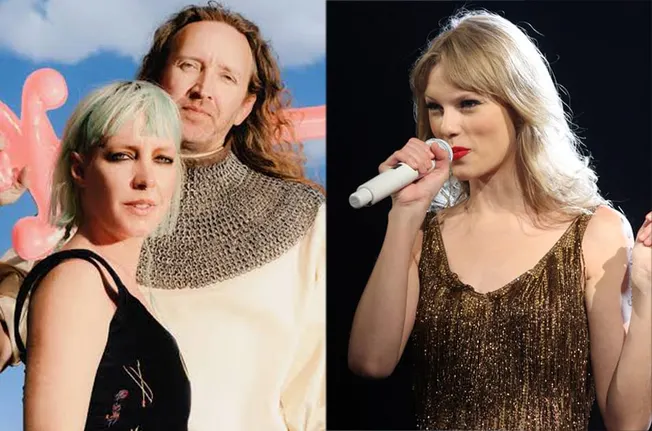
Spotify had two very different artist stories unfolding last week.
First, Sylvan Esso put their music back on the platform after spending roughly a year away. The duo had removed their catalog in 2025 following Spotify co-founder Daniel Ek’s investment in defense technology company Helsing. Their politics haven’t changed, but sadly it became clear that the economics have.
Amelia Meath told fans that staying away had become “unsustainable for us not to be on that platform” if the group wanted to continue employing its team. She went further, telling listeners she would still rather they hear Sylvan Esso elsewhere.
Then there’s Taylor Swift.
Spotify announced September 16 that all 58 of Swift’s official music videos are now available to Premium subscribers in markets where its music-video beta operates. Earlier this year, the video for “Opalite” debuted on Spotify and Apple Music before arriving on YouTube two days later. It became Spotify’s biggest single-day music video streaming performance.
One artist is reluctantly returning, while another is handing Spotify even more valuable content in recognition that it's the best place to reach wide and engaged audiences. It's the same story, written two ways, and for independent artists, both stories point toward the same problem: Spotify's market dominance is too big to ignore.
Spotify Is Becoming More Than the Place Where Songs Live
It would be easier to make an argument for leaving the platform if Spotify were merely a giant digital record store. But yeah, it isn’t. It has spent years adding artist analytics, playlist pitching, pre-save, and Countdown Page tools, ticket integrations, fan notifications and increasingly video.
This summer, Spotify began allowing participating artists to upload full-length music videos, live performances, studio sessions, and covers directly through Spotify for Artists. Those videos can generate royalties, appear on charts, and surface through personalized and editorial discovery.
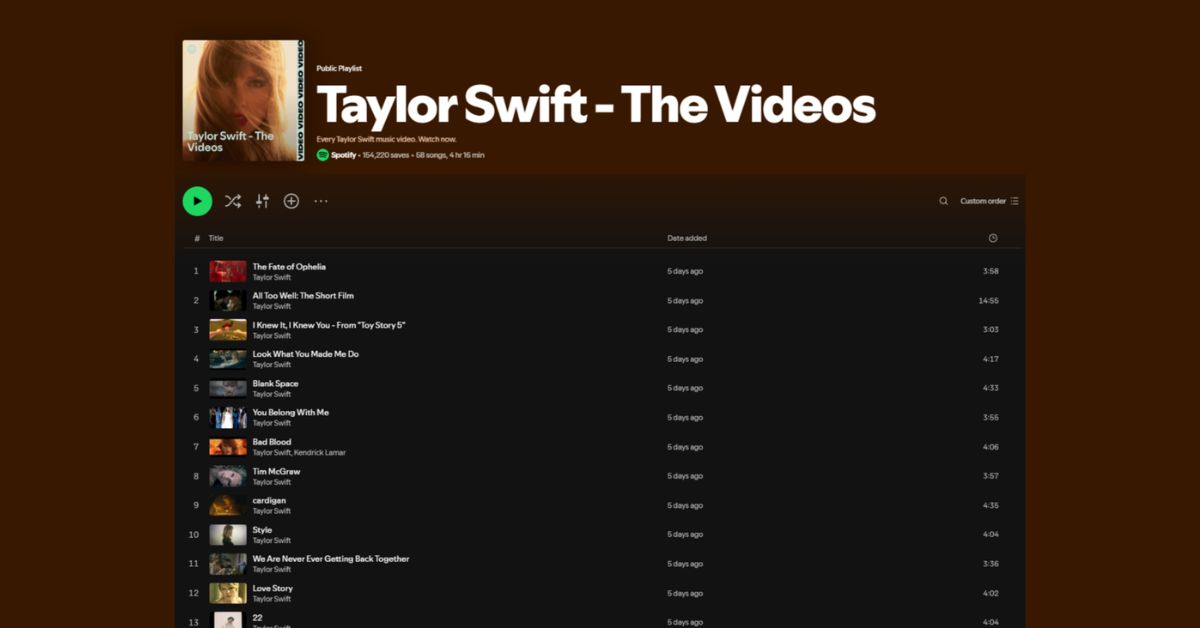
Spotify also says people who watch a full-length video subsequently stream that song 64% more over the following three weeks, while listening to the artist’s wider catalog rises 57%. Those are Spotify’s own figures, but they explain why the company wants video embedded directly alongside audio.
For artists, the pitch kind of makes sense? Why send a listener to YouTube to watch the video, another site to find tour dates and somewhere else to discover your catalog when Spotify can increasingly keep that entire experience inside one app, thanks to partnerships with API tools like Bandsintown.
But, convenience for the listener can become dependence for the artist. And that's something indie artists need to watch out for.
Where It Breaks Down
There is also an enormous difference between Taylor Swift choosing to use Spotify and a working independent artist deciding whether they can afford not to. Swift can treat platforms strategically and use leverage to bolster any certainty where others will find risk. She can experiment with exclusivity and redirect an audience that will probably follow her wherever she goes.
Most musicians do not have that leverage. And although Sylvan Esso is a pretty well-established band with a sustainable core following, their experience shows that developing artists on all levels might struggle to leave Spotify behind, without a comparable alternative already in place. Removing music from Spotify potentially means walking away from streaming revenue, algorithmic discovery, playlist placement, listener data, and a place where existing fans already expect to find them.
That is why the Sylvan Esso story hits harder than another debate about streaming payouts. They actually left, and then took a hard look at what leaving costed them.
The problem with Spotify for independent artists is multi-faceted. It pays out an unfair amount per stream where artists feel like they have to send their community there to listen, so the bargaining leverage is never in their favor. Individuals who represent that company tend to invest in dubious, misaligned agendas on a global scale, which turns off politically active artists. And the monolithic monopoly folks see the platform becoming within this industry is a non-competitive, non-independent friendly model that nobody wants to support.
So, where do we go from here?
That's a complicated question to answer right now. There are many streaming platforms artists can direct their fans to, through distributors you can choose to shut off distribution to Spotify or any other platform by checklist, and of course you can use your promotional efforts to direct fans to physical merch or downloads through aligned distribution partners.
But that's also exactly how we got here, to this point about leverage. The real move towards investing in career and fan development sustainability is a bigger effort that touches every aspect of an artist's activities over years. But it's important to simply acknowledge just how massive and crucial Spotify is right now to building a discoverable listenership.