

A new report published by the Oxford Internet Institute paints a stark picture of what it means to be a working musician in 2026: platforms like Spotify and social media are now essential to building a career — but they’re not built to sustain one.
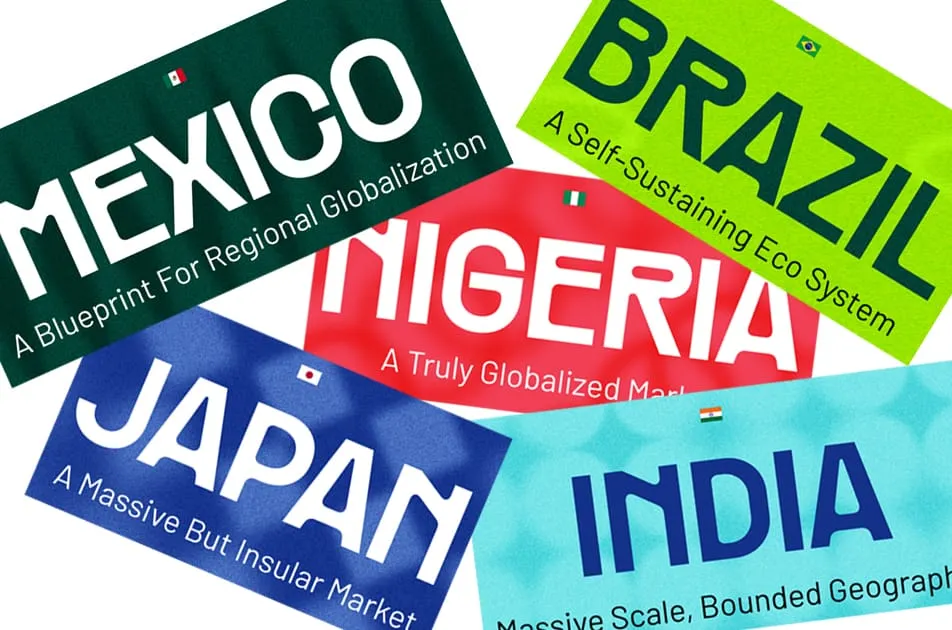
Titled “Musicians at Work in the Platform and AI Era,” the study surveyed more than 1,200 artists across the unique, rising music markets of Brazil, Chile, the Netherlands, Nigeria, and South Korea.
Its core finding is what researchers call “the streaming paradox” — a system where musicians depend on digital platforms for visibility, even as those same platforms fail to deliver meaningful income.
Most musicians aren’t making a living from music
The numbers reinforce what many artists already feel:
- 77% of musicians earn less than €10,000 annually from music
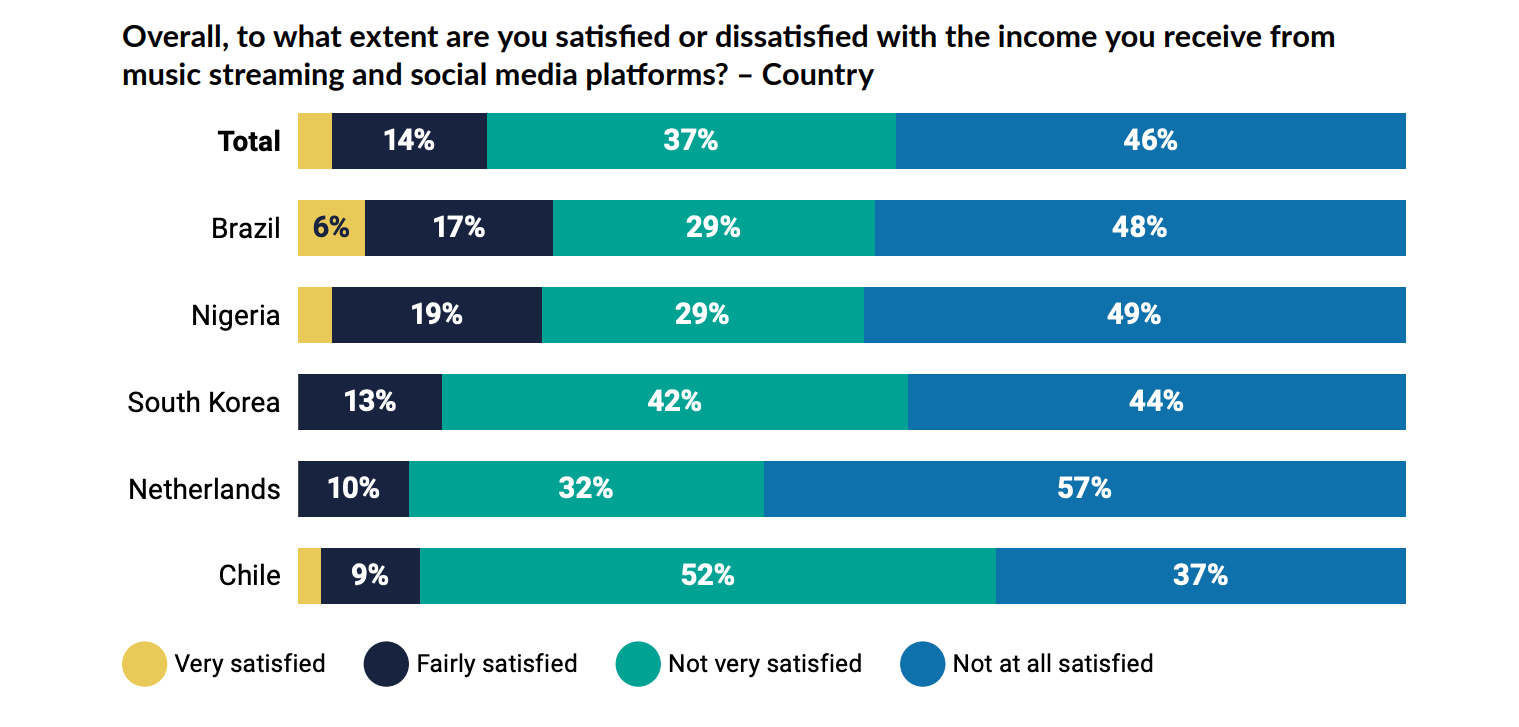
- 83% are dissatisfied with streaming royalties
For so many artists, the streaming era has expanded access and global reach, but not financial stability. For most working independent artists, music income remains fragmented, unpredictable, and often insufficient.
+Read more: "New Data Reveals That Streaming Is 70% of Total Recorded Music Revenue"
The job has changed — and not in a creative way
Perhaps the most telling shift is how musicians spend their time. The report also finds that:
- Nearly a quarter of artists spend more than half their working hours on non-music tasks related to their music efforts.
- 69% say they are spending more time on online promotion than in previous years.
Being a musician today increasingly means being a full-time content creator, marketer, and community manager all in one — often without additional compensation for that labor.
Who benefits from streaming depends on where you are
One of the study’s more surprising findings is how uneven the streaming economy is globally.
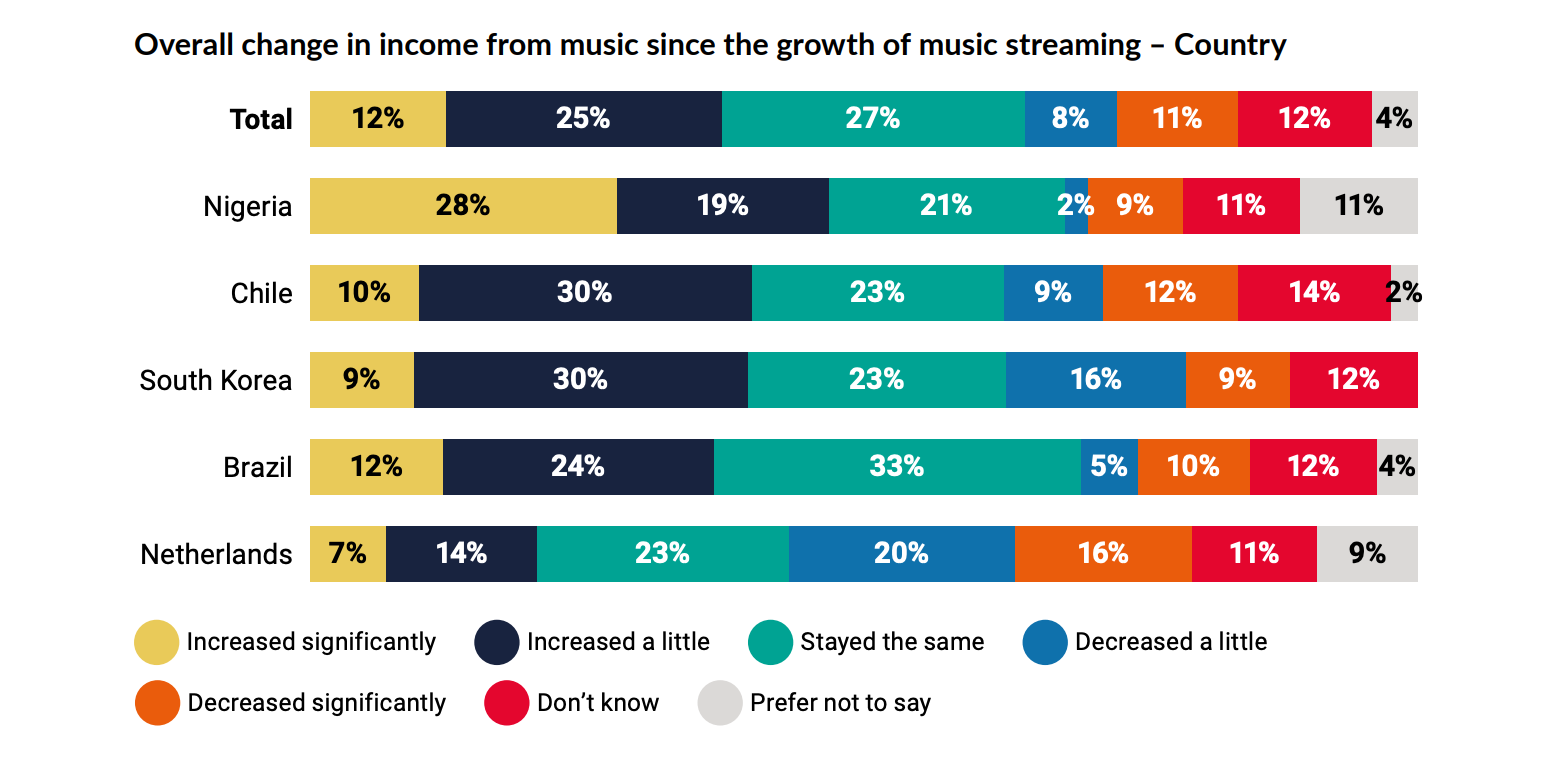
- 83% of Nigerian musicians say streaming has improved their careers
- But just 14% of Dutch musicians say the same
That gap suggests streaming’s impact isn’t universal — it depends heavily on local infrastructure, audience behavior, and economic context. In emerging markets, platforms may unlock access. In more mature markets, they may simply reinforce existing inequalities.
Emerging artists depend on streaming the most — even when it pays the least
Another key insight: the artists earning the least are often the ones who rely on streaming the most.
Lower-income musicians are significantly more likely to view platforms as essential to their careers, while higher-earning artists are more likely to treat them as just one tool among many — alongside touring, licensing, and direct fan monetization.
It’s a dynamic that reinforces a difficult reality: the artists who need platforms the most are often the ones getting the least out of them financially.
AI isn’t widely used yet — but concerns are rising fast
Despite constant industry buzz, the report finds that 89% of musicians are not using AI tools in their fan interactions. But that doesn’t mean they’re unconcerned.
Many artists — particularly in Europe (according to this report) — expressed anxiety about AI-generated music flooding streaming platforms, increasing competition and making it even harder to stand out in an already saturated ecosystem.
+Read more: "Why I Built a Music Discovery Platform That Finds, Not Buries, Niche Artists"
So what about us indie artists?
For independent artists, the report validates an existing problem we've all known for some time. The modern music career is no longer just about making music, it’s about navigating a system where:
- Visibility is controlled solely by platforms
- Income is fragmented across multiple sources
- Time is increasingly spent on promotion over creation, making the competitive edge of music-making not about music.
- And on that note, competition is expanding — including from AI-generated content
But the takeaway isn’t that platforms are useless. It’s that they’re incomplete. Streaming can still drive discovery. Social media can still build audiences. But neither, on their own, are reliable foundations for a sustainable career.
The most resilient artists are already adapting — building direct fan relationships, diversifying revenue streams, and treating platforms as entry points, not endpoints.
Because in the platform era, success is about finding ways to get paid — even when the system isn’t designed for it.