

Pink Floyd’s former Britannia Row studio in London has reopened to artists under a lease costing just £1.
That sounds like a feel-good preservation story. It may also be a test case for a more complicated question facing cities everywhere: Can property developers make room for musicians and artists without abandoning plans to build something more profitable?
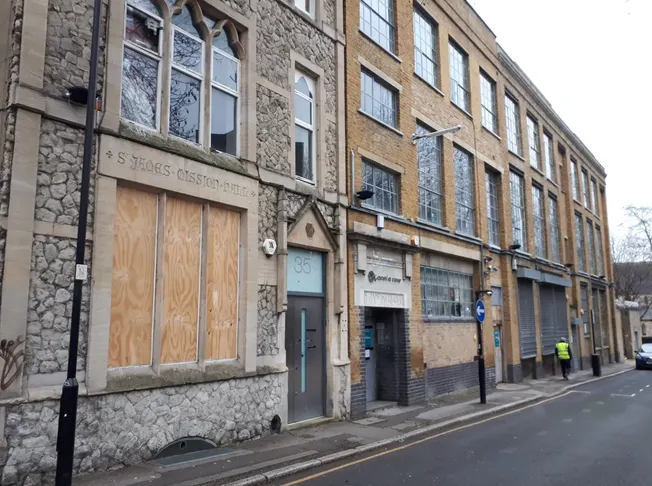
Pink Floyd established Britannia Row Studios in Islington in 1975 and recorded Animals and parts of The Wall there. The studio business later moved elsewhere, while the Islington property passed through other uses and eventually fell vacant.
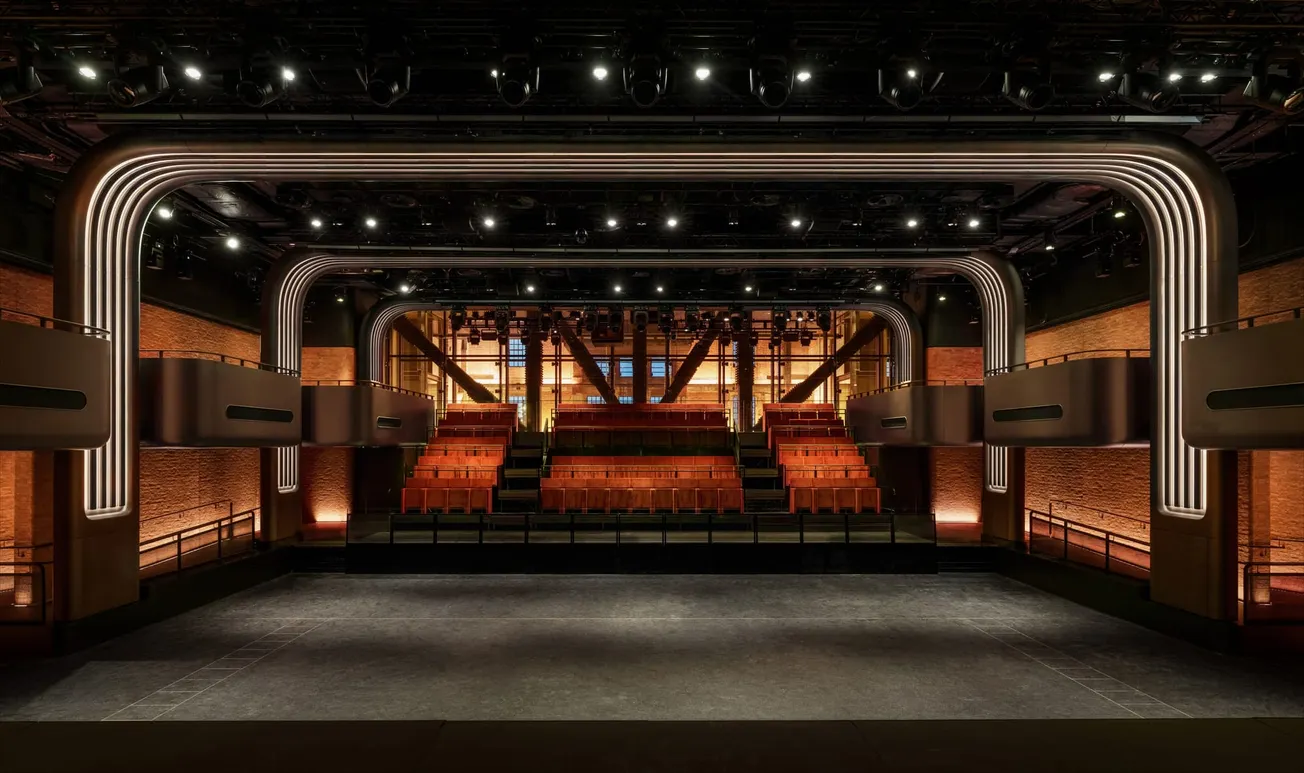
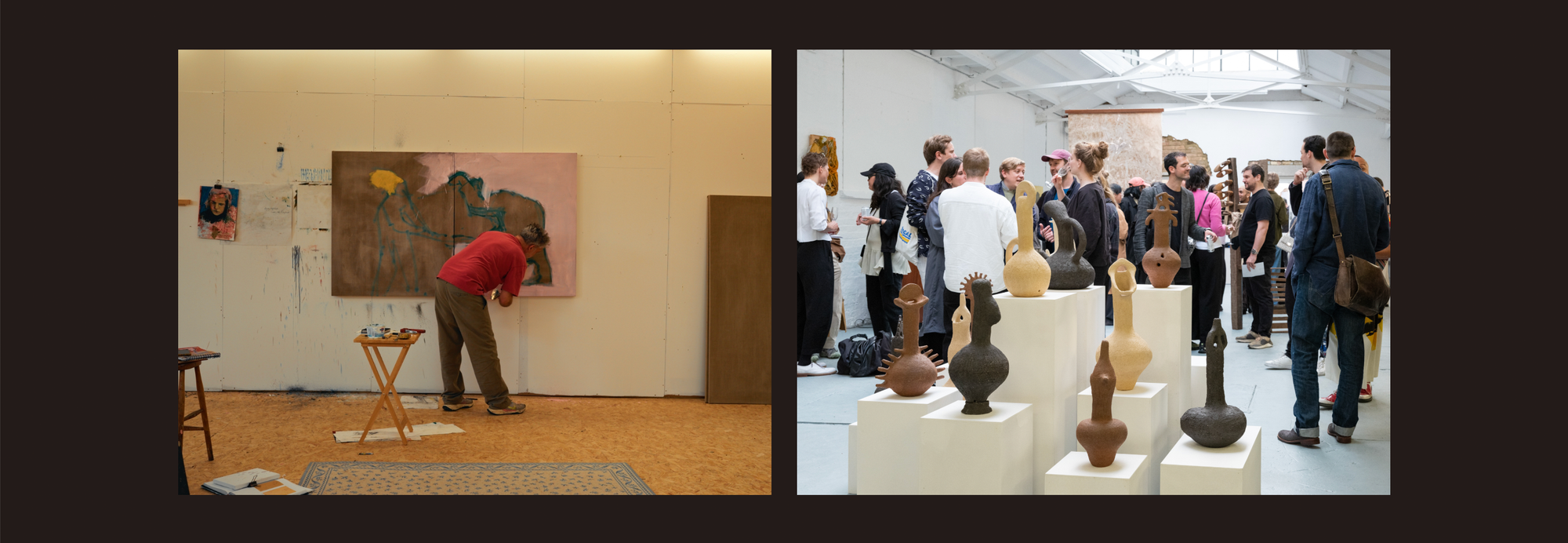
Property company Har-monic acquired the site in 2025, reportedly after self-storage operators had shown interest. The developer then spent approximately £60,000 restoring the cultural space and leased it to the Florence Trust, a London arts charity, for a nominal £1. Today, 18 artists work in newly created studios inside Britannia Row, while three gallery spaces host exhibitions and performances.
For a building that had been empty for years, that is real cultural use — not a plaque, a branded lobby or a nostalgic reference in a luxury apartment brochure.
+Read more: "The Story of 'That' Rooftop Concert"
The catch: This is “meanwhile use”
Har-monic is unusually direct about what comes next. Its own project page describes Britannia Row as a “meanwhile-use cultural space” operating while redevelopment plans move through the approval process.
The company is developing a mixed-use proposal that would add housing while retaining community and creative functions. Previous planning permission for the property, which has since expired, allowed eight residential units as well as expanded office space. Har-monic’s new plans are still in progress.
That distinction matters. The £1 lease gives artists valuable space today, but it does not necessarily guarantee that the same amount of affordable cultural space (or the same artists) will remain after construction.
“Meanwhile use” has become an increasingly common way to put empty buildings to work during the long period between acquisition and redevelopment. For owners, it can deter deterioration, bring people to a dormant property and build goodwill around a future planning application. For cultural organizations, it can provide access to spaces they could never afford at market rates.
Both sides can benefit. The problem is that artists may also create the energy, identity and desirability that make a site more valuable, only to be displaced when the permanent development arrives.
+Read more: "UK Unveils £45M ‘Turn It Up’ Plan to Back Artists, Venues, and Careers"
Still better than an empty building...
That does not make Britannia Row’s arrangement meaningless. Eighteen working studios are better than 18 imaginary studios promised for some future master plan. The Florence Trust says it now operates more than 70 affordable studios across six buildings, with more than 60% of its turnover returned directly to artists through materials, exhibitions, paid work and other support.
For independent musicians, the significance stretches beyond this building’s famous past. Live careers do not begin at the venue door. They depend on an entire layer of affordable infrastructure: rehearsal rooms, recording studios, workshops, small galleries and flexible spaces where artists can meet, practice and experiment before an audience ever buys a ticket.
When those spaces vanish, cities may retain concerts while losing the conditions that allow new local artists to emerge. These short-term leases could help bridge that gap. Owners of vacant commercial buildings could offer nominal or heavily discounted rents to vetted cultural organizations while planning applications, financing or construction schedules move forward. Cities could make those agreements easier through tax relief, expedited approvals or incentives tied to affordable creative use.
London already treats meanwhile use as a tool for activating vacant property. But temporary access is not the same as preservation. Organizations such as the Creative Land Trust are pursuing long leases, property transfers, and ownership precisely because artists cannot build stable careers around spaces that may disappear with short notice.
Britannia Row matters because of what Pink Floyd made there. But cultural heritage cannot survive entirely in the past tense. The best way to preserve a studio is not simply to mark the place where famous music once happened. It is to keep the building available to people who have not made their famous work yet.