

By Thomas Cussins, Founder/CEO of Ineffable Music Group
*This piece originally appeared on Thomas Cussins' Substack.
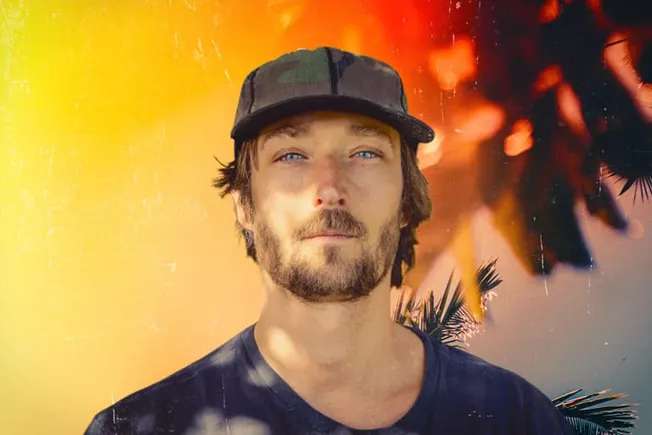
This AI story has an unlikely origin in pandemic era Pretoria, South Africa. A radio DJ moved his show online and played a song no one had heard before, “Angels Above Me” by an American artist, Stick Figure. What followed was a scene reminiscent of Searching for Sugarman, as Stick Figure became a household name in Afrikaans speaking regions of South Africa via one song.
Fast forward to a few days ago, April 24th, 2026. An AI version of “Angels Above Me”, renamed “Run Run River” after the first lyric in the song, was posted to TikTok by a South African account that posts unauthorized AI versions of popular songs.
The clip has a female sounding AI voice and a techno AI iteration of the beat, but it’s Stick Figure’s song: his identical lyrics, tune, and song structure. Importantly, this AI generated version does not mention the song’s original composer, and Stick Figure is not tagged to the sound in any way.
This stolen version of the song starts to spread. Hundreds and then thousands of versions start popping up over the next few days, dances and lifestyle posts start going up in the tens of thousands, with millions of views compounding each day. Then these sounds begin to migrate to YouTube and Spotify, reaching #2 on the global Shazam chart as of today, where they are earning tens of thousands of dollars in royalties as I type these words.
But none of these royalties are going to Stick Figure. This phenomenon is exacerbating an already difficult environment for independent artists.

The current payment structure of royalties on platforms like Spotify is pro-rata, which means all the streams across the entire platform go into one big pool, and every artist is paid out based on their share of the total plays. When you pay $10 a month for Spotify, roughly 30% goes to Spotify itself, leaving about $7 that gets distributed to rights holders. That $7 doesn’t follow your listening habits, it gets thrown into a giant pool with every other subscriber’s $7, then divided up based on who dominated streaming globally that month.
So even if you never listened to Taylor Swift, a portion of your subscription still flows to her, because she owns a large share of total streams.
With each passing day, AI songs are taking an increasingly meaningful share of the overall pot, not just from Stick Figure, but from all real artists who have devoted their lives to their art and have real human connections with their fans. Over 44% of all songs uploaded, over two million tracks per month as of April of this year, are AI generated songs. Trying to play whack-a-mole and issue thousands of takedowns is not the answer.
Instead, we need to require distributors of AI-generated music to identify the source material, credit it, and allocate the lion’s share of all revenue generated to the original creators. We need to ensure that the publishing revenue for the composition of the song stays 100% with the original source.
"We should all support music platforms that stand up for human artists, even as we embrace the responsible use of AI."
This provides a pathway to legitimacy for the creators of AI music, while supporting the music ecosystem instead of exploiting it. It only took a few months for this problem to balloon from petty theft to grand theft worldwide; we need to act now to ensure that music artists continue to be recognized and rewarded for the joy and creativity they bring to our lives, and that ‘Independent Music Artist’ remains a viable career for the next generation of innovators.
To complement this approach, we need an industry-wide move to a user-centric payout model that would pay each artist based on each individual listener’s habits. If one user on Spotify played just Stick Figure, then the seven dollars of their monthly subscription that goes to rights holders would all flow to Stick Figure’s label and publisher. This would increase the payouts to artists with die-hard fans by approximately 50%, making it easier for career independent artists to continue to make music professionally.
Music platforms also have an important role to play here. The French digital service provider Deezer has led the way in these user-centric payouts and also in regulating the influx of AI slop. Recently, Spotify announced that they will be verifying human artists on the platform and Believe (owners of Tunecore) announced that they will attempt to block all songs originating from Suno or similar non-approved AI pirate studios.
If we want independent artists to continue to make the music their fans love, we urgently need comprehensive action taken by stakeholders throughout the music industry. AI creations should credit and compensate the original artists; music distributors should move toward a user-centric payout model; and we should all support music platforms that stand up for human artists, even as we embrace the responsible use of AI.
+Read more: "Apple Music Has Flagged 2B Fraudulent Streams. Here's What I Actually See."
Thomas Cussins is the founder and CEO of Ineffable Music Group, and a board member of the National Independent Talent Organization (NITO). Cussins has spent 20 years building a vertically integrated independent music business encompassing management, records and live events. As a manager, Cussins has overseen the career of Stick Figure from tiny clubs to being the #1 living reggae artist in the world by total consumption. As a talent buyer, promoter and venue and festival owner/operator, Cussins has produced over 10,000 concerts.