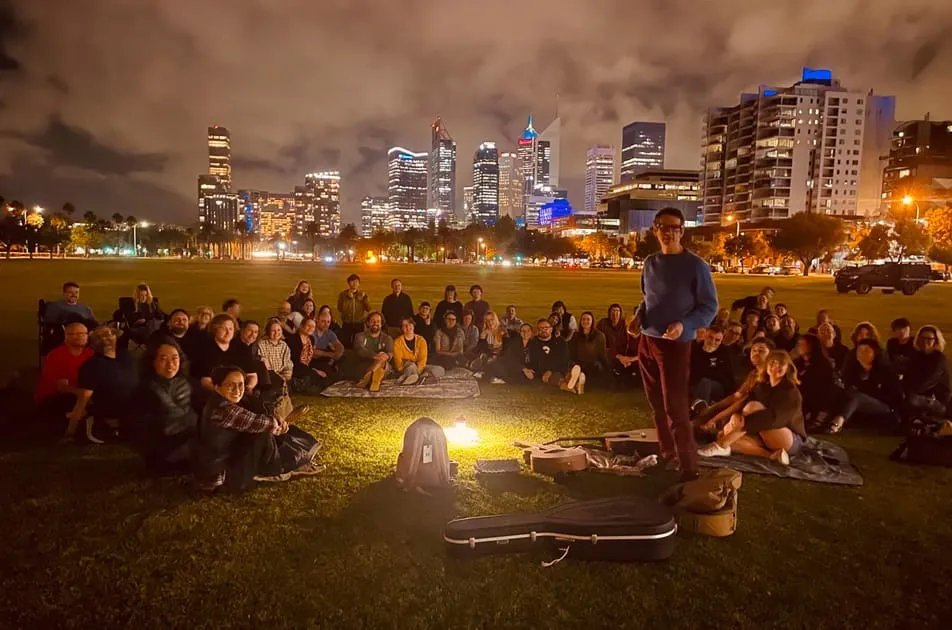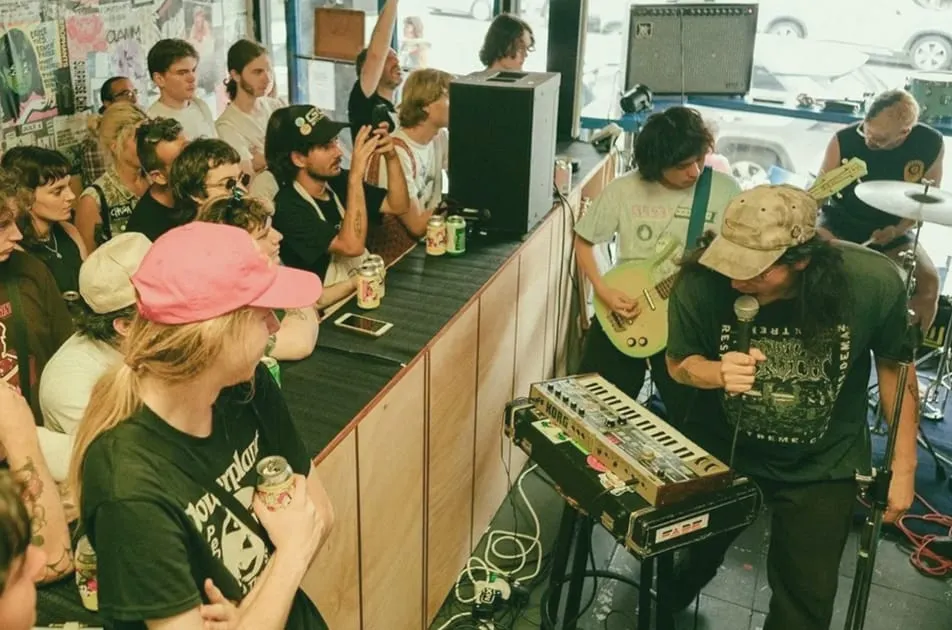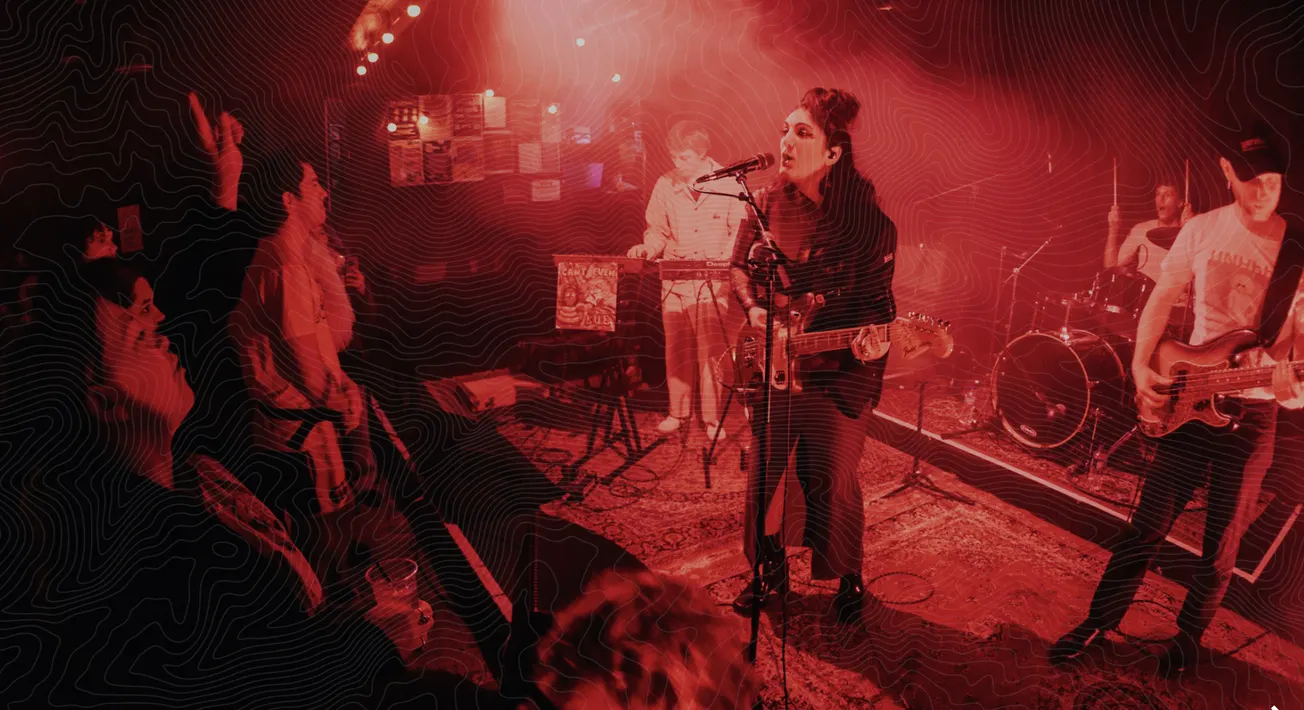


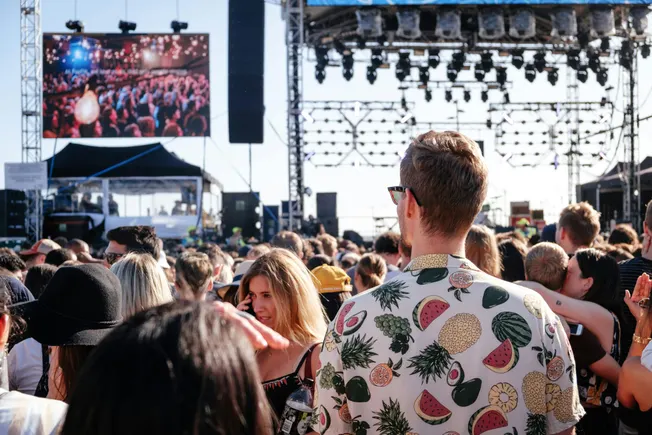
Australia’s always dealing with labor shortages, one way or the other, but this next one may hit the live music sector just as the country is ramping up for Summer festival season.
The federal government has announced plans to expand the use of ballots in the Working Holiday Maker program, limiting how many backpackers can remain in Australia for a second or third year. Under the proposed system, completing the required regional work would no longer guarantee eligibility for another visa. It would earn the applicant a place in a ballot.
The second-year ballot will reportedly be capped at 45,000 places, compared with approximately 57,000 people who qualified last year. Third-year availability would fall more dramatically, from roughly 31,000 to 5,000 places, although UK passport holders have separate arrangements.
Backpackers help build stages and fencing, work gates and bars, scan wristbands, move equipment, handle waste and support the bump-in and bump-out labor that festivals require. Regional venues also depend upon them for front-of-house, security, transportation and hospitality work.
Howard Adams, chair of the Australian Live Music Business Council, told The Music that any reduction in Working Holiday Maker visas would hurt venues and festivals:
"There is no doubt that any reduction in the number of short term working holiday visas will be detrimental to the hospitality and live music sector."
The dependence can be startling. Russell Temple, general manager of Darwin venue Mayberry, estimates that international backpackers make up approximately 66% of its workforce. According to the same report, as many as 80% of Darwin bars and clubs employ them.
Agriculture and tourism groups are sounding similar alarms. Reuters reports that the ballot system and longer processing periods could leave seasonal employers without enough workers. Festivals operate on much the same calendar: brief, intense periods when thousands of temporary jobs need to be filled at once.

+Read more: "Australia’s Festival Crisis Has One Very Twangy Exception"
Playing Catch Up
The government’s 2026–27 budget papers say the Working Holiday Maker program will be reformed to control numbers, reduce employment barriers and expand ballot allocation. However, some implementation details remain unclear. At the time of writing, the Department of Home Affairs’ country-cap guidance still states that second- and third-year Work and Holiday visas are uncapped, while its existing ballot explainer says the process applies only to first-year applicants from selected countries.
Anyone personally affected should therefore monitor the official Working Holiday Maker updates page rather than relying solely on early news reports.
The larger industry problem is that Australia’s live-music infrastructure does not consist only of stages, venues, and sound systems, it includes the people operating them. And this summer, there may be fewer of those people available.
+Read more: "Can Cheap Beer Save Australia’s Opening Bands?"
Get the latest Live Music & Industry News updated continuously from across the web under the Hypebot Industry News tab here.