

By Skyler Siddens, Founder of Sndigø Records
The dream of running an independent record label usually collides with a harsh financial reality: the physical manufacturing trap.
The standard playbook that we all tend to innately follow dictates that to be taken seriously, you need physical merchandise. Okay, I can buy that.
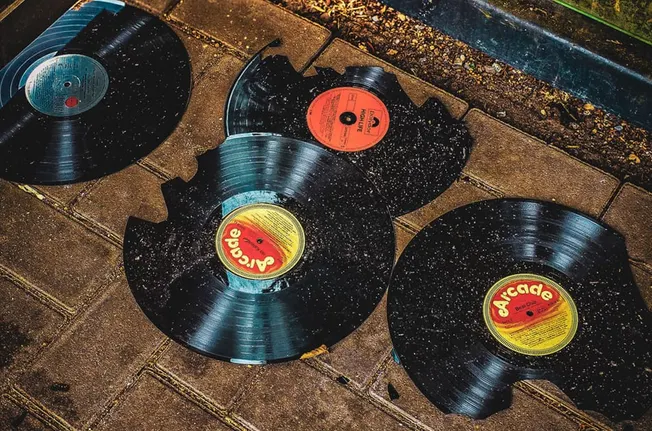
But for a lean, modern DIY imprint, that means cutting a check for thousands of dollars to a vinyl pressing plant, waiting 6 to 9 months for delivery, and crossing your fingers that you won’t end up with a garage full of unsold plastic cardboard boxes. You take on massive upfront debt just to participate.
(And to be honest, more often than not, you still end up with a garage full of boxes.)
When I transitioned from the tech and creative executive sectors to launch SNDIGØ Records, I looked at this legacy supply chain and saw total structural inefficiency. The traditional model forces creators to act as warehouse managers and logistics coordinators. I wanted to run a music label, not a fulfillment center.
For our electronic project Sndigø — including our debut Capitalism & Tyranny and our dual 2026 releases Snake's Dream and Spaced Øut — we decided to rewrite the operational blueprint. We threw out the traditional pressing plant model entirely. Instead, we built a 100% zero-overhead, zero-inventory physical ecosystem by partnering with on-demand manufacturing platforms like elasticStage.
Here is how the hybrid model works, why it works, and how other independent labels can use it to stay entirely profitable.
The Death of Upfront Capital
In the traditional independent model, a standard short-run order of 300 vinyl records costs roughly $2,000 to $3,000 upfront. If you are an underground artist or a niche electronic label, breaking even requires selling out nearly the entire run just to recoup your initial manufacturing and shipping costs. Your profit margins are razor-thin, and your capital is locked up in physical inventory for months.
By utilizing an on-demand, print-on-demand infrastructure, our upfront manufacturing cost is exactly zero dollars.
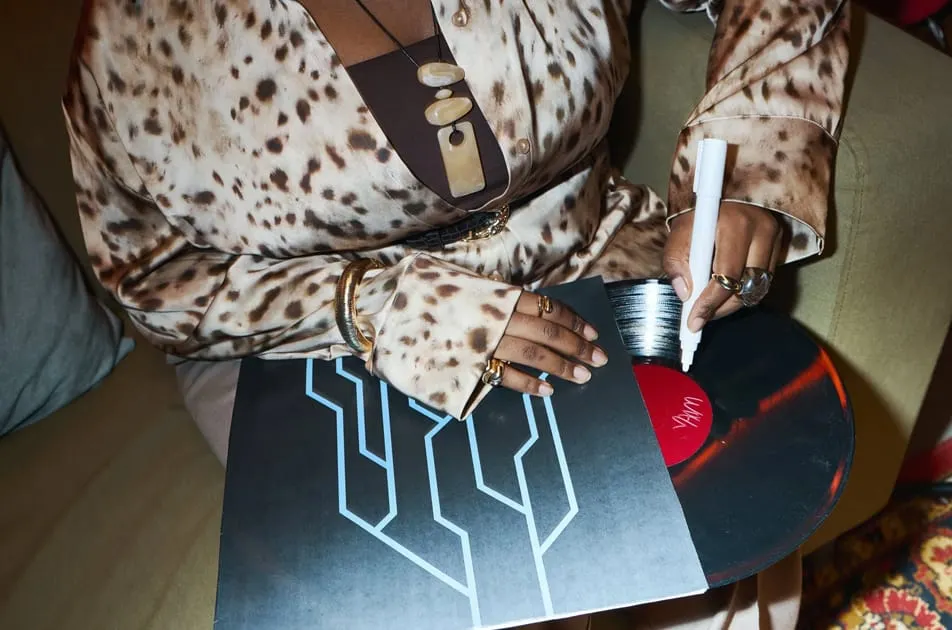
We do not order boxes of records in advance. Instead, our digital store connects directly to the manufacturing line. When a fan hits the "buy" button on our platform, the record is cut, the artwork is packaged, and the product is shipped directly to their doorstep.

+Read more: "Why Running a Successful Indie Label Is Still Harder Than It Looks"
Fluid Release Agility
The second massive bottleneck in the vinyl industry is time. Major label demand routinely clogs global pressing plants, forcing independent creators to wait up to a year to get their music on wax. By the time the vinyl arrives, the promotional cycle has grown cold.
Operating a software-driven, on-demand physical pipeline grants an independent label complete release agility. We can write, master, and distribute a track digitally, while simultaneously making the physical edition available worldwide on the exact same day. If a track blows up on TikTok or SoundCloud on a Tuesday, fans can order the custom vinyl on Wednesday.
We don't have to guess demand; we scale dynamically alongside it.
The Blueprint for the Lean Label
To make this hybrid model work for your own imprint, you have to shift your mindset from "volume" to "optimization." Here is the baseline strategy:
- Own Your Ecosystem: Centralize your audience. Use clean hubs like Linktree or a direct-to-consumer website to funnel your streaming listeners, Bandcamp community, and social followers to your automated physical storefront.
- Lean on Tech Partners: Platforms like elasticStage allow you to upload your audio and artwork templates once. They handle the heavy lifting of global fulfillment, allowing you to act as a localized node.
- Reinvest the Capital: Because your cash isn’t tied up in inventory sitting in a warehouse, 100% of your label's revenue can be immediately reinvested back into digital marketing, collaborative content, and direct fan experiences.
The modern music industry rewards speed, financial agility, and direct-to-fan relationships. By replacing legacy manufacturing bloat with agile, on-demand tech, independent labels can finally stop gambling on inventory and focus entirely on what matters most: building sustainable, debt-free creative worlds.
+Read more: "Charge More to Cover Your Costs or Charge Less to Help Out Fans?"
Skyler Siddens is the Founder of Sndigø Records, a music and merch brand built around the idea that limited runs shouldn't mean limitless waste. By producing only what's ordered through on-demand fulfillment, Sndigø Records eliminates overstock at the source. No unsold inventory, no landfill surplus. It's a direct challenge to the traditional merch model, where excess production is the norm and the environmental cost is an afterthought.