



By Luciano Winter, Founder/CEO of Stormi Capital
There is a version of the independent music story that everyone loves to tell. The artist who bypassed the gatekeepers. The label that built a real catalogue without a major behind them. The operation that punched above its weight for years and made it look effortless.
What that story leaves out is the part that happens between the releases.
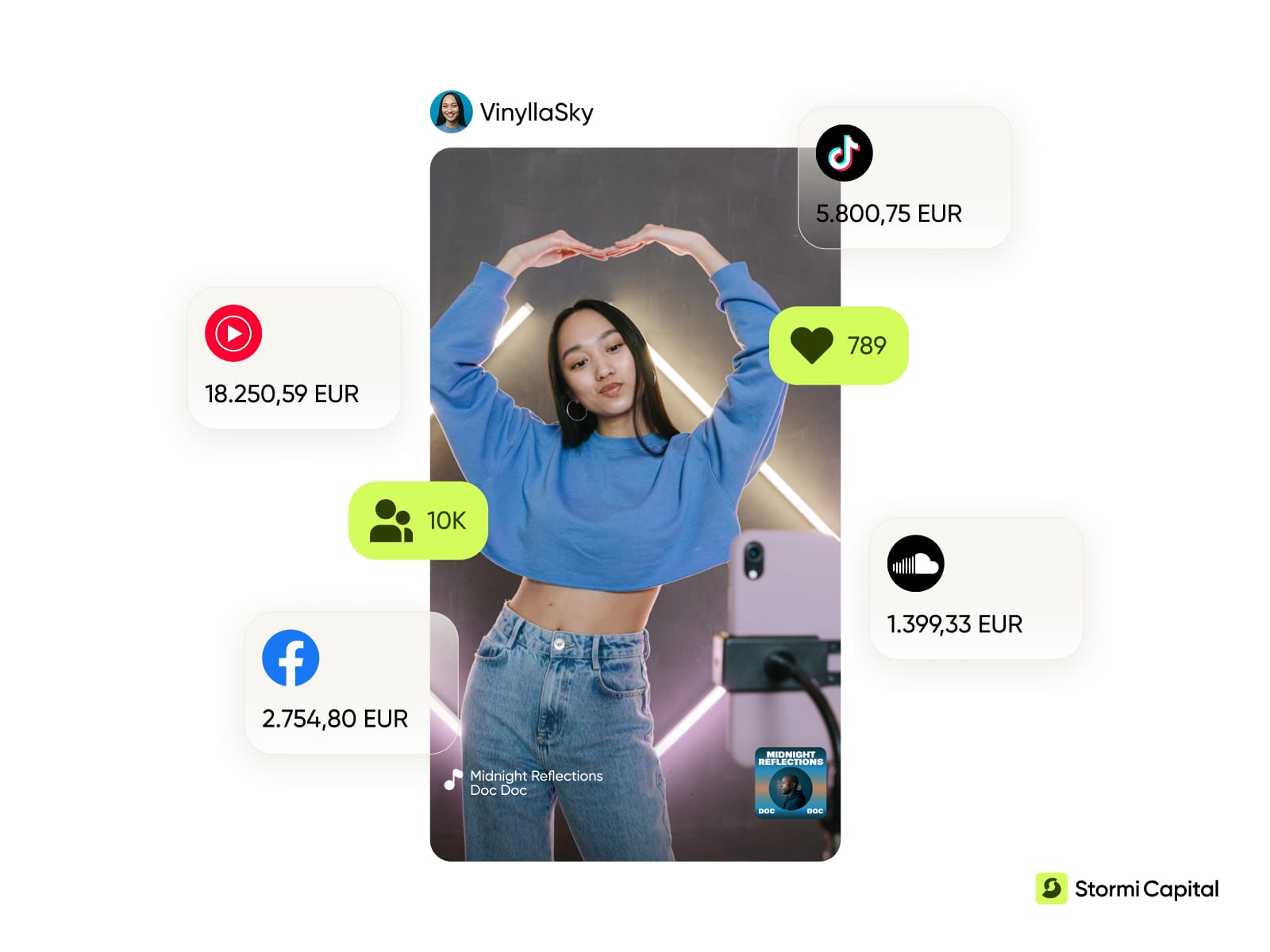
The part where the same team building something genuinely impressive is also manually reconciling royalty splits at midnight; chasing down UGC revenue that disappeared into a platform that was never designed to pay it out; trying to make sense of data scattered across four different dashboards that all say something slightly different; applying for funding and being told the options available to them were built for someone else.
You get my drift.
Here is the reality that does not make it into the success stories: most independent labels running serious operations are doing so on infrastructure that was never built for them.
The Ceiling Nobody Talks About
The past decade was supposed to fix this. Streaming democratized distribution. Digital tools lowered the barrier to release. The independent sector grew its market share consistently, year on year. And all of that is true.
But growth exposed a different problem. Because the bigger an independent operation gets, the more the gaps in its infrastructure start to compound. A label releasing two albums a year can manage in spreadsheets. A label with ten artists, multiple territories, sync income, YouTube monetization and a growing catalogue cannot.
The moment the operation outgrows the tools available to it, the people running it stop spending their time building and start spending it managing.
+Read more: "The Future of Record Labels: Shifting Sands"
That is not a talent problem. It is not an ambition problem. It is an infrastructure problem. And it is one that has been sitting at the center of the independent music sector for years, largely unaddressed, because the tools built to solve it at scale were designed for major label budgets, not independent operations.
The Same Lesson I Kept Learning After 14 Years Inside That System
I built an independent label for fourteen years. My brother and I started it in 2009 from our parents' living room and grew it into one of the most successful independent labels in our genre in the Benelux, generating billions of streams. Every stage of that growth taught us the same lesson. The music was never the problem. The infrastructure around it consistently was.
That experience is also what eventually put me in the rooms where this conversation happens at a structural level. As an executive board member of both IMPALA, the European independent music trade association, and STOMP, the Dutch equivalent, I kept hearing the same thing from operators across Europe. Different genres, different territories, different sizes. The same ceiling.
The independent sector had built the music. It had built the audiences. What it had not yet built was the operational backbone to support its own ambition. By 2022, I had seen enough to know that needed to change. That's when I founded Stormi Capital.
+Read more: "What Is "the Streaming Paradox?" New Study Explores the Labor of Music"
What Closing the Gap Actually Looks Like
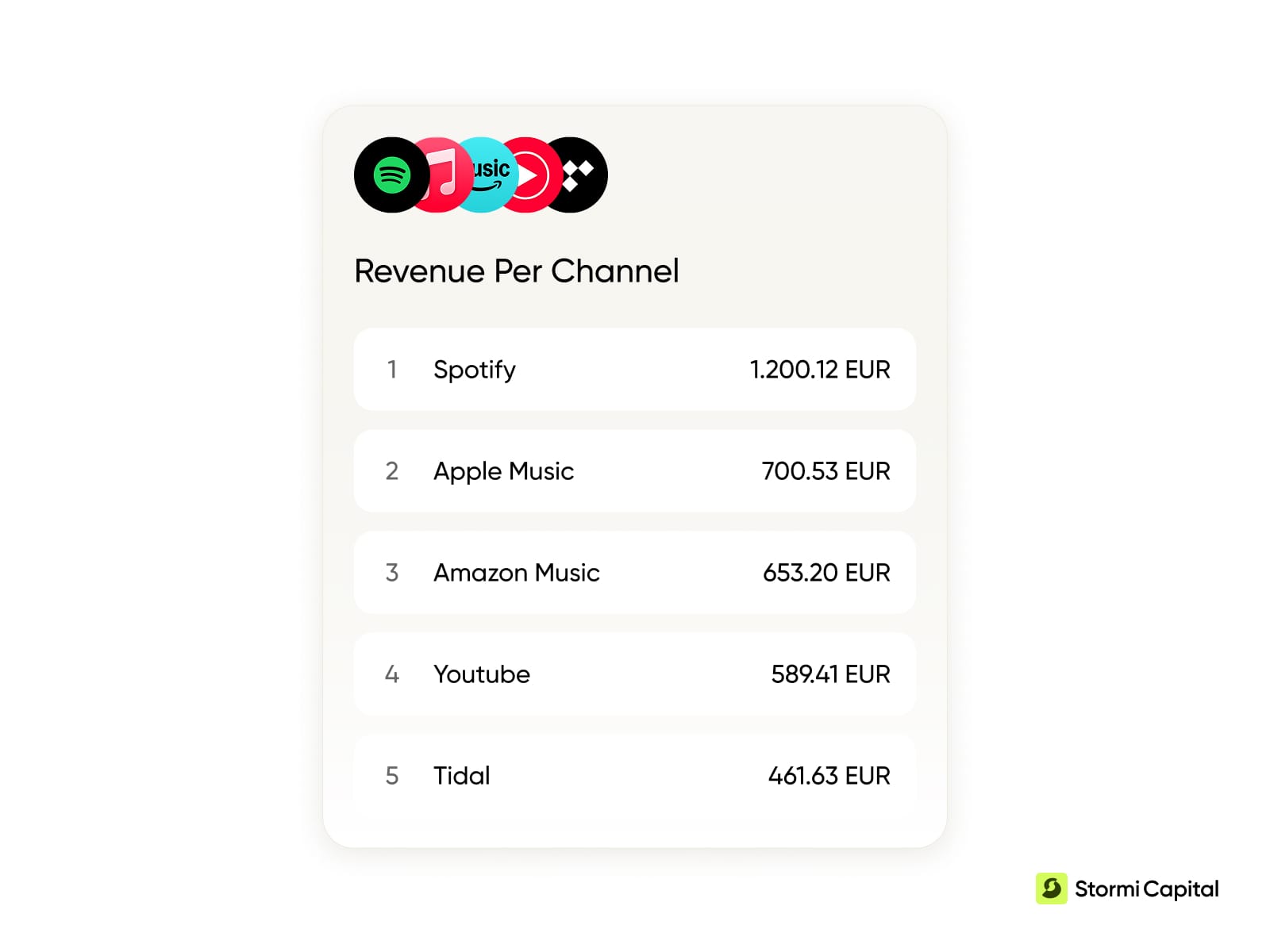
Stormi Capital is an integrated backend for independent labels, distributors and professional artists. Distribution, royalty administration, UGC monetization, data and funding in one system. Not a collection of tools stitched together, but a single operational layer built from the ground up for the way independent music businesses actually work.
Alongside the enterprise platform, we built Stormi Verified for emerging artists who want to start with professional infrastructure from day one. Because the gap does not only show up at scale. It shows up the moment an artist starts trying to build something real and discovers the tools available to them were designed for someone with different resources.
The Shift That Is Already Happening
The independent sector is not waiting to be taken seriously. It has already earned that. What it is waiting for is infrastructure that reflects it.
That shift is underway. The question for anyone running an independent label or artist operation right now is not whether better infrastructure exists. It is whether you are using it, or whether you are still rebuilding the same operational ceiling every time you grow past it.
The window to run an independent operation with the backbone of a major, while staying fully independent and keeping full control of your rights and revenue, is open right now. The labels and artists who move into that space will be the ones setting the standard for everyone who follows.
Luciano Winter is Founder & CEO of Stormi Capital, a Rotterdam-based music infrastructure company serving independent labels, distributors and professional artists across Europe and beyond. He co-founded an independent label with his brother in 2009, growing it into one of the most successful independent labels in their genre in the Benelux with billions of streams, before founding Stormi Capital in 2022.