

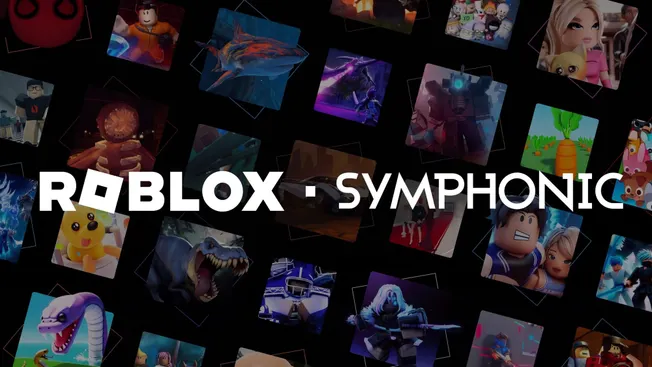
Symphonic just locked in a deal putting its catalog — hundreds of thousands of tracks across Latin, hip-hop, pop, rock, and electronic — into Roblox’s Creator Store and its new Moments discovery tab.
If you’re distributed through Symphonic, your music may now be sitting inside one of the largest gaming platforms on earth, available for developers to drop into games, jukeboxes, and sound objects.
The headline here is “new discovery surface, more royalties.” That’s true, but it’s not the interesting part for artists and managers. The interesting part is what this signals about where catalog placement is heading — and what you should actually do about it.
The framework: treat gaming platforms like a new DSP, not a sync opportunity.
Sync licensing is a negotiated, one-off placement. This is closer to streaming — your catalog sits in a library, usage is passive, and royalties accrue per play, collected and split the way your existing distribution deal already works.
That should set some expectations: you’re not going to get a check for a single placement, you’re adding a long-tail revenue stream that behaves like Spotify or YouTube, not like a sync fee.

Three things worth doing this week, not just reading about:
- Check your metadata, not your excitement. Deals like this only pay off if your rights splits and publishing contacts are accurate in Symphonic’s system. If a track has unresolved co-writer splits or outdated rightsholder info, plays on Roblox (or any new platform) just pile up in limbo. This is a metadata-hygiene moment, not a marketing moment.
- Think about which tracks actually fit the use case. Developers are browsing 15-second previews to slot music into games and jukeboxes — short, vibey, loopable, genre-legible tracks will get picked over sprawling album cuts. If you have instrumentals, loops, or high-energy short-form edits sitting unused, this is where they earn.
- Don’t expect discovery to replace your own marketing. “New listeners” from passive placement in a game is a nice-to-have, not a strategy. The artists who’ll actually benefit are the ones who pair this kind of passive catalog exposure with active moves — pointing their existing Roblox-playing fanbase toward the game experiences, or building community around the fact that their music is now “in-world” somewhere.
The bigger picture
Distributors are increasingly competing not just on where they get your music streamed, but on how many non-traditional surfaces (games, fitness apps, social AR) they can plug it into.
That’s a genuine upside for catalog monetization — but it also means the burden shifts to artists and teams to keep their rights data clean, because passive placement at scale amplifies whatever mess already exists in your metadata.