

By Neil Rosenbaum of Backline Now
The moment the house lights go dark can feel effortless. The crowd roars, the stage comes alive, and for the next two hours it looks like the show simply appeared at exactly the right time.
But live music is never effortless. It is the result of hundreds of people doing highly skilled work long before the first fan scans a ticket.
After more than two decades working in concerts, festivals, tours, and major live events, I’ve learned something important: the people farthest from the spotlight are often carrying the most responsibility. Great shows don’t happen because of one performer or one manager. They happen because an entire ecosystem of professionals shows up, solves problems, works long hours, and takes pride in getting it right.
This article is about those people — the ones fans rarely see, but every successful show depends on.
The Designers Who Imagine the Show Before It Exists
Long before tickets go on sale, someone is already thinking about what the audience should feel when the artist takes the stage.
Production designers work with artists and management teams to create the visual world of a tour or one-off performance. They shape scenic elements, lighting looks, video content, special effects, stage layouts, and how the entire show moves emotionally from song to song.
This work can take months. It also has to survive reality. Budgets, truck space, venue limitations, timelines, staffing, and engineering all have to align. Great design in live music isn’t just creative — it has to be buildable, movable, safe, and repeatable.
When fans say, “That show looked incredible,” they’re reacting to work that started long before rehearsals.
+Read more: "The Ultimate Promoter's Guide to Putting on a Memorable Concert"
The Engineers Who Make Big Ideas Safe
A stage may look like art, but it is also serious engineering.
Structural engineers review roof loads, speaker hangs, rigging points, ballast plans, wind exposure, temporary structures, and weight distribution. They help determine whether a stage can safely support video walls, lighting trusses, automation systems, pyrotechnics, or even performers flying through the air.
The public usually notices engineering only when something goes wrong somewhere in the world. In our business, the best engineering is invisible because it prevents problems before they happen.
The Venue Engineers Keeping the Building Comfortable
No fan buys a ticket thinking about HVAC. But they absolutely notice when it’s wrong.
Venue engineers are the people managing heating, cooling, ventilation, utilities, and building systems so thousands of guests can gather comfortably and safely. They adapt for changing crowd sizes, weather swings, and the added heat that comes from lights, equipment, and a packed room.
When a sold-out arena feels comfortable in the middle of summer or a winter show stays warm during load-in, there’s a skilled building team behind it.
The Overnight Conversion Crews
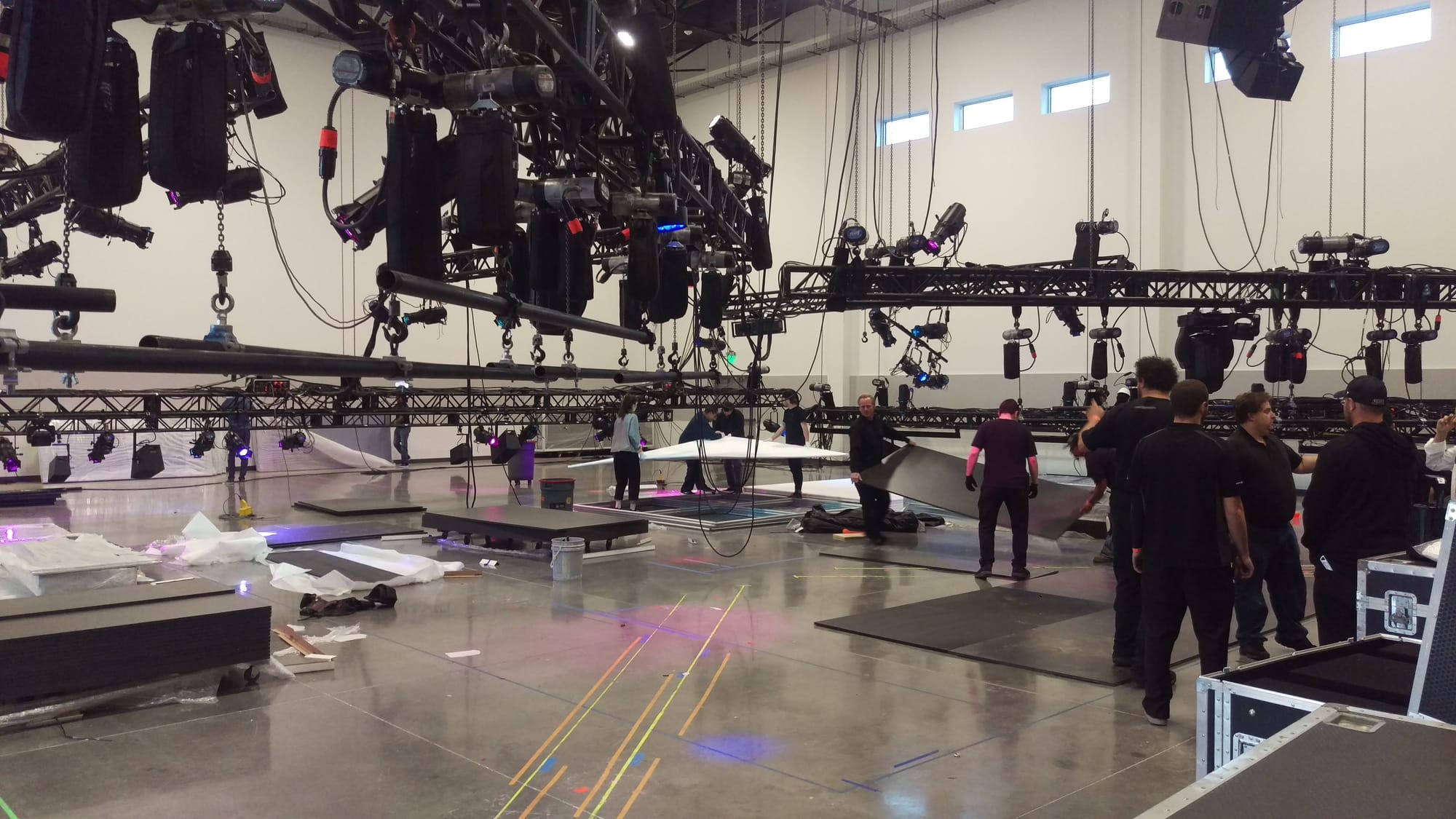
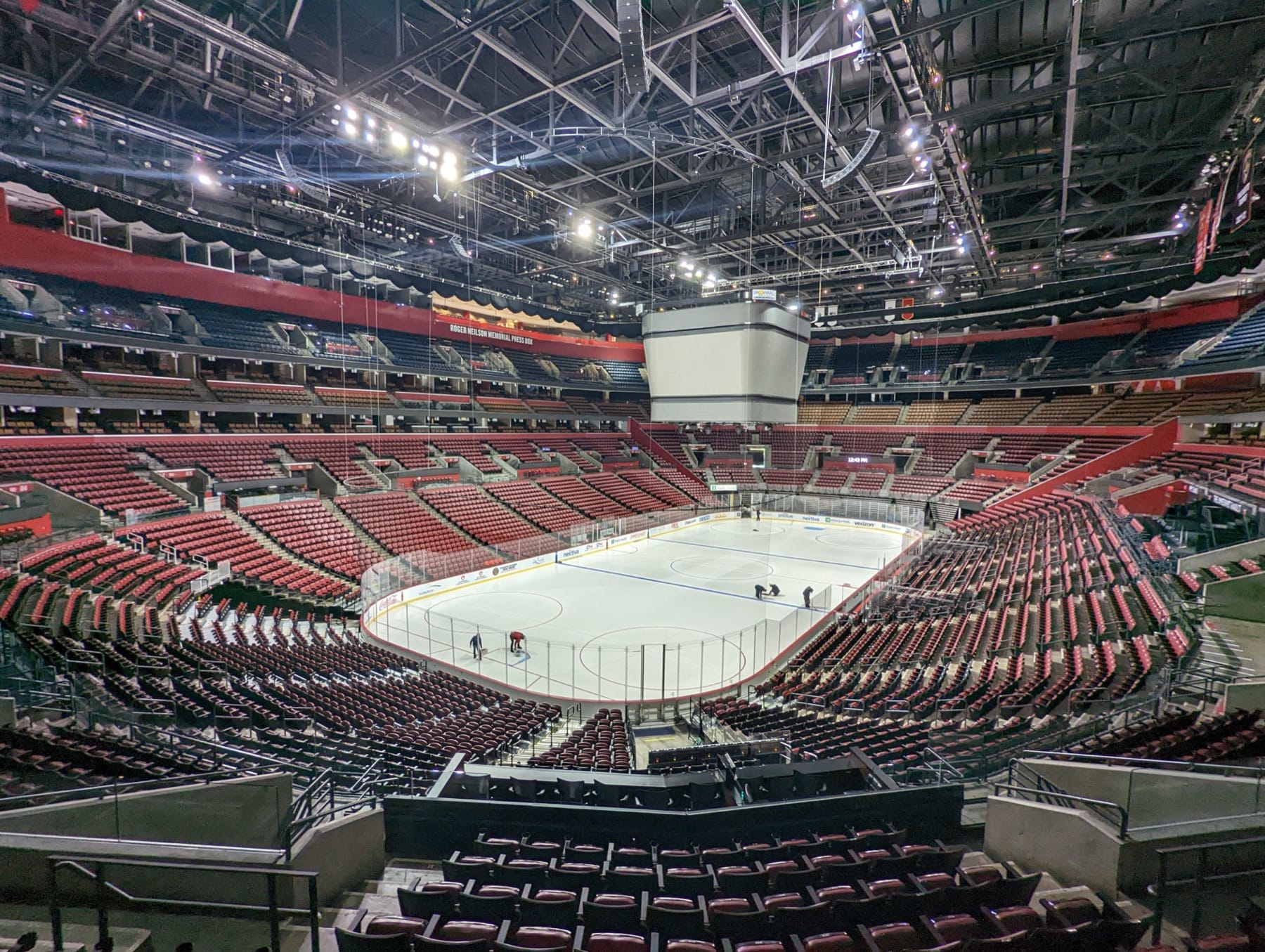
One of the most underrated miracles in live events happens after midnight. An arena hosts basketball on Friday night and a major concert on Saturday. A hockey rink becomes a family show. A stadium transforms from sports mode into a massive concert floor.
That happens because conversion crews work overnight changing flooring, seating layouts, barricades, staging surfaces, drape lines, and operational setups against impossible deadlines. Fans walk into a finished room. They rarely see the people who rebuilt it while the city slept.
The Parking Teams Starting Before Sunrise
For many touring productions, the first local people they meet are the parking staff.
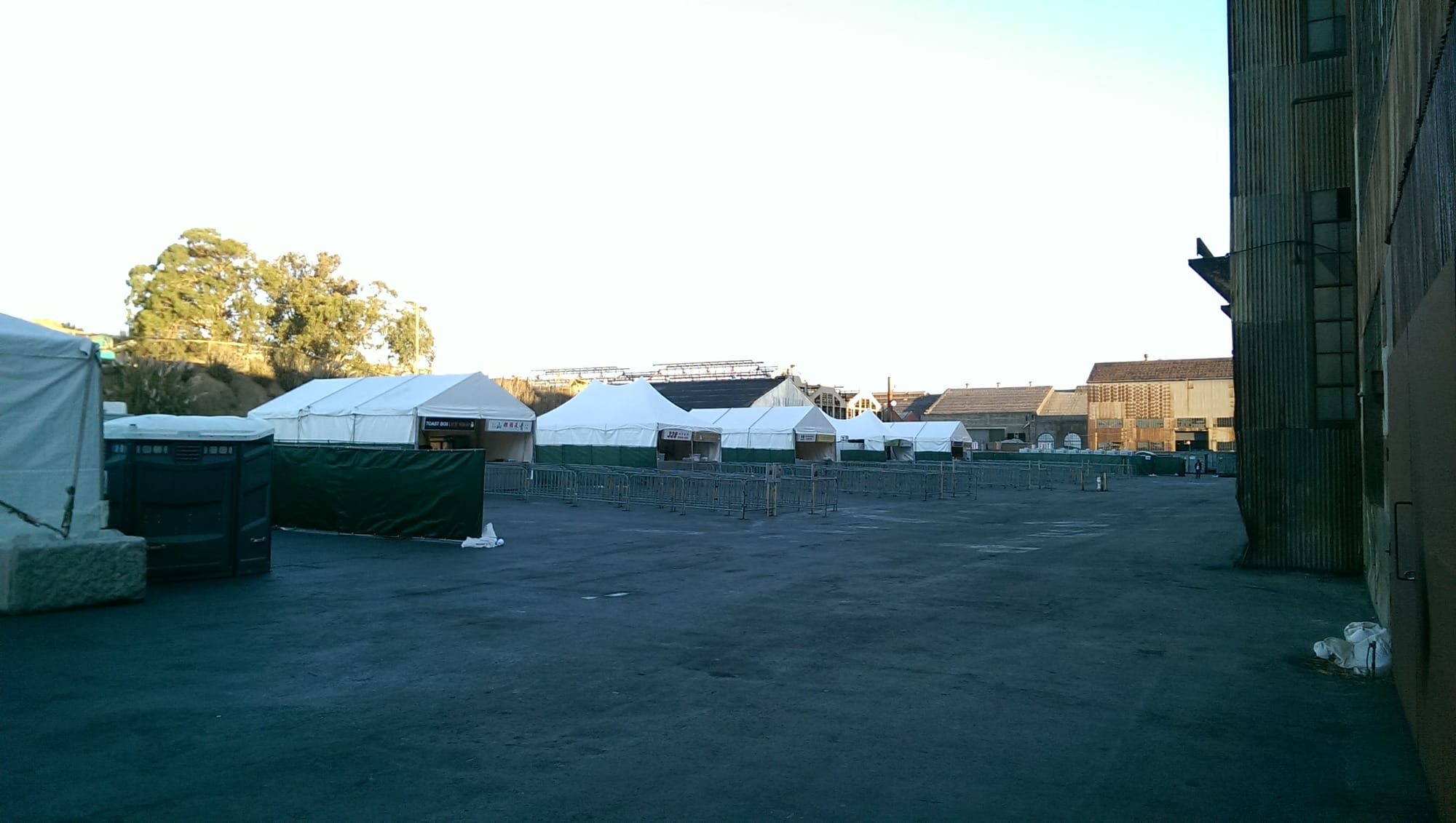
These teams manage truck docks, bus parking, credentialed vehicles, vendor arrivals, and traffic flow in spaces that are often tight, busy, and unforgiving. They help route semis through loading docks built decades ago and somehow make room for everything.
If parking runs smoothly, the whole day starts better. If it doesn’t, every department loses time.
The Stagehands Who Build the Show
If there is one group more people should know about, it’s local stagehands.
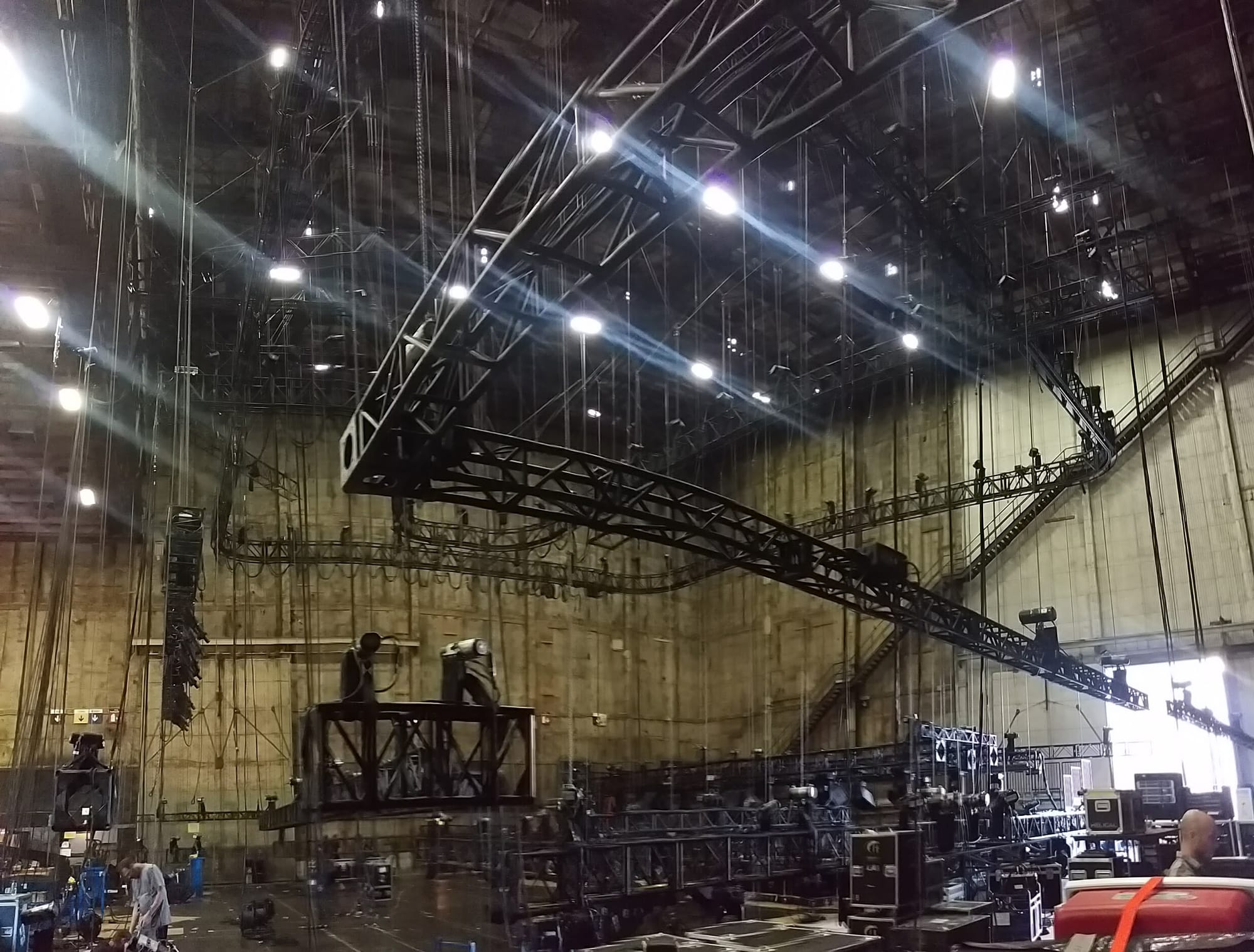
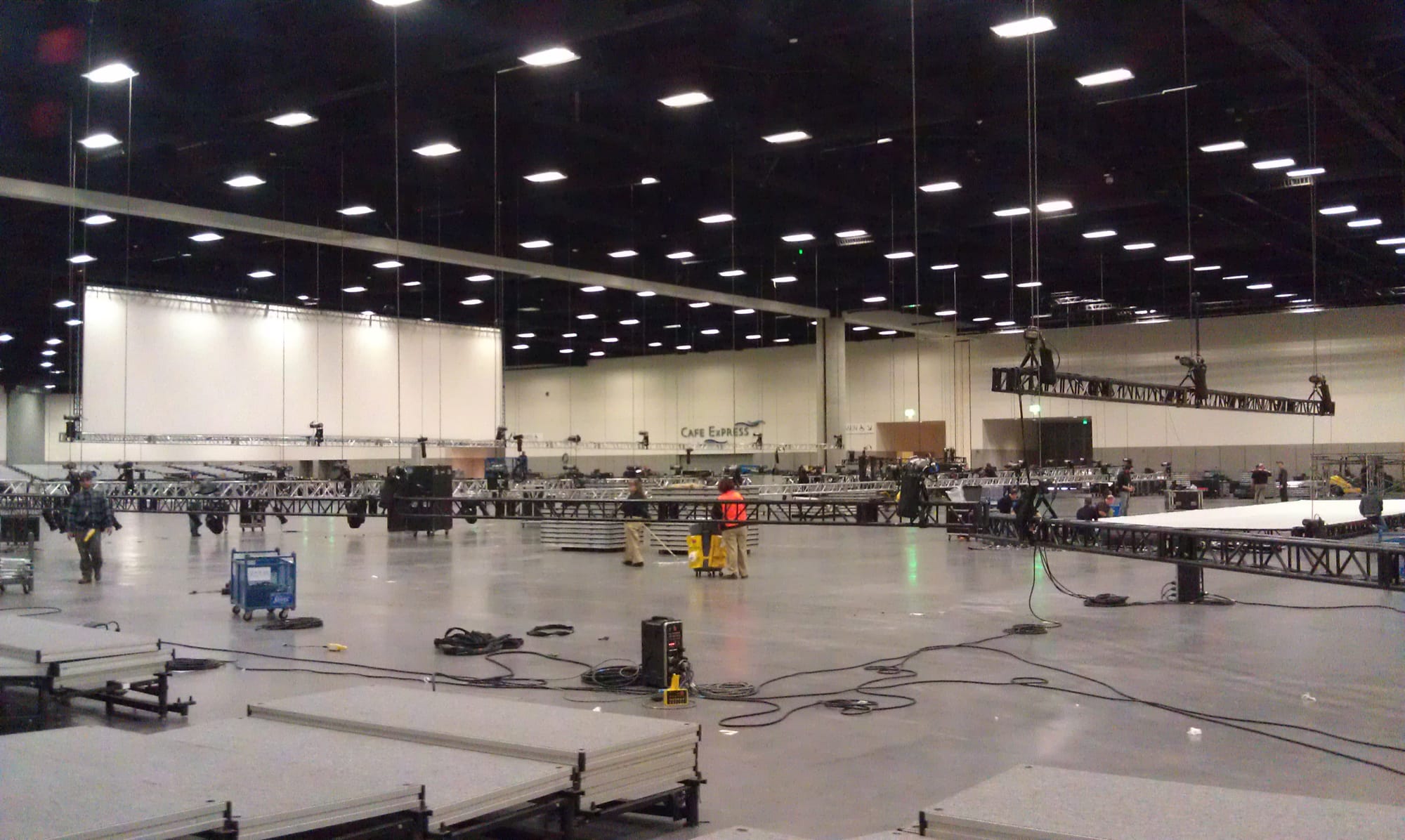
These crews are the backbone of live entertainment. They unload trucks, push road cases, build decks, run cable, hang lighting, assemble video walls, set barricades, and move gear all day long.
Many then transition into department roles:
- Audio crews flying speakers, running lines, and supporting consoles
- Lighting crews hanging fixtures, focusing lights, and operating followspots
- Video teams building LED walls and managing signal flow
- Riggers working high above the floor placing steel and motors
- Carpenters building scenic elements and stages
- Special effects teams supporting pyro, CO2, confetti, and atmospherics
Then, after the show, they do it in reverse.
The audience may remember the encore. Stagehands remember how many trucks still need to be loaded.
+Read more: "What Happens Before Doors Open: the Hidden World of Backline"
The Heavy Equipment Providers Behind Festivals
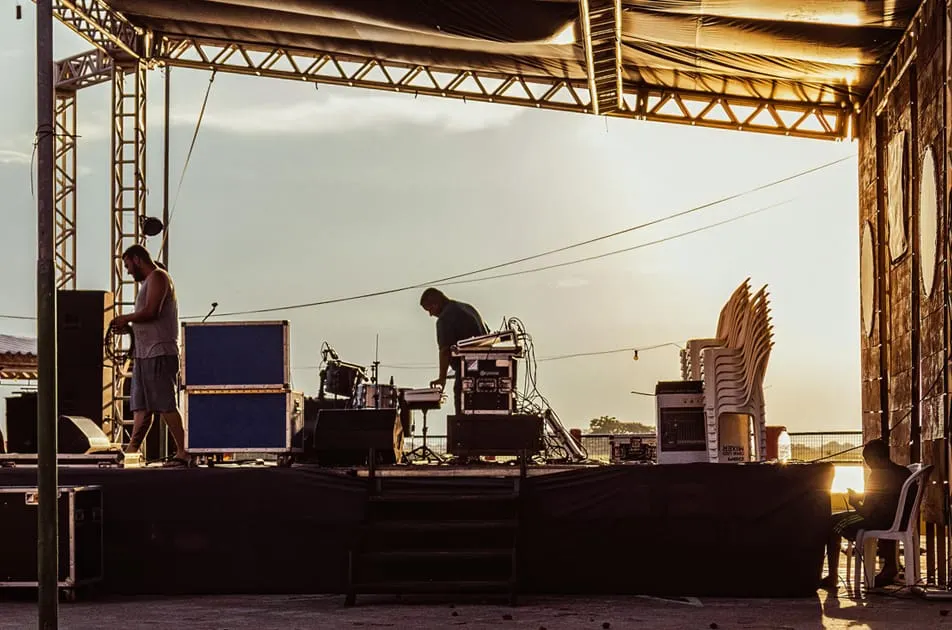
Festivals often look like they rise out of open land overnight. In reality, many are built over weeks.
Before artists arrive, heavy equipment vendors deliver fleets of forklifts, telehandlers, scissor lifts, boom lifts, golf carts, generators, light towers, and utility vehicles. These machines move steel, stage decks, barricades, fencing, power cable, scenic pieces, and supplies across large sites.
Without this equipment, many festivals simply could not be built on schedule.
The Fire Marshals and Safety Officials
Weeks before gates open, safety professionals are already reviewing plans. Fire marshals and local authorities often evaluate egress routes, occupancy loads, temporary structures, emergency access lanes, extinguisher placement, crowd safety plans, and life-safety measures.
They ask tough questions because they should. Live events gather thousands of people in one place, and public safety must be taken seriously. When a crowd exits smoothly after a sold-out show, part of that success was planned long before show day.
The Weather Teams Watching the Sky
Outdoor shows come with one variable nobody controls: weather.
Storm cells, lightning, wind, heat, and sudden weather shifts can force real-time decisions that impact fans, crews, and artists. Weather monitoring teams help promoters and operations leaders make informed calls on delays, evacuations, sheltering, and safe restart times.
It’s not glamorous work, but it can be some of the most important work on site.
The Runners Keeping Touring Life Moving
Touring artists and crew may arrive in a city for less than 24 hours. That means everyday life still has to happen fast.
Local runners help stock buses with groceries, pick up supplies, coordinate laundry, handle last-minute errands, source batteries, replace lost phone chargers, grab prescriptions, and solve whatever odd request appears at the worst possible time.
Every experienced production manager knows a great runner can save a day.
The Janitorial Teams Nobody Thanks Enough
Cleanliness affects morale more than people realize.
Janitorial crews keep restrooms serviced, dressing rooms refreshed, hallways clear, trash managed, and back-of-house areas functional from load-in through load-out. They’re not only maintaining front-of-house guest areas — they’re also helping crews work in usable backstage environments during very long days.
When a venue stays clean through a 16-hour production day, someone worked hard to make that happen.
The Caterers Feeding the Machine
Shows run on calories and coffee as much as they run on power and steel.
Catering teams feed artists, touring crews, local crews, production staff, security, and vendors—often across multiple meal windows with dietary needs, changing schedules, and hundreds of people cycling through quickly.
A hot meal at the right moment can reset an exhausted crew. In this business, that matters more than people think.
+Read more: "Live Music Festivals Are Decoupling From Intoxication"
Why I Love Talking About This at Schools
One of my favorite things to do is career day presentations. Many students love music and entertainment, but they assume the only jobs are singer, athlete, dancer, or DJ. They don’t realize an entire economy exists around live events: logistics, engineering, trucking, hospitality, design, operations, safety, electrical work, carpentry, audio, video, management, and more.
Our industry creates careers for creative people, technical people, organized people, builders, problem-solvers, and people who simply like being part of something exciting. Not everyone needs to be center stage to build a life in music.
Concerts Are a Team Sport
This list is not even comprehensive. It barely scratches the surface. There are credential teams, security staff, medics, electricians, merch teams, ticketing professionals, loaders, union crews, bus washers, IT support, and countless others who help make live events happen.
But that’s the point. Great shows are never the result of one person. They are team sports played at a high level under pressure. So the next time the lights drop and the crowd erupts, remember: before that one magical moment, hundreds of people were already at work making sure it could happen.
Fans see the star.
Those of us in the business know it takes an entire cast.
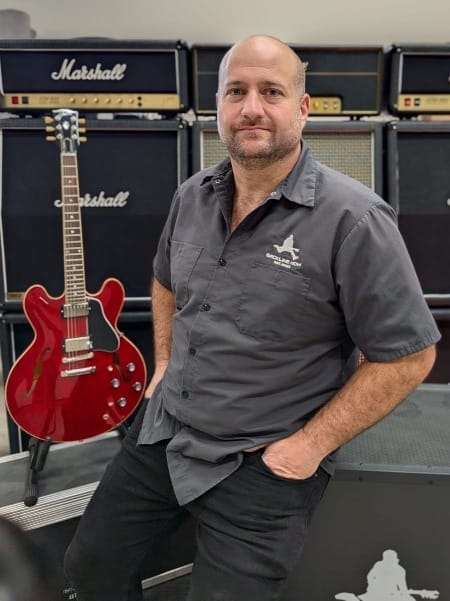
Backline Now is a premier musical instrument rental business based in Kansas City dedicated to supporting entertainment stages, venues, and musical acts throughout the Midwest. With a wide range of high-quality equipment and a commitment to exceptional service, Backline Now ensures that every performance is a success (whether you're a local band or a touring artist).