

By Neil Rosenbaum of Backline Now
When fans walk into a venue, they see the lights, the merch lines, the dark stage, and eventually the band walking onstage. What they don’t see is the world that made that moment possible.
That world is backline.
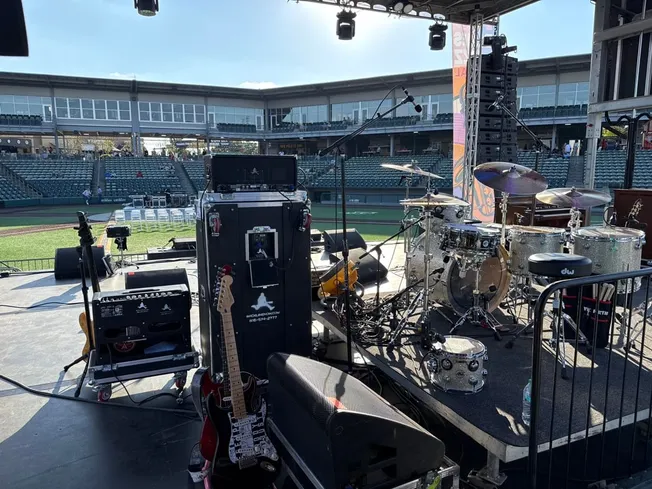
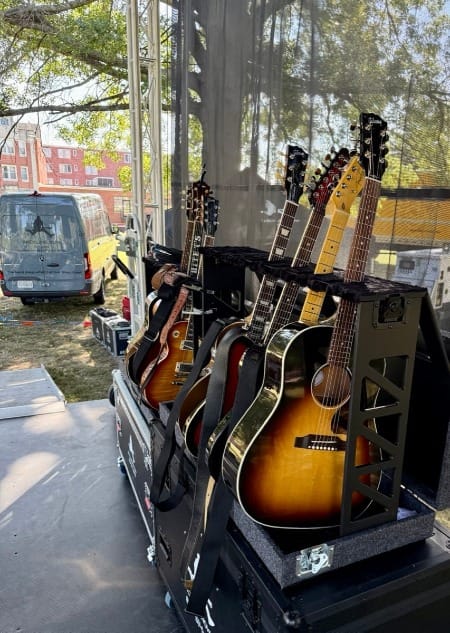
Backline is the instruments and equipment artists use on stage — drum kits, guitars, bass rigs, keyboards, amps, stands, pedals, thrones, cables, and all the details in between. It’s also the people who source it, prep it, transport it, set it up, troubleshoot it, and pack it down after the encore.
If everything goes perfectly, nobody notices us. That usually means we did our job right.
It Starts Long Before Show Day
Most backline orders begin when a promoter is booking talent for a show. Somewhere in that process, an artist’s backline rider gets sent over. That rider is the gear wish list: exact drum sizes, amp models, keyboard stands, strings, sticks, drum heads, and sometimes highly specific requests that only make sense if you’ve spent years on the road.
Our goal is simple: fill the rider exactly as requested.
Sometimes the artist team tells us, “This is our full touring rider — since it’s a fly date, we can simplify a few things.” Other times, every detail matters.
Promoters are naturally budget-conscious, but they also know artists don’t want to walk onstage and see low-grade gear. While the promoter may be the client on paper, the artist is the one trusting us in real time. That’s why cutting corners is never a smart move.
The Perfect Fly Date Doesn’t Exist
The best fly-date riders are realistic, clear, and tailored to the show. Those are gold. They help everyone win. Then there are festivals. Multiple bands, tight changeovers, shared drum kits, shared amps, shared keyboards, limited stage space, and no chance every artist gets their exact dream setup.
That’s where backline becomes equal parts logistics and diplomacy. We want every artist to have a smooth day, even when five bands are sharing the same stage gear.
The Real Work Happens at the Warehouse
People assume the hard part is show day. Sometimes it is. But one of the most important parts of a rental happens when the gear comes back. Returns mean inspection, testing, cleaning, recoiling cables, wiping cases, checking hardware, and making sure everything is ready to go again.
Road cases protect gear, but attention to detail keeps gear exceptional. Clients notice when cymbals shine, drums look fresh, and guitars feel dialed in.
Then comes prep for the next show.
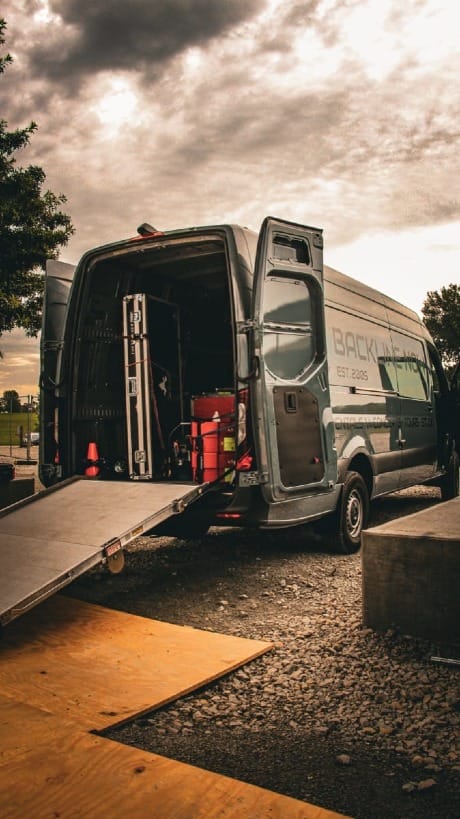
Depending on the schedule, we may be packing days ahead—or hours ahead during busy season. Drum heads get installed and tuned. Guitars and basses get fresh strings. Spare cables get packed. Cases get labeled. Trucks get loaded.
Then it’s wheels up.
+Read more: "In the New Era of Touring, Artists Are Planting in One City. For Weeks."
Arrival: Controlled Chaos
We usually aim to arrive before the artist. Ideally, security knows we’re coming, stagehands are ready, and we have a clear path to the stage.
Sometimes that happens. Sometimes it’s a muddy festival field where road cases are bouncing through grass and dirt on the way to the stage. Show business keeps things interesting.
Once we hit the stage, our techs move fast. We check the stage plot with audio and lighting, uncase gear, position amps, build drum kits, and make sure everything is where it needs to be.
If we haven’t met the production manager yet, we’ll often reference recent show photos or videos to get placement close before the artist arrives. A standard band setup can usually be show-ready in 90 minutes to two hours — assuming the day behaves itself.
Then the Artist Walks In
This is where the human side matters.
An artist arriving at a venue is stepping into the first moments of their workday. New room, new stage, new energy, rented gear, and a schedule that’s already tight.
We introduce ourselves casually: we’re the backline team, we’re here to help, and we’ve got you covered.
Drummers usually need the most time. There are dozens of stands, angles, clamps, cymbal heights, pedal tension, tom placement, snare height — the list never ends. Unlike a touring kit, there are no tape marks or memory locks already dialed in. We’re building comfort from scratch.
Some artists are ultra-precise. Others are happy with almost anything. Both are common.
Our Secret Weapon: The Workbox
Every serious backline tech has some version of it. The workbox is part toolbox, part emergency room, part magic trick.
Inside: strings, sticks, drum heads, earplugs, tuners, power supplies, batteries, tools, tape, straps, adapters, first-aid items, flashlights, and about twenty things nobody thinks they need until they suddenly need them.
It has saved more shows than most people realize.
Soundcheck Is Where Trust Gets Built
Once the artist is comfortable, soundcheck begins. Monitors get dialed in. Front of house gets levels. The band runs sections of songs.
Meanwhile, backline techs are watching everything. Need a cymbal adjusted? Need a different snare? Amp buzzing? Pedalboard issue? Keyboard stand wobble? We’re already moving.
Sometimes our techs are standing side-stage or even onstage making final tweaks while songs are being tested. The audience never sees this part, but it’s often where confidence for the night gets built.
The Quiet Hour Before Doors
After soundcheck, artists usually head to catering, dressing rooms, or back to the hotel. We stay with the gear.
We spike-mark equipment locations so anything moved can return exactly where it was. We tighten hardware. Recheck drum memory locks. Clean fingerprints off guitars, cymbals, and keys. Make sure amps are ready. Confirm cables are patched correctly.
Then we do it again before doors open.
+Read more: "An Indie Artist Guide to Partnering With Local Brands"
Showtime
Once the house opens, the room changes. Fans enter. Energy builds. Lights dim. Before the band walks onstage, there’s usually one last line check to confirm signal is flowing through every mic and instrument. No one wants the first note of the night to reveal a problem.
When the show starts, we move to the wings. Artists focus on the crowd. We focus on the instruments. Broken string? We’ve got the backup guitar ready. Snare head split? We’re already moving. Pedal issue? We’re there.
If everything goes well, nobody notices us. Perfect.
After the Encore
The band leaves the stage. Fans head home. But for the backline team, the day isn’t over — it’s just shifted into the final gear.
We wait for clearance from the Stage Manager, roll cases back onstage, clear cups and drinks out of the work area, break everything down, repack quickly, and begin the push back to the dock. Load-out is usually faster than load-in, but after a full day on site, it can be the most exhausting part.
Then comes the final sweep: every cable, every stand, every pedal, every drum key, every small accessory that can disappear in the dark after a show. Miss one piece tonight, and you’ll feel it tomorrow.
Once the truck doors close, we shake hands with the crew, say goodnight, and head back to the warehouse. Sometimes that means checking gear back in immediately. Sometimes it means turning it around for the next morning’s show.
And that brings us back to where this article started. What happens before doors open is only possible because of what happens after they close. Every successful load-in begins with a disciplined load-out, a clean reset, and gear that’s ready to go again.
Why We Love It
Most backline people are musicians themselves. Everyone on our team plays something, and that connection matters. We understand the feeling of wanting an amp to respond a certain way, a snare to crack just right, or a keyboard to feel familiar in an unfamiliar room.
That’s what makes the work rewarding. We’re not just moving equipment — we’re helping create the conditions for great performances. If we do our job perfectly, fans never think about the instruments at all. They just experience the music.
And honestly, that’s exactly how it should be.
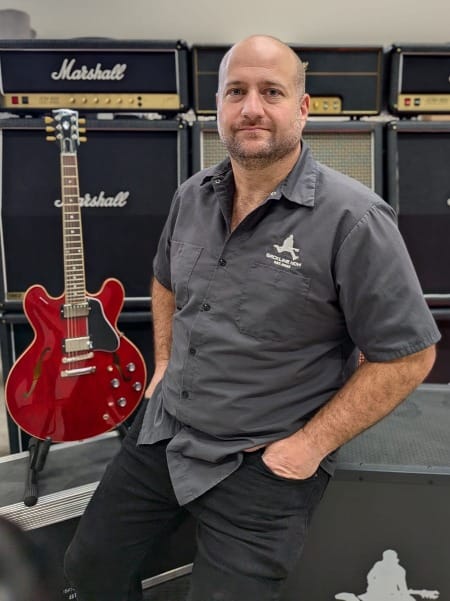
Backline Now is a premier musical instrument rental business based in Kansas City dedicated to supporting entertainment stages, venues, and musical acts throughout the Midwest. With a wide range of high-quality equipment and a commitment to exceptional service, Backline Now ensures that every performance is a success (whether you're a local band or a touring artist).