

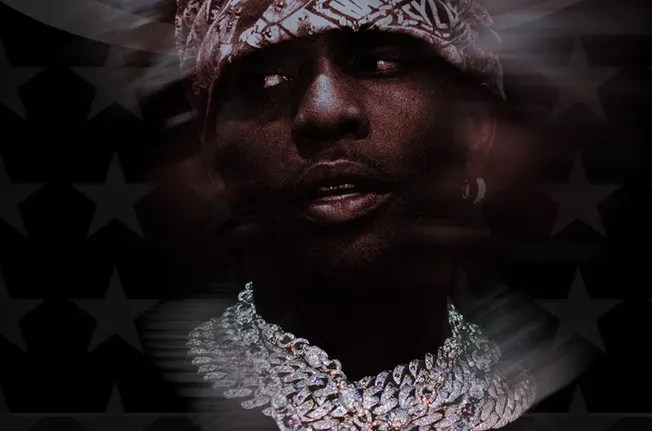
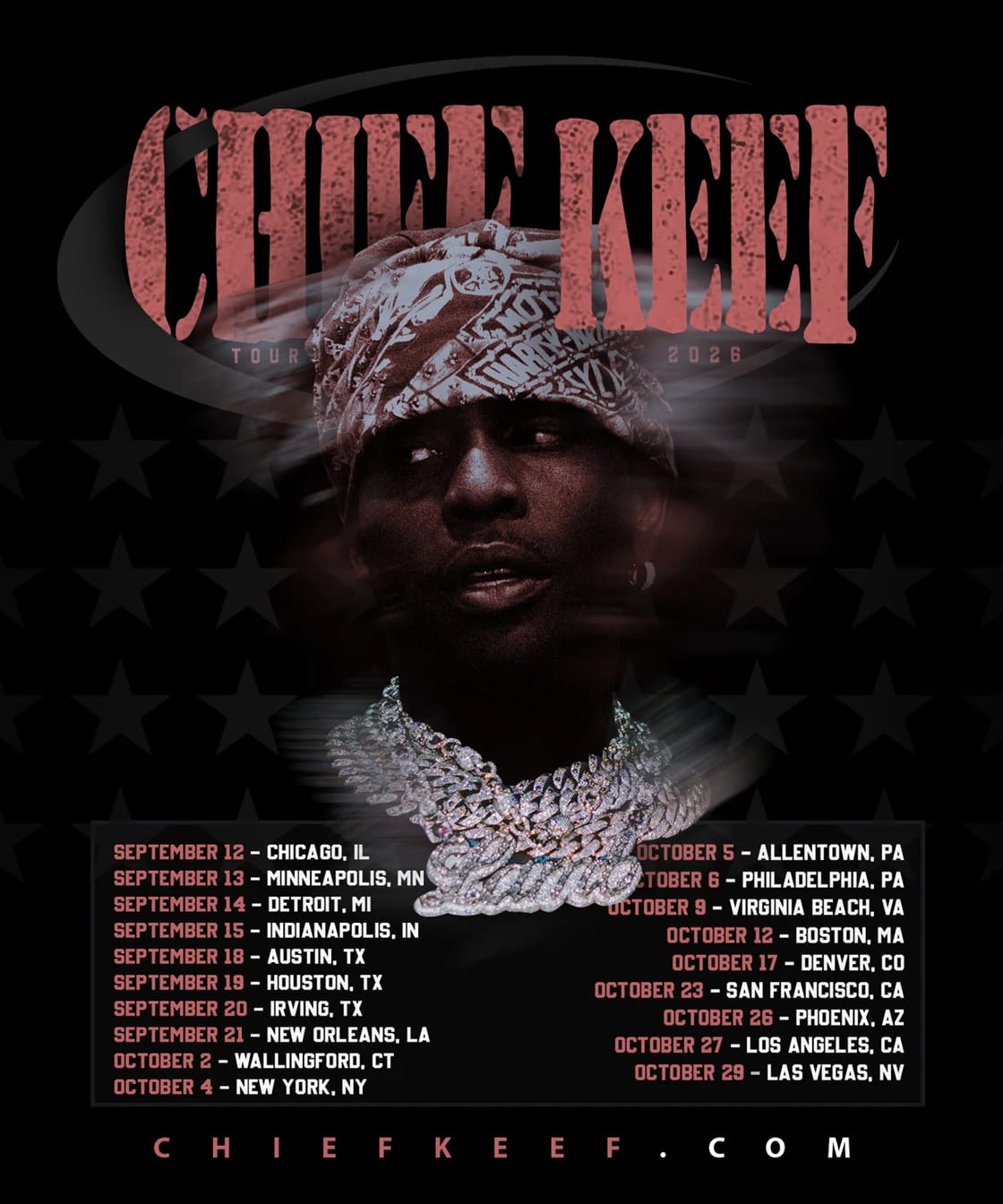
Chief Keef is opening his next US tour at home, and Chicago has already bought up the tickets.
His September 12 show at Huntington Bank Pavilion at Northerly Island is sold out, according to Pollstar. This concert launches a 19-date run that wraps October 28 in Las Vegas. For many artists, selling out a hometown show is not really newsworthy at all... For Keef, it's all kinds of complicated.
This comes with a history that makes just the booking itself meaningful.
The rapper helped turn Chicago drill into an internationally influential sound while his own relationship with the city’s live stages deteriorated. Legal troubles and opposition from officials complicated his ability to perform locally, even as songs like “I Don’t Like” and “Love Sosa” carried his music far beyond Chicagoland.
But one of the most bizarre chapters in this story came in 2015, when even a hologram proved too much.
Keef planned a benefit concert to raise money for the family of Dillan Harris, a toddler killed by a vehicle fleeing a shooting. Then-Mayor Rahm Emanuel’s office asked the Chicago venue to cancel, describing Keef as “an unacceptable role model.”
When the hologram appeared instead at a festival in nearby Hammond, Indiana, police cut the power.
+Read more: "What If a Tour Gave Back as Much as It Took?"
His eventual return finally happened in June 2024 at Summer Smash in suburban Bridgeview: his first Chicago-area performance in nearly 12 years, for more than 40,000 people. Reviewing the show, The Chicago Sun-Times described a more assured performer, joined onstage by his daughter.
Ahead of that appearance, his manager said Keef had resolved outstanding legal matters and “made amends” with Chicago officials.
Now, a sold-out tour opener within Chicago itself suggests that homecoming has staying power. And that his fans weren't just in it to watch a car wreck.
+Read more: "Maroon 5 Played a Hedge-Fund Guy's Birthday — the Whole Town Showed Up."
For independent artists, not all of us can relate to what Chief Keef has been through, but there's a useful music-business lesson here.
An artist’s relationship with their local audience can survive years of institutional resistance. In fact, one's local community is always where you should turn when things in your career go astray. Gatekeepers, promoters, and city officials don’t necessarily have to agree about your worth, if you build it from the ground up.
In this case, a sellout gig doesn’t amount to an apology from City Hall. But it gives an artist whose image once prompted authorities to pull the plug the hometown momentum they need to power the rest of an arduous national tour run.