

A concert venue can replace a microphone between soundcheck and doors. Replacing a blown loudspeaker, overheated amplifier or damaged piece of rigging is considerably more complicated.
That is why PA maintenance should not begin when something sounds wrong. For venues and festivals, regular cleaning, careful cable handling, and sensible operating levels can prevent many common failures. From daily tests to weather protection and rigging inspections, here is how to keep a professional sound system healthy, reliable, and ready for the next show.
1- Start Every Show With a System Check
Before soundcheck, send a familiar reference track, pink noise or another consistent test signal through the system. Walk the room or festival site and listen to every main hang, fill, delay and subwoofer zone. You are not trying to tune the entire PA from scratch. You are looking for changes: a cabinet that has gone quiet, a distorted driver, an intermittent connection, unexplained hum or one side of the system sounding different from the other.
Check amplifier and processor software for thermal warnings, muted channels, impedance irregularities and persistent limiting. Small inconsistencies often provide the first warning of a much larger failure.
2- Give Amplifiers Room to Breathe
Heat is one of the biggest enemies of audio electronics. Amplifier racks, powered speakers and processors need unobstructed ventilation, clean air and an environment that stays within the manufacturer’s operating limits.
That means keeping vents free of dust, leaving the required clearance around active cabinets and making sure rack-room air conditioning can handle the heat generated during a full-capacity show. Q-SYS notes that clean, low-humidity and unobstructed airflow is critical to amplifier longevity.
Outdoor events add another challenge. Black speaker cabinets and amplifier panels can become extremely hot in direct sunlight. Use properly secured shade structures where appropriate, but never drape material over vents or create a makeshift cover that traps heat. In some cases, direct sunlight can reduce an amplifier module’s ability to deliver full output. The exact requirements will vary, so the manual for each piece of equipment should remain the final authority.
+Read more: "Backstage Pass: Turning Live Venue Operations Into a Well-Oiled Machine"
3- Keep Dust Out — Without Cleaning Too Aggressively
Dust blocks airflow, holds moisture and works its way into faders, fans and electrical contacts. Venue systems should be dusted regularly, while portable festival equipment should be cleaned before it is packed away.
Disconnect equipment from power before cleaning it. Use a soft, dry microfiber cloth and a gentle brush or appropriate vacuum attachment for loose surface dust. Avoid spraying cleaner directly onto a speaker, console, amplifier or connector. Some manufacturers specifically warn against aerosols and chemical cleaners near their equipment; QSC recommends a dry cloth for its powered speakers, while Yamaha similarly advises unplugging equipment before cleaning and avoiding solvents.
Cleaning is also an opportunity to inspect the gear. Look for cracked enclosures, loose handles, rattling grilles, damaged power cords, missing hardware, bent connector pins and signs of corrosion. If liquid has entered a cabinet or rack, do not simply wait until the exterior looks dry and power it back up. Remove it from service and have it inspected by a qualified technician.
4- Treat Cables as Part of the PA
Many apparent “speaker problems” are actually cable or connector problems. Inspect audio, speaker, network and power cables for crushed jackets, exposed conductors, damaged strain relief, loose connector shells and bent pins. Test intermittent cables away from the show and retire anything that cannot be trusted. A cable that works when held at a particular angle is not repaired — it is warning you.
Coil flexible audio cables using the over-under method so they deploy flat without twists. Secure them with reusable straps, label both ends and store different cable types separately. Avoid sharp bends, tightly cinched ties and winding cables around an elbow, all of which place unnecessary stress on the conductors.
+Read more: "8 Payment Tools Built for Concert Venues"
5- Stop Running the System at the Edge
A PA should be sized so that it can meet the venue’s coverage and level requirements without spending the entire show in distress. Q-SYS describes the purpose of proper gain structure as achieving a good signal-to-noise ratio while avoiding clipped signals.
A limiter flashing occasionally during a loud transient may be doing its job. A limiter illuminated through entire songs is telling you that the system has little room left. Do not respond by defeating protective processing or indiscriminately adding gain elsewhere.
Feedback also deserves immediate attention. It occurs when sound from a loudspeaker re-enters an open microphone and is amplified repeatedly, as Shure explains in its guide to controlling feedback. Better microphone and monitor placement, sensible stage volume and precise EQ are safer solutions than simply pushing the system harder.
6- Power Up and Shut Down in the Right Order
Uncontrolled power-up pops can damage drivers and produce a frightening blast through an otherwise healthy system. With levels down or outputs muted, turn on source equipment, the console and processors first. Power amplifiers or active loudspeakers come on last. When shutting down, reverse the sequence: amplifiers and powered speakers go off first.
Avoid connecting or disconnecting live audio cables while the system is open. If something must be repatched, mute the affected channel or output before touching the connection. Yamaha’s professional-audio guidance similarly recommends powering speakers last and shutting them down first to help prevent speaker damage.
+Read more: "A Venue's $70 Million Renovation to Fit… Less People?"
7- A Real Weather Plan
An outdoor festival needs more than a few plastic sheets kept backstage. Confirm the weather rating of every cabinet, connector and electrical enclosure. An IP rating applies only under specific conditions and does not mean equipment can be treated as waterproof. Open connector panels, improperly fitted covers and wind-driven rain can still create an unsafe situation.
Speaker positions, amplifier racks and front-of-house equipment need properly engineered protection from rain, mud, direct sun and standing water without sacrificing airflow. Temporary electrical distribution should be designed and installed by qualified personnel, with appropriate grounding and fault protection.
Just as importantly, establish who has the authority to mute, shut down and de-energize the system when conditions become unsafe. That decision should not be improvised after the storm arrives.
8- Inspect Anything That Flies
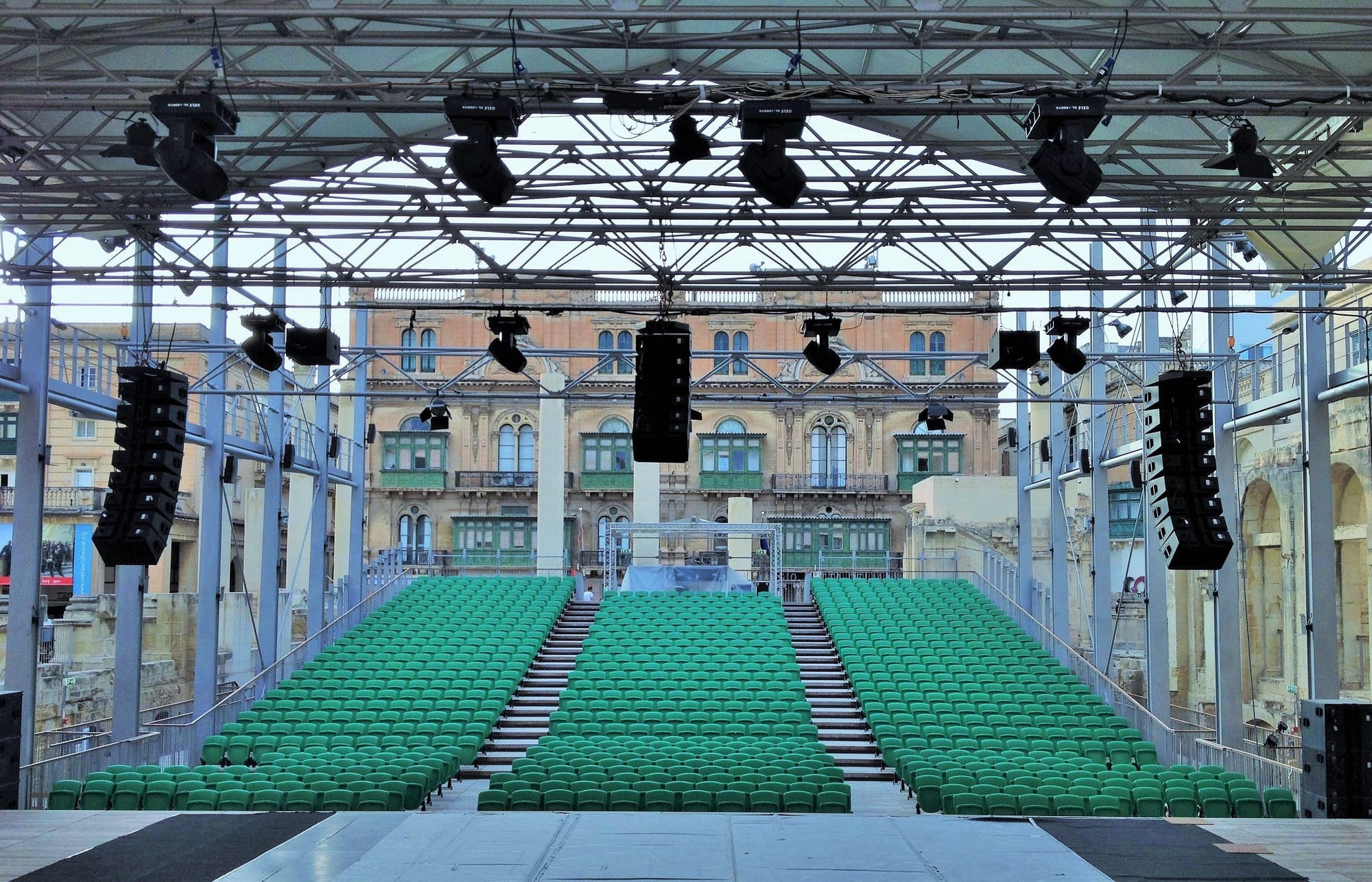
Rigging maintenance is a life-safety responsibility, not an audio tweak. Before every deployment, inspect loudspeaker rigging points, pins, links, frames, shackles and associated hardware. Any cracked, bent, corroded or otherwise questionable component should be removed from service immediately.
A d&b rigging manual calls for a visual inspection of the complete system before an array is assembled. The company also recommends documented inspections and a log containing inventory, serial numbers, event history and test certificates.
Flown systems should only be assembled and inspected by people with the appropriate training, following the manufacturer’s instructions and applicable local regulations. Paint, tape and optimistic thinking are not rigging repairs.
+Read more: "Backstage Pass: Tobi Parks of Tour Tech & xBK on Closing the Live Music Data Gap"
9- Store and Transport Everything as Carefully as You Use It
Road cases, padded covers and rack lids protect equipment from impacts, dust and moisture. They also keep related components organized, making it less likely that an essential cable or accessory disappears between shows.
Do not pack wet equipment into sealed cases. Dry and inspect it first. Store speakers and electronics in a clean, reasonably climate-controlled space rather than a damp basement, hot trailer or loading area where condensation is common.
Firmware and console files need maintenance too. Back up system configurations, show files, presets and network documentation. Install manufacturer-approved updates during a planned maintenance window (not an hour before doors) and confirm that the system works properly afterward.
A well-maintained PA does more than save repair money. It reduces last-minute emergencies, protects staff and audiences, and gives every artist walking onto the stage a system they can trust.