


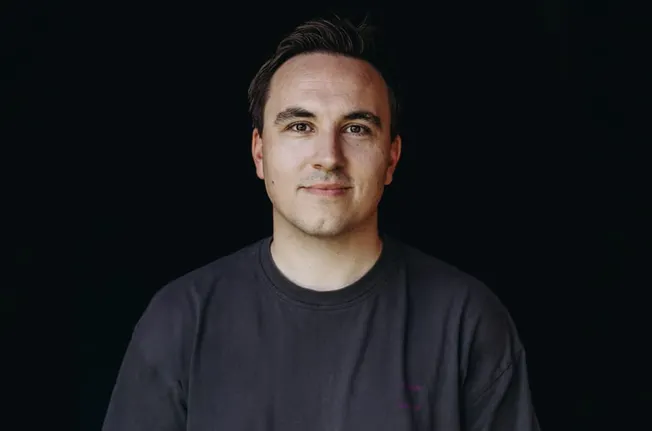
By Sander Stijnen of Symphonic
There has been a lot of talk lately about the music industry “killing” independence, but that couldn’t be farther from the truth.
The reality is, independence is not disappearing, it is being redefined. And honestly, that is a good thing. The artists and labels winning today are the ones combining independence with real infrastructure, strategy, and global execution.
But if independence isn’t shrinking, how is it actually changing?
The Game Is Changing
The conversation is not about decline. It is about transformation. More “independent” options are now tied to larger ecosystems. That means influence over data, deals, and ultimately results is becoming more centralized. The real question is no longer about who can distribute your music, it's about who you share a genuine alignment with.
At the same time, distribution itself has become a commodity. Uploading your music to Spotify, Apple Music, and every other DSP does not set you apart. What matters is everything that happens after your music is uploaded. Strategy, data, and execution are where the real difference is made. This is especially true when over 100,000 tracks are being uploaded every single day.
Artists and labels aren’t just looking for a pipeline anymore. They want context. They want guidance. They want to talk to a real person whether it’s about a release plan, a data question, or just gut-checking an idea, they need someone who actually cares about their music on the other side of that transaction. Access alone isn’t enough.
We’re seeing this play out in real time. Artists like Naarly and Luna Morgenstern are building audiences far beyond their home markets. And this isn’t because their music is available globally, it’s because there’s a clear strategy behind how their stories are told, how they’re positioned on DSPs, and how their releases are executed. That combination of global reach and intentional execution is what’s driving results in today’s music market.
Yes, artists can blow up overnight on TikTok, but building a career across multiple markets? That takes so much more. That takes local knowledge, platform expertise, and coordinated execution. Now that is the real change.
Independence today isn’t about doing everything yourself, it’s about building the right infrastructure around you, all without giving up control.

+Read more: "Why Running a Successful Indie Label Is Still Harder Than It Looks"
DIY Without Riding Solo
Unfortunately, this shift has created a gap. DIY tools don’t scale. They’re great for getting started, but they fall short where it matters most: strategy, marketing, long-term growth. More tools won’t fix that, but better guidance will.
On the other side, major systems offer resources, but it’s often on their terms. That can mean less flexibility, less transparency, and priorities that don’t always align with the artist or label.
So you end up with a weird middle ground:
- Full independence, no support
- Or support, but with strings attached
Artists and labels aren’t struggling because they lack tools. They are struggling because they’re either doing everything alone, or stuck in systems that weren’t built for them in the first place.
That is the friction point creating this transformation in independent music.
This Is Happening Now
This transformation isn’t theoretical, it’s already happening. Artists are building global audiences without major labels. From day one, they are using DSPs, social platforms, and the right strategy to grow internationally, on their own terms.
Labels are doing the same. Scaling real businesses, growing catalogs, and expanding revenue channels. All while keeping control over their deals, their data, and their direction. The ambition hasn’t changed, just the infrastructure. The tools, access, and opportunities are there, the difference now is how you use them.
+Read more: "Why No One Is Reviewing Your Album"
Teamwork Makes the Streams Work
Doing everything yourself doesn’t scale, and it certainly doesn’t win. The artists and labels breaking through today aren’t choosing between independence and support, they’re choosing both. Because the real shift isn’t about access, it’s about alignment.
Independence today is about choosing the right partner. One that brings infrastructure without taking control, strategy without limiting flexibility, and global reach without losing local understanding. That’s the difference between staying independent and actually growing as one.
So, What Should You Do Next?
If you are navigating this shift, here’s what actually matters:
- Don’t confuse access with advantage — Getting your music on a DSP is easy. Standing out is not. Focus on what happens after release: momentum, marketing, and consistency.
- Start building your team early — Don’t wait for things to “take off.” The right people help create momentum, not just react to it.
- Prioritize strategy over volume — More releases don’t equal more growth. Strong positioning, timing, and execution will always outperform quantity.
- Think global, act local — Your music can reach everywhere, but every market behaves differently. Adapt your approach to each one as you can.
- Protect your leverage — Ownership, flexibility, and your data matter. Growth shouldn’t mean giving up control. Keep as much under your control as possible.
The future of independence isn’t isolation, it’s intentional collaboration.
The artists and labels who will thrive in this next era aren’t the ones trying to do everything alone, and they aren’t the ones giving away control for convenience. They’re the ones building sustainable ecosystems around their music, rooted in ownership, strategy, and the right partnerships.
Independence was never about standing still. It has always been about adapting, evolving, and creating your own path forward. And today, more than ever, that future is still wide open.
Sander Stijnen is the Director of Business Development EU (The Netherlands) at Symphonic. Stijnen is a seasoned music executive with more than ten years of experience spanning both the independent and major label worlds. At Warner Music Group, he led the Benelux launch of ADA, the company’s global distribution service, and later took on the role of Head of A&R, signing breakout artists who achieved chart success across multiple markets.