

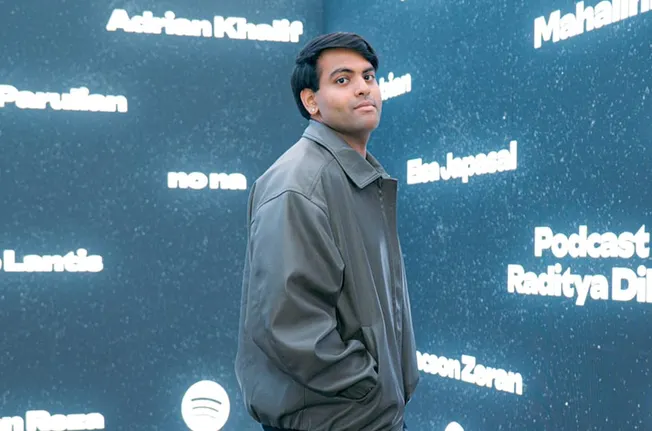
By Karan Dasgupta, Founder of UpNComer
It's release week, and while the music is finished, the artist's job is just getting started. There's a distributor to check, streaming dashboards to monitor, ads to launch, and royalties to track, on top of assets and campaign notes scattered across half a dozen different apps, with audience data living somewhere else entirely.
None of these tools are bad; most of them are genuinely excellent at what they do, and that's exactly what makes the real problem so easy to miss.
Independent artists today aren't really short on tools to build a complete release strategy. What they're short on is a system that ties those tools together.
We Solved Every Individual Problem, But...
Music technology has spent years breaking an artist's career into smaller problems and building software around each one. Need to distribute your music, build a smart link, or run ad campaigns? There's almost certainly a specialist service built to solve exactly that.
That progress has genuinely mattered, removing gatekeepers, lowering costs, and giving musicians capabilities that used to require a label. The hidden cost is that every new solution also became another login, another dashboard, and another subscription to track, so artists ended up with every individual problem solved and no sense of how the pieces fit together.
The Modern Artist Is Running a Company
“Independent artist” sounds like a simple job description: make music, release music, build an audience. In practice, an independent artist today is often simultaneously responsible for marketing, financial tracking, release planning, distribution, and branding, which amounts to running a small company without the company built around it.
A startup usually spreads those functions across a team, while an artist usually has one person handling all of them: the artist. That's how the same technology built to make musicians more independent can quietly turn into an enormous operational burden, and it's worth remembering that being independent should mean owning your career rather than spending that career operating software.
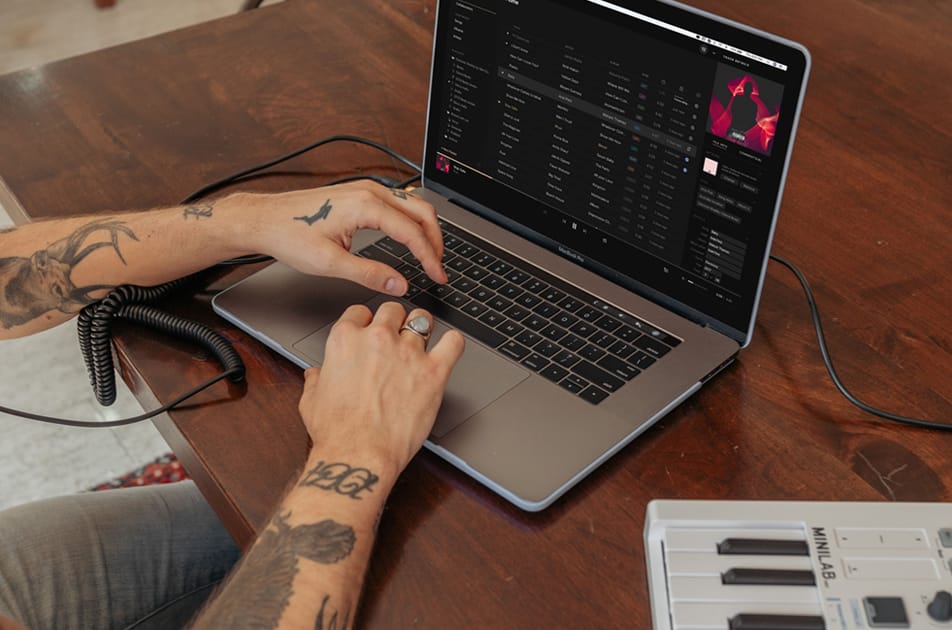
+Read more: "Why Are We Still Managing Modern Releases Like It’s 2005?"
The Hidden Cost Isn't the Subscription
When artists compare tools, price is usually the first thing they weigh, but the more important cost is usually attention.
Picture an artist trying to figure out why a release underperformed. Streaming numbers, ad performance, social engagement, and revenue all live in separate systems, each showing one slice of the same story that the artist has to assemble by hand.
That's constant context switching, and the mental reset between tasks tends to cause more friction than the tasks themselves. Over weeks and months it adds up to duplicated work and missed opportunities, plus the familiar feeling of spending an entire day “working” on a music career without making any music. The real question worth asking runs bigger than any single platform: what happened across the artist's whole career, and why.
Artists Should Start Thinking in Workflows, Not Tools
Musicians usually ask what's the best tool for a job, when a more useful question is how that tool fits into the rest of their workflow. If an artist still has to manually move information between five platforms, remember what happened in each, and decide what to do next, the software has only solved part of the problem.
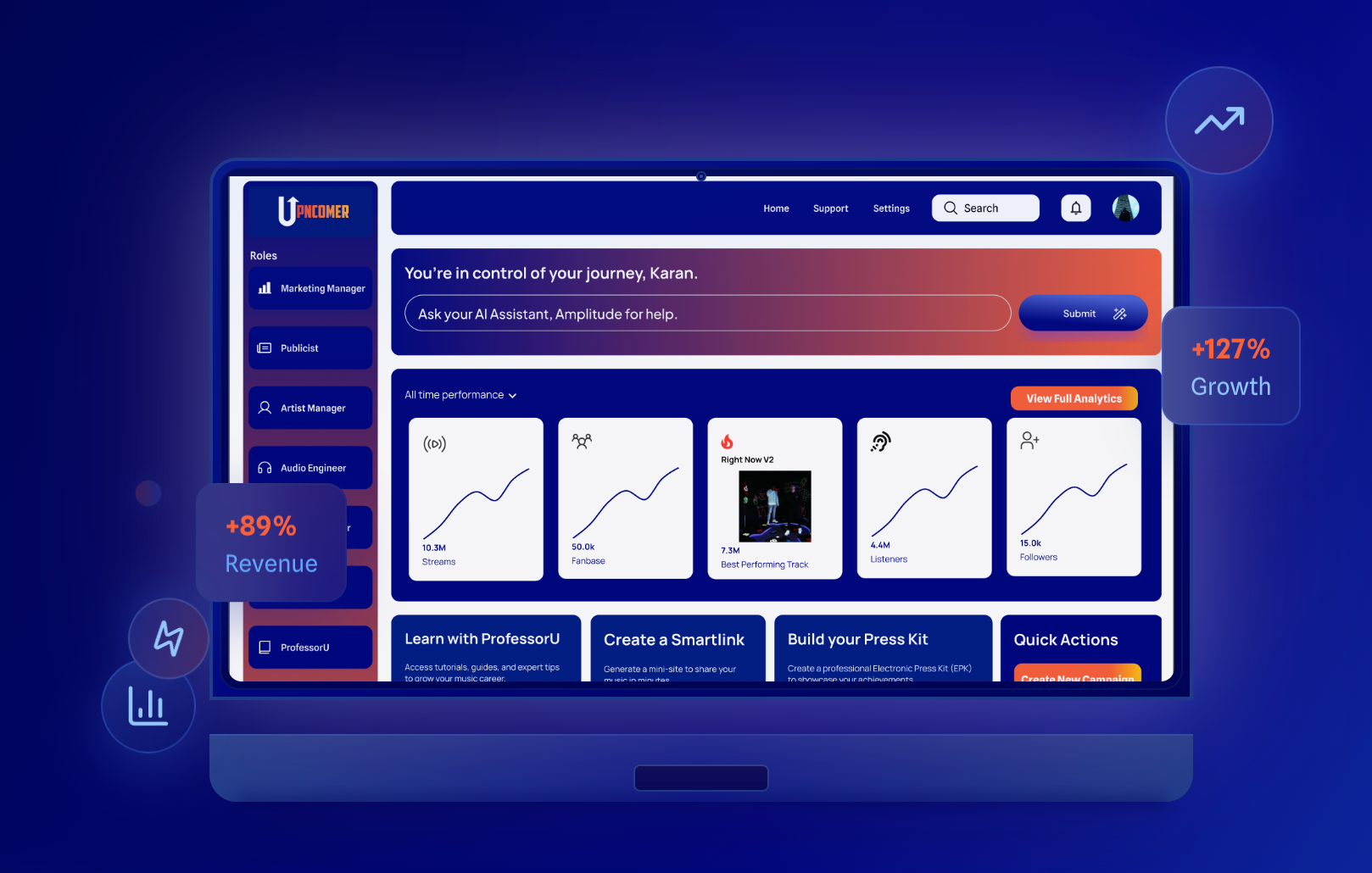
A better system connects actions instead of just performing them: a release connects to its distribution timeline, which informs the marketing campaign, which connects to audience data, which shapes the next round of content and feeds back into the next release decision. That's the real difference between a collection of tools and an operating system: a layer where those functions actually talk to each other, without requiring one company to replace every specialist service artists already use.
The result is an artist experiencing their career as one connected system instead of ten separate dashboards, spending less time moving information around and more time actually making decisions.
+Read more: "DIY Music Distribution Checklist: Everything You Need to Know"
AI Makes This More Important, Not Less
Artificial intelligence is being added to nearly every part of the music business, and artists can now use it to generate ideas and analyze data, though intelligence without context still has real limits. An AI that understands one isolated task can give an answer, but a system that understands an artist's releases, audience, and finances can explain why that answer actually matters.
The real opportunity for AI in music has less to do with producing more content and more to do with connecting the information artists already have into actions they can actually execute. The best AI may end up being the AI artists notice the least, sitting underneath their workflow instead of becoming another destination to visit.
Independent Artists Don't Need More Complexity
The first era of independent music technology was about access, as distribution, analytics, and marketing tools all became available to anyone. The next era needs to be about connection: how these systems talk to each other, and how an artist moves from having access to professional tools to actually operating like a professional team.
The promise of independence has always been control: owning your music, understanding your audience, and building a career without asking permission from a gatekeeper. Technology made that possible, and now it needs to make it manageable, since there's a point where more tools stop creating freedom and start creating another job.
The better question for the industry now is how to make everything artists already have to do dramatically easier, and the companies that matter most over the next decade will likely be the ones helping artists eliminate dashboards rather than pile on more of them.
Independent music was never really short on tools; it's been short on systems all along, and the next generation of artist technology needs to be built around closing that gap.
Karan Dasgupta is a recording artist and the Founder of UpNComer, a music technology platform building an operating system for independent artists and music teams. UpNComer brings together tools for music marketing, distribution, analytics, fan engagement, audio production, career management and AI-powered strategy in one ecosystem.