

Welcome to Lalu's Corner, a monthly column by music and brand partnership agent Lauren Thackray, exploring commercial music applications and sync placements, and the most pertinent takeaways for independent artists.
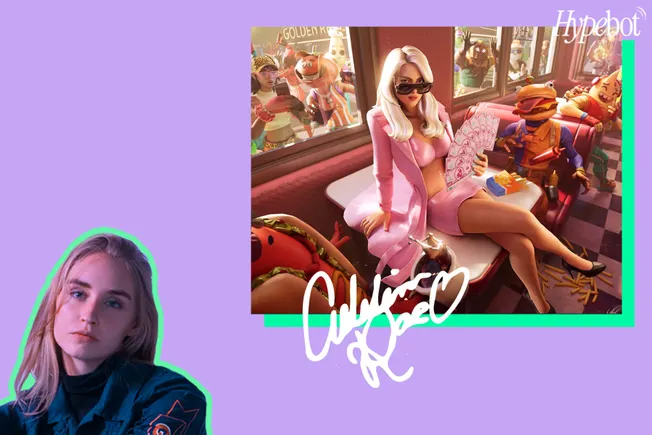
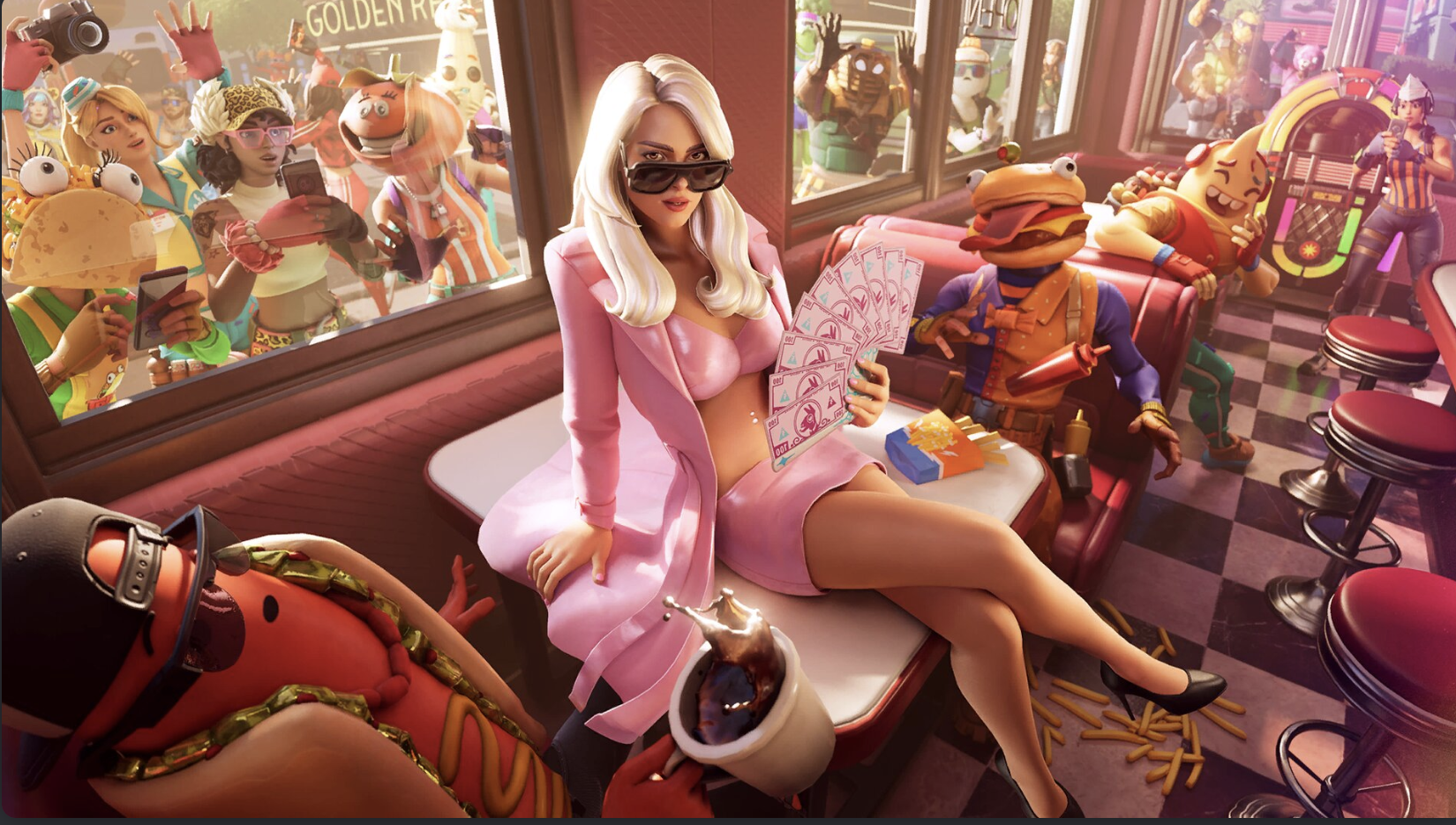
Addison Rae's Fortnite skin started with ten selfies — not a photoshoot, not a scan, just ten photos she sent Epic Games herself, so a game studio could get the angles of her own face right. It shipped with two outfits, two emotes, two Jam Tracks, and a version of her built into the game itself.
She said yes to all of it.
A company holding an accurate, reusable digital version of someone's face is never really just a gaming story. Three questions follow it everywhere:
Who gets to create it, what can they do with it, and how much control does the person keep once it exists?
For a growing number of artists, the first question is already being answered without them.
This year alone, Jason Isbell and other musicians sued Suno over the use of artists’ identities in AI-generated music. Suno says artist names are blocked, but the lawsuit alleges that simply spacing out the letters - “t a y l o r s w i f t” - gets around it.
Then there’s deadmau5, who found a deepfake of himself on another DJ’s Instagram — a fully AI-generated video of him endorsing that DJ’s music, made from footage that already existed.
And remember when “I Run” went viral with vocals that sounded just like Jorja Smith? She’d never recorded it. Her label spent weeks pushing for compensation over the use of her voice. They also argued that if AI had generated the lyrics or melody, rather than just imitating her voice, they’d pursue a share of the songwriting credit too.
None of it required a deal or a yes.
The music industry is making deals of its own. But the three biggest labels aren't even agreed on the floor, let alone the ceiling.
Universal has pursued both litigation and licensing, suing Suno while reaching a settlement and licensing arrangement with Udio. Sony has taken the opposite bet — no licensing deal with anyone, leaning instead on a growing pile of takedowns against unauthorized AI tracks, on the theory that the fight's worth winning in court, not negotiating around. Warner has pursued agreements with artist opt-in provisions, giving participating artists a way to authorize certain uses of their voices and likenesses.
Different approaches, but the same question underneath: How much say does the individual artist actually have?
A label owning a recording doesn't mean it owns every use of the voice or face on it. And with most of these deals negotiated behind closed doors, nobody outside the room knows where the artist's permission actually comes in, or what happens to their digital version once they've given it.
The clearest public example of what real protection looks like is the deal SAG-AFTRA struck with Replica Studios in 2024, specifically for building and using AI voices. It requires informed consent before a model gets built, fresh permission before it's used in anything new, and a licence that expires unless the performer agrees to renew it. The terms are public, meaning other agreements can be measured against them.
Music doesn't have anything close. And while artist opt-in provisions are a start, permission to create a digital version is only part of the problem. The next question is who controls it once it exists.
That's the gap artists need to be negotiating around. Better clauses matter, but they only get you so far. Where possible, control over how the resulting model, avatar or any other digital version of the artist gets used should sit with an entity the artist majority-controls, rather than being signed away to a platform under a one-off consent agreement.
License specific uses out on specific terms. A sequel, a new campaign, a model update six months later — that's fresh permission and a new fee, not a courtesy email.
None of this stops someone else building an unauthorized deepfake from material that's already public. But it changes the balance of power in the deals artists actually choose to make. The entity controlling the authorized version of your face and voice should answer to you, not whoever happened to build the model.
What's the takeaway in all this?
If you're the artist: Stop treating this as a clause to negotiate inside someone else's contract. Your name, voice and likeness should sit in a structure you hold majority control of — one entity or several, split however makes sense across your image, your voice, even album by album — licensed out deal by deal. Permission to build one version of you shouldn't become permission to use it forever.
If you're the manager: Duration, reuse, and derivative-use language are the baseline now, not the finish line. The real job is making sure your artist's team, not the platform's, is the one deciding what happens to the model next — with fresh approval and a new fee built into the agreement automatically, not a negotiation you have to start from scratch every time someone wants to use it again.
If you're on the brand or platform side: Warner's opt-in deal is the best public template today, and it's still short of giving the artist real control over what happens to it next. Whoever moves past "you get asked and paid" to "you actually control what it can be used for" first will have a real edge signing the next generation of artists who've started asking the sharper question.
Lauren Thackray is the Founder of LALU&CO, a music culture agency helping brands build artist partnerships and cultural strategy. Her clients include Unilever, L’Oréal Paris and Heineken amongst others. And via her Substack newsletter, LALU Dispatch, she writes about brands and music.