

By Rob Israch, President at Tipalti
Artists like BTS, Bad Bunny, Rosalía, and Burna Boy have shown that musicians who build strong local fanbases can now break onto the global stage faster than ever before. Today, music is increasingly crossing language and culture barriers and making it into the global arena.
Global music events like Eurovision also play a role in putting lesser-known musicians into the spotlight every year. Introducing artists to a worldwide audience overnight, they can reach double digit growth in number of streams in a matter of hours.
But rapid growth like this can be difficult to navigate. One viral moment, major performance or breakout lyrics on TikTok can bring sudden global attention.
For independent artists especially, keeping up with and being able to capitalise on this momentum can be a big challenge, resulting in delayed payments or problems accessing earnings at the right moment, which can quickly slow things down at the exact time their career is taking off.
While everything is moving fast, artists need to be supported by systems that move just as quickly as they do.
Social media and streaming pushed artists forward, but they’re being pulled back by tech that’s not keeping pace
Social media platforms like TikTok have changed the game, helping artists to elevate their global profile. A single lyric snippet or an unreleased track can become a viral trend overnight, reaching millions of listeners far beyond their regional fanbase.
In many cases, it negates the need to tread down traditional industry pathways to reach global audiences. Global fame is now within reach without even having to physically enter a country to perform.
However, turning global attention into real, reliable income is far less straightforward. Payments and royalties, for example, often pass through a long chain of distributors. And when you add to that multiple currencies, platforms, and partners, the whole payout process can become laborious and time consuming – the consequences of which can hurt an artist’s bank account.
For emerging and independent artists, this can have real impacts, like delaying the funds needed for studio time and tours, ultimately inhibiting their ability to act on global opportunities.
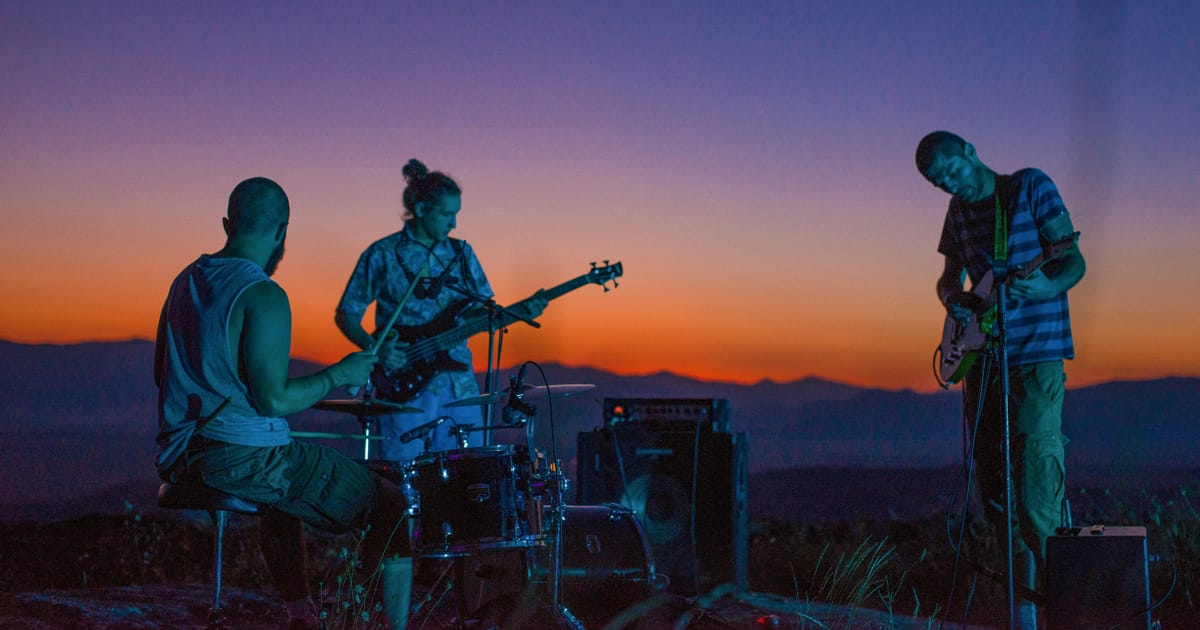
+Read more: "Fame From the Practice Space to the Stage: South Arcade and Haku. (ハク.)"
Artists need trust and reputation to grow
The problem runs deeper than slow payments. Beyond the financial impact, slow or unreliable payments chip away at trust. Artists need to collaborate with platforms that support their growth, not delay it. When payments are delayed or inaccurate, that trust can crumble quickly.
Over time, these experiences can shape how artists view the companies they work with and whether they feel supported, also affecting a business’s reputation and future relationships with its artists.
Especially for indie artists without dedicated teams or access to modern financial tools, it can become overwhelming to calculate where their money is coming from, if they are being paid accurately, and what is owed to them. The result is a disconnect where fanbases, engagement, and streaming numbers continue to grow, but income hitting the artist’s bank account can’t keep pace.
But when artists are supported by systems and platforms well-positioned for global scale, their ability to turn momentum into something sustainable at a moment’s notice is significantly improved.
Allowing artists to reach their potential with modern tech
At its core, payment systems that truly support artists need to offer clarity and speed.
Instead of having to piece together earnings from multiple sources, artists should be able to take control of their payments and income by having everything in one place, across distributors, countries, and partners. That kind of transparency creates a far easier understanding of where their money is coming from and when, and what payments are outstanding.
Moreover, it eliminates manual admin that slows artists and platforms down, allowing them to focus on their craft. Long-winded processes like invoicing, tax documentation, and compliance checks can run smoothly in the background, and, most importantly, these modern systems are built to keep up with the industry's pace.
The beginning of the next music generation
The music industry is at an exciting inflection point. New generations of talent have more opportunities than ever to bring their music to the global stage. The last thing they need is a back-office system stunting their worldwide fame.
Having their payments processed via modern systems ensures more predictable income and a clear connection between their growth and earnings.
+Read more: "Is the Streaming Model Failing EDM Producers?"
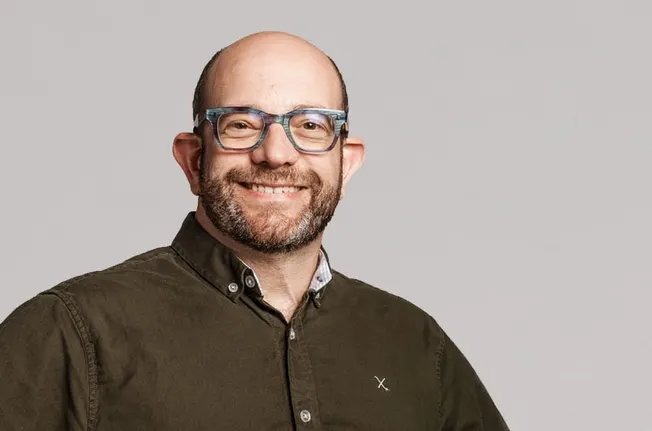
Rob Israch is the President of Tipalti, helping to set the business, customer and growth strategy for the finance automation leader. He previously led global marketing, alliances and the company’s Europe business, bringing over 20 years of leadership experience to the company.