

Female-founded and independently produced, SmashFest Music Summit was a three-day event that took place in Nashville in June. It's a conference and event that's built around real, open, and honest dialogue about what AI actually means for independent artists and songwriters, how the business is shifting, and what creative professionals need to know in order to stay ahead.
Michaela ("Mickey") Shiloh, is the Co-Host and Co-Founder of SmashFest, a multi-platinum songwriter and artist, and was named to Forbes' famous "30 Under 30." In her role as CEO/Founder of HRDRV — a global artist development company — she empowers thousands of creators to build sustainable careers by merging music, business, and community.
Mickey took a beat after all the dust had settled around the summit, and then we dove in to everything she had learned over those three days. Read on for some serious advice and insight. 🍦
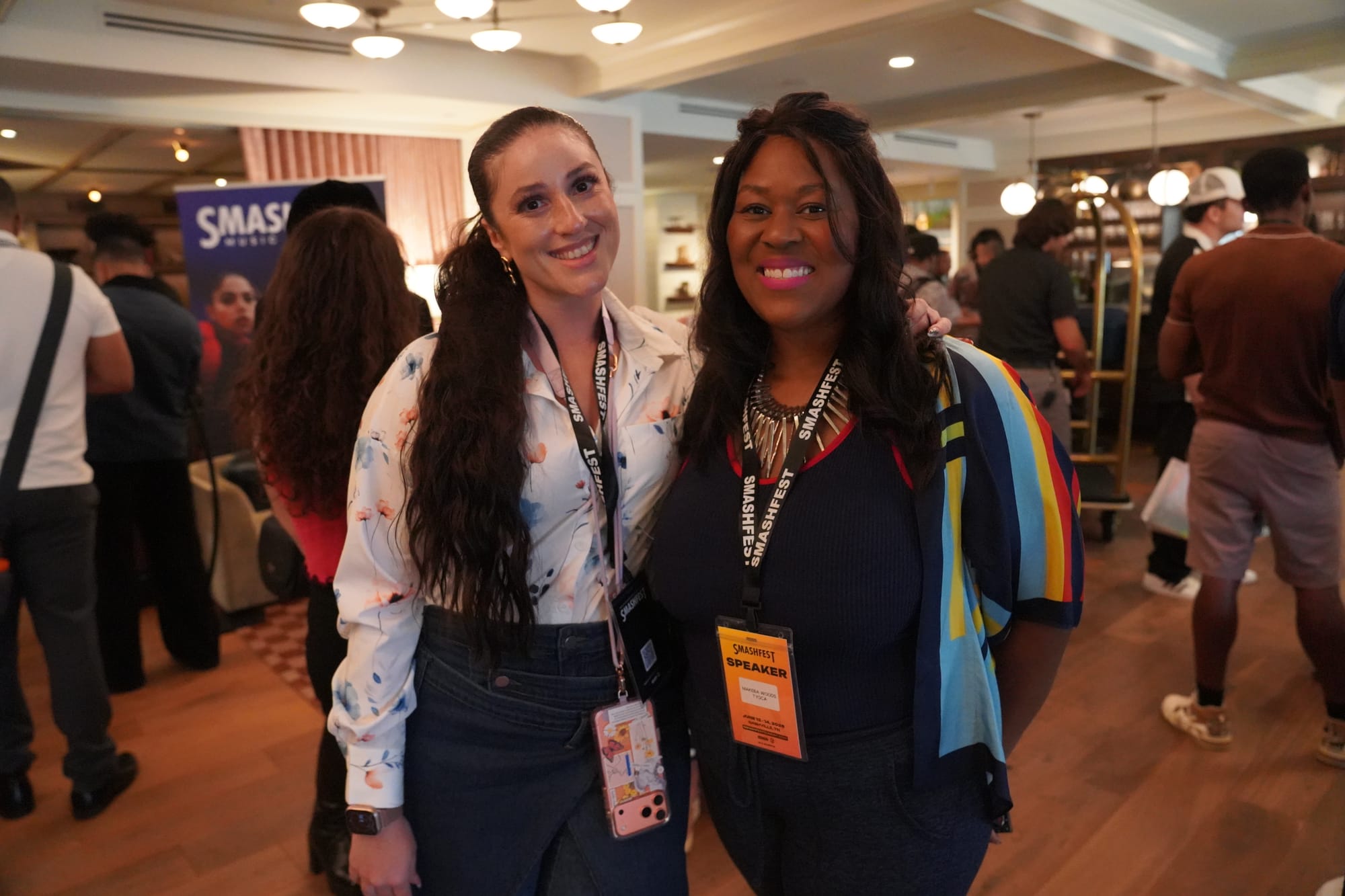
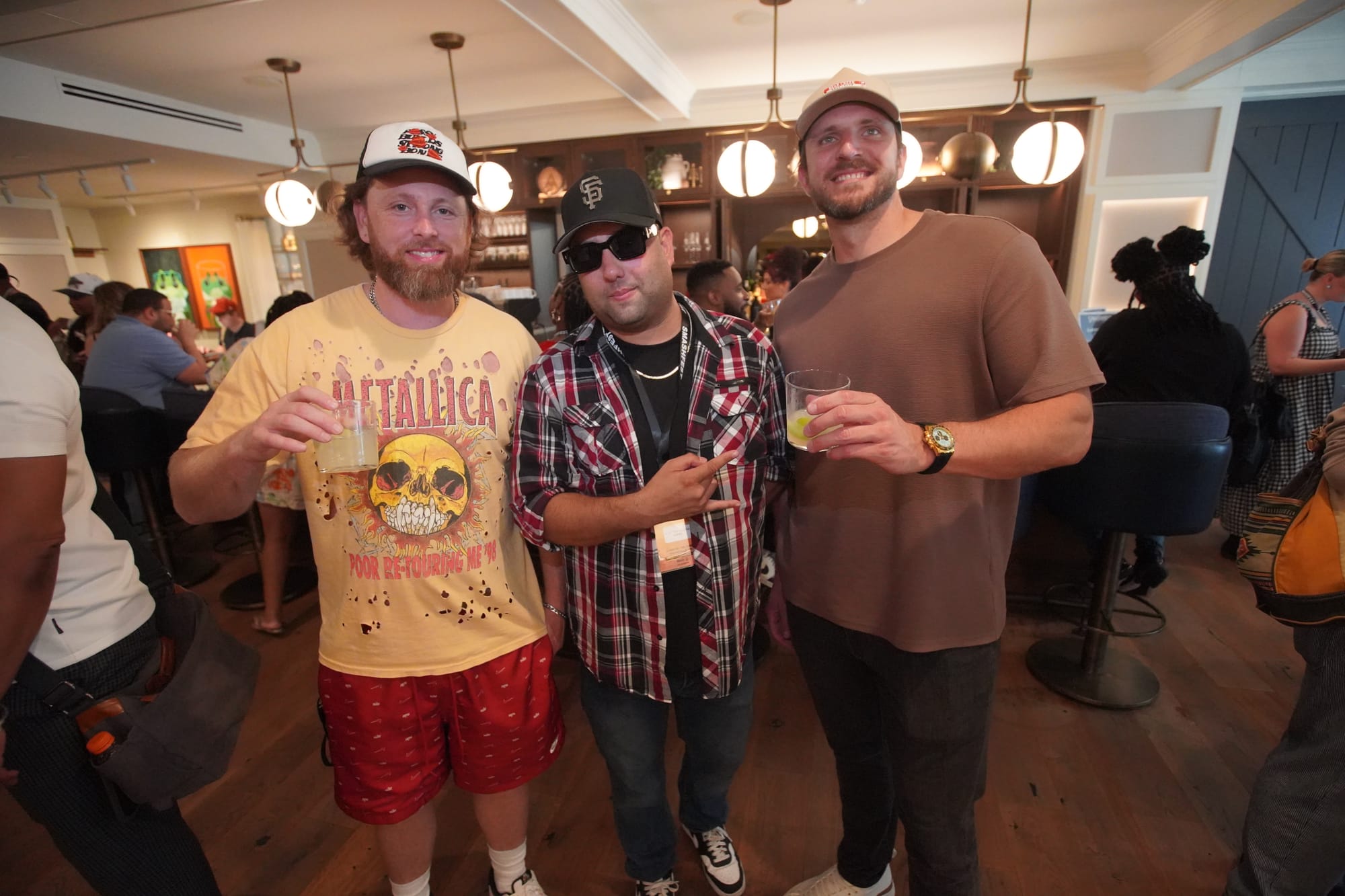
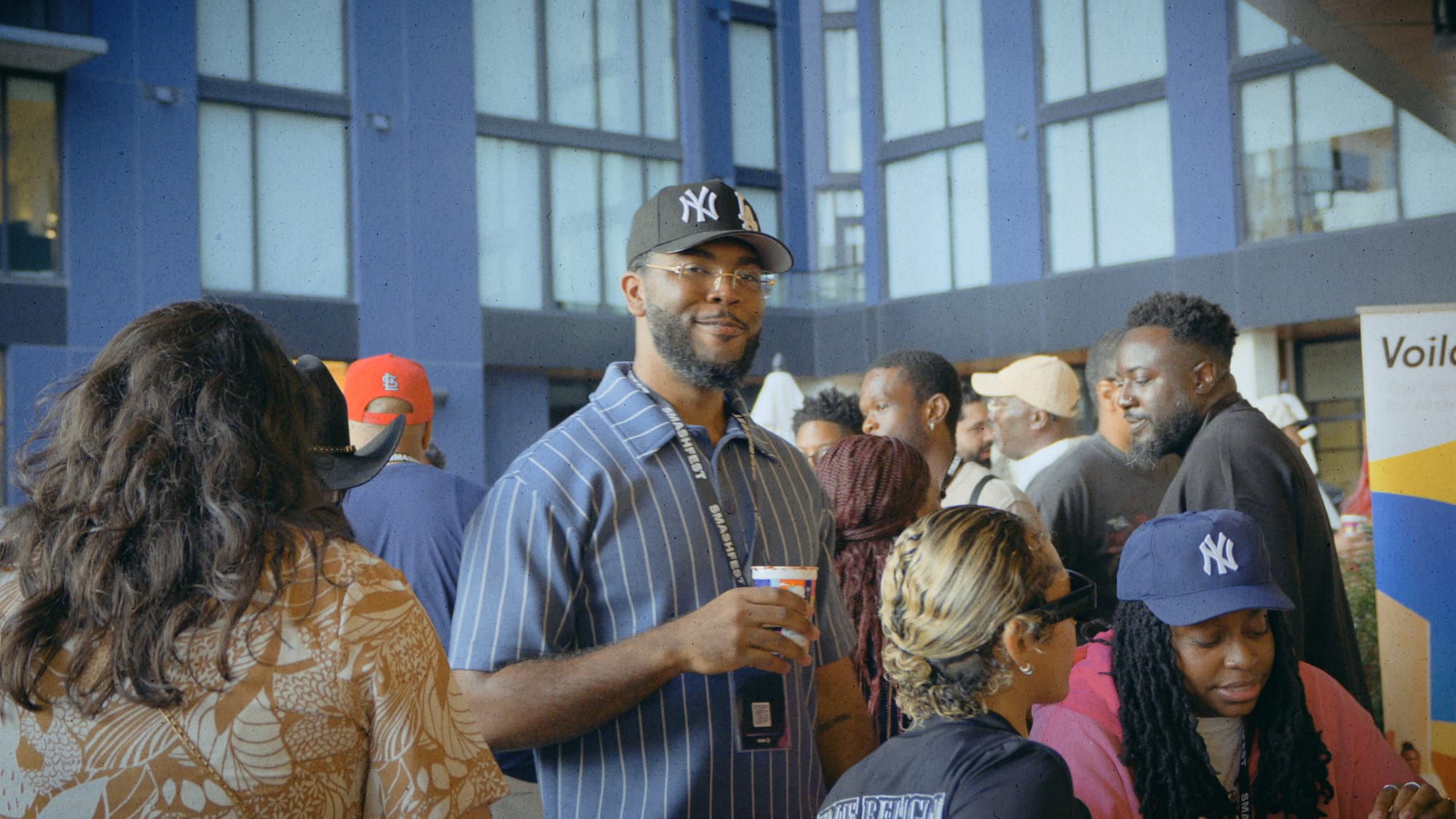
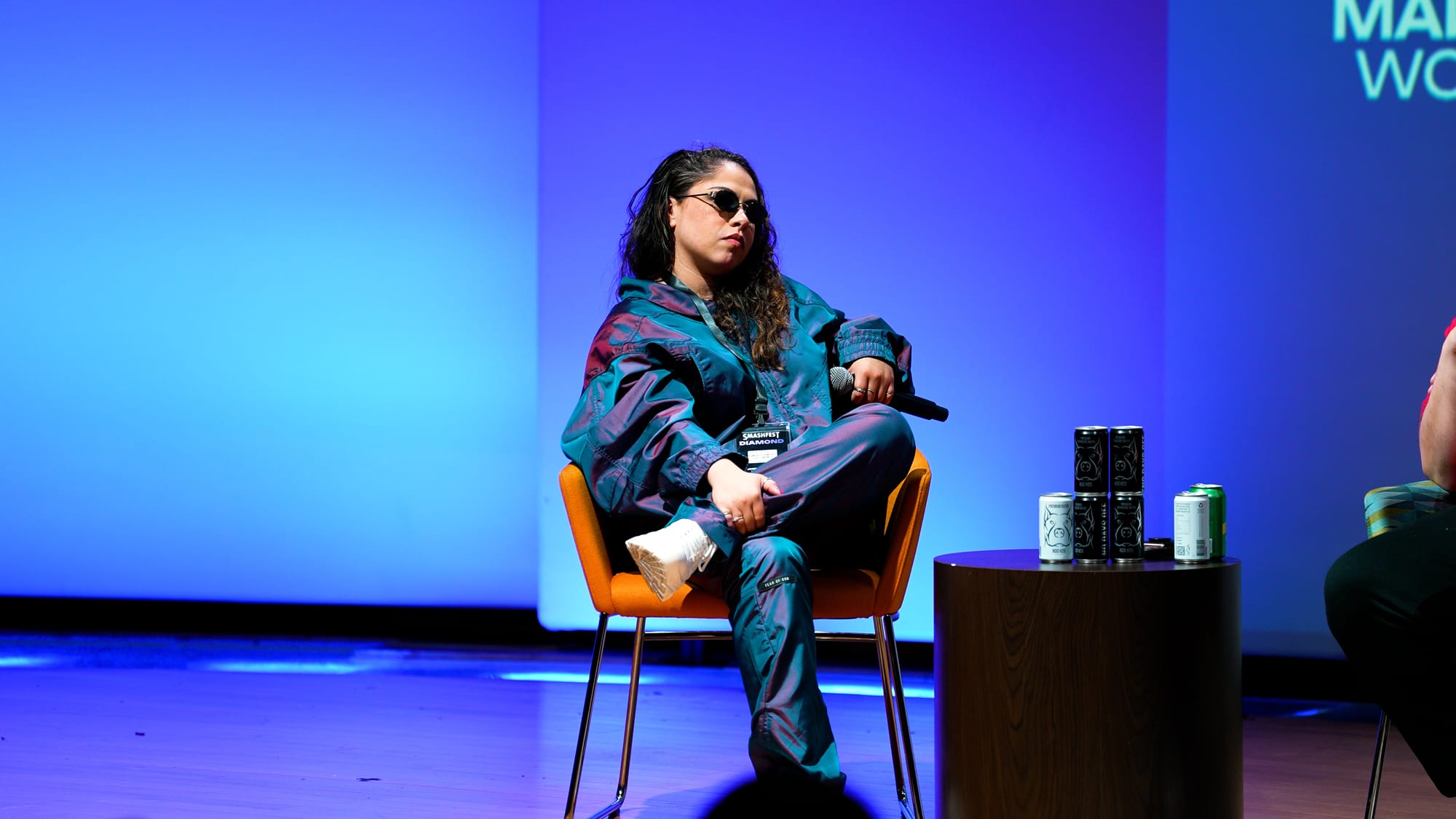
All below photos by Oscar Flores.
Hypebot: Hey Mickey, thanks so much for taking the time to answer some questions. You co-run SmashFest — which isn’t just one annual event but several online and in person events throughout the year — and HRDRV which is an artist services company among other things. You’re also an artist and songwriter. Elephant in the room: How do you avoid burnout and exhaustion?!!?
Michaela: "I don’t! At the level I operate, I don’t know if it’s possible to avoid burnout entirely. I move quickly, take on a lot, and thrive under a certain amount of pressure, which can naturally lead to burnout from time to time."
What I’ve gotten better at is recognizing it sooner and recovering faster. What keeps me going is that everything I build is connected and serves a larger mission to help others succeed. Their wins become my wins, and that sense of purpose makes the hard seasons totally worth it."
H: Where did this journey of yours start?
M: "Music chose me. My dad was a rapper, so I always say I caught the music bug from him. Some of my earliest memories are tied to music and discovering that I could express myself through lyrics in ways I couldn't through regular conversation."
The industry side came from necessity. I got signed at 15 and started earning real credits early, but I didn't have a true grasp of the business. There were opportunities I wasn't equipped to maximize and systems that only seemed to work if you already had insider access. I realized pretty quickly that talent alone wasn't enough."
That's where HRDRV was born. I wanted to build the infrastructure that gave artists access to education, opportunity, and practical resources. Back in 2019 when we launched, that meant everything from graphic design and mixing to distribution, strategy sessions, and community. I wanted artists to have support without needing a label, deep connections, or years of painful trial and error."
Everything I build is rooted in the mission of closing the gap between talent and entrepreneurship."
H: So introduce us to SmashFest — which happened last month in Nashville. What’s the aim and scope of the summit?
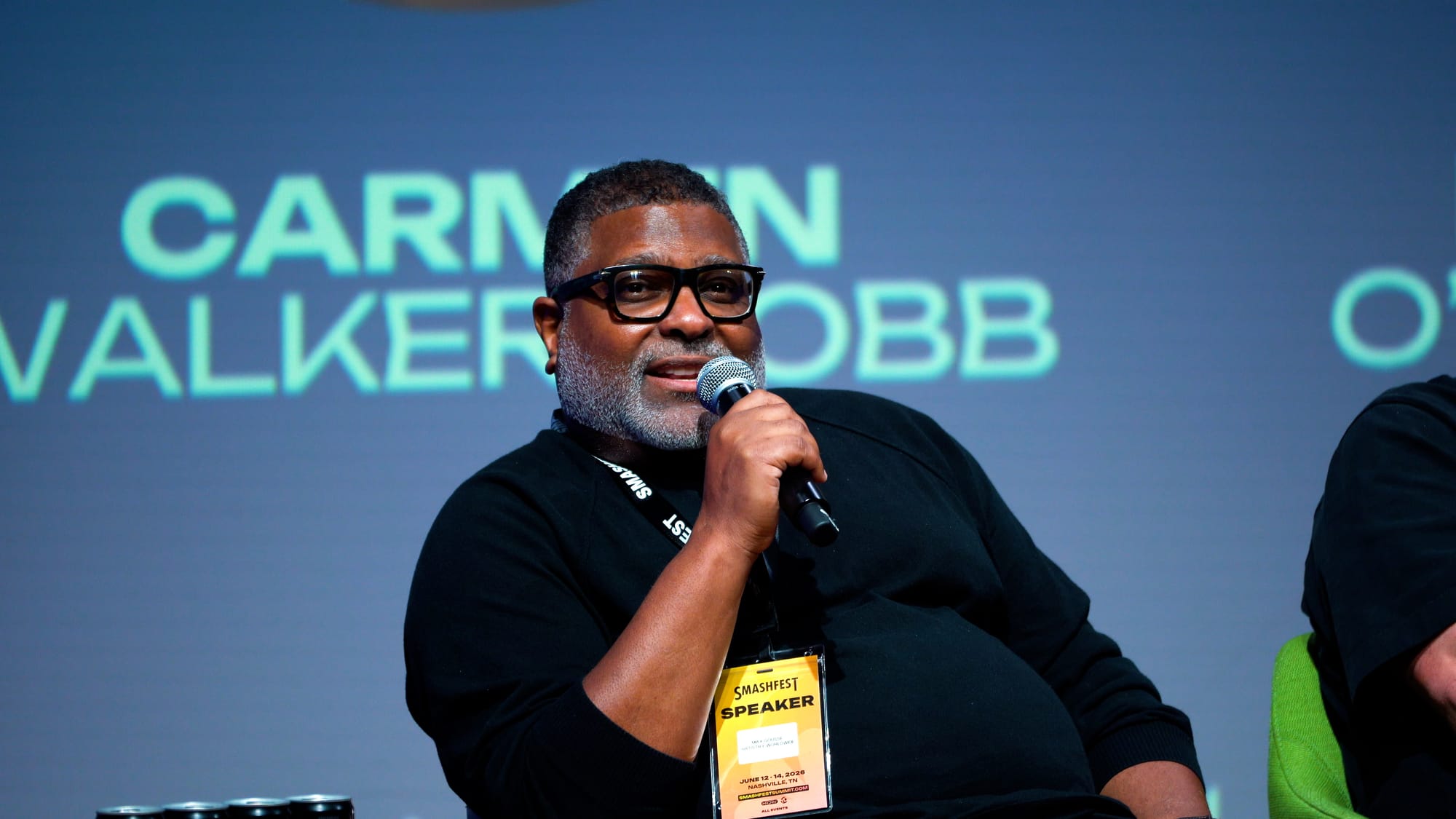
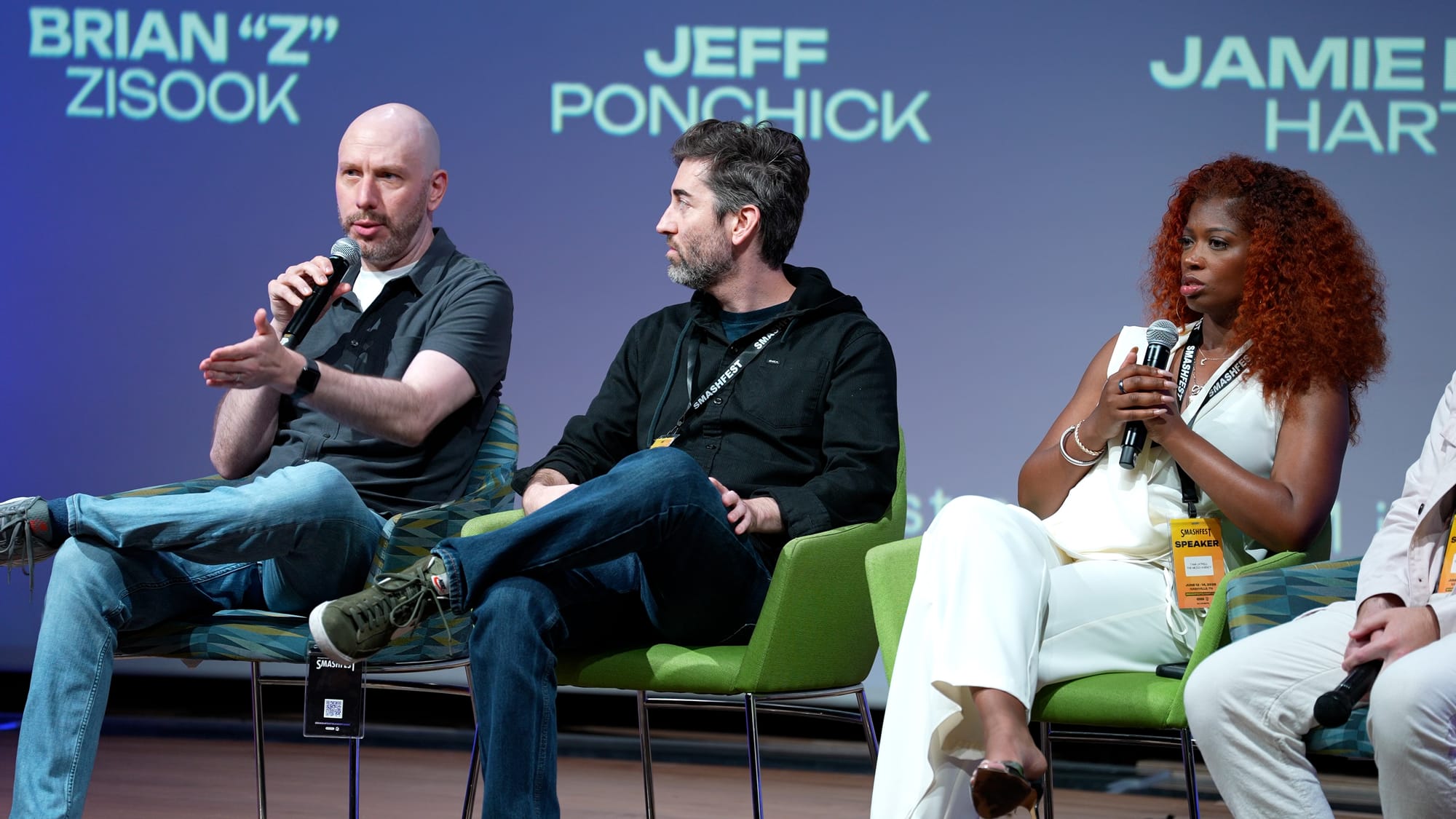
M: "SmashFest Music Summit was a three-day music industry conference in Nashville for emerging artists, songwriters, and producers to get in the same room with industry legends. The goal was actual access. Not panels where executives talk at you, but rooms where you're in genuine conversation with the people who can change your career."
This year we had 30+ speakers, 35+ performers, and brought in execs from EMPIRE, Lava Records, RCA, The MLC, Audiomack, and more. Attendees said it was the best conference they’d attended in years (or ever) and that was all we could’ve asked for."
H: What were some of the highlights of this year's event?
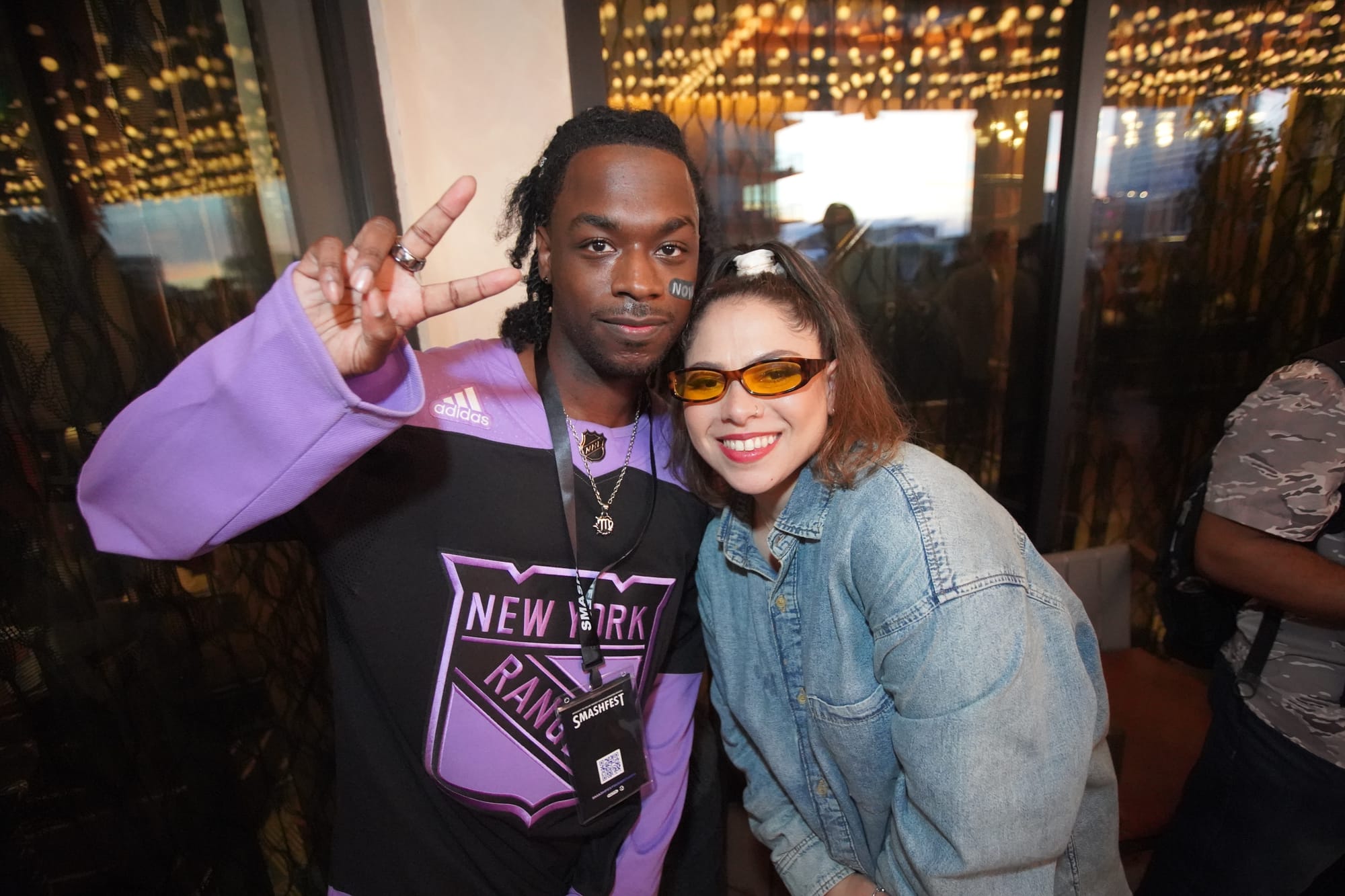
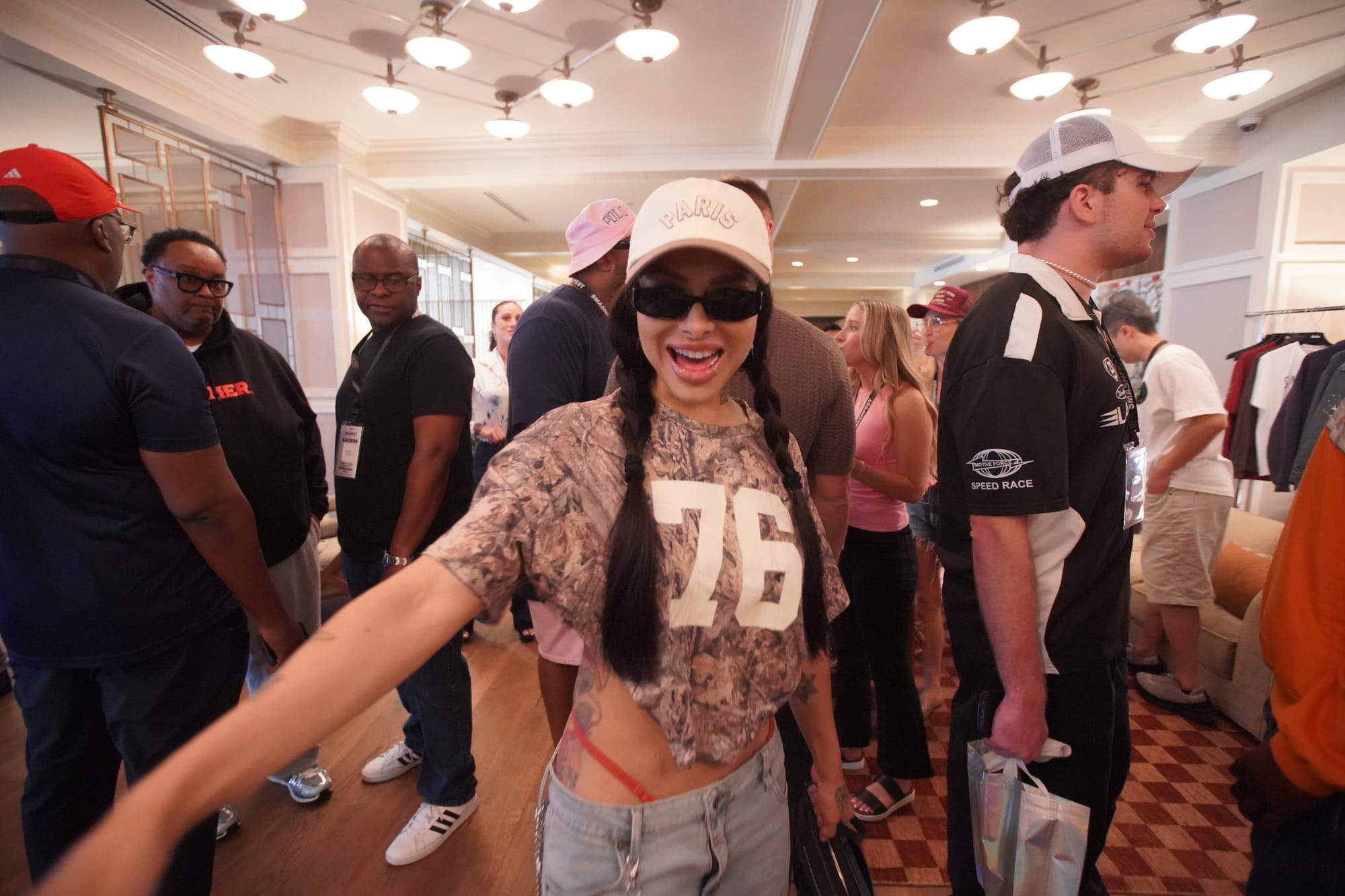
M: "We exceeded every expectation. It felt like the old industry meeting the new, and the conversations that happened throughout the weekend were truly once-in-a-lifetime. From the panels and mixers to the showcases, an entirely new level of community was created."
It didn’t end there. I’ve built a system within our site to help everyone stay connected and keep those relationships growing long after the event is over."
"Stop trying to reach everyone. Find the 100 people who would genuinely love what you do and obsess over them. Use your music as a door-opener, but build true 1:1 relationships with fans and other artists at your level."
H: What surprised you the most?
M: "The community. I knew people would show up, but what caught me off guard was how much people genuinely connected with each other - artists finding collaborators, managers finding clients, panelists exchanging cards with attendees."
The networking wasn't forced or awkward. It happened organically because we put the right people in the room together. That's impossible to manufacture and it told me we got the curation right."
H: You mention in a blog post that you spent upwards of $40k of your own money to put on this event. Why do conferences like this have a hard time making an ROI these days?
M: "A few reasons. First, the costs are heavily front-loaded while the revenue comes in over time. You're paying deposits for venues, insurance, travel, and production months before ticket sales really ramp up. What I've noticed is that most people skip early-bird pricing altogether. Most ticket sales happen in the final few weeks, or even the final week, before the event."
Second, conference culture has also shifted. Attendees have been burned by events that overpromise and underdeliver, so they're waiting until the last minute to commit."
Third, sponsorship dollars have changed. Brands that once allocated significant budgets to live events are increasingly investing in creator campaigns and activations that guarantee a better ROI. They want measurable clicks, conversions, and attribution, and those metrics are often easier to track online than at an in-person event."
I put my own money into SmashFest because I believed in the connections and opportunities we could create for our attendees. If I had waited until the math was perfect, it never would have happened."
H: If you could go back in time and be a fly on the wall of any global event in the past to attend, what would that be and why?
M: "The room where Berry Gordy was building Motown's artist development system from scratch. What they figured out about turning talent into legacy, with almost no infrastructure and significant obstacles is astonishing."
What were those conversations like? What did they believe about artists that the industry has since forgotten?"
"I have a tremendous amount of respect for artists who show up night after night and deliver for thousands of people. That level of discipline, stamina, and commitment often goes unseen."
H: What are some of the biggest changes that artists are navigating right now in the industry?
M: "The collapse of the middle. There used to be a clear path: build a local following, secure regional support, and gradually scale your career. That middle layer of infrastructure largely disappeared. Today, it feels like you're either going viral or grinding in relative obscurity, with algorithms having more influence on success than talent and work ethic."
That's why we do what we do. But it goes even deeper than that."
Music is one of the few things that truly unites people across every border, language, and background. It shapes culture, creates connection, and gives people a way to express what words alone often can't."
No matter where you're from or what language you speak, music has the power to move people, change perspectives, and bring communities together. It's one of the most powerful forces in the world, and artists deserve the infrastructure and opportunities to help that power reach its full potential."
H: What advice would you give to indie artists looking to amplify their message and build their audience without a five-figure budget?
M: "Stop trying to reach everyone. Find the 100 people who would genuinely love what you do and obsess over them. Use your music as a door-opener, but build true 1:1 relationships with fans and other artists at your level. Collaboration compounds reach faster, and learn the business side of one thing first — whether that's publishing, sync, or label deals — and become the most knowledgeable person in your circle about that one thing."
Knowledge is leverage when budget isn't. Recommended reading: All You Need to Know About The Music Business by Donald Passman."
H: What was one unforgettable concert that changed everything for you?
M: "When I was a kid, I got to see the Ladies First tour with Beyoncé, Missy Elliott, and Alicia Keys. A couple of years ago, I saw Tyler, the Creator in Oakland, and a few weeks ago I caught No Doubt in Vegas at the Sphere."
What always stands out to me is the level of work that goes into performing at that scale. Touring and performing are an entirely different beast than studio work or a songwriting career. As someone who's spent so much time on the creative and business side, I have a tremendous amount of respect for artists who show up night after night and deliver for thousands of people."
That level of discipline, stamina, and commitment often goes unseen."
H: What are the best and worst flavors of ice cream? Why?
M: "Best: butter pecan or mint chocolate chip.
Worst: anything with artificial fruit flavoring."
H: Later this year there’s an online event in October. Can you tell us what we can expect with that?
M: "I'm taking the SmashFest energy fully digital this fall. Smaller rooms, direct feedback on your work, intentional collaboration opportunities - which was one thing we didn't get enough of at SmashFest. Additional Q&As with Grammy winners, executives, artist development coaches, and more."
It's a chance to go deeper and fill some of the gaps that are harder to address in a large in-person event. We’re keeping the same community-driven energy that made SmashFest special!"
Learn more and discover all at SmashFestSummit.com.