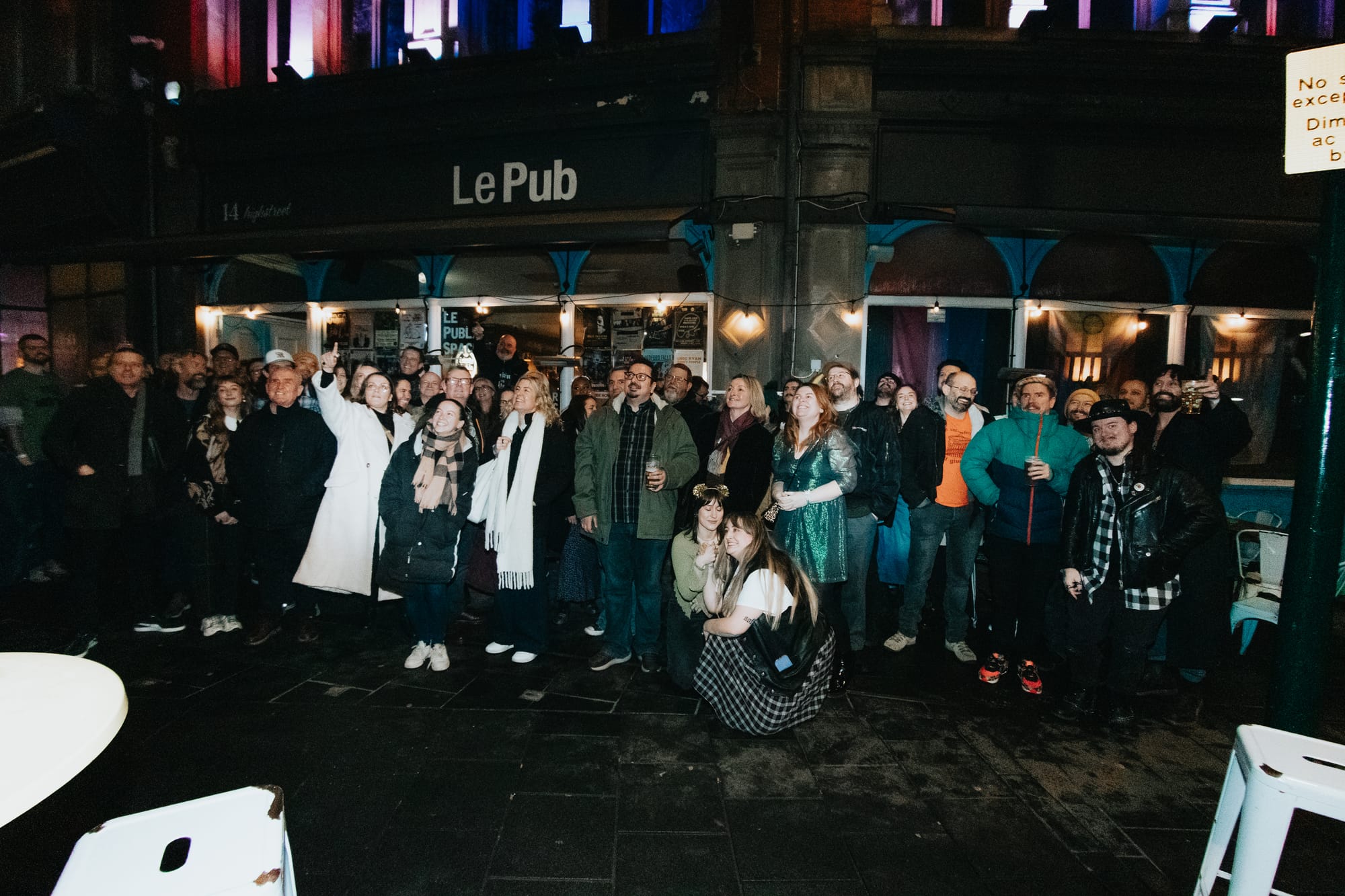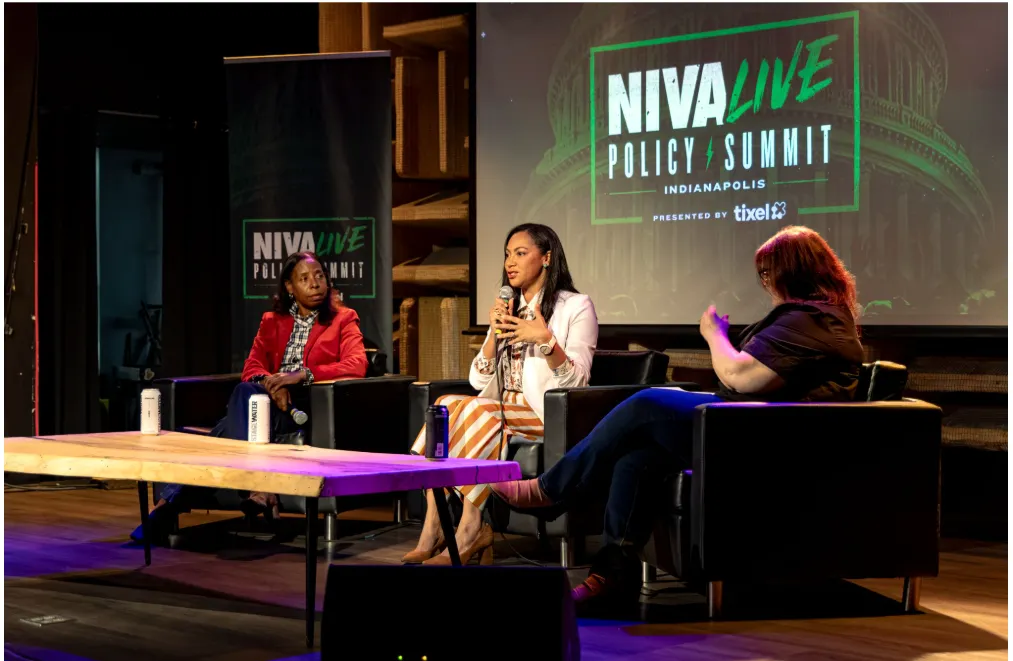


Music Venue Trust is a UK registered charity which acts to protect, secure, and improve the UK's Grassroots Music Venues. Created in January 2014, Music Venue Trust aims to secure the long-term future of GMVs in England, Scotland, Wales, and Northern Ireland. These venues play a crucial role in the development of British music, nurturing local talent, providing a platform for artists to build their careers and develop their music and their performance skills.
MVT works to gain recognition of the essential role these venues fulfil, not only for artist development but also for the cultural and music industries, the economy, and local communities. The organization does this through a variety of activities, including the Everywhere at Once festival, which is a country-spanning weekend-long celebration of independent music involving hundreds of venues across from Inverness to Penzance.
Here's my conversation with Music Venue Trust CEO Mark Davyd. Enjoy!
Hypebot: Your latest data says the average grassroots venue is operating on a 2.5% profit margin, while more than half made no profit at all. Is the fundamental business model of a grassroots music venue actually broken?
Mark Davyd: "The business model isn't broken — the economics surrounding it are. We have somehow managed to create a music industry in which the places that discover talent, develop audiences and take all the early risks are not just the least financially sustainable part of the entire operation, they are completely ignored in the need to create a sustainable ecosystem."
The music industry is generating billions, but the grassroots sector is being asked to survive on goodwill, volunteer labour and the occasional miracle. We don't need to reinvent grassroots music venues, we need to reinvent how the industry values them."
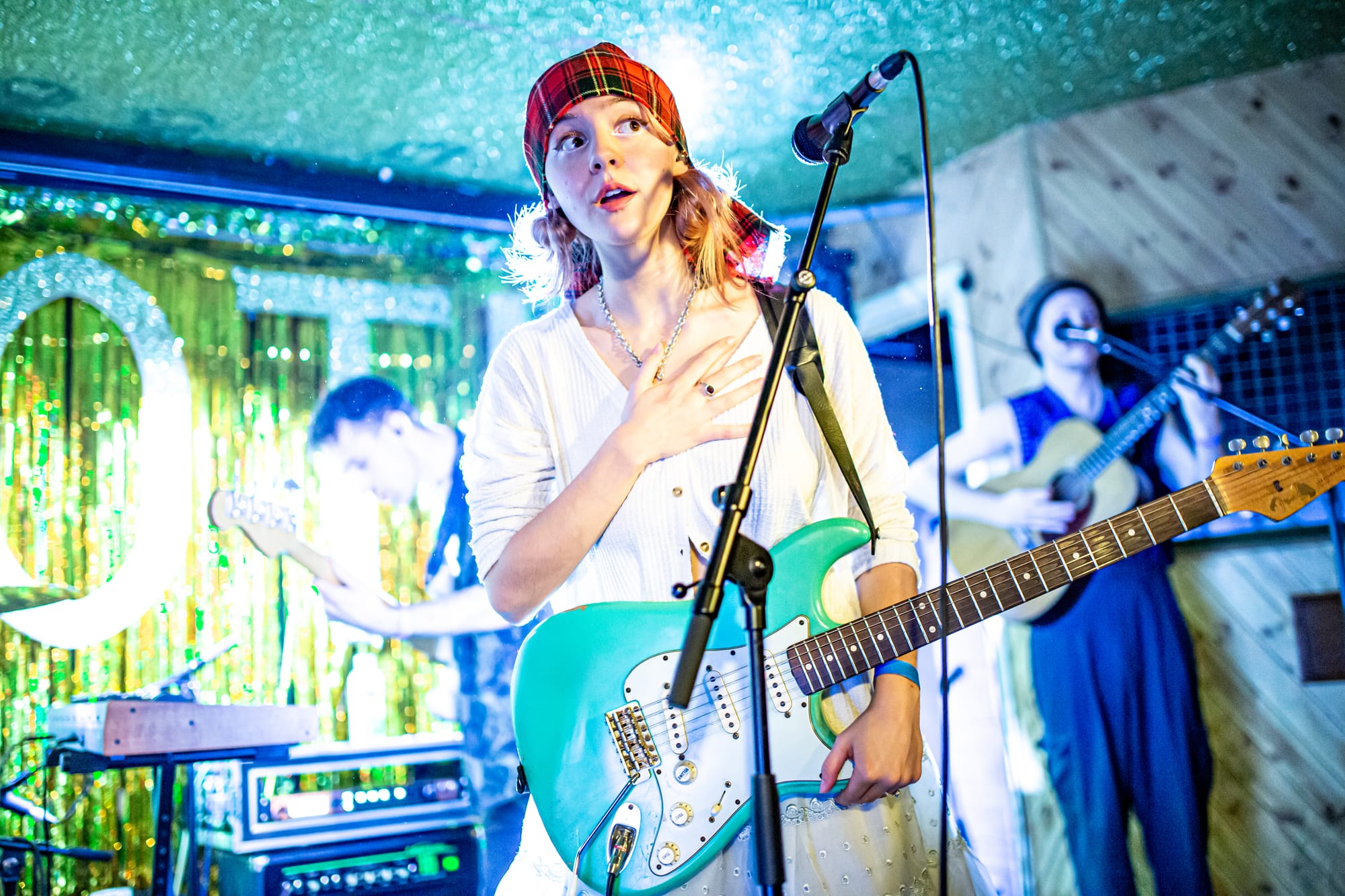
H: Are the touring artist and the grassroots venue struggling with the same problems?
MD: "Absolutely. They're effectively two sides of the same increasingly worthless coin. Rising costs, falling margins, declining opportunities and an industry that seems to have forgotten that artists actually need somewhere to perform before they become successful. Artists can't afford to tour, venues can't afford to book them, audiences lose access to live music, and everyone ends up worse off."
The important thing is to stop treating these as separate problems. You can't fix the touring circuit without fixing the venues, and you can't save the venues without putting great artists on their stages. Interventions that simple address one part of the ecosystem's challenges are not addressing the root cause of those challenges."
"A thriving local music scene isn't a consolation prize for not getting national touring artists, it's the foundation that makes those tours viable in the first place."
H: Liveline is essentially trying to remove whatever financial barrier is preventing a show from happening. Can you talk about how that works?
MD: "It's deliberately simple. We identify shows that should be happening but aren't because the financial risk is too high. Sometimes that's a venue unable to guarantee an artist's fee, sometimes it's a promoter facing an impossible shortfall, sometimes it's a touring artist who can't make the economics work. Liveline steps in to underwrite that risk and make the show possible."
It's not about subsidising bad gigs. It's about making good gigs happen that the current economics are preventing. And every show we enable creates opportunities for artists, promoters, venues, crew and audiences."
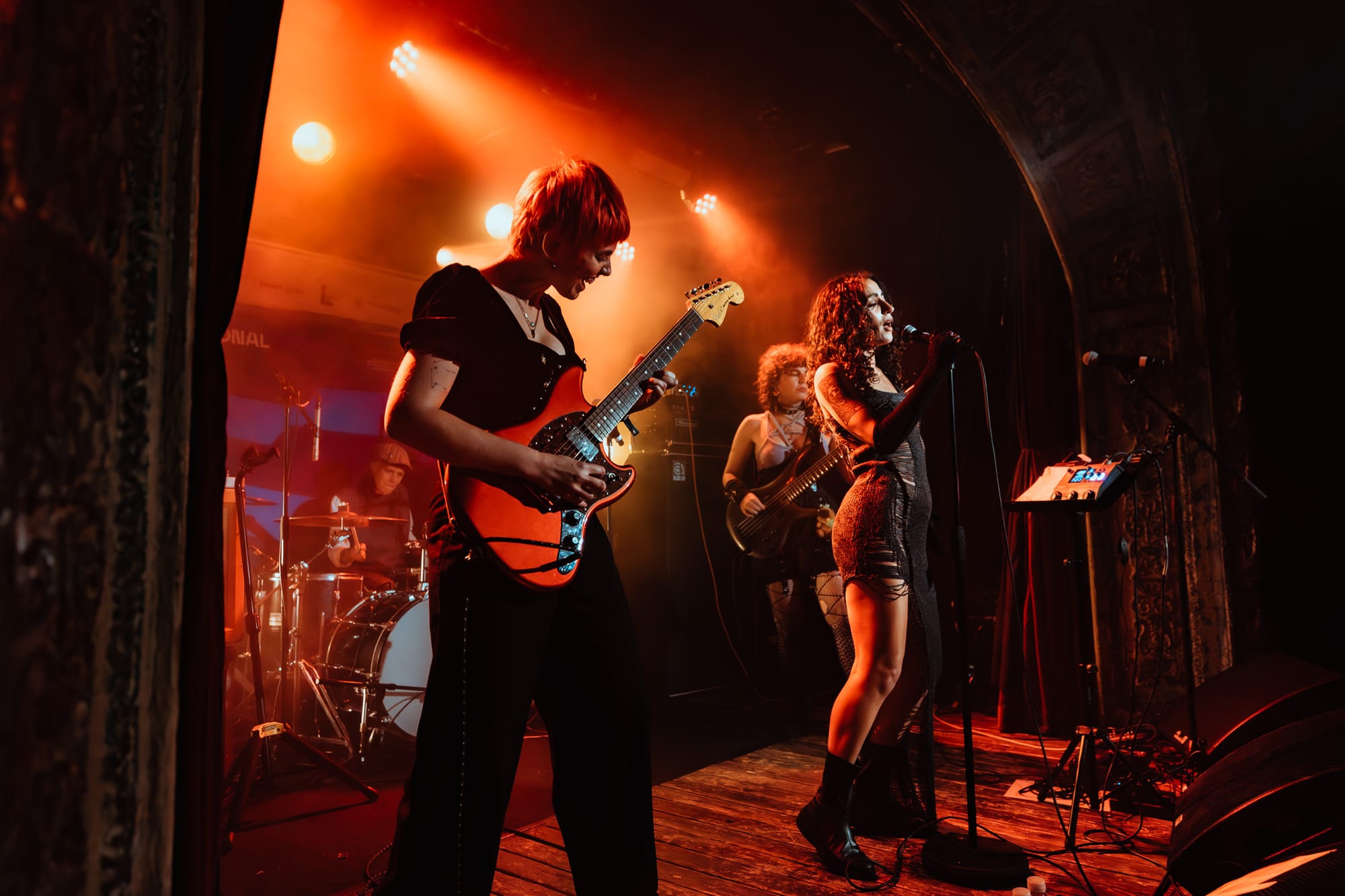
H: 175 UK towns and cities have now lost regular professional touring. Is the strategy from here to build the grassroots part of the pipeline so that those cities don’t have to rely on touring (but ironically that would then make them more attractive to touring artists)?
MD: "I think that's exactly right, but I'd go further. Every town should have its own music scene, its own artists, its own promoters and its own audiences. A thriving local music scene isn't a consolation prize for not getting national touring artists, it's the foundation that makes those tours viable in the first place."
If we rebuild the local infrastructure, nurture local talent and give audiences a reason to go out regularly, professional touring becomes commercially viable again. We need to stop thinking of grassroots music as the inconsequential bottom of a pyramid and start recognising it as the essential foundations of the entire building."
H: What’s one tiny thing that instantly tells you a venue is being run by people who really care?
MD: "That's a tough one, because it will be different things in different venues at different times. A working toilet with a lock and some loo paper can be a good indicator, but so is watching the opening support act and realising that someone selected that artist specifically for this show."
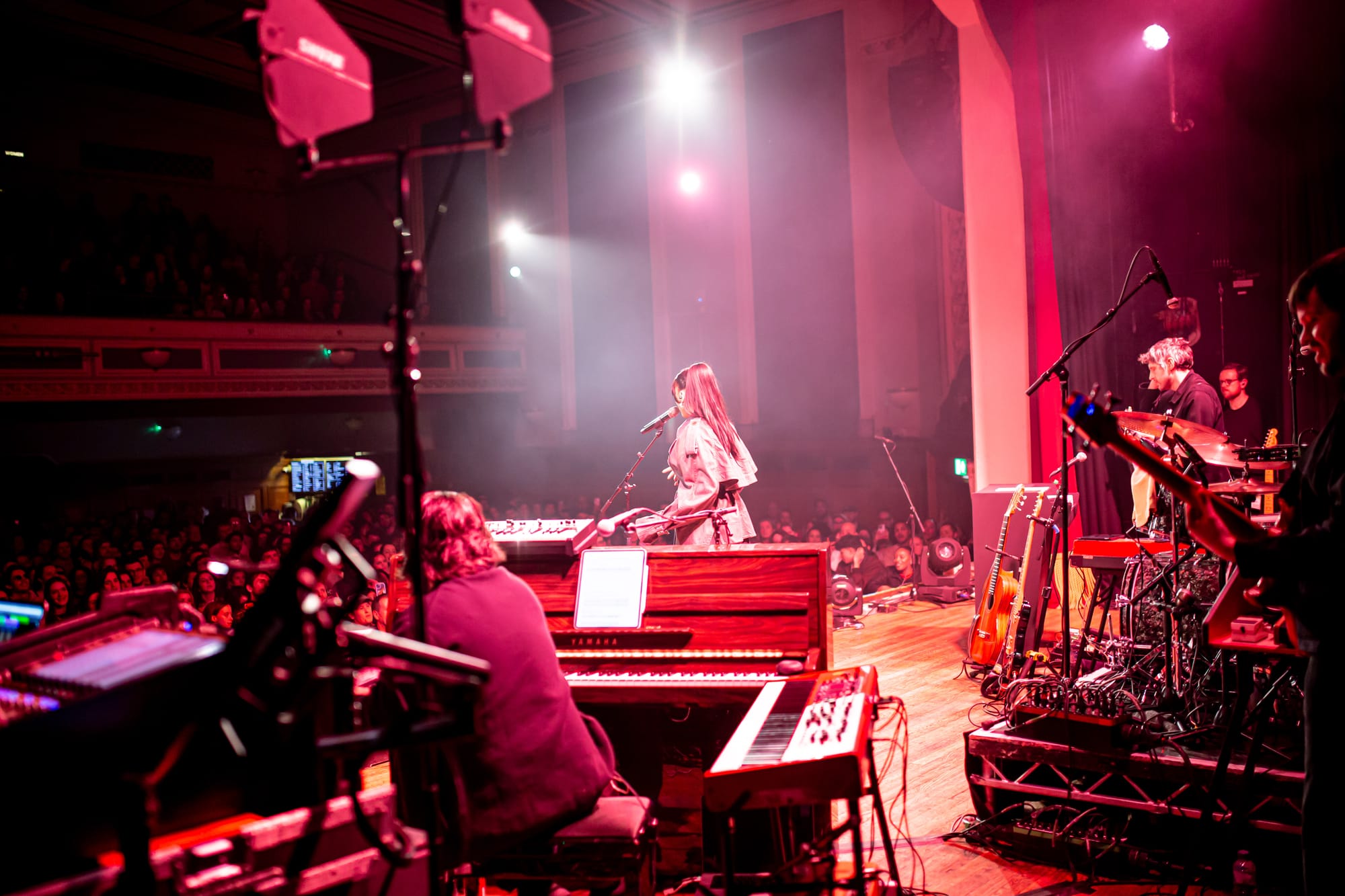
H: Do fans actually pay too little for grassroots gigs? We regularly accept £100-plus arena tickets while still expecting an emerging band in a 200-cap room to cost £10.
MD: "Yes, but I don't think the problem is simply that grassroots tickets are too cheap. It's that we've developed an incredibly distorted perception of value."
People will pay £150 to watch an artist on a screen from 100 metres away, then question whether £10 is reasonable to stand three feet from someone who might be the next big thing. We need to change that conversation, but we also need to recognise that grassroots audiences are often younger and have less disposable income."
The solution isn't just charging everyone more. It's making sure more of the money already being spent on live music reaches the people and places creating its future."
"The Smiths. Wait.... Talking Heads. No, hang on.... Japan. No, Sparks. Or Psychedelic Furs. Echo and the Bunnymen though..."
H: The UK has become something of a laboratory for venue protection, community ownership and the grassroots levy. Which parts of what MVT has built could realistically work anywhere and what, to you, is uniquely British?
MD: "Almost everything we've built is transferable. Protecting venues through planning policy, putting buildings into community ownership, creating touring support programmes, and asking the most successful parts of the industry to invest in the grassroots infrastructure they depend on."
None of those ideas requires a British passport. What might be uniquely British is how we've arrived here. We've spent decades celebrating our extraordinary musical heritage while systematically dismantling the places that created it. Then, when we finally noticed, we formed a charity, held some meetings, invented several acronyms and started trying to put it all back together."
It's not necessarily the most efficient approach, but it does feel rather British. Our European friends are interested in stopping that process from being needed at all."
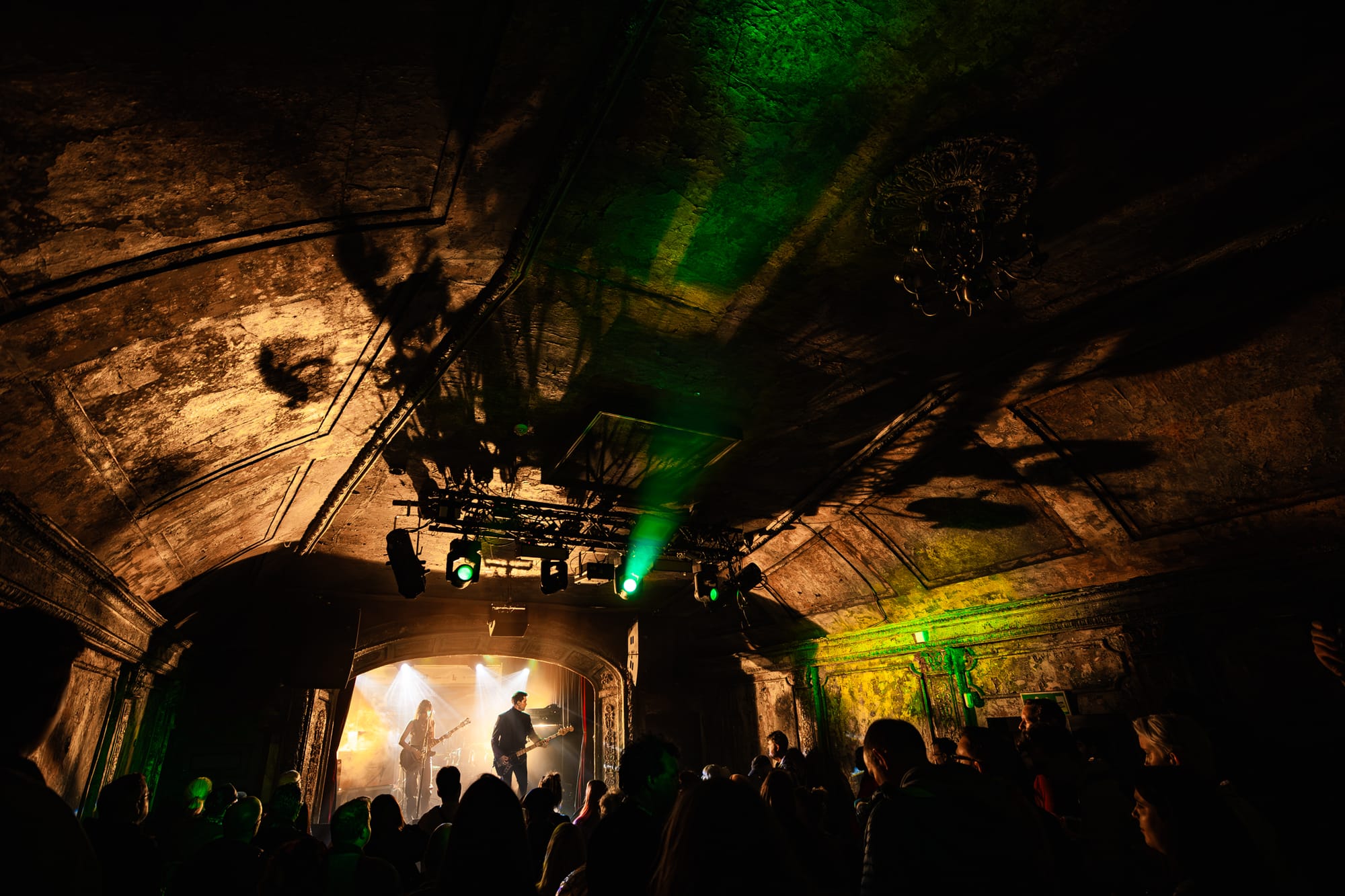
H: If you could curate a festival in 1985 who would headline?
MD: "The Smiths. Wait.... Talking Heads. No, hang on.... Japan. No, Sparks. Or Psychedelic Furs. Echo and the Bunnymen though..."
H: What’s the best show you’ve ever seen in a room that was objectively a bit of a dump?
MD: "I see a lot of shows. And I mean, a lot. And I don't really ever think anywhere is objectively a dump, as keeping anywhere going these days is such a labour of love that simply a door on a place that has a stage in it is something of an achievement."
Subjectively, someone else's dump is your happy place. I could make you a convincing argument that The Astoria was a bit of a dump and I saw some pretty incredible shows in there."
H: What’s your ideal late-night post-gig food?
MD: "Used to be Kebabs, and every so often you still get that hankering, but these days a slice of hot toast slathered in peanut butter does me pretty well."