


By Sarah Jane Foster, Founder and CEO of The RAW Network
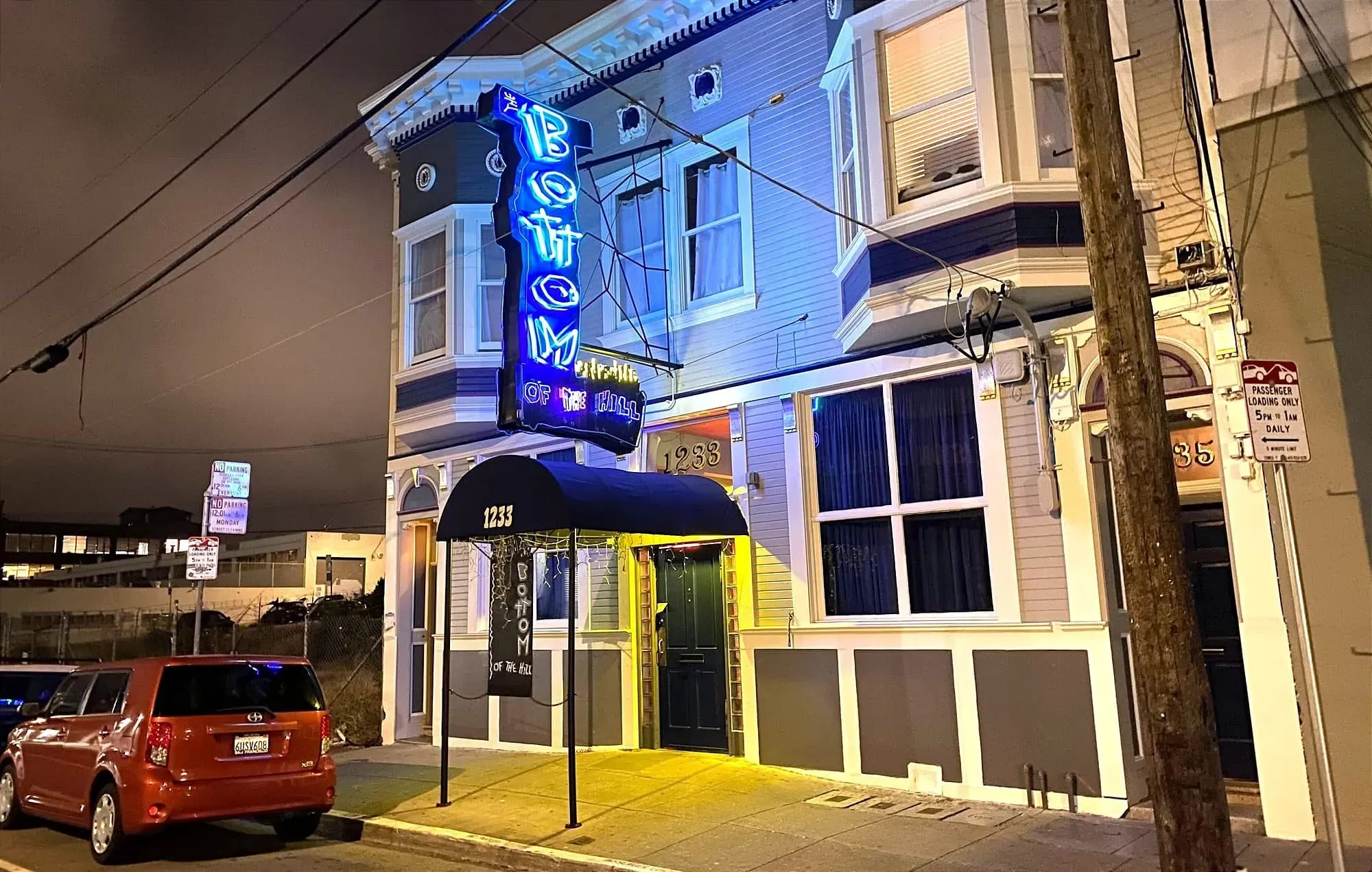
In January 2026, the owners of Bottom of the Hill, a small San Francisco rock club, announced that the venue would close at the end of the year. By October, the story had changed. After an outpouring of support, the owners arranged to hand the business to a new operator, preserving a stage that has been part of the city’s music life since 1991.
It is a hopeful development, but also a revealing one. A venue can matter enormously to its community and still be difficult to sustain. Its value to musicians, audiences and a city is not necessarily reflected in the money left after a show.
That raises a question I keep returning to: who pays for music before it finds an audience?
The room before the audience
Bottom of the Hill is a room of roughly 250 people. Its longtime owners, Ramona Downey, Kathleen Owen and Lynn Schwarz, had spent decades keeping it running. According to reporting by COYOTE, annual insurance costs had reached around $34,000. The owners also described pressure to keep tickets affordable, a changing city and an increasingly corporate live-music business.
But they stressed that the original decision to leave was personal, not simply a business failure. When they announced the closure, musicians and regulars responded. One agent reportedly warned that developing bands might bypass San Francisco without the room. The owners reconsidered, received numerous expressions of interest and selected Michele Bronson, a longtime customer and biotech executive, to take over the business.
The existing owners would retain the building. The incoming operator planned to keep the venue’s name and much of its staff, while learning the booking operation. This is not proof that every small venue can be saved by a new owner. It is a reminder of how much a venue depends on particular people, their skills and their willingness to absorb responsibility.
Booking a room, staffing a show and maintaining a building are forms of work that happen before a single ticket is sold. A room can also be valuable without producing a future superstar. It is somewhere a new act can discover whether a song connects, where an audience can encounter something unfamiliar, and where a community can meet.
COYOTE’s reporting describes Bottom of the Hill hosting fundraisers, memorials and other gatherings. Its purpose has never been reducible to developing artists for bigger stages.
+Read more: "Australia’s Venues Are Housed in Buildings They Do Not Own"
The economics of one night
Consider a deliberately hypothetical 300-ticket venue. At 70 per cent attendance, 210 people buy a $25 net ticket and spend $14 each at the bar. Total ticket and beverage receipts reach $8,190. Suppose the artist receives 70 per cent of ticket income, beverages cost 35 per cent of sales, other variable costs are 60 cents per attendee, and the venue allocates $4,000 to staffing, production, occupancy, insurance, marketing, cleaning and a small contingency.
On those assumptions, the venue ends the night with a $640 modelled deficit. It would need 250 paying attendees, or about 83 per cent of its sellable capacity, to break even. That calculation is an illustration, not an observed result from Bottom of the Hill or a national average. Different guarantees, rent, bar spending and staffing arrangements would produce very different outcomes.
Its usefulness is in showing the order of events. A venue commits to people, equipment, utilities, insurance and promotion before knowing how many customers will walk through the door. The artist has costs too. An evening can feel successful in the room while leaving little financial margin for either side.
There is wider evidence of strain, although it needs careful interpretation. A 2025 study prepared for the National Independent Venue Association (NIVA) reported that 64 per cent of independent stages were not profitable in 2024. The study includes stages of different sizes, not only intimate clubs, and does not establish that 64 per cent of small venues are about to close.
Still, it points to the tension between cultural importance and financial resilience.
What a touring artist actually earns
The artist’s share of a ticket settlement is not the same as take-home pay. In May 2026, Welsh band Los Campesinos! published accounts for its 11-date North American tour in June 2024. It is one band’s self-reported experience, not a representative budget for all musicians, but the detail is instructive. The band reported show fees of about $149,000.
After deductions including agency commission, taxes and unexpected production costs, the remaining amount was approximately £99,700. It itemized touring costs of roughly £101,800, including a sleeper bus, driver, crew, travel and equipment. On the band’s figures, the shows themselves made a loss of around £2,090. Merchandise changed the outcome.
The band reported approximately £40,300 in merchandise profit, which it said would help finance its next project rather than be distributed as individual earnings. Those sales mattered, and the venues on that tour did not take a merchandise commission. But the larger lesson is about timing: much of the expense had to be committed before the tour generated income.
There is a temptation to look at a busy stage and assume that the artist has made money. The accounts complicate that assumption. Gross receipts must pay for the machinery of getting musicians from one city to the next. A sold-out room does not automatically mean a profitable tour, just as a lively show does not guarantee a profitable venue.
+Read more: "Is Seeing the Stage Optional? (At These Ticket Prices, It Better Not Be!)"
Who carries the risk?
Music depends on a chain of decisions made before the audience arrives. An artist invests in songs, rehearsals and travel. A venue takes on the cost of a physical space and the people needed to run it. Promoters, crew and other workers contribute expertise and time.
Fans eventually decide whether the night works commercially, but many bills fall due before that decision is known. Those risks are not shared equally. A guaranteed artist fee may protect a performer from poor attendance while leaving the promoter or venue more exposed. A percentage-only arrangement shares some of that attendance risk with the artist.
Contracts matter, as do the costs that sit outside the ticket settlement. There is no single arrangement that describes every show. Larger companies operate at a very different scale, but their financial size alone does not explain the difficulties of a 250-person room. The immediate question here is narrower and more practical: who is expected to finance the early stages of musical discovery?
Keeping the doors open
Bottom of the Hill’s planned handover offers an answer of sorts. It required the owners to preserve the building, identify a successor, pass on operational knowledge and give a new person the opportunity to take responsibility. It required staff, artists and audiences who cared about what the room offered. None of that makes the business easy.
Nor does the room’s importance oblige its founders to keep running it forever. I grew up around music, and now work in music technology. That experience has made me increasingly interested in the invisible infrastructure behind a performance. We celebrate the artist on stage, as we should.
But the people who keep the stage available are part of the story too. If we want new music to be heard, we need to understand the costs of the first hearing. Not every venue will produce a famous act. Not every tour will turn a profit.
Yet these rooms give music somewhere to begin, and audiences somewhere to discover it. Before there is a roar, somebody has to pay to open the room.
Sarah Jane Foster is an Irish entrepreneur, broadcaster and Founder and CEO of The RAW Network, a music technology company focused on creating new opportunities for artists, venues and the wider music ecosystem. The granddaughter of Mick Foster of Foster & Allen, she grew up immersed in the music industry and brings that perspective to her work in music technology, innovation and industry commentary.