

UK-based video production specialist Universal Pixels, which has supported tours by Oasis, Radiohead, Robbie Williams, Robyn, and Katseye, is feeling the pressure.
Speaking to IQ Magazine on November 5, commercial director Phil Mercer described supply-chain pressures as "unbelievable," pointing to the growing importance of flexibility and local partnerships as international touring expands.
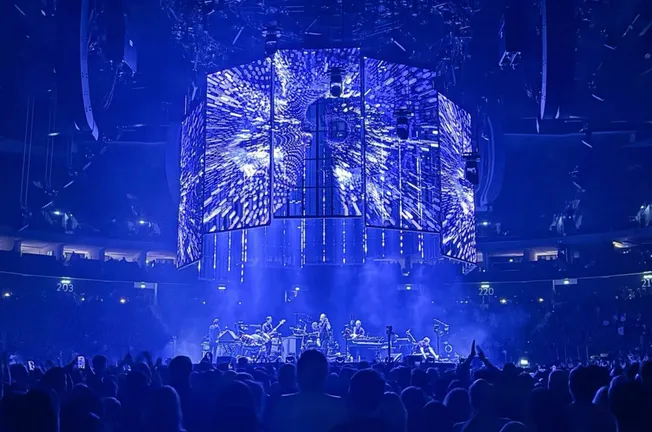
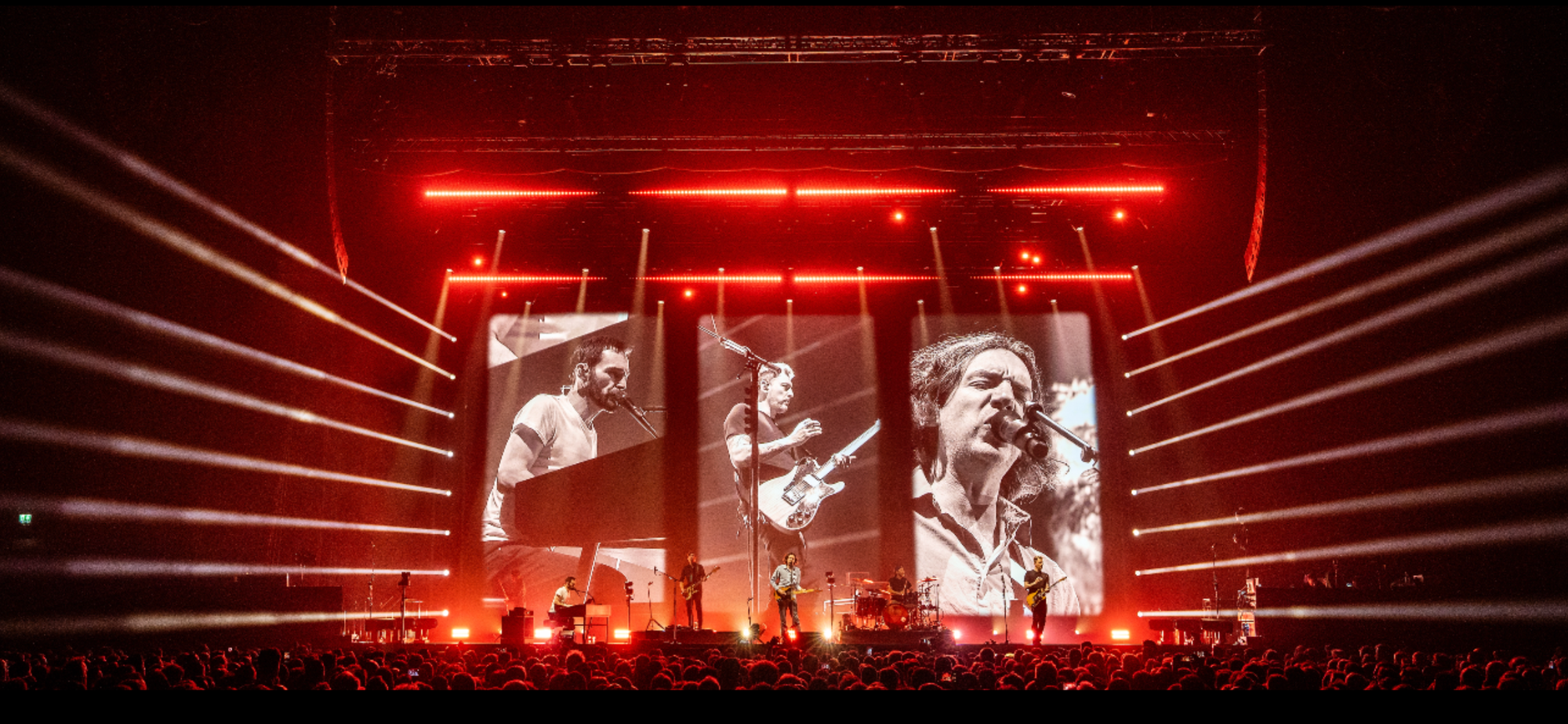
The issue isn't simply that more concerts are happening. Productions are becoming increasingly technologically ambitious, requiring specialized equipment, experienced technicians, complicated logistics, and tight turnaround times across multiple markets.
And while fans see the finished spectacle, the companies responsible for delivering it must navigate the costs and logistical risks behind the curtain.
Bigger Shows, Bigger Infrastructure
Universal Pixels is responding to that demand by expanding. As part of its tenth-anniversary celebrations, the company announced plans to double the capacity of its UK headquarters in Tring, Hertfordshire, while continuing to develop its US operations.
The expansion reflects both the opportunities and demands facing production suppliers. Larger shows require greater technical capabilities, but also considerable investment in equipment, facilities, and specialized personnel. The company has maintained its focus exclusively on video production, a strategy that has helped it develop expertise while navigating an increasingly competitive international market.
The broader question is whether the touring industry's production infrastructure can continue expanding quickly and sustainably enough to match artists' creative ambitions.
+Read more: "Backstage Pass: How Luke Combs' Massive 360° Stage Was Built for the Road"
Even Sold-Out Tours Are Feeling the Squeeze
Those pressures aren't limited to stadium productions. At the Billboard Live Music Summit on November 10, booking agents discussed the rising costs of touring and the increasingly difficult financial calculations facing artists at every level. Cristina Baxter of THE•TEAM described touring margins as particularly thin, explaining that decisions about production expenses and scheduling can determine whether an otherwise successful tour makes money.
For emerging and mid-level artists, the consequences can be significant. An ambitious production might help an artist compete for attention, but expensive equipment rentals, transportation, additional crew, and complicated venue requirements can quickly consume already limited touring revenue.
A sold-out room doesn't necessarily mean a profitable night.
Could Smaller, Local Productions Become an Advantage?
There's an opportunity here for independent artists and managers willing to rethink how touring productions are built. Rather than transporting an elaborate technical setup between cities, artists can explore working with regional lighting, audio, and video suppliers, using equipment already available in venues, and designing shows that adapt to different spaces.
A modular production, for example, might preserve a consistent visual identity without requiring identical equipment at every stop. Building relationships with local technicians can also reduce logistical complexity while supporting the independent production businesses that keep regional music scenes operating.
The goal isn't to make concerts less ambitious. It's to make creative ambition financially sustainable.