

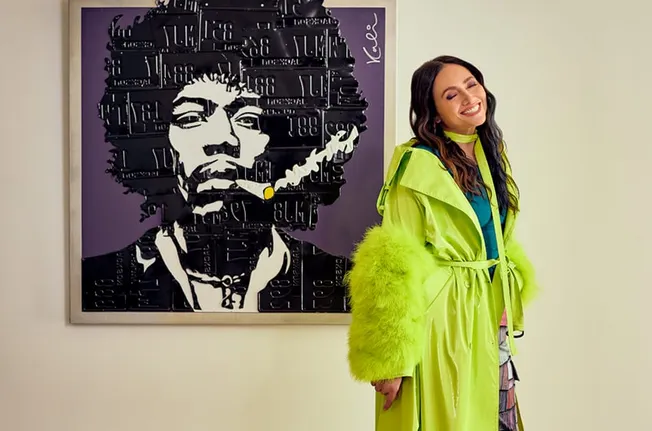
By ellee ven, founder of The Groovalution
Here’s a moment most independent musicians will recognize:
You’ve decided to stop tweaking the song because it finally sounds good, and it’s as close as it can get to what you envisioned after many wrong turns and endless rewriting – but your first thought is not about the music. It’s about when to post it, what to say in the caption, which platform to prioritize, and what’s up with the algorithm this week.
You’re barely done with the creative endeavor before the promotional machinery kicks in. And somewhere in that transition, you lose grip of the feeling of having created something genuine.
The tools available to independent artists today are truly remarkable. Musicians even 15 years ago could only dream of having such an ability to record, distribute, and connect with listeners without having to deal with gatekeeping labels and radio stations.
But access to the exposure social media provides comes with a set of expectations that were never fully explained, and those expectations are now reshaping the act of creating music itself.
"The driving question changes from what you need to say to what will land, what will perform, and what is already trending. Songs are expected to be finished before they are even ready, simply because the algorithm won’t wait."
When the feed overshadows the studio
Posting everything you create on YouTube or Instagram or TikTok gains you traction and visibility, but the side effects of that pressure bleeds over into the rest of your life. Artists who feel they need to post frequently start, often subconsciously, writing for the feed.
The driving question changes from what you need to say to what will land, what will perform, and what is already trending. Songs are expected to be finished before they are even ready, simply because the algorithm won’t wait.
Now, commercial pressures have shaped creative decisions for decades, but not at this scale and speed. A feedback loop that is immediate and public can get louder than a stack of Marshall cabs, and deafened by what’s trending, artists who started making music to say something specific find themselves scrambling just to stay in the conversation.
But this kind of creativity is reactive, because you’re responding to what is already working, chasing the timing, and lowering risk. That’s different from the kind of intentional creativity that needs space, patience, and the willingness to make something different that might not land right away.
Today’s platforms are built to reward the pursuit of what works, but the pursuit of unique expression is what yields the kind of music people actually remember and yearn for.
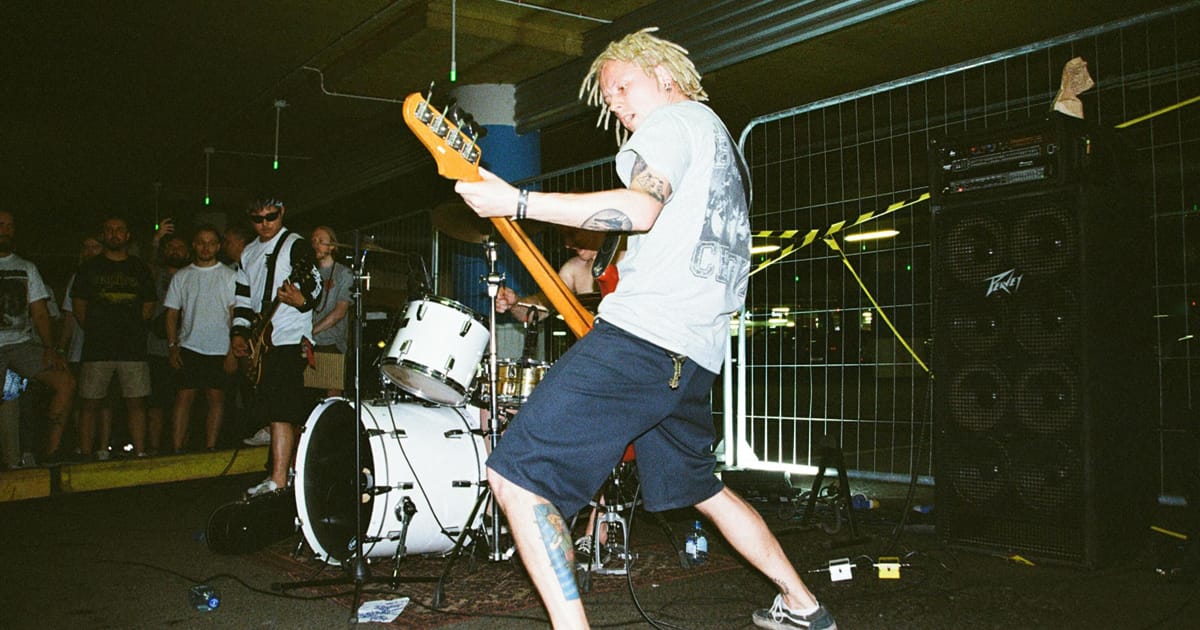
+Read more: "Boring Bands Don't Get Booked"
Listen to what the burnout is telling you
Creative burnout is often labeled a time management problem, nothing a better schedule or a few days off can’t fix. But living inside the content cycle yields a different kind of exhaustion: it's a sense of disillusionment that arises when your work isn’t connected to the reason you started doing it.
What makes such exhaustion harder to shake is everything you need to do on top of making the music itself: You're narrating the process, fielding comments, managing audience expectations, and maintaining a consistent and engaging public image across multiple platforms – often all at once.
The creative self and the public self start to blur, and that's a kind of tired no cacao ceremony or weekend in the woods is going to soothe.
Build a career that doesn’t heed the algorithm
If you look at the artists who have lasted across generations and formats, the throughline of their careers is rarely output volume. It's connection. People listen to albums over and over because the music means something to them, not because a platform reminds them it exists. Such relationships are slow to build.
One approach worth considering is treating creation and promotion as two separate tracks rather than one continuous obligation. Set up dedicated writing sprints with your band, and record when you’re confident the song is ready while ensuring you stick to a schedule that keeps you creative but active.
Meanwhile, address the task of maintaining visibility separately — the filming, the posts, and the performances — so that the processes intersect only enough to help promote your music, not dictate what you create.
That separation will protect the conditions under which real creative work happens. You can show up online consistently letting that schedule dictate your creative process. The content will serve the music rather than the other way around.
The music belongs to you
True artists will never fail at content creation, but they may stumble if they become too distracted by catering to the algorithm. Not only does it threaten to destroy their self worth, but it will rob them of the precious time they can spend nurturing their truly unique offering.
+Read more: "Fame From the Practice Space to the Stage: South Arcade and Haku. (ハク.)"
ellee ven is a singer, songwriter, creator, investor, and founder of the The Groovalution lifestyle brand. Known for blending rock, pop, and electronica into her self-defined genre “Groovetonics,” she has built an independent career centered on artistic freedom, creativity, and ownership. Her music has earned more than 20 million listens across 180 countries, and she proudly retains ownership of her catalog while building a creativity-first brand that spans music, culture, and entrepreneurship.