

By Julius Farahwaran, founder of Musikeers
The verdict is in.
Vault shut down its subscription model with one day's notice. Patreon has quietly pivoted away from paid memberships – free memberships now outnumber paid ones four to one on the platform. One-time payments are growing three times faster than recurring subscriptions. And Spotify still can't agree internally on what a superfan tier should even contain.
The consensus is forming fast: the superfan subscription model is broken.
But although the conversation usually stops there, this is actually the part worth pushing on.
A Subscription to What?
The failure wasn't the idea of fans supporting artists directly. That idea is not just valid – it's increasingly urgent, especially as streaming royalties flatten and AI-generated content floods the discovery layer.
The failure was the model that tried to make it happen.
A monthly subscription tied to content deliverables puts the wrong pressure in the wrong place. It tells an artist: produce on a schedule, or lose subscribers. It tells a fan: you're paying for access to output, not for a deepening relationship.
That's not support. That's a magazine subscription with worse odds of delivery. It puts annoying pressure on the artist to not look lazy, and often results in them creating "sub-par" content just to feed the need. Nobody wins. And it leaves fans asking what they're actually supporting?
Debating whether or not subscriptions as a concept have failed is moot. They did, and we need to move on. The more relevant debate is going to be around what model will emerge and work effectively?
Passive Attention Is Not Engagement
When I started building Musikeers, I was an independent artist watching my own streams accumulate without anything actually changing. A track with 50,000 listens and no real connection to show for it. No way to know who those people were, no way to reach them again, no moment that made any of them feel close.
The problem wasn't the number. The problem was what the number represented – passive attention, optimized away from anything resembling a relationship.
Passive attention is not fan engagement. And infrastructures that trade in passive attention actually become hurdles to real engagement.
The insight that shaped Musikeers was never about collecting subscriptions. It was about capturing moments.
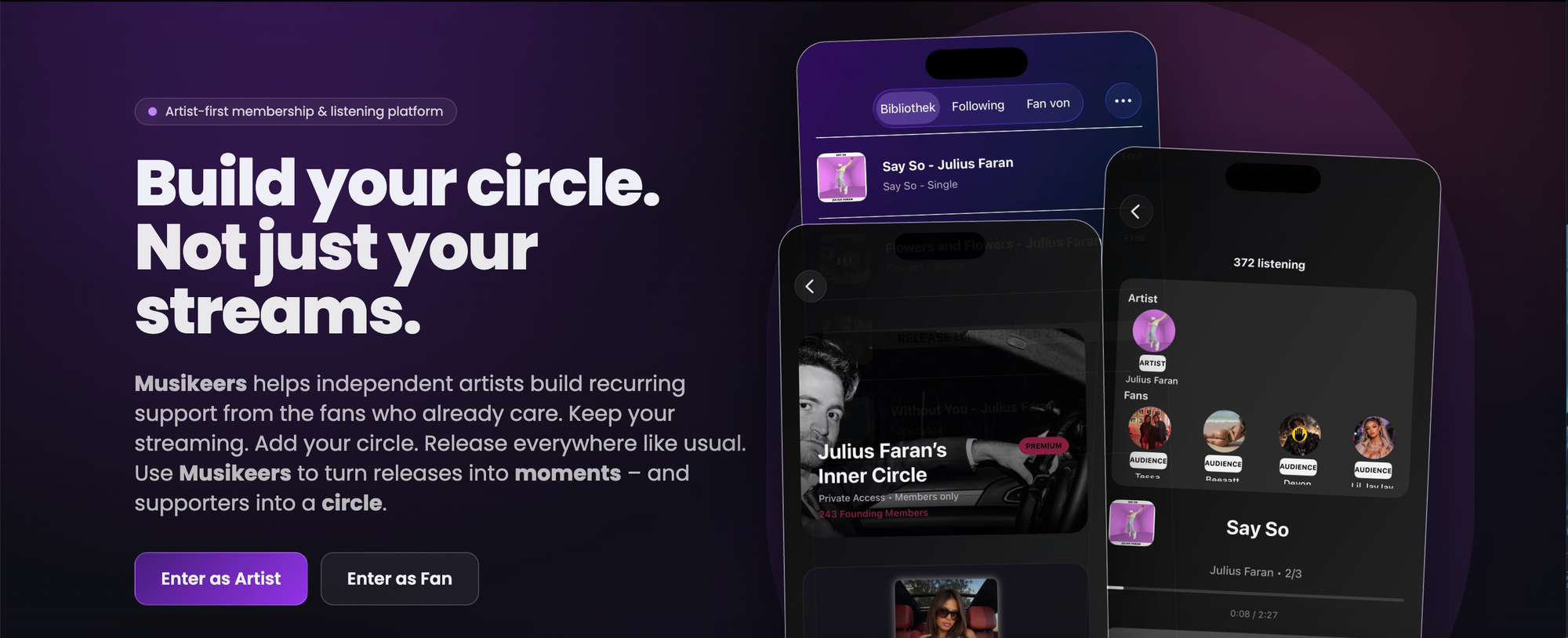
A fan doesn't support an artist because they're obligated to. They support because they feel something real – because they were in the room when the track dropped, because they heard it before anyone else did, because the artist acknowledged them as something more than a data point.
That feeling doesn't come from a content calendar. It comes from a moment that superfans and casual fans alike want to be a part of.
+Read more: "How Come Nobody Ever Talks About 'Casual Fans?'"
An Infrastructure of Relationships
This is the distinction that matters as the industry tries to figure out what comes next. The platforms that failed built infrastructure for recurring revenue. What artists actually need is infrastructure for a recurring relationship.
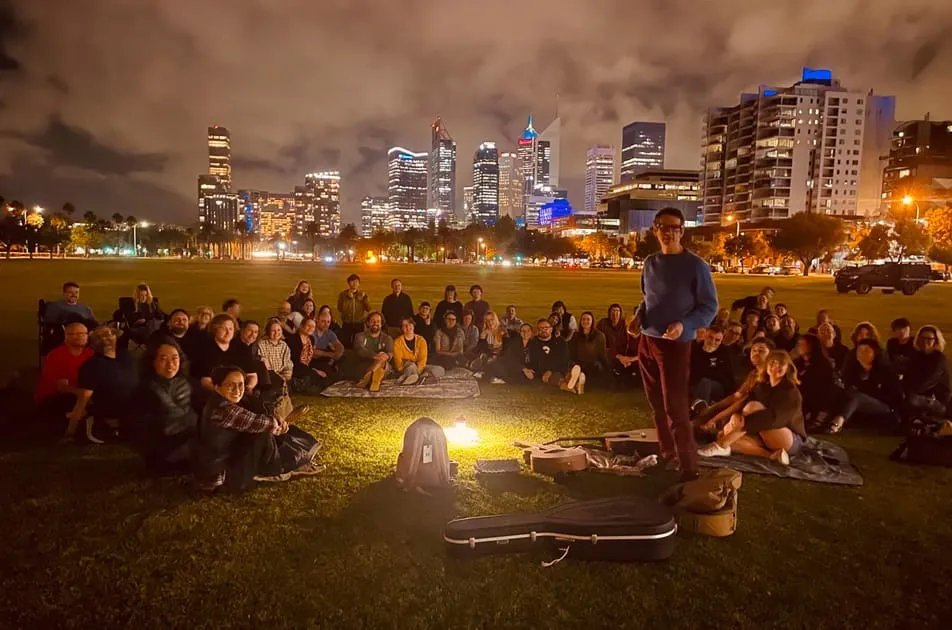
That means release moments that feel like events – not drops into algorithmic silence, but rooms where fans and the artist listen to the music together, in real time. The artist is present, reacting, explaining, answering. Not broadcasting at an audience. Being in the room with one.
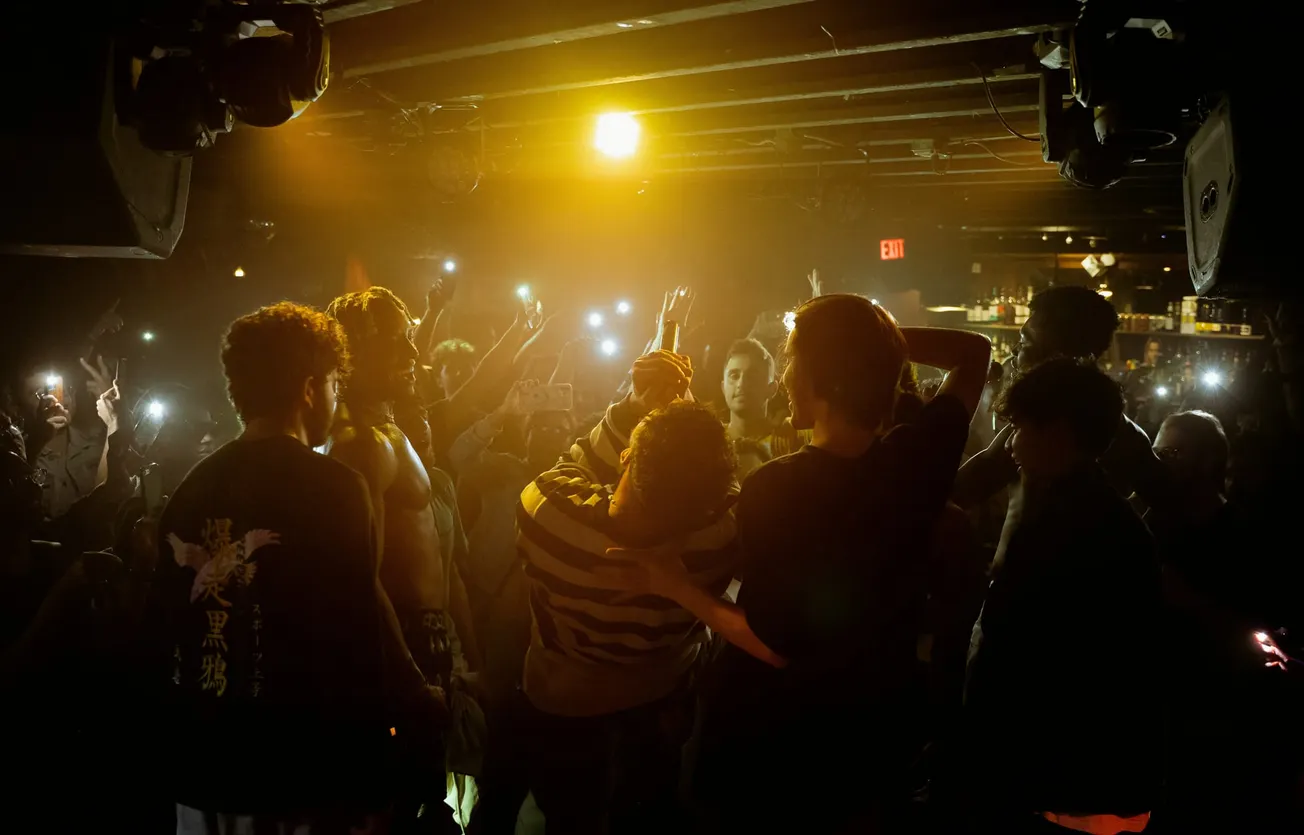
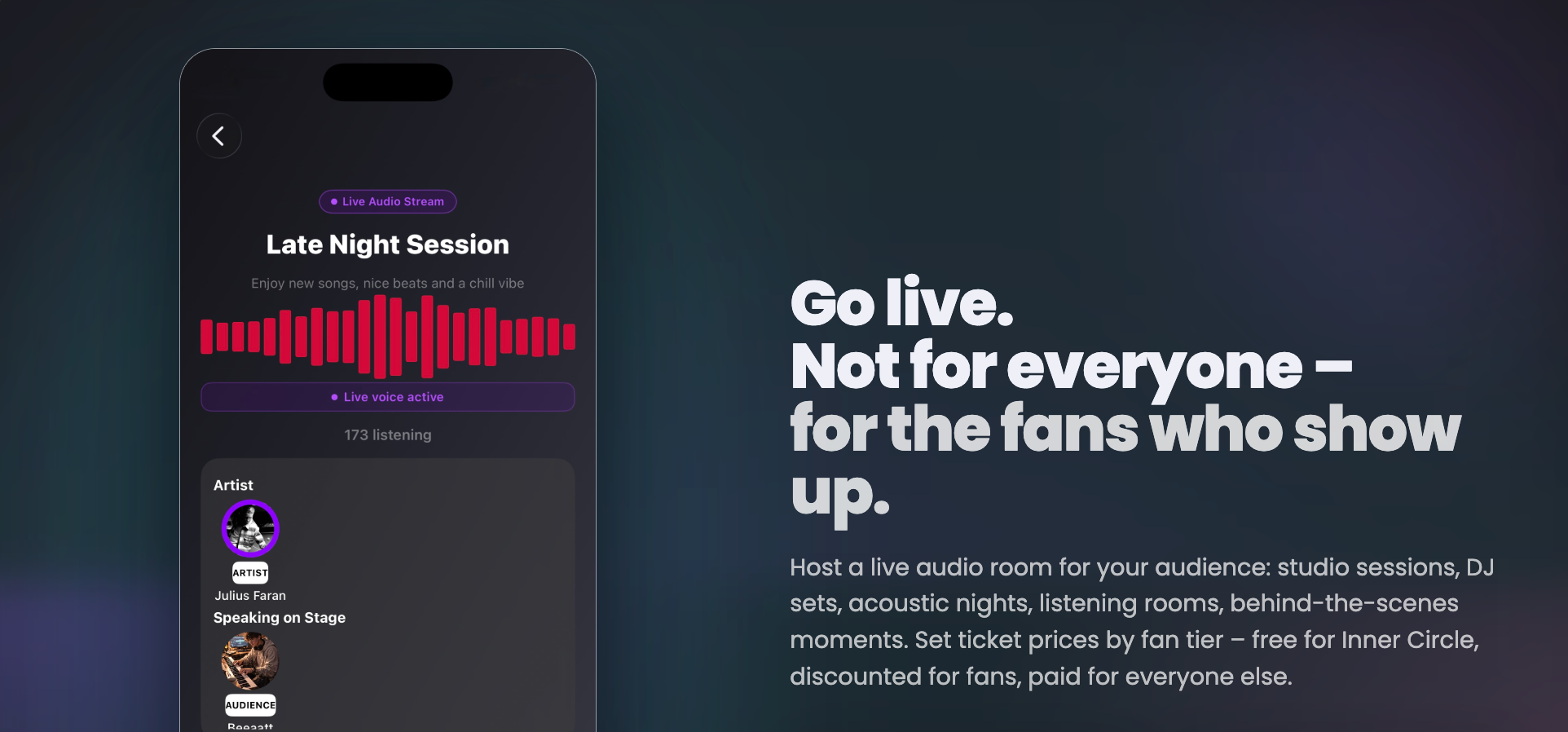
It means live sessions where an artist performs for their fans directly – and where fans can respond, ask, talk back. Not a concert stream you watch from a distance. A space where the distance collapses entirely. Presence, when it feels right.
It means a space for the fans who want to be genuinely close – not because they're unlocking a reward tier, but because the artist matters to them and they want to show it.
It means support that feels like belief, not subscription. A fan paying €1 a month isn't buying content. They're saying: I believe in you. That distinction – small as it sounds – changes everything about how both sides experience the relationship. The revenue is a consequence of the relationship. Not the other way around.
So What Should Artists Do Now?
The shift isn't abstract. It's a practical reorientation of where you put your energy. Here are some thoughts:
1- Stop optimizing for reach alone.
Reach is the beginning of the funnel, not the goal. A track with 10,000 listens and 50 people who genuinely care will outlast a track with 500,000 streams and no one who remembers it in six months.
2- Build around moments, not schedules.
A listening party where you and your fans hear your music together – you in the room, reacting, talking, present. A live session where you perform and your fans can actually respond. These create memory. Memory creates loyalty. Loyalty creates support. You don't need to post every Tuesday. You need to create experiences people actually remember.
3- Make it easy for fans to show up.
Most artists have fans who want to support them and no clear way to do it. They're not going to Bandcamp, they're not setting up a Patreon, they're not donating via PayPal. The easier you make it for someone to say "I believe in you" in a concrete way, the more of them will.
4- Treat your inner circle as a relationship, not a product.
The fans who pay more aren't paying for premium content. They're paying for proximity. Give them that – real access, real moments, the sense that they're genuinely close to something. That's what keeps them.
+Read more: "Streams Don’t Build Careers: Fans Do"
Conclusion
The platforms that tried to solve this by copying SaaS subscription logic will keep failing. Not because fans don't want to support artists – they do, more than ever. But because a billing cycle is not a relationship, and no amount of product design makes it feel like one.
What comes next is a model built around the moment of connection rather than the obligation of payment. Around releases as events rather than content drops. Around communities that form because of genuine shared feeling rather than access tiers.
That's harder to build. It's also the only thing that lasts.
Join the Musikeers Beta — Get early access to Musikeers and help shape the future of independent music.
Julius Farahwaran is the founder of Musikeers, a direct-to-fan platform for independent artists built around Listening Parties, Live Sessions, Inner Circle, and direct fan support – focused on the moment of connection, not the subscription model.