

By Paul Knowles, Co-Founder of the DUNE app
The music industry has spent decades perfecting the "passive" experience. We’ve made it easier than ever to lean back and let an algorithm serve up a soundtrack.
But while the delivery of music has become frictionless, the connection between artist and fan has often become diluted.
We are now entering a new era. The future of fan-artist engagement is shifting from passive listening to interactive, investor fandom. By turning streaming data into a tradable asset, we are finally building a bridge between the clinical coldness of the data marketplace and the raw energy of the front row of a concert.
Here is how the architecture of fandom is being rewritten.
1. Fandom is Moving from Transaction to Ownership
For decades, being a "superfan" meant buying the t-shirt, the record, and the concert ticket. It was a one-way transaction. The future of the fan-artist relationship is active, defined by investment and agency.
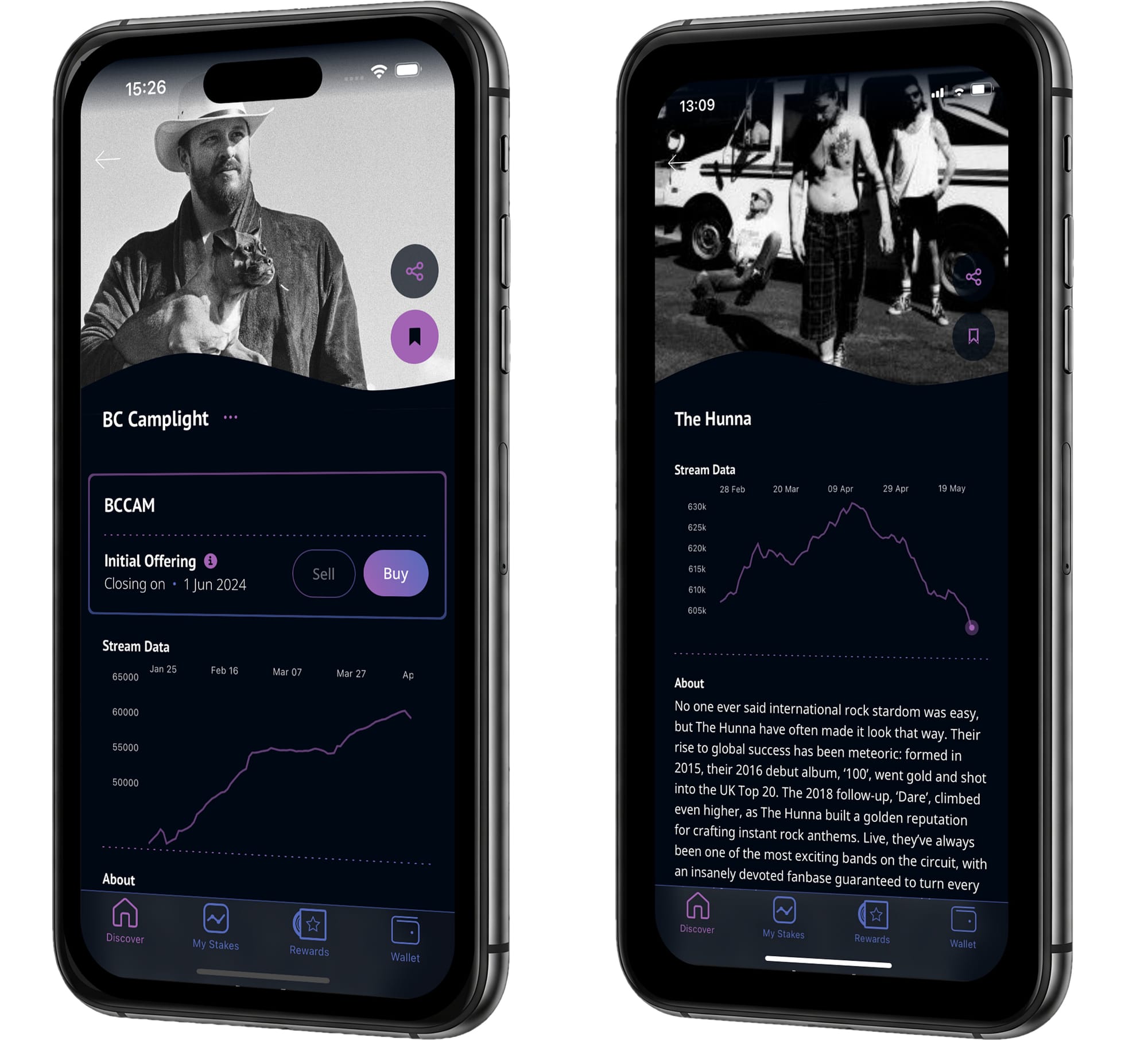
We saw the first stepping stones with platforms like Kickstarter and Patreon. Then came SongVest and ANote, which introduced the idea of music as a financial asset class. Platforms such as DUNE are the next logical evolution: combining the community-driven model of Patreon with a mass-market, fan-friendly speculative element.
Why? Because fans no longer want to just be consumers; they want a seat at the table. They want a stake in the success of the careers they help build.
2. Crowdsourced A&R: Bypassing the Gatekeepers
Historically, the "Old Guard" — major labels, media directors, and sync execs — held a monopoly on discovery. They decided who got the budget to reach the masses. While the internet promised to democratize this, we’ve traded old gatekeepers for new ones: the algorithms.
Today, these digital waters have become muddy. However, the data doesn't lie. Likes, shares, and streams are a more accurate representation of potential success than any top-down approval.
We are moving toward a data-backed meritocracy where fans act as venture capitalists. By injecting cash directly into artists who are gaining traction, fans can fund studio time and tours in real-time. We are effectively crowdsourcing A&R, allowing the audience to spot trends and back them before a scout even enters the room.
+Read more: "Christine Osazuwa on Owning Your Data, Michelle Obama, & Inclusion in Music"
3. The Rise of Gamified Loyalty
Engagement in the future will look less like a shopping cart and more like a strategy game. This isn't just about "holding assets" for a quick flip; it’s about status and access.
Years ago, Kings of Leon experimented with albums as digital assets. It was early days then, but that DNA has evolved into what we are doing today. We are seeing artists benefit from "gamified loyalty" in a way that rivals traditional revenue streams.
Recently, an artist on our platform launched a stake sale and generated over $1,000 in revenue in a single day — the financial equivalent of nearly half a million streams. When fans have "skin in the game," the emotional connection to the artist’s journey becomes authentic and unbreakable.
4. Making Business the New "Social Layer"
There is a lingering fear in some circles that talking about data and metrics "kills the magic" of music. I disagree. I believe it is empowering.
A new social layer is emerging where fans discuss chart positions, playlist placements, and streaming metrics not just as trivia, but as a central part of the fan experience. By making this data visible and actionable, we give both artists and fans the opportunity to take control. When you highlight the metrics, you turn every fan into an A&R executive.
The industry used to be a closed shop. The future is an open market where the "business" of music is the very thing that brings the artist and the fan closer together.
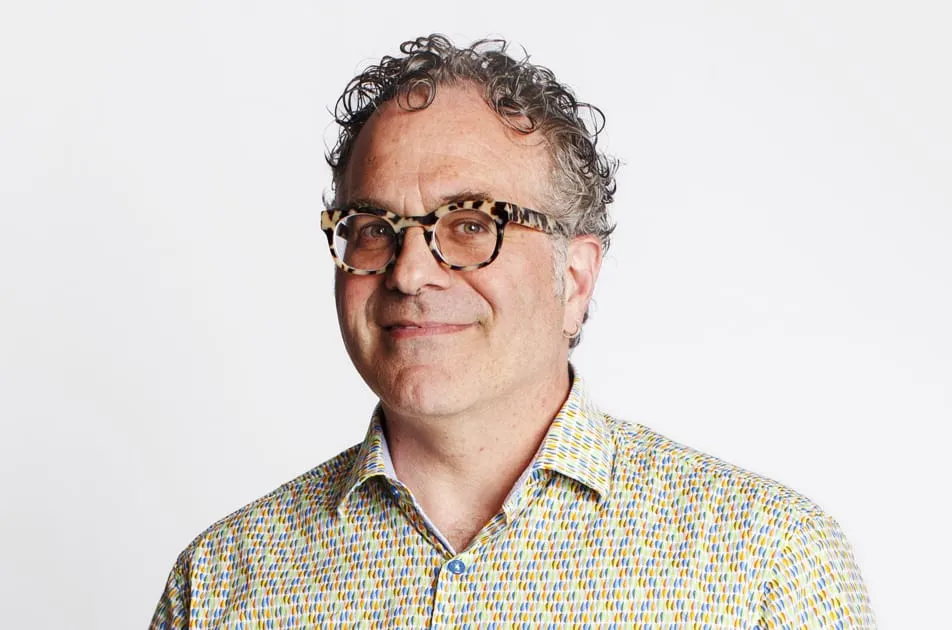
Paul Knowles is a co-founder of DUNE, a first-of-its-kind mobile platform that allows fans to invest in music artists, share in their financial success, and access exclusive content. By turning fans into stakeholders, Dune is redefining the relationship between creators and their communities.