

The Levitt Family Foundation marked its 60th anniversary this summer by declaring June the first National Free Outdoor Concerts Month. The announcement could have been little more than a feel-good promotional campaign.
Instead, it arrived with something more useful: the public release of Levitt’s toolkit for producing free outdoor concerts, including guidance on programming, operations, marketing and volunteer engagement.
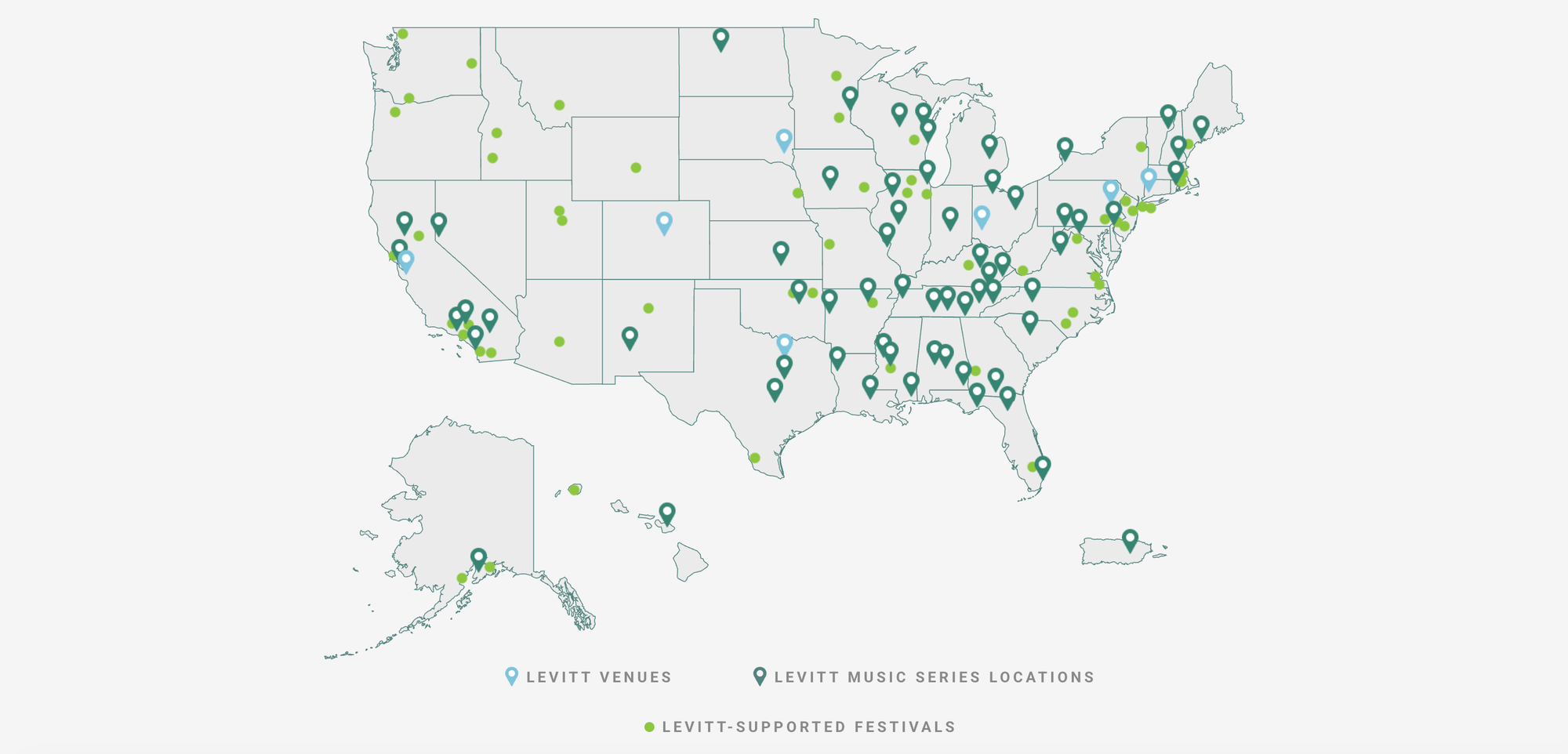
That toolkit reflects a model Levitt has been building for decades. In 2026, the Foundation says it is supporting more than 100 nonprofits presenting over 1,000 free concerts in more than 100 towns and cities across all 50 states, Washington, D.C. and Puerto Rico. Those events are expected to reach more than one million people — and pay more than 4,000 performing artists.
At that scale, Levitt has already done the work of proving that free outdoor concerts can be a net positive, not just for building sustainable revenue for local creatives and communities, but as a development initiative for civic infrastructure.
The real question is: Why aren't we talking about this more?
Free for the audience does not mean free to produce
What I love about Levitt's commitment is that just because the concerts are free, musicians are never treated like free labor. There are no "visibility exchanges" here.
According to the Foundation, artists performing across the Levitt network are always paid. Local nonprofits control their own bookings, while the national network creates potential routing opportunities for emerging, regional, and established acts.
Levitt’s current Music Series grants provide participating nonprofits with matching funds of up to $40,000 annually for three years. In return, each organization presents seven to ten free concerts per year in an accessible, underused outdoor space. The Foundation also supplies contracts, sponsorship templates, production guidance, access to booking expertise and an expenses-paid learning conference.
Plenty of communities can scrape together enough money for one free concert, but Levitt's funds help communities build the repetition required for sustainable community return. A park, plaza or vacant lot becomes part of community life because people return to it week after week, not because it hosted one successful Saturday.
And the matching requirement forces broader local investment. Up to half of the match can be in-kind, but communities must still assemble support from businesses, donors, municipal departments, foundations and other partners; which kicks local stakeholders into gear in meaningful ways.
+Read more: "The Local Advantage: Could Festivals Win by Thinking Smaller?"
A model that changes with the community
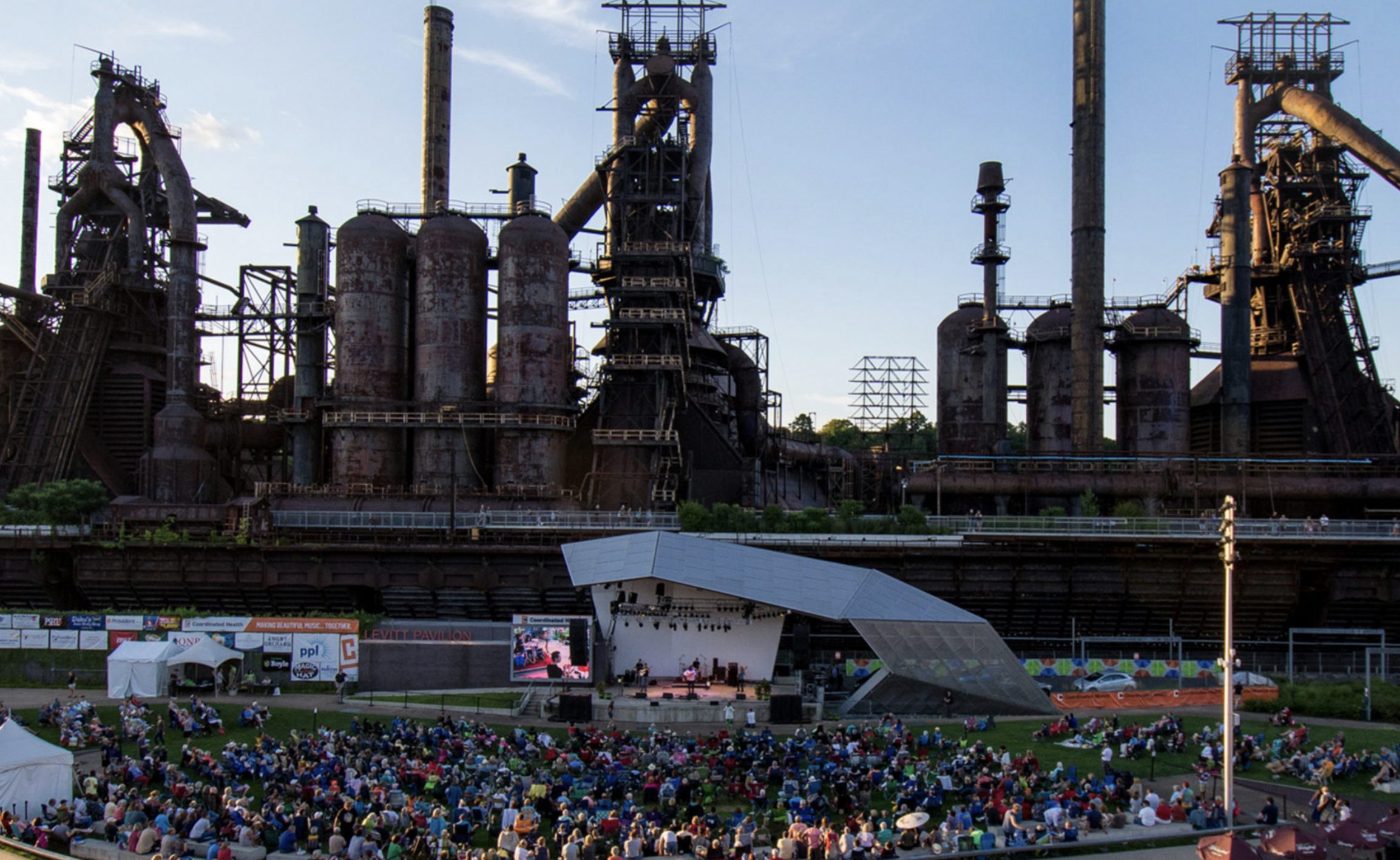
Levitt AMP supports series in small and mid-sized communities, including rural towns and Appalachian and Midwestern Main Streets. Levitt VIBE brings concerts to neighborhoods in larger cities where access to live music and arts programming may be limited. The newer Levitt BLOC program rotates concerts among multiple public spaces, spreading activity across different neighborhoods rather than asking everyone to travel to one central site.
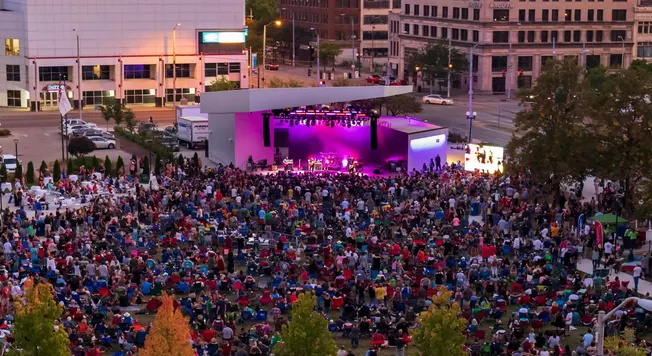
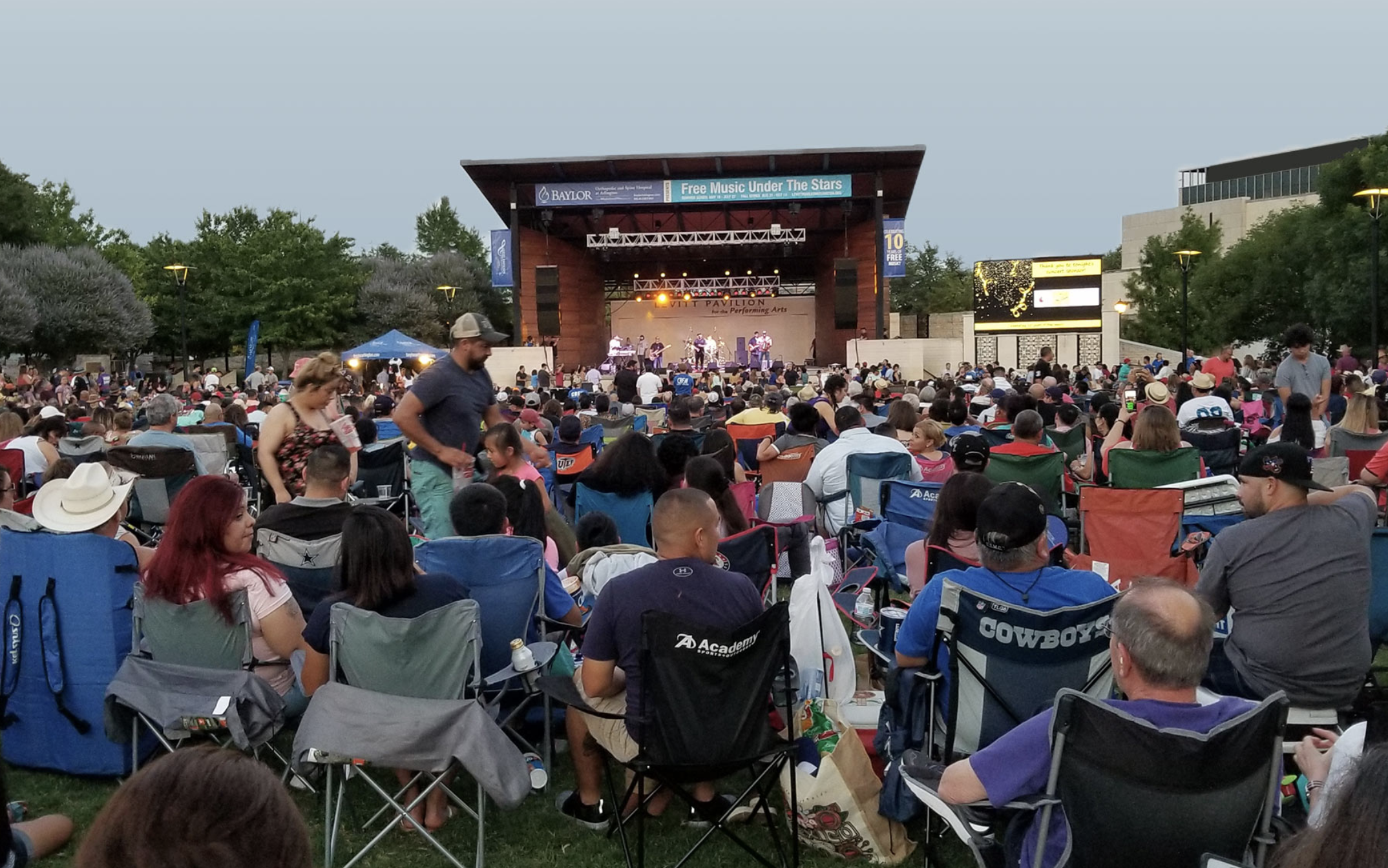
Permanent Levitt venues in cities like Arlington, Dayton, Denver, and Sioux Falls operate at another level, generally presenting 40 to 50 free concerts annually.
This model addresses the often-ignored reality that the word “underserved” does not mean one thing to every community, and that serving those communities requires different approaches.
A town of 2,000 residents likely lacks touring infrastructure to accommodate out of town artists, but so can a particular cut-off neighborhood inside a major music market, and a university campus might conveniently connect several disparate neighborhoods if activated via public space.
A concert can be an economic development tool without becoming a mega-event
Sometimes the objective is not necessarily to fly in thousands of tourists for one enormous festival weekend. Sometimes the best approach is a long-tail plan to generate recurring foot traffic for food vendors, nearby restaurants, Main Street businesses, and community organizations over time.
In Middlesboro, Kentucky for example, the Levitt AMP series turned a vacant gravel lot into a lawn and performance space with a permanent stage and mural. Main Street America reported that Middlesboro’s downtown had only one restaurant and no retail stores during the series’ first season in 2015. It now has additional shops and restaurants, growth that local organizers partly attribute to bringing people downtown for free Thursday-night concerts.
Levitt’s commissioned research in Denver found a similar social effect, concluding that the Levitt Pavilion Denver helped fill a gap in the city’s arts landscape, brought different audiences together, and created a stronger sense of belonging. Not to mention the benefits for musicians achieved through competitive pay, audience development, and connections with schools and nonprofits.
+Read more: "4 Types of Music Festivals — and What Makes Them Different"
What's next?
Recent news surrounding the addition of government partners in different states suggests that the model is being considered wider and wider. These are targeted investments that combine arts access, workforce support, tourism, public-space activation and small-business development.
The Tennessee Entertainment Commission has joined Levitt to support six communities, with the partnership expected to generate as many as 180 free concerts over three years. Mississippi is looking to combine state public-art funding with Levitt grants that activate the new installations through annual concert series.
Watching out for equity
Cultural-policy thinker Roberto Bedoya has warned that creative placemaking can become a tool of “dis-belonging” when arts activity raises the value or profile of a neighborhood without serving the people already living there. See also: gentrification.
I'm mentioning this because this came up in Levitt’s own report on their Denver case study. The community did see raised tensions around demographic change, ownership over collective memory, and barriers to participation for some. In this way, a "responsible" version of this model would really need to take stock of local programming authority and decision-making across residential communities.
It needs honest evaluation of who attends, who benefits economically and whether the activated space remains truly public. Replication will also require cities and states to help less-resourced organizations build that capacity rather than simply asking them to compete for scarce philanthropic dollars.
+Read more: "A Venue's $70 Million Renovation to Fit… Less People?"
Levitt cannot (should not) do this alone
In 2023, the Levitt Foundation announced that it would spend down its $150 million in assets and close in 2041. The decision allows it to invest more aggressively now, but it also places a deadline on the efficacy of the experiment.
The Foundation’s lasting achievement cannot simply be the number of concerts it funds before then. It must be convincing tourism agencies, municipal parks departments, downtown development organizations, philanthropists, and local businesses that this work belongs in their regular budgets.
In other words, this should not be an extraordinary act of philanthropy; it should be one of the ordinary ways a community invests in live music, and in itself.