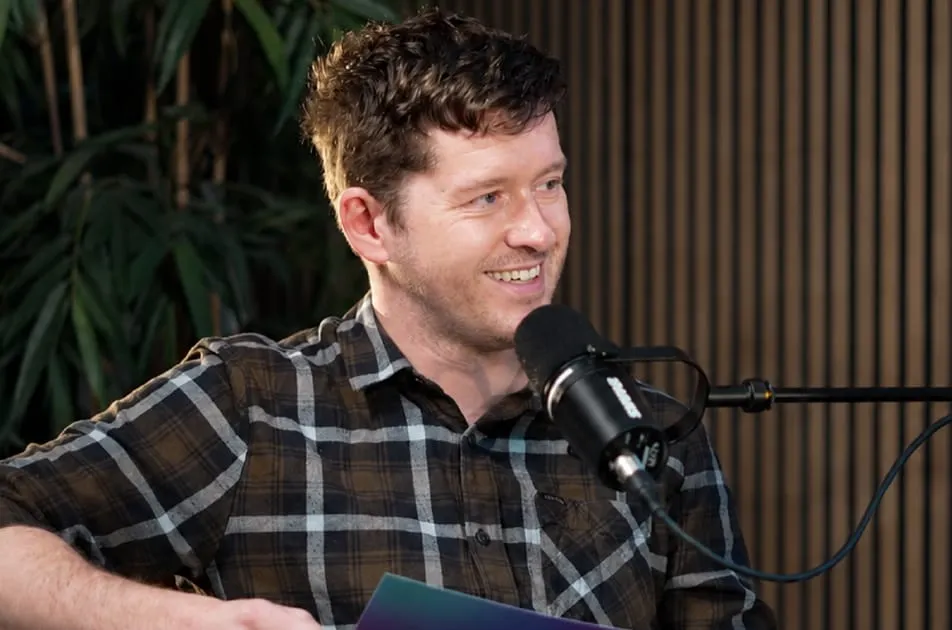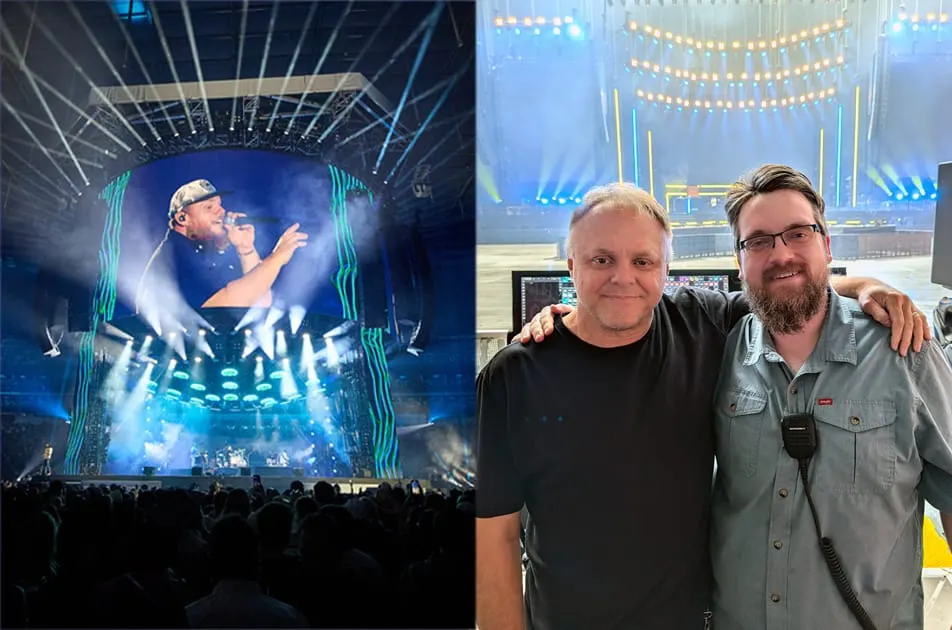


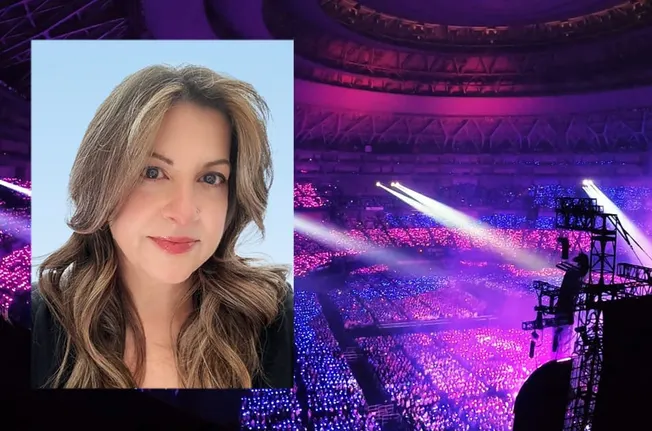
This interview with Lynn Bartsch, CEO, President, and General Counsel of global leader in interactive LED lightsticks, Fanlight, is a part of Hypebot's Backstage Pass series. Here, we feature conversations with people working behind the scenes to help artists navigate and streamline live music industry economics, logistics, and trends.
In so many ways, fans these days are becoming more active participants of the culture they consume. This is happening on TikTok, in remixes, in offline fanclubs and meetups, and in the seating stands at your favorite artist's concert.
LED lightsticks might not seem like big business here in North America, not yet at least. But they've been slowly taking over Korea, Japan, and other Asian concert markets as both major concert collectibles and certified revenue-bolstering merch items for touring artists. And while this has slowly started to spread westward — with artists like Lady Gaga, Coldplay, and of course Taylor Swift utilizing interactive light-up wristbands — Fanlight is betting that their cost-effective, tech-driven product is positioned at the forefront of a new wave of concert interactivity.
Here's our conversation about live superfan engagement. Enjoy!
Backstage Pass is sponsored by venue, festival and promoter marketing solution Bandsintown PRO.
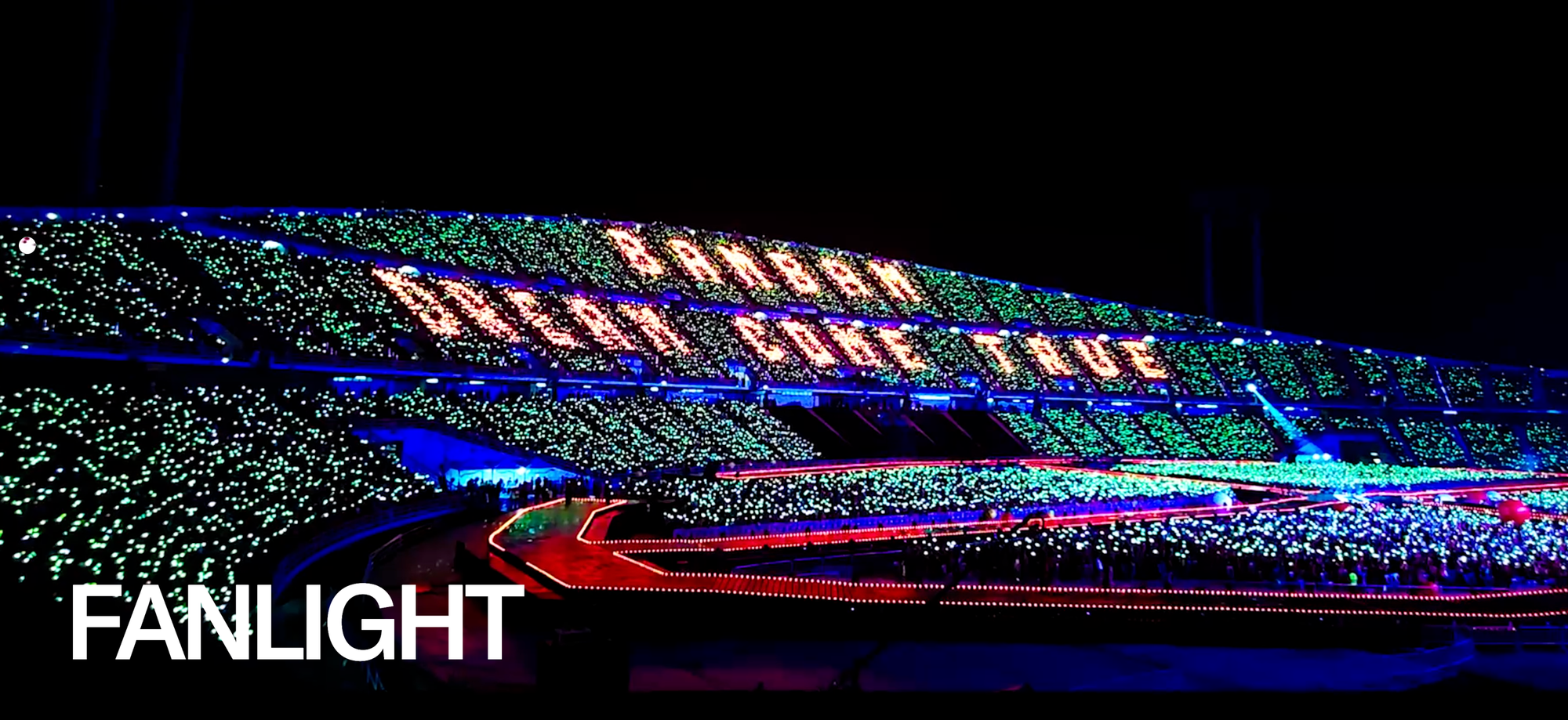
Hypebot: How can artists turn fans into superfans?
Lynn: "Why does everyone want superfans? Is it because it feels good to be so loved? Sure it does, but that isn’t the whole picture."
It’s also because superfans spend more time and money on everything an artist or a brand does. These days when margins are getting thinner and thinner, it becomes a matter of survival to diversify revenue streams. And what we are seeing is clear, if you can offer fans a physical product, like a custom lightstick or specifically designed wristband, that is collectible and cements the emotional connection created at the live engagement point, then you have a better chance of turning those fans into superfans."
Those superfans, in turn, spend significantly more, attend more shows, and stay loyal longer. K-pop pioneered this model, but the behavior is universal. These aren't just products, they're tokens of identity that fans carry with them long after the concert ends, constantly reinforcing their emotional bond with the artist. Western artists who ignore this trend are leaving serious revenue on the table."
"What K-pop figured out first, and what Western artists and brands are just beginning to understand, is that tangible, collectible objects cement the emotional connections made in those live moments and become more than merch. They become symbols of fan identity."
H: And how does physical merch help supplant that artist-fan relationship?
L: "The concert experience or the big game is fleeting, but a custom designed lightstick or a custom wristband is forever. And when combined with a system where they can be brought back to each event and work every time, they become much more than a memento. They become part of a lifestyle."
What K-pop figured out first, and what Western artists and brands are just beginning to understand, is that tangible, collectible objects cement the emotional connections made in those live moments and become more than merch. They become symbols of fan identity. The key words are collectibility and resuable. If the object isn't special enough to treasure, the whole ecosystem falls apart."
Fans don't just buy these items. They organize around them, display them, and bond over them. That's superfandom, and it's incredibly powerful commercially. But superfans are not created by accident or from some miracle. Creating a superfandom takes thoughtful strategies around content, marketing, and merchandise."
H: What does this trend say about the movement of fans from being passive consumers of music to active participants in culture?
L: "Like everything else in modern society, fan behavior is evolving extremely fast. Audiences aren't content being passive, they want to participate, and physical objects like custom branded lightsticks and custom designed wristbands give them a way to do that."
We're watching a revenue model emerge where merchandise isn't an afterthought, it's the engine. It’s not so new in Asia but Western artists and brands are just starting to understand it. This new revenue engine only works when the product has genuine collectibility, is reusable, and when the artist or brand imbues the product with meaning."
Western artists who invest in that, the ones who treat fan merchandise as an extension of their artistry, can unlock revenue streams and fan loyalty that will define the next era of the music business. And this same theory can apply to sports teams, colleges, and anyone who engenders brand or fan love and belonging."
"The emotional and economic ecosystem of superfandom runs on collectibility, reusability, and meaning, and when you layer technology on top of that, you've created something fans will pay for, cherish, and evangelize."
H: Can you talk a bit about the tech aspect?
L: "The next evolution of fan merchandise is smarter than most artists or brands realize. Custom designed lightsticks and specifically branded wristbands are embedded with NFC or RFID technology, which transforms them a collectible into a multipurpose fan asset — unlocking exclusive content, granting backstage access, storing memories from the night, or even functioning as a digital wallet at venues."
The market is heading toward a world where physical and digital fan experiences are seamlessly integrated, and the artists who get there first will have a big competitive advantage."
H: So what can we expect to see in the future for this market?
L: "What excites me most about where this market is heading is that we're just scratching the surface of what these physical objects can do. A custom lightstick or designed wristband isn't just a souvenir; it becomes a living part of the relationship between the artist, brand and the fans, which is capable of delivering new experiences long after the show ends."
That multipurpose utility is what makes premium price points not just acceptable, but in fact welcomed by superfans. The emotional and economic ecosystem of superfandom runs on collectibility, reusability, and meaning, and when you layer technology on top of that, you've created something fans will pay for, cherish, and evangelize."
Learn more at Fanlight.com.
Hypebot’s Backstage Pass series is sponsored by venue, festival and promoter marketing platform Bandsintown PRO. Join leading live event professionals saving time and selling more tickets with their automated, self-serve and custom solutions.

ᐧ