

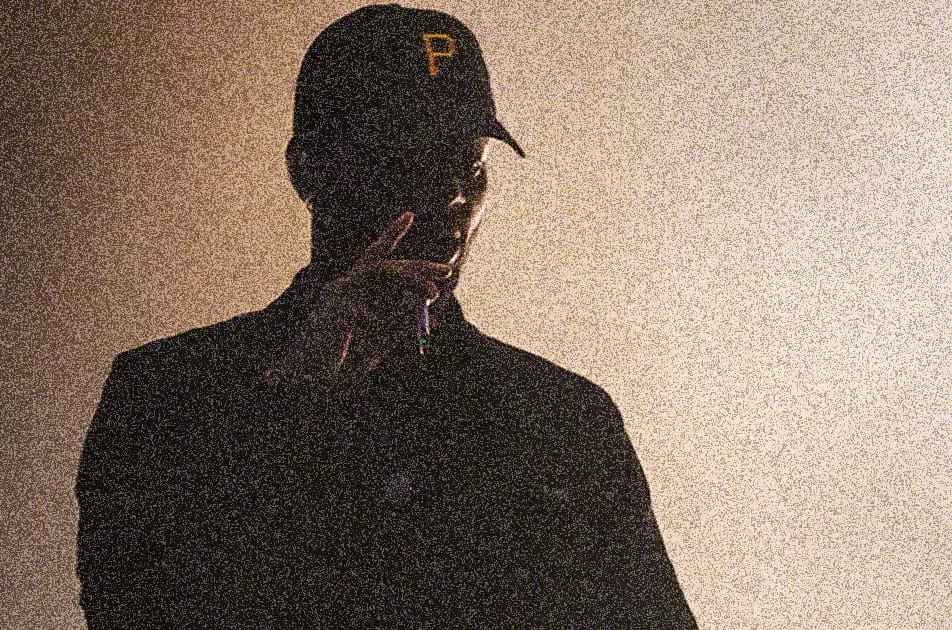
Bryson Tiller's newly announced Neo Trap Soul Tour arrives at a fitting moment in his career. More than a decade after TRAPSOUL helped redefine modern R&B, Tiller remains one of the genre's most influential artists — not because he became the loudest voice, but because he proved you didn't have to be.
Long before sold-out tours and platinum records, Tiller was working at Papa John's in his hometown of Louisville, trying to support his young daughter while chasing a music career that often felt out of reach. He has spoken openly about sleeping in his car, having to borrow money from friends to get by, doubting whether music would ever become more than a dream, and nearly walking away from it altogether.
When "Don't" exploded online in 2015, listeners were discovering a next-wave voice in hip-hop, connecting with a modern take on the ever-evolving R&B sound, and most importantly, hearing themselves in a new artist's stories. Tiller's life and times reflected the struggles of those seeking out his music, an identification of familiarity that despite his rise in fame, has never faded away.
That relatability is also one of the reasons Bryson Tiller's live shows feel the way they do, which is to say it's why he's able to command the live stage with patience, sensuality, and a pacing that many artists can't afford.
He's already done the work to connect with his audience, so even in a festival-sized scope, authenticity is what carries the performance, not pageantry.
+Read more: "How to Choose the Right Indie Venue for Your Live Concert"
A Different Kind of Headliner
Most arena performers in the Top 100 are taught to command attention by moving constantly, raising the energy, and relying on a constant stream of visual candy (lights, lasers, strobes, projections). You have to keep the audience on its feet.
Bigger stage. Bigger production. Bigger personality. Those are the rules. But Tiller's songs were never about being larger than life.
Rather than chasing explosive hooks or relentless momentum, TRAPSOUL introduced an atmosphere built on patience, restraint, and late-night storytelling. The songs unfolded gradually, inviting listeners into scenes instead of rushing them toward a climax.
That philosophy followed him onto the stage. A Bryson Tiller concert rarely feels hurried. Songs are allowed to breathe. The crowd often finishes his lyrics before he does. Lighting and production support the mood instead of competing with it. Rather than overwhelming the audience with spectacle, Tiller trusts the songs — and the people singing them back — to carry much of the emotional weight.
He's performing with the room instead of at it.
What He Built Has Become More Than a Genre
When people talk about "Trap Soul," they usually describe the genre of music that's soaked up thousands of artists on Soundcloud and in Spotify playlists with millions of accrued listens.
That sound includes artists like PARTYNEXTDOOR, Brent Faiyaz, 6LACK and others. There's hazy production, trap-inspired hip-hop drum loops, melodic vocals, R&B influence in the top-lines and vulnerable, sensual lyrics that tell stories. It's a style almost made for playlists, for listeners to sink into.
But trap soul also changed something about live performance. Before artists like Tiller, many mainstream hip-hop and R&B concerts were built around constant momentum and upping the ante. The expectation was to keep the energy climbing from one song to the next. Tiller showed there was another way.
A room full of thousands of people could be completely captivated by mood. By pacing. By songs that told stories instead of demanding attention every thirty seconds. That approach has quietly influenced an entire generation of artists. You can hear echoes of it in today's melodic hip-hop and contemporary R&B, where atmosphere has become just as important as volume and emotional connection often matters more than choreography.
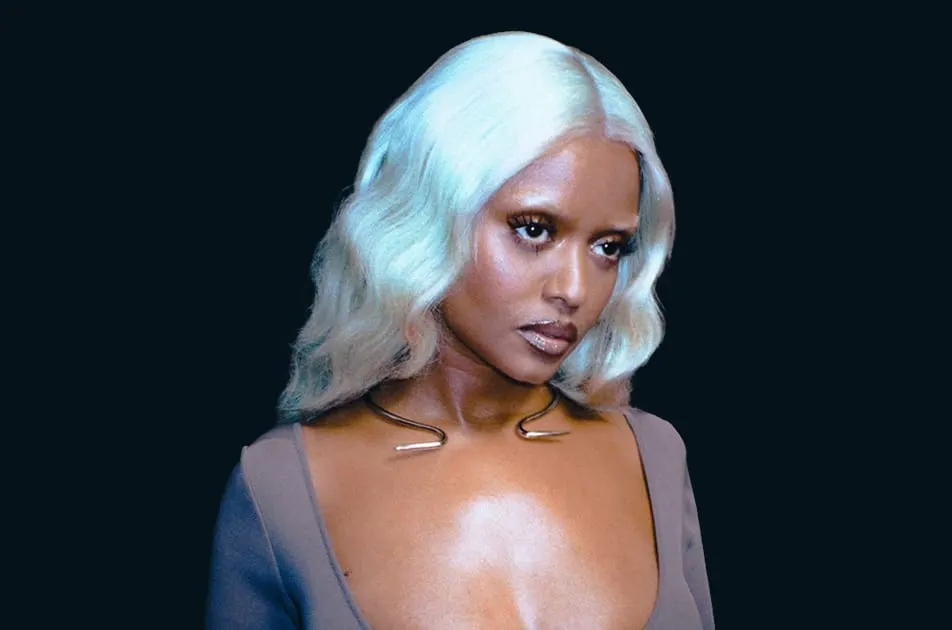
+Read more: "How Kali Uchis Uses Mood to Connect to Fans Across Language Borders"
The Guy Never Really Changed
One of the most remarkable things about Bryson Tiller's career is that success never really required him to reinvent himself. Not really one to soak up the spotlight, he's been able to remain truthful and authentic over the last decade, while pursuing his gifts as a singer and songwriter; he's not really a showman.
Hence, that young father writing songs after long shifts at Papa John's isn't a completely different person from the artist preparing to headline the Neo Trap Soul Tour. The stages got bigger, the audiences got louder, sure. But the perspective stayed surprisingly grounded.
Maybe that's why his concerts continue to resonate, and why he's about to embark on a global leg of touring that looks a lot like what The Rolling Stones or Red Hot Chilli Peppers dig into. Only, his fans don't show up expecting a larger-than-life superstar; they show up expecting Bryson Tiller.
And in an era where so many live performances compete to be louder, faster and more spectacular than the last, there's something quietly revolutionary about an artist who understands that sometimes the strongest way to hold an audience's attention is simply to slow everything down.