

For emerging artists, booking shows often feels like a race toward bigger and bigger stages.
The temptation is understandable: larger venues look impressive on a tour poster and can create the perception of momentum. But in live music, perception is often shaped less by the size of the room and more by what happens inside it.
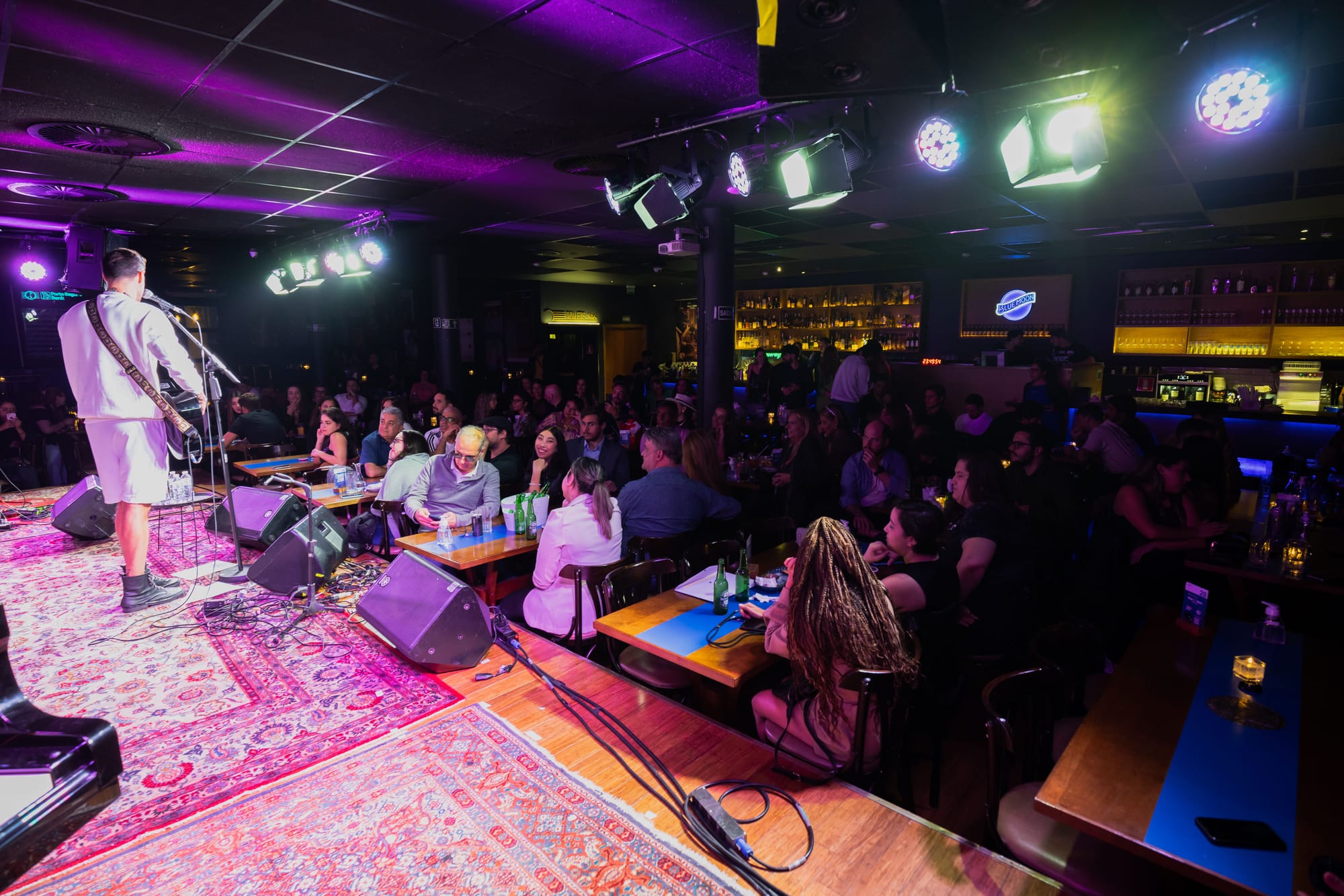
A packed 150-capacity venue that's ringing with sound can create more buzz, stronger fan engagement, and better industry optics than a half-empty 500-cap room you booked aspirationally. That's why choosing the right independent venue isn't just a logistical decision — it's a strategic one.
Here are some of the most important factors artists should consider before confirming your next live date, no matter whether it's local or on tour. Ready? Let's hit the road!
1- Capacity Matters More Than Ego
One of the most common mistakes independent artists make is overestimating demand. A sold-out room creates excitement. Fans talk about it, social media photos look better, and promoters take notice. An oversized room, on the other hand, can drain energy from a performance and make even a solid turnout feel disappointing.
When evaluating venues, start by looking at your actual draw in that market. How many tickets did you sell the last time you played there? How many email subscribers or social followers do you have within driving distance? Be realistic, but also challenge yourself to scale your previous audience numbers.
The goal isn't to play the biggest room available. It's to create the strongest possible atmosphere.
2- Find the Venue Where Your Fans Already Go
Not every indie venue serves the same audience. Some rooms are known for punk and hardcore. Others attract indie-rock crowds, singer-songwriters, electronic music fans, or jazz audiences. The right venue already has a built-in community that aligns with your music.
Before booking, spend time reviewing the venue's calendar.
- What artists have played there recently?
- What promoters and organizers curate events there?
- Are they similar to your sound?
- Does the audience seem engaged?
The best venue isn't necessarily the most famous one in town. It's often the one where your music feels most at home.
3- Pay Attention to the Room, Not Just the Stage
Always try to attend a concert at the venue before booking. Unless you're booking shows out of town; in which case, try to watch YouTube videos of live concerts that happen at that space.
Watch for how the crowd interacts with the space. Notice whether conversations overwhelm quieter performers. Pay attention to how the room sounds from different locations.
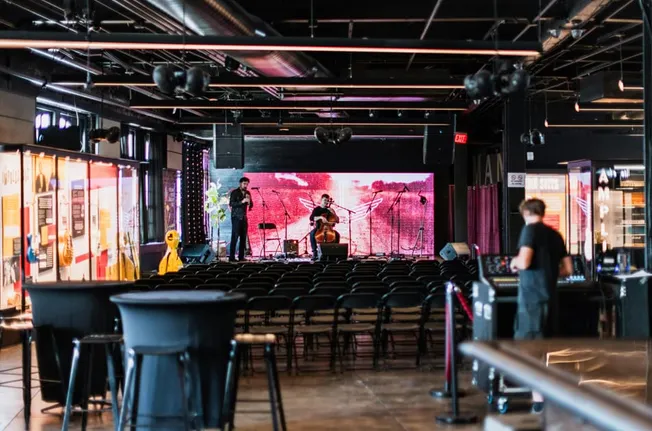
Sightlines, acoustics, load-in access, green rooms, bar placement, merch locations, and audience flow can dramatically impact the concert experience. Some smaller venues consistently deliver unforgettable shows because they've been designed with live music in mind.
A great room can elevate a performance. A poor one can work against it all night.
+Read more: "Boring Bands Don't Get Booked"
4- Look for Venues That Invest in Community
Independent venues are often more than places to watch concerts. They function as cultural hubs that help build local scenes, support emerging artists, and introduce audiences to new music. Research consistently shows that grassroots venues create value far beyond the shows themselves by fostering local culture and creative communities.
These are often the rooms where careers begin. Ask yourself: Does this venue actively support local artists? Do they partner with community organizations? Do they host showcases, open mics, or local festivals?
A venue with a strong community identity will often work harder to help artists succeed.
5- Examine the Promotion Partnership
Not all venues market shows equally. Some venues simply list an event on their calendar and expect artists to do the rest. Others maintain active mailing lists, social media channels, street teams, and relationships with local press.
Before confirming a date, ask what promotional support is included.
- Will the venue feature the event in newsletters?
- Are they running paid advertising?
- Will they provide creative assets?
- Do they record audio or video that you could purchase to use later?
The strongest shows happen when artists and venues work together to build attendance, and marketing opportunities for the future.
6- Think Beyond the Show Itself
A concert is only one part of a larger career-building strategy. The ideal venue helps artists capture fan data, sell merchandise, create memorable content, and establish relationships within a market. A successful show should leave you with more than a night's payout — it should leave you with momentum.
Sometimes that means choosing a smaller room with an engaged audience over a larger venue with greater prestige.
+Read more: "Small Venues in Small Cities: A Playbook for Building Community"
7- Build Relationships, Not Just Tour Stops
Many of today's most successful touring artists developed their careers by returning to the same independent venues again and again. When venues trust artists to deliver a strong performance and help promote a show, opportunities often follow. Better dates, larger rooms, festival recommendations, and local industry introductions frequently emerge from those relationships.
Treat venue staff as collaborators, not service providers.
The goal isn't simply to book a room. It's to find a home for your music.
Final Thoughts
As touring costs rise and competition for attention intensifies, venue selection has become one of the most important decisions an independent artist can make. The right indie venue can help build community, strengthen fan relationships, improve profitability, and create the kind of unforgettable live experiences that keep audiences coming back.
Just keep one thing in mind.
This industry is obsessed with scale, but it will always look better when a smaller room feels full, than when a more impressive room feels empty.
+Read more: "How to Build a Greener Concert Industry"