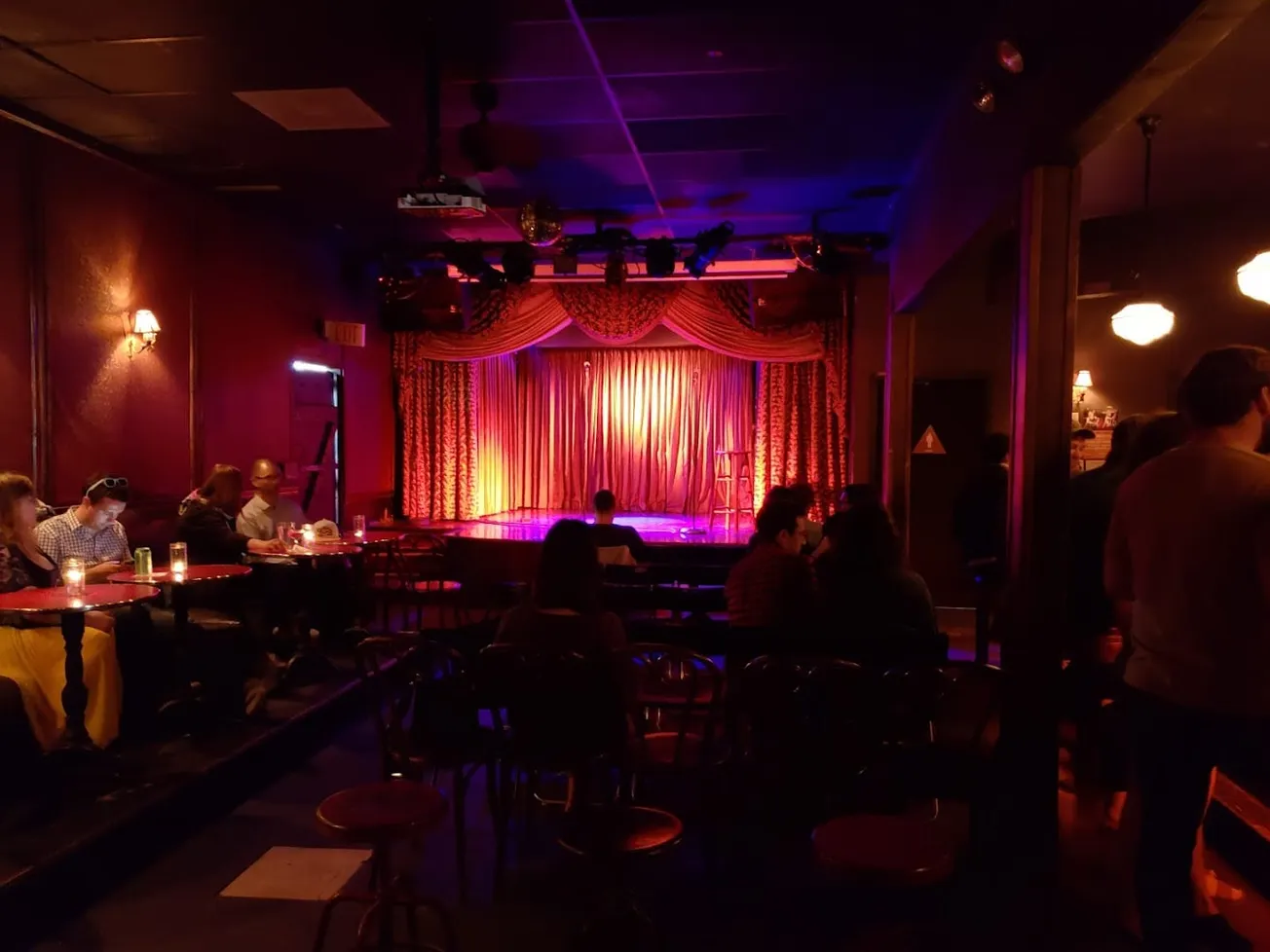



The Curatorial Anchor: Why Resident DJs Define a Venue’s Legacy
By NJ Bigornia of Midnight Rebels
Ask DLV what a residency actually gives you and he doesn’t talk about the paycheck. He talks about learning to read a room, week after week, at Grelle Forelle in Vienna, until he could shape the club’s whole identity from behind the decks.
That’s not a small claim. It’s the difference between playing music and building a place people belong to.
It matters right now because venues are getting crowded. UK operators are prioritizing localized venue identity, according to a 2026 industry guide, precisely because cookie-cutter rooms now look and sound interchangeable. A resident is how a venue stops sounding like everywhere else.
What Actually Separates a Resident From a Guest?
A guest DJ is freelance. They fly in, play a set, fly out, and belong to no single room. A resident is closer to staff, showing up on the same night, at the same venue, often for years, until the crowd starts to organize its week around them.
That distinction sounds small until you notice UK venues pay a specialist resident £200 to £400 a night, a fraction of a headliner fee, and still see the bigger return: guests staying at the bar longer on quieter midweek nights specifically because the resident knows how to sustain a room’s energy without a big name to lean on.
The Lineage No Guest Slot Can Buy
This isn’t a new idea dressed up for 2026.
Frankie Knuckles became musical director of The Warehouse in Chicago in the late 1970s, and that residency is widely credited as the birthplace of house music itself. Larry Levan held Paradise Garage in New York from 1977 to 1987 and reshaped how a club could sound over a decade, not a night. Carl Cox did the same at Space Ibiza for fifteen years, from 2001 to 2016.
None of that happens in a one-off booking. It happens because someone kept showing up.

+Read more: "Exposing How the Live Music Industry Lies About Its Massive Carbon Footprint"
Why Does a Backbone Matter More Than a Headliner?
Here’s the stance worth taking: a headliner sells a night, a resident sells a venue. A famous name pulls a crowd once, and that crowd may never come back if the same person isn’t booked again.
A resident builds the reason to return that has nothing to do with who else is on the flyer. DLV put it plainly: residents are “the backbone of every scene,” acting as “musical directors and the initial connectors to the crowd.” That’s not a promotional line. It’s a functional description of a job most headliners never do, because they’re never at the same club twice in a month.
Vegas Proves the Opposite Model Works Too
To be fair to the other side, the counter-model is real and it’s massive. Las Vegas nightclubs lock in more than 600 artists a season, running from April through New Year’s Eve, and Calvin Harris’s deal at XS is a true venue exclusive, reportedly paying figures that rival a stadium tour stop.
That’s not a residency in the Levan or Knuckles sense. It’s a season-long booking calendar built on scarcity and star power, and it works because Vegas is selling spectacle, not neighborhood identity.
Is Vegas Really the Exception?
Mostly, yes. Even inside that model, the venues still lean on continuity to make it feel like more than a rotating lineup.
Dustin Lynch is returning to XS and Encore Beach Club for a second year in 2026, building his own crossover country-club identity there rather than dropping in once. Even the most headliner-driven rooms in the world understand that a name people see once doesn’t build the same loyalty as a name they know they’ll see again.
A city’s nightlife identity isn’t set by whoever draws the biggest crowd once. It’s set by whoever’s still behind the decks a year later, teaching that crowd what the room is supposed to feel like.
+Read more: "Pro Guide: How to Maintain Your Venue's PA System Over Time"