

Tour announcements are almost always designed to shrink right into the dimensions of your phone screen now. Post the artwork somewhere, drop your tour dates in a QR code or hashtag, presale link up your website, make vertical videos and dangle the hype so the algorithm does the rest.
The problem with online content marketing is that... everyone is doing it. Where is there space left for you carve out your announcement?
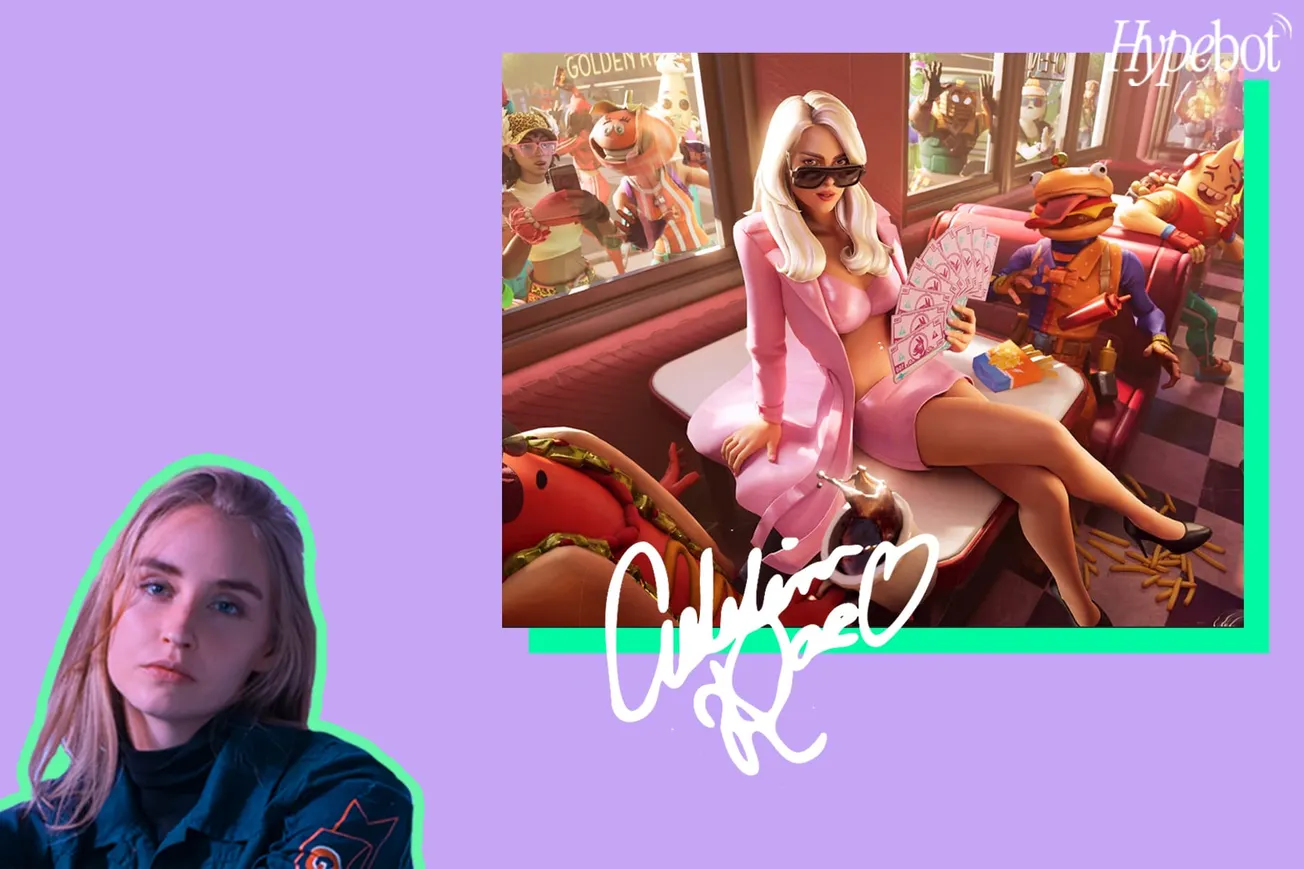
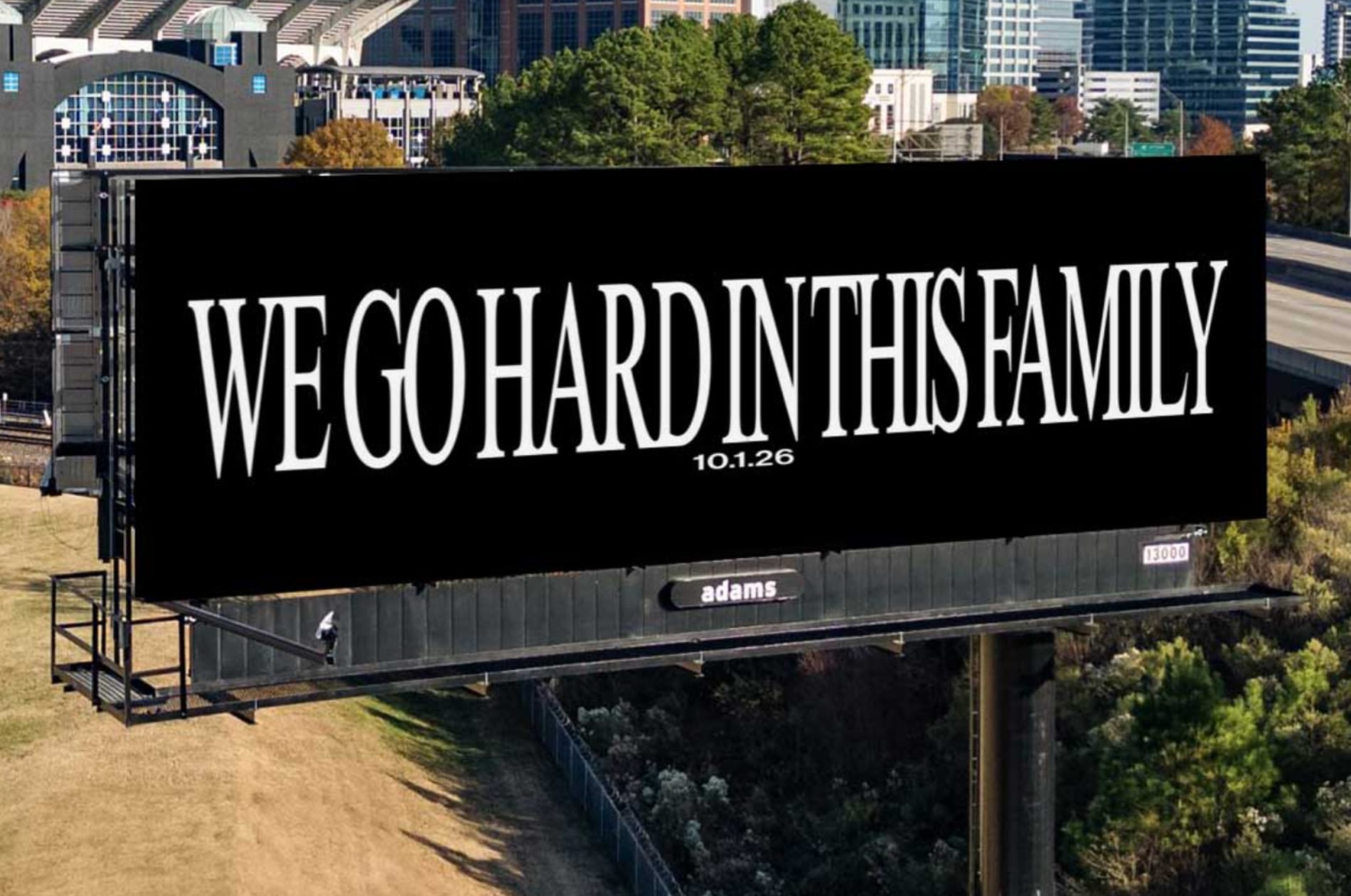
Welp, ahead of announcing her 2027 Day and Night Tour, Carly Rae Jepsen placed billboards around North America carrying a cryptic message: “We go hard in this family.” Fans familiar with her new album recognized the lyric from “Motivation.”
A few days later, the routing was revealed, including dates from Edmonton and Vancouver to Madison Square Garden and the Kia Forum.
Calvin Harris is doing it too.
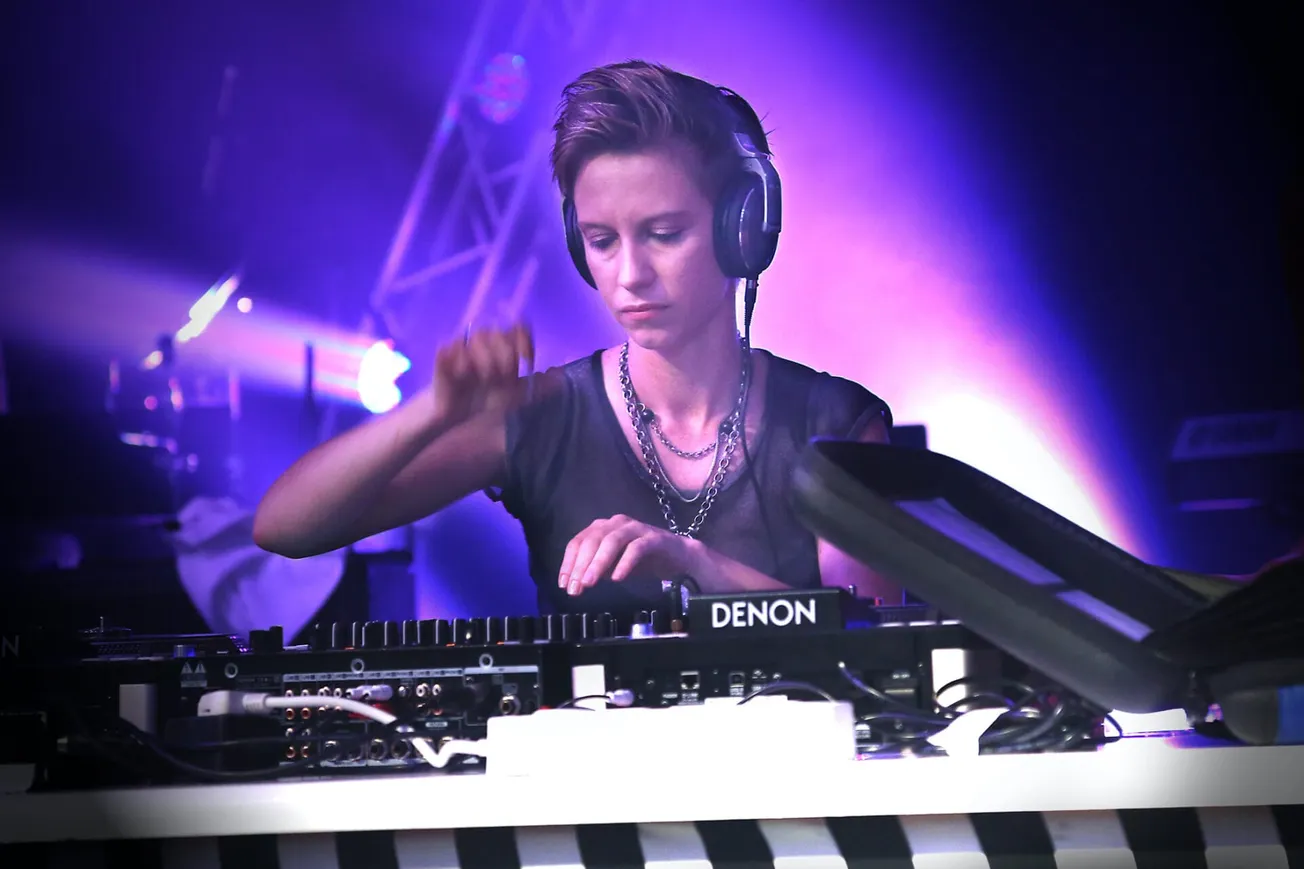
Billboards have recently appeared in cities including New York, Seattle, Chicago, San Diego, and Houston carrying localized variations on one of his most recognizable lyrics: “I feel so close to you right now.” They point to Harris' website, where fans can register for information tagged to 2027. The info isn't currently on there, suggesting this is going to be a long play.
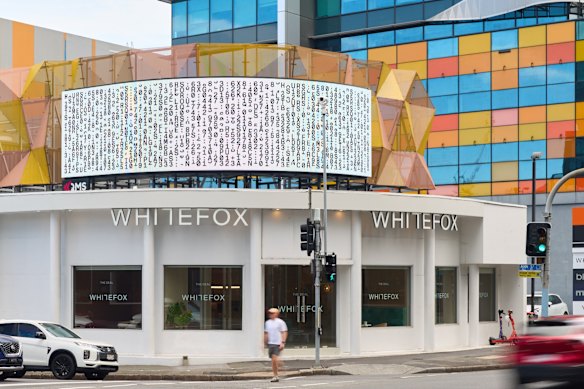
And then just last week in Australia, Powderfinger started letting fans solve a bizarre announcement themselves. Cryptic digital billboards appeared in Brisbane, Sydney and Melbourne carrying numbers and phrases tied to the band's history. Projections appeared on landmarks.
Fans traced the clues to an Instagram account named after the band's song “The Return of the Electric Horsemen.” Days later, the band confirmed what everybody had already figured out: the band's five members were reuniting for their first tour since 2010.
Hold up, are billboards back?

+Read more: "Concert Tickets Are Apparently the New Airline Miles"
Okay Fine, the Billboard Never Really Left
Technically, it never went anywhere. According to the Out of Home Advertising Association of America, US out-of-home advertising revenue reached a record $9.46 billion in 2025, then grew another 10.7% year over year in the second quarter of 2026. Digital out-of-home advertising has been growing particularly quickly. Those figures come from the industry's trade association, but the direction is clear: advertisers haven't abandoned public space for the feed.
Music hasn't abandoned it either. Drive out towards the Coachella Valley and you've practically entered an outdoor gallery of artist campaigns. Album releases still show up on Sunset Boulevard and in Times Square. Earlier this year, Fast Company noted how increasingly cryptic Coachella billboards had become, with campaigns designed less like conventional advertisements and more like visual puzzles for fans.
It's not that billboards ever really went out of style, it's that the style of billboards has changed so much, now it's more around what artists seem to want a billboard to do. We've moved past language like "NEW ALBUM FRIDAY" or "TOUR ON SALE NOW."
Newer display ads withhold basically all of that. Carly gives you a lyric to chew on. Calvin gives you a lyric, a city, and a signup link. Powderfinger gives you numbers and clues. The missing information becomes the campaign.
+Read more: "Tyla’s Fans Are Learning Her Show Before It Even Starts"
The Real World Has Become a Teaser
That's a strange reversal after a decade of increasingly frictionless digital marketing. Online, every piece of information becomes crucial not to forget. It's like the "phone, wallet, keys" of promotion: Artist, Tour, Dates, Venues, Presale, Ticket link, "Tap here," "Buy now."
A physical billboard has so many more limitations. And those limitations are actually assets when it comes to billboard marketing. The less information you take in, the more it sticks with you. And if you have to do any thinking (ie: what the hell did I just read?!), it's proven to stick with you even longer.
So, when you pass something on the street and wonder what it means, more often than not you photograph it, and sometimes you'll post it. Once a fan recognizes the reference, it's off to the races. Reddit starts investigating. Music media starts asking questions.
The billboard is offline, but the behavior it generates is extremely online.
Powderfinger's campaign is a fun example. The clues in physical spaces didn't compete with social media; they supplied social media with something to talk about. Fans effectively turned the announcement into a collaborative decoding exercise before the band formally confirmed anything.
The Feed's "Infinite Supply" Problem
Artists face an odd marketing problem in 2026. It's never been easier to communicate directly with fans, but that also means it's never been easier for everybody else to do exactly the same thing. A tour graphic on Instagram sits next to another tour graphic. Then an ad. Then somebody's vacation. Then a meme. Then another artist announcing an album. Then a dog, and like 100 more dogs.
Everything has to compete inside the same tiny, warm rectangle.
A poster on a wall has far less targeting precision than Meta's advertising infrastructure. But there is something a wall can still do better, which is: exist in only one place at one time.
That makes location part of the message itself.
“NEW YORK, I FEEL SO CLOSE TO YOU RIGHT NOW” means something slightly different when you physically encounter it in New York than when the same artwork appears in your feed. It says: this is for here, for you.
And perhaps that geographic specificity matters particularly for touring, because concerts remain stubbornly physical products. The song can be everywhere at once, but the show can (mostly) only be in one place at a time.
Do I Need a Billboard? No, You Probably Don't Need a Billboard.
Here's the useful part for independent artists. A giant digital screen in Times Square is expensive, don't worry about that. The strategy behind the idea can still be done on the cheap.
A local band could put 20 strange posters around the neighborhood where its release show will happen.
Project a lyric onto the side of a building until that gets taken down, and then when it does, make that the story. Leave postcards at record stores. Put a phone number on a flyer without explaining what happens when somebody calls. Create different pieces of an image and distribute them across several venues. Place a QR code somewhere fans have to physically find.
The scale doesn't matter nearly as much as the principle: Give people something worth noticing before asking them to click anything.
The music industry has spent years becoming increasingly sophisticated at reaching exactly the right consumer at exactly the right moment. Maybe there's still value in occasionally doing something less efficient.
No, billboards probably aren't “back,” because they never really left. But in an era when nearly every artist announcement begins inside the same handful of apps, the physical world has acquired something it never really thought it had a claim to: novelty.
And sometimes the best way to start a conversation online might be to put something interesting on a wall first.
+Read more: Get caught up on Hypebot's Touring Radar series, contextualizing new and recent tour announcements into storylines.