By Raymond Shideler, Founder/CEO of Playlist Panda
If you’ve ever paid for playlist promotion and watched your streams spike with listeners who vanished the next day, or worse, gotten a wave of bot activity that made you nervous about your Spotify account, you already know the thing nobody in this industry likes to say out loud.
The playlist promo economy has a trust problem, and it runs in both directions.
We started Playlist Panda because our founder spent years as an independent artist running into every broken corner of that economy. The overpriced campaigns. The “guaranteed” placements that turned out to be bots. The slow erosion of trust that comes from being treated like a transaction.
We didn’t set out to write a sales pitch here. We set out to give you something more useful: a way to tell the difference between a service built to help you and one built to help itself. Because once you can see the difference, you stop wasting money.
Why the playlist economy is structurally broken
Here’s the part most platforms won’t tell you. The standard model is set up to disappoint nearly everyone in it.
For artists, legitimate playlist access has been priced like a luxury good.
Campaigns that run into the hundreds of dollars. “Guaranteed” placements that quietly depend on bot-driven playlists with no real listeners behind them. When the affordable options are scams and the legitimate options are unaffordable, indie artists get squeezed out of the one thing they need most, which is to be heard by actual people.
For curators, the math is just as broken.
Most platforms pay curators a flat fee per review, a few cents to listen to a track and click yes or no. That sounds reasonable until you realize what it incentivizes: speed over care. A curator paid per review has every reason to skim, decline fast, and move to the next one. Your song becomes a number, not a piece of music someone actually considered.
When you pay people to rush, and you charge artists for the privilege of being rushed, you get exactly the ecosystem we have now. High volume, low trust, and bots filling the gaps.

+Read more: "Pitching to Playlists? Here Are 6 Important Things to Remember"
What “good” actually looks like
You don’t have to take anyone’s word for this. You need a checklist. Here’s what to look for in any playlist service before you spend a dollar.
1- Real, human curators you can verify. If a service won’t show you the actual playlists and curators you’re pitching to, treat that as a red flag. You should be able to look at a playlist, see its follower count, judge whether the audience looks organic, and decide for yourself. Transparency isn’t a premium feature. It’s the baseline.
2- No guarantees. This one feels backwards, so stay with us. Any service that guarantees placements is either misleading you or using bots, because no honest curator gives up creative control before they’ve heard your song. A real curator decides whether your track fits their audience. The absence of a guarantee is actually a sign you’re dealing with real people.
3- Pricing an independent artist can actually afford. The whole premise of indie promotion is that you’re independent, which usually means you don’t have a label’s budget behind you. If a service’s pricing assumes you do, it wasn’t built for you.
4- Algorithm safety. Fake streams don’t just waste your money. They can train Spotify’s algorithm to push your music toward the wrong listeners, or flag your account entirely. Real listeners who choose to follow a curator are the only kind of exposure that compounds over time. Everything else is a sugar high with a hangover.
The economics that make honesty work
So, how do you reward curators fairly, keep prices low enough for independent artists, and make sure nobody can game the system?
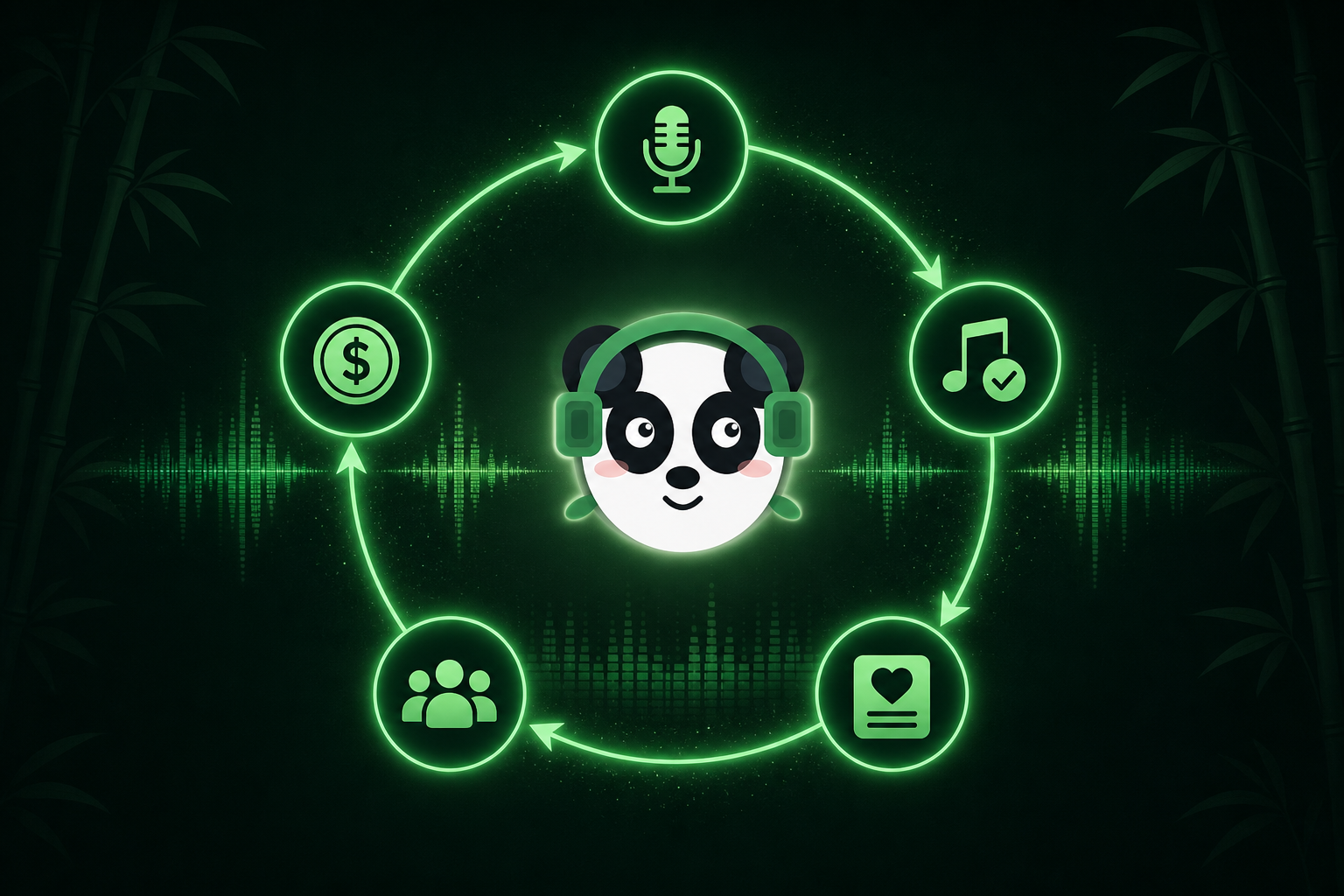
The answer we keep coming back to is alignment. Instead of paying curators per review, which rewards speed, a revenue-share pool rewards genuine, consistent engagement and grows as the platform grows. Instead of charging artists per campaign, a low per-pitch cost keeps the door open for someone working with five dollars, not five hundred. And fraud-prevention caps stop bad actors from concentrating rewards or flooding playlists with junk.
We won’t pretend we’ve perfected it. We’re early, about a month into real operation, with over 325 curators, over 1,250 playlists, and a 37% acceptance rate, well above the 15 to 25% that’s typical across the industry. The pool is small right now because we’re new. But the structure is the point. When artists do well, curators do well, and nobody has to get ripped off for the model to function.
But here's the bigger thing...
Here’s what we truly believe after watching this from both sides: Independent music promotion doesn’t have to be a scam.
The reason it so often is comes down to economics that quietly pit artists and curators against each other. Fix the economics, make them honest and aligned, and the scams lose their reason to exist. You deserve to know where your money goes. You deserve to see who’s listening. And you deserve a real shot at being heard that doesn’t require either a major-label budget or a leap of faith into a bot farm.
Whatever service you choose, ours or anyone else’s, hold it to that standard. The artists who ask these questions are the ones who stop getting played.
+Read more: "Distributed Everywhere But Nowhere Is Home"
Raymond Shideler is the founder and CEO of Playlist Panda, a transparent playlist submission platform built for independent artists and curators. He also leads marketing and sales at Soundcheck Live, a company building operating systems for live events.