

By Hisham Dahud, Artist & Educator
One of the things I’ve enjoyed most about teaching my Artist Entrepreneurship class at UCLA Extension is that we rarely begin by talking about business.
That might sound strange for a course on entrepreneurship.
Yes, we eventually discuss branding, audience development, marketing, revenue streams, and the realities of today’s music industry. Those things matter. But before we can talk about how to build a career around music, I think we have to ask a much more fundamental question: What is music actually for?
In other words, what’s its utility?
What Are We Really Selling?
If we’re going to spend an entire quarter talking about how to build a sustainable career as an artist, we should probably understand what it is we’re asking people to invest their time, money, and attention in.
That question led to one of my favorite moments from class this week. As we were discussing why people seek out music in the first place, a sentence came out that wasn’t in my notes and certainly wasn’t on any slide:
“Music is a vicarious experience.”
I’ve been thinking about it ever since.
When we hear the word vicarious, we usually think about experiencing life through someone else. We read novels about people we’ll never meet. We watch films about places we’ll never visit. We step into worlds we’ll never inhabit ourselves.
Music feels different.
Music doesn’t necessarily allow us to experience someone else’s story.
It allows us to experience someone else’s emotional world.
That’s a subtle but important distinction.
I’ve never stood on a battlefield. I’ve never lost a spouse. I’ve never watched my child leave home. And yet music has allowed me to imagine those emotional landscapes in ways that feel deeply real. Not because I know those exact experiences, but because music creates an emotional space that I can temporarily inhabit.
It expands the boundaries of my own life.
As someone who composes a great deal of instrumental music, I think about this often. Without lyrics, there’s no protagonist telling us what happened. No dialogue. No explicit narrative.
The Listener Finishes the Work
Instead, the listener completes the work. One person hears hope. Another hears grief. Another remembers a childhood summer. Someone else imagines a future that hasn’t happened yet.
The composer builds the world. The listener lives inside it.
Maybe that’s why the same piece of music can mean something entirely different at sixteen than it does at thirty-eight. The recording hasn’t changed.
We have.
Our memories become part of the composition.
Which brings me back to entrepreneurship. Artists often think they’re selling songs. Or albums. Or concert tickets.
I don’t think that’s quite right.
They’re creating experiences.
Not experiences in the event-planning sense, but emotional experiences that allow another human being to feel something they couldn’t have reached on their own.
That’s an extraordinary kind of value.
The Business Follows the Art
It’s also why I think reducing music to streams, algorithms, and content misses something essential. Those things are important — they’re part of the business — but they aren’t the reason music matters.
"The business exists because the experience exists. Not the other way around."
As educators, we sometimes rush to teach artists how to market their work.
I think we should first spend time asking why the work deserves to exist in the first place.
Because once you understand the utility of what you’re creating, the business decisions become much easier to make.
You’re no longer trying to sell songs. You’re creating opportunities for people to experience more life than they could have on their own.
To me, that’s one of the most beautiful things music can do.
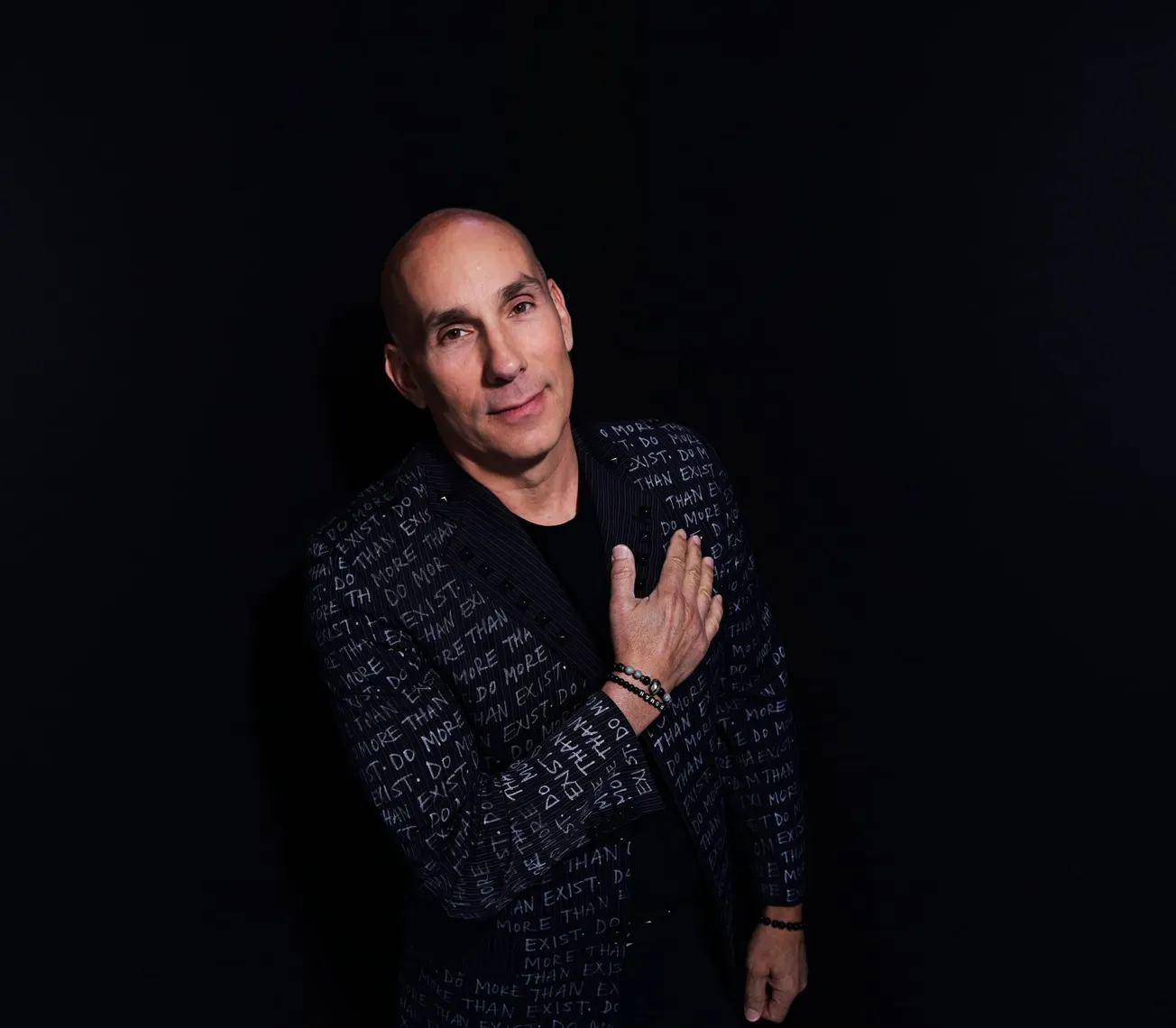
Hisham Dahud is a Los Angeles–based composer, producer, live electronic artist, and educator. Performing under the name RIŽIK, his work explores the intersection of humanity, technology, and live performance. He teaches Artist Entrepreneurship at UCLA Extension.