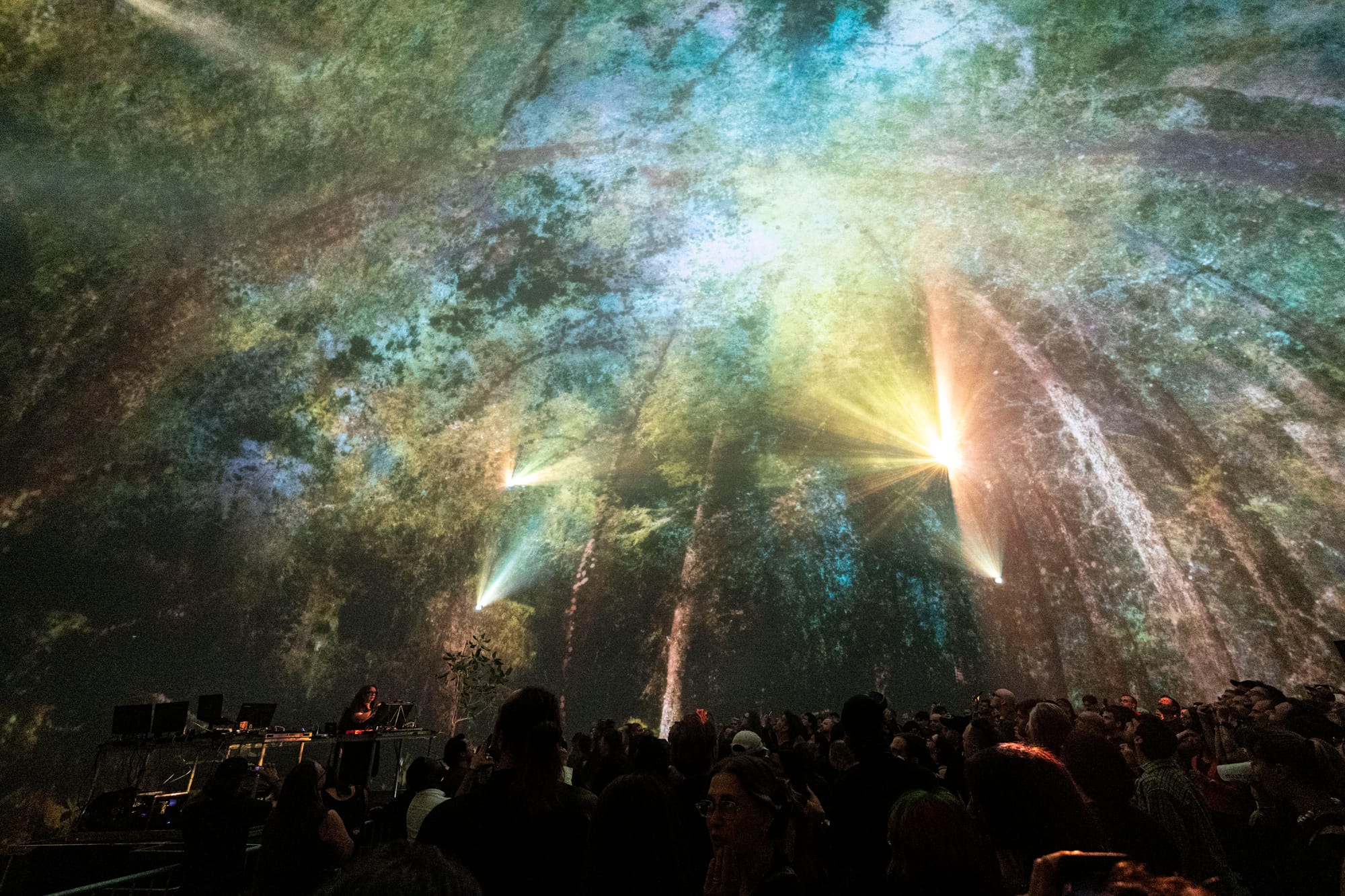


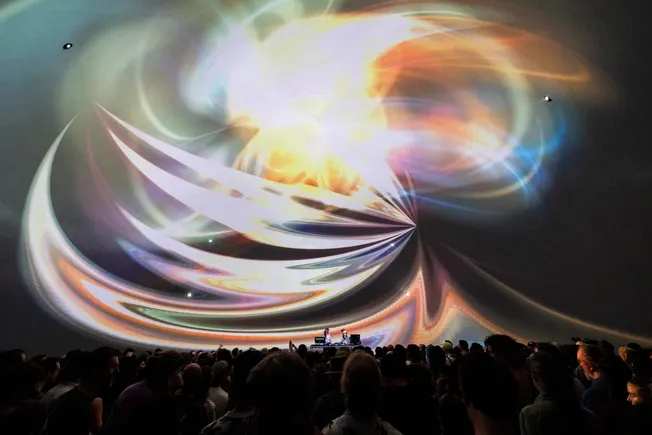
It can be difficult to determine what “live” means in electronic music.
The instruments may be invisible. A laptop can contain the equivalent of an entire band, recording studio and lighting department. Sounds prepared months earlier can appear at the push of a button. From the audience, it is not always obvious whether the artist is rebuilding the music, rearranging it or simply letting it run.
MUTEK has spent more than a quarter-century making that ambiguity interesting.
The Montreal festival was founded in 2000 with an explicit mandate to present “live electronic music and real-time audiovisual performance.” That wording matters. MUTEK does not treat electronic music as recorded material that needs to be transferred onto a stage. It treats the stage as a laboratory where sound, image, technology and bodies can interact in real time.
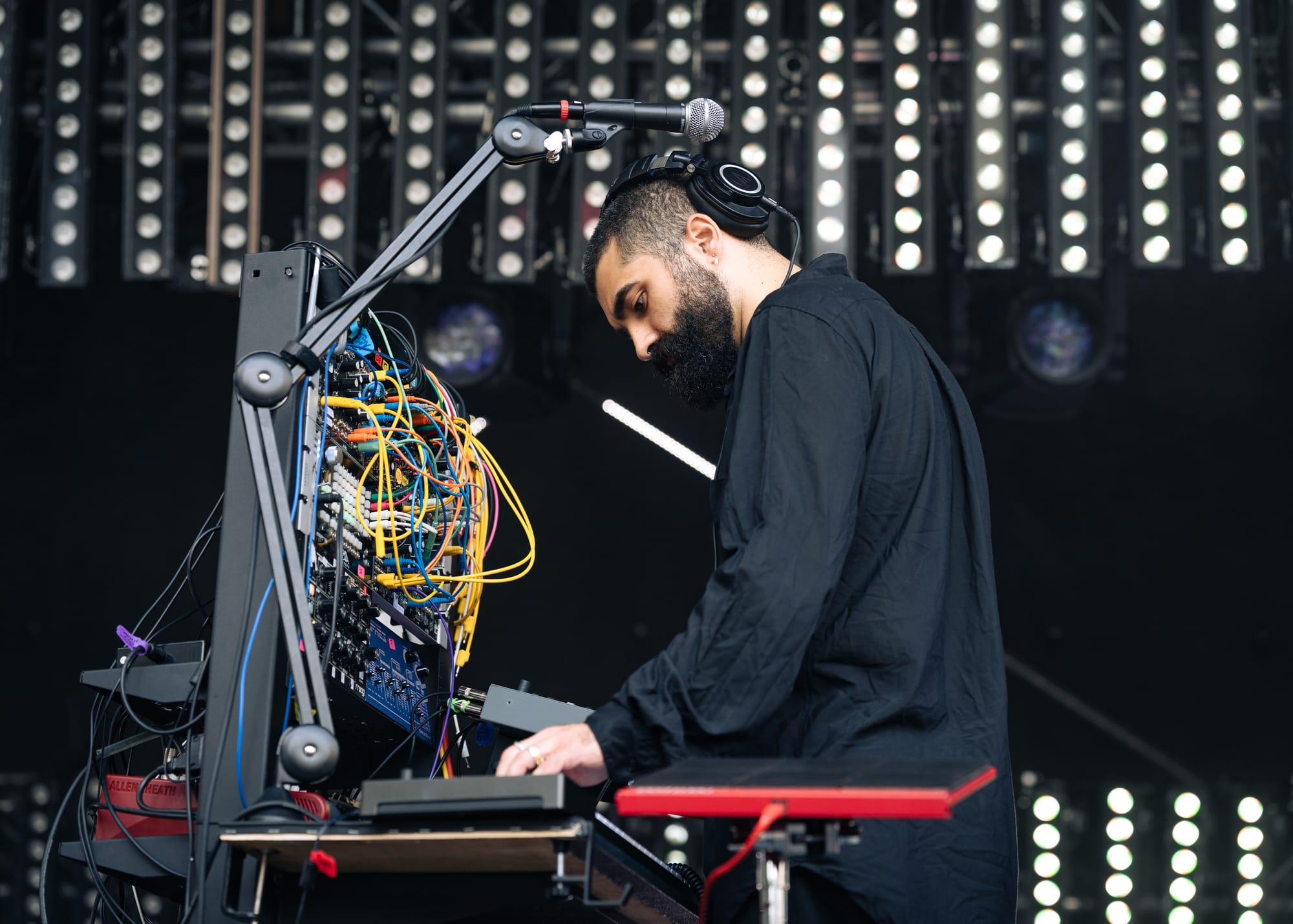
Its 27th edition, held August 25–30, showed how expansive that idea has become.
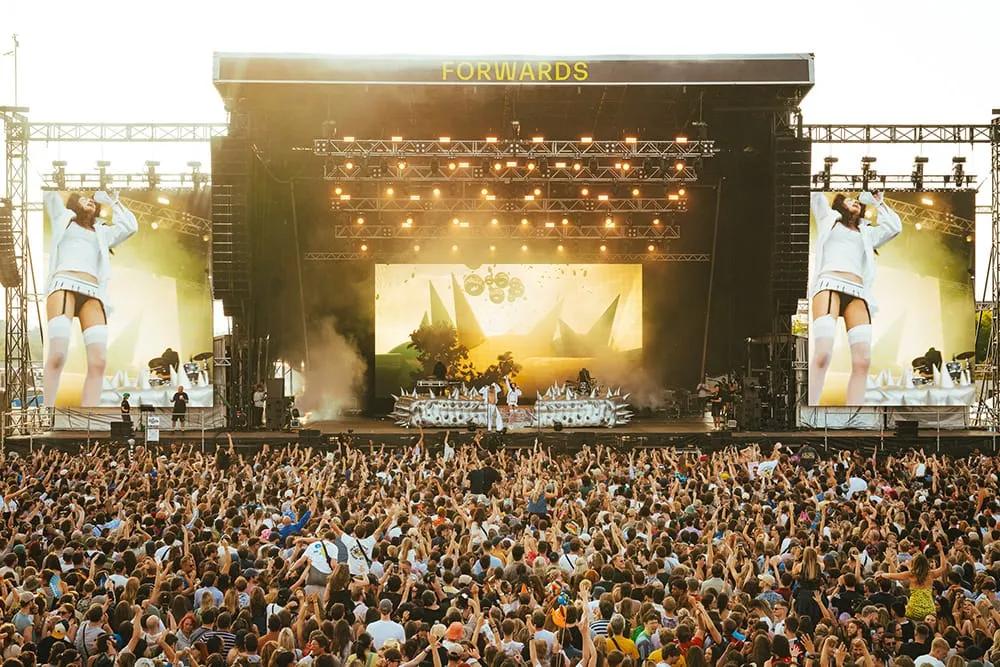
Across six days, MUTEK presented 137 artists from 27 countries, 89 performances, four immersive films and 62 premieres. More than half of its programming featured local or Canadian talent. The festival also reported a record 102,591 attendees, including more than 70,000 at its free outdoor stage—a 42% attendance increase over 2025.
MUTEK’s own post-festival report suggests its experimental mandate is not keeping audiences away. It is becoming the attraction.
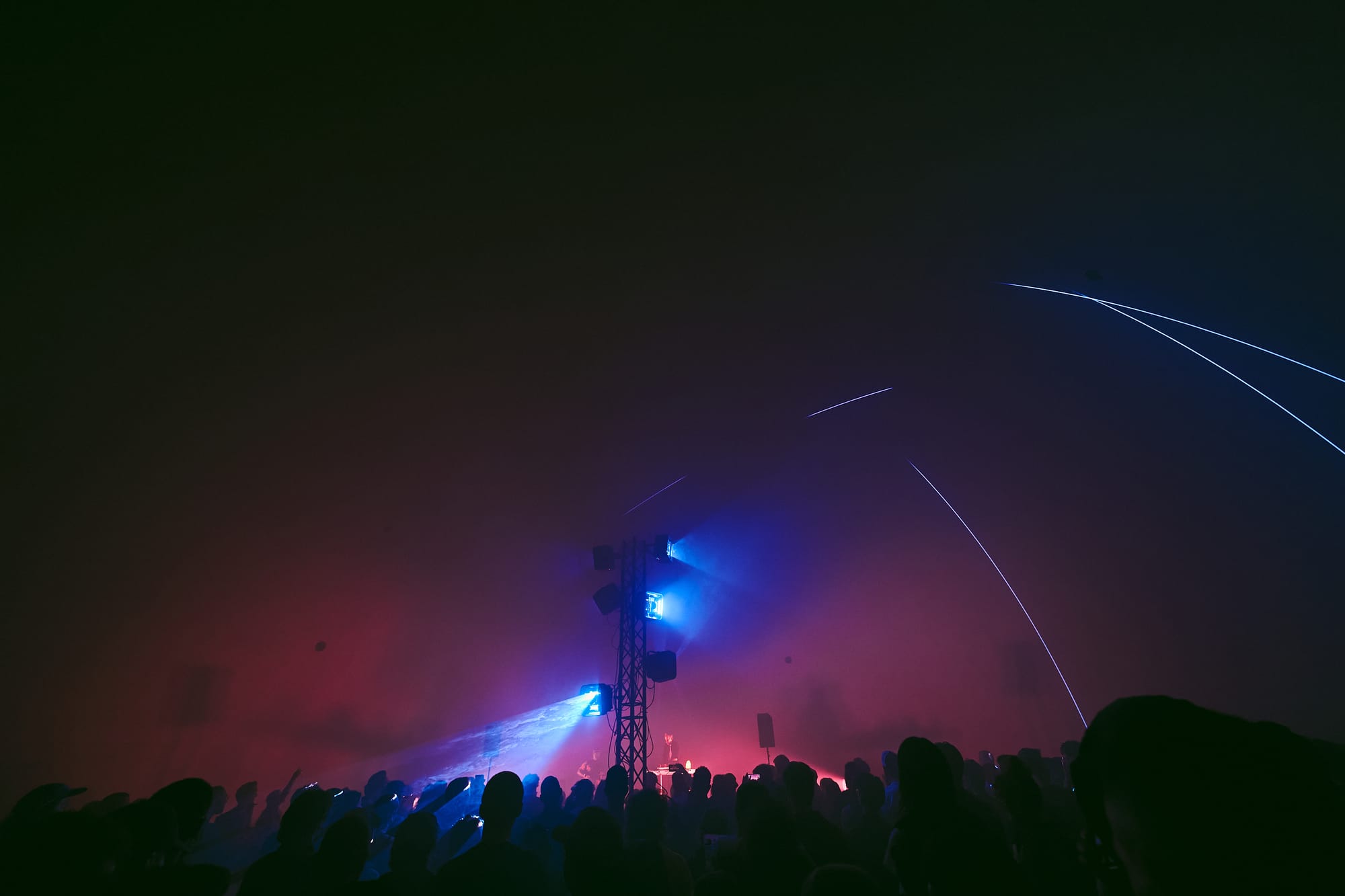
A live set should need the artist
MUTEK is not opposed to DJing. Ben UFO, one of the form’s most adventurous practitioners, appeared on this year’s lineup, and DJ sets remain part of the festival’s social and musical fabric. But MUTEK’s larger argument is that electronic performance can offer more than the selection and sequencing of finished tracks.
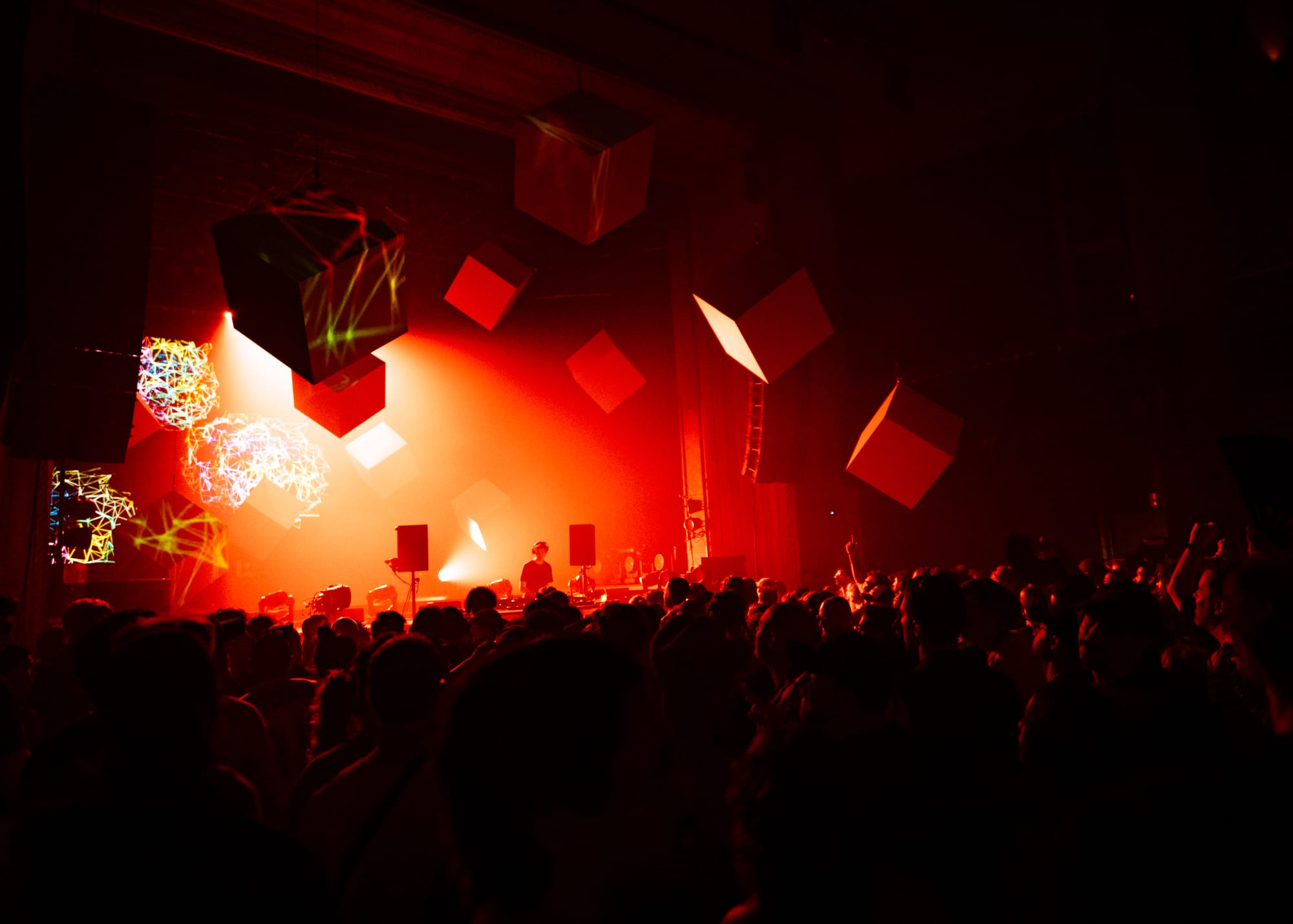
A genuinely live electronic set contains decisions that have not yet been made. Sequences can drift. Machines can misbehave. Images can respond to sound. An artist can stretch, dismantle or abandon a piece according to what is happening in the room. The risk may be less visible than a guitarist breaking a string, but it is still there.
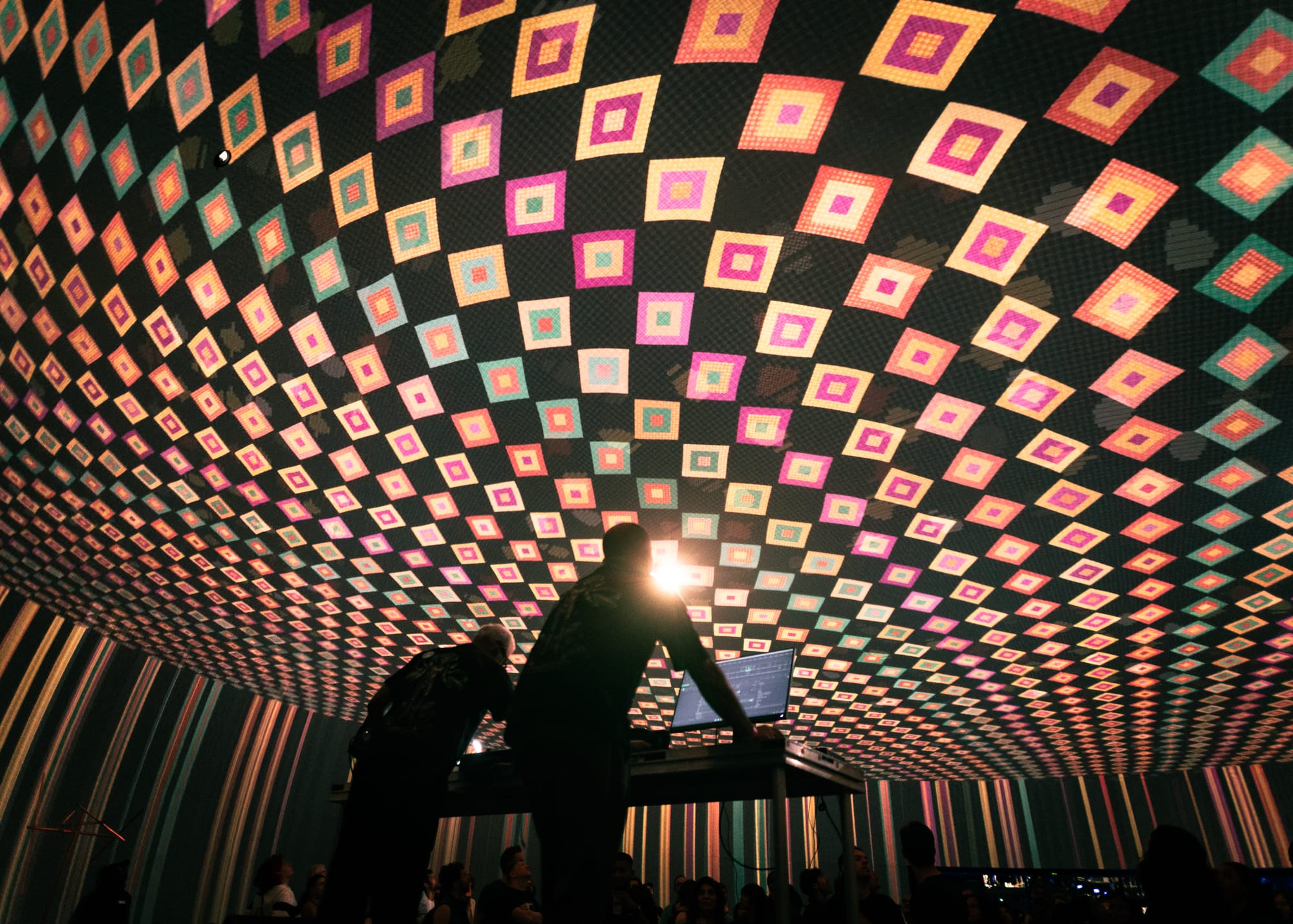
The best test is simple: Does the performance require this artist, in this place, at this moment?
At MUTEK, the answer is repeatedly yes.
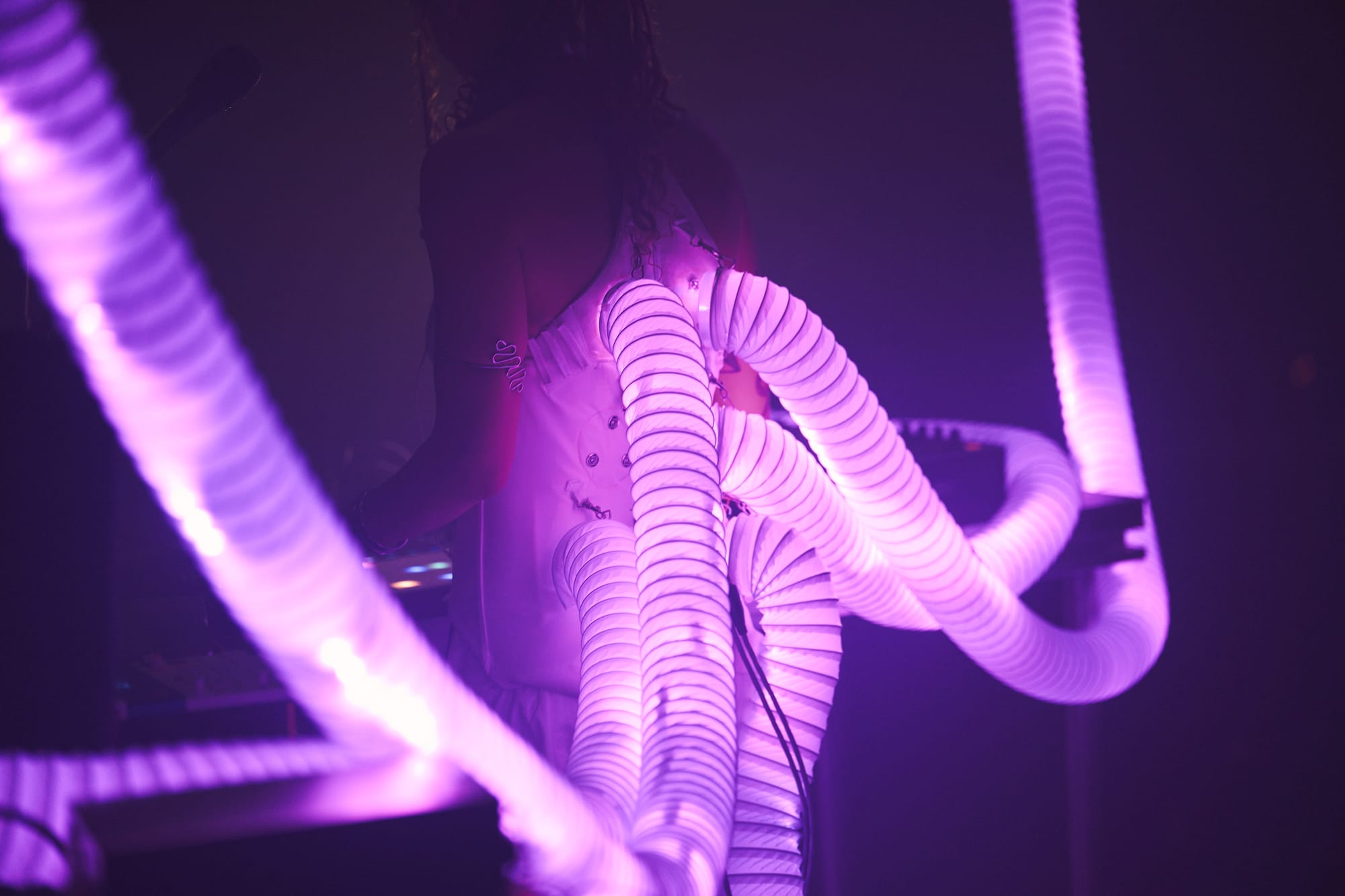
Montreal artist Honeydrip used contact microphones placed against her throat, capturing the physical vibrations of her breath and feeding them through a system of tubes, loops and electronics. The method may sound closer to a university research project than a club set. In practice, it produced bass-heavy music that was deeply physical.
Elsewhere, Japan’s ELECTRONICOS FANTASTICOS! constructed playable instruments from discarded CRT televisions, electric fans and barcode scanners. The appliances were not stage decoration. They became an “electromagnetic punk” orchestra, turning technological obsolescence into something noisy, funny and unexpectedly alive.
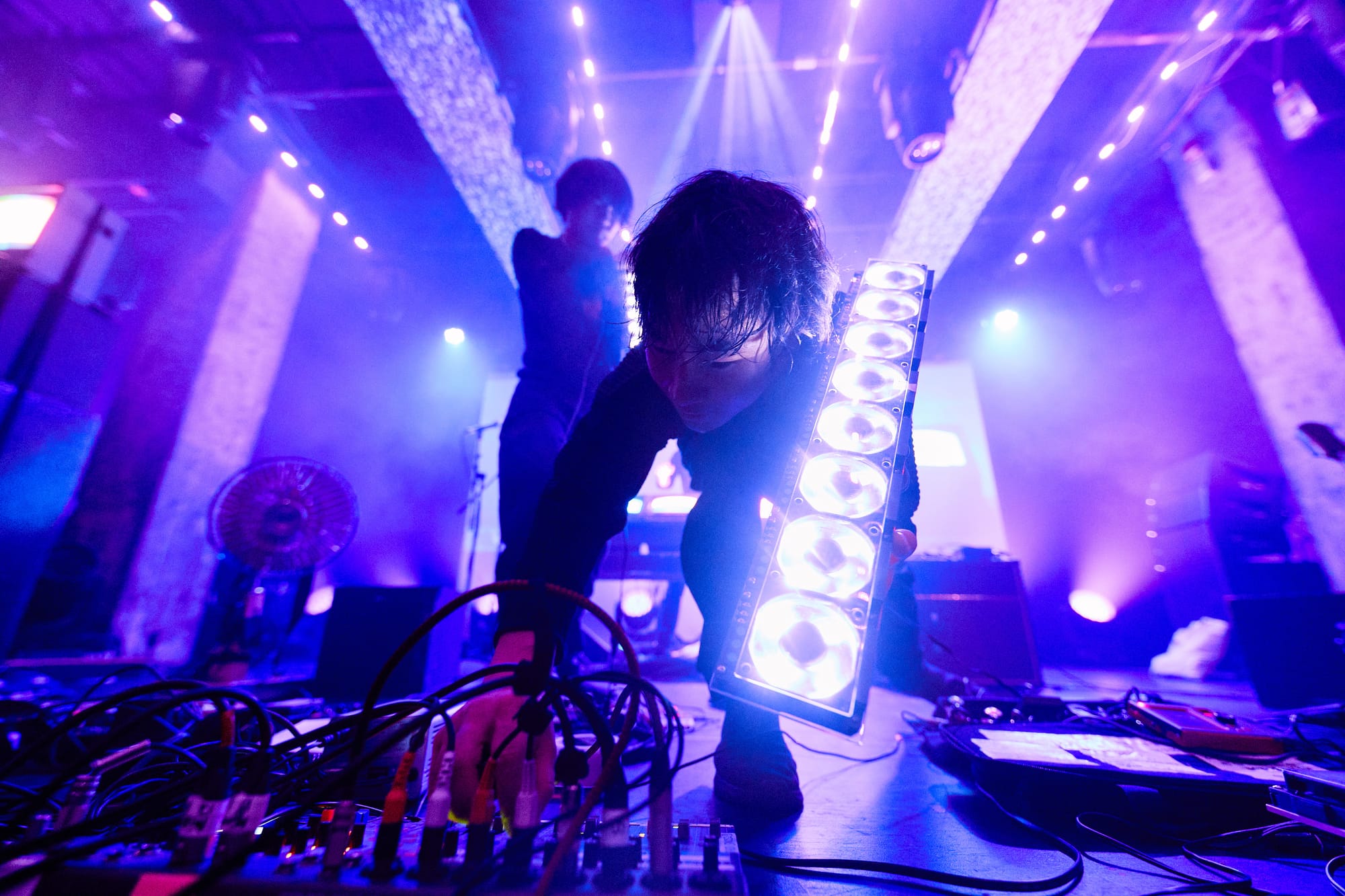
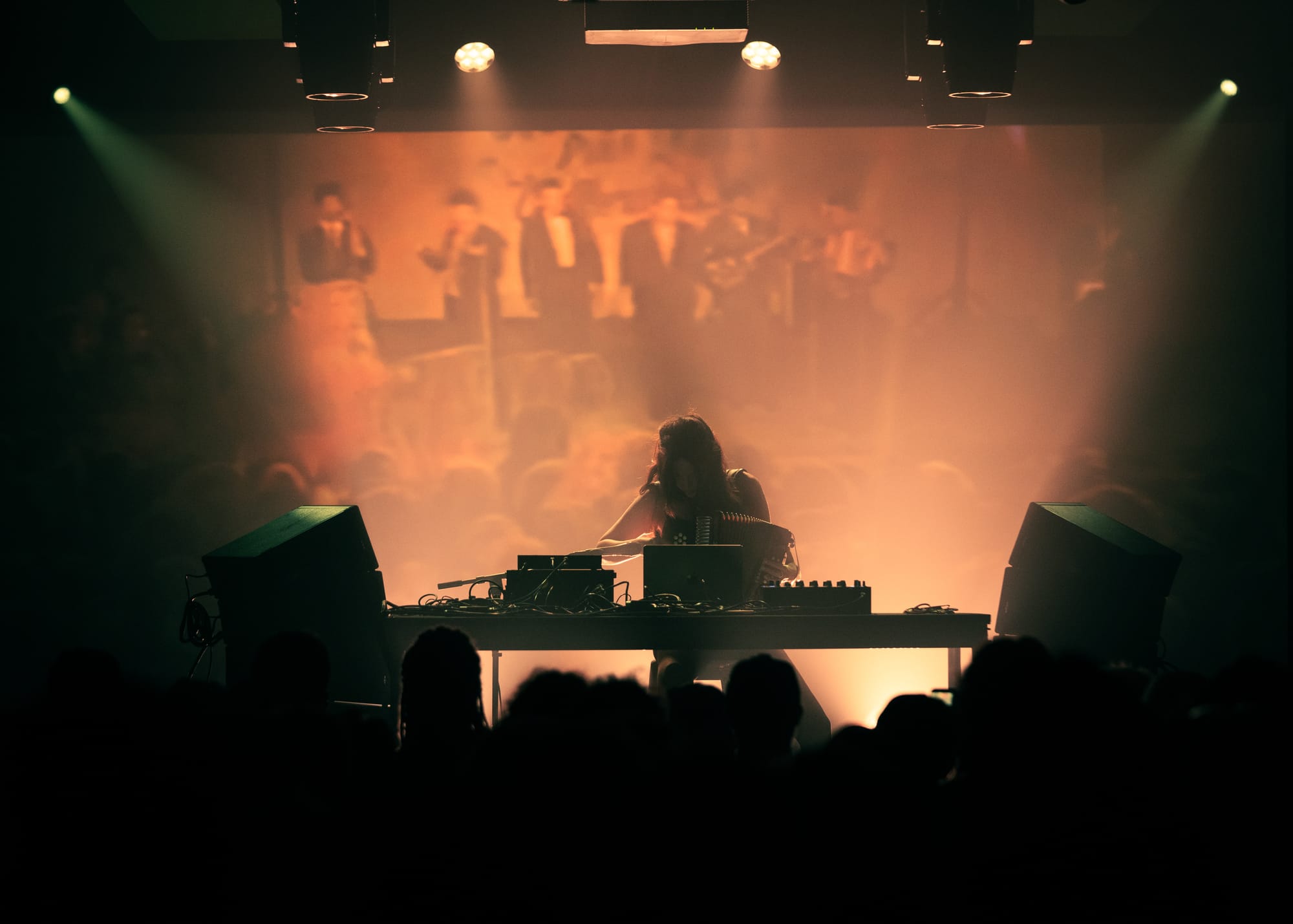
Mexican producer Debit rebuilt material from Desaceleradas using accordion, modular synthesis and tape decks. Her live A/V performance connected cumbia rebajada, decaying magnetic tape and archival footage of Monterrey’s Kolombia dance culture. The record provided the source material, but the performance became another object entirely.
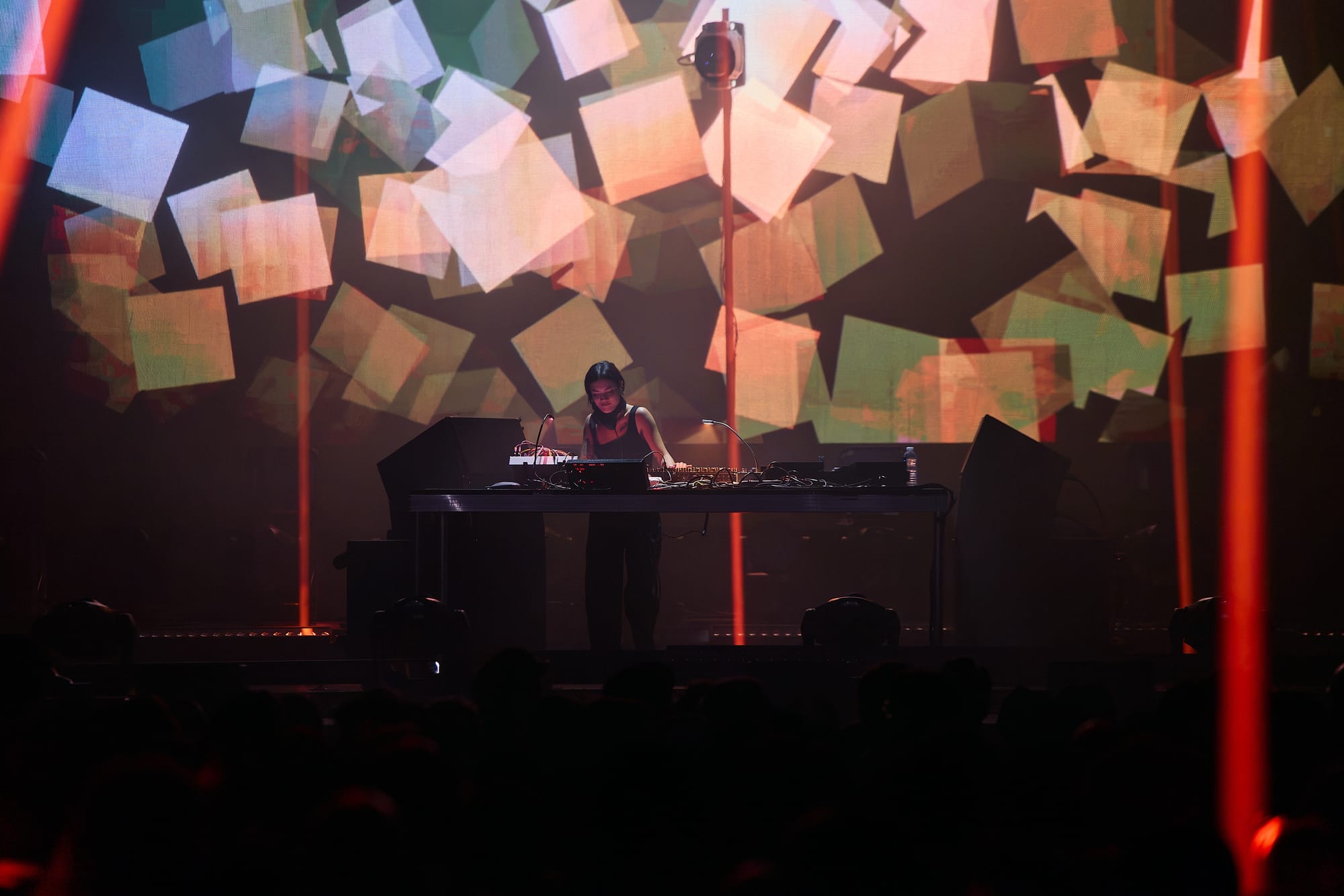
Jump Source (the Montreal duo of Priori and Patrick Holland) reworked their album Fold live rather than reproducing it. JakoJako sculpted modular sequences whose irregular timing and unstable patterns left space for surprise.
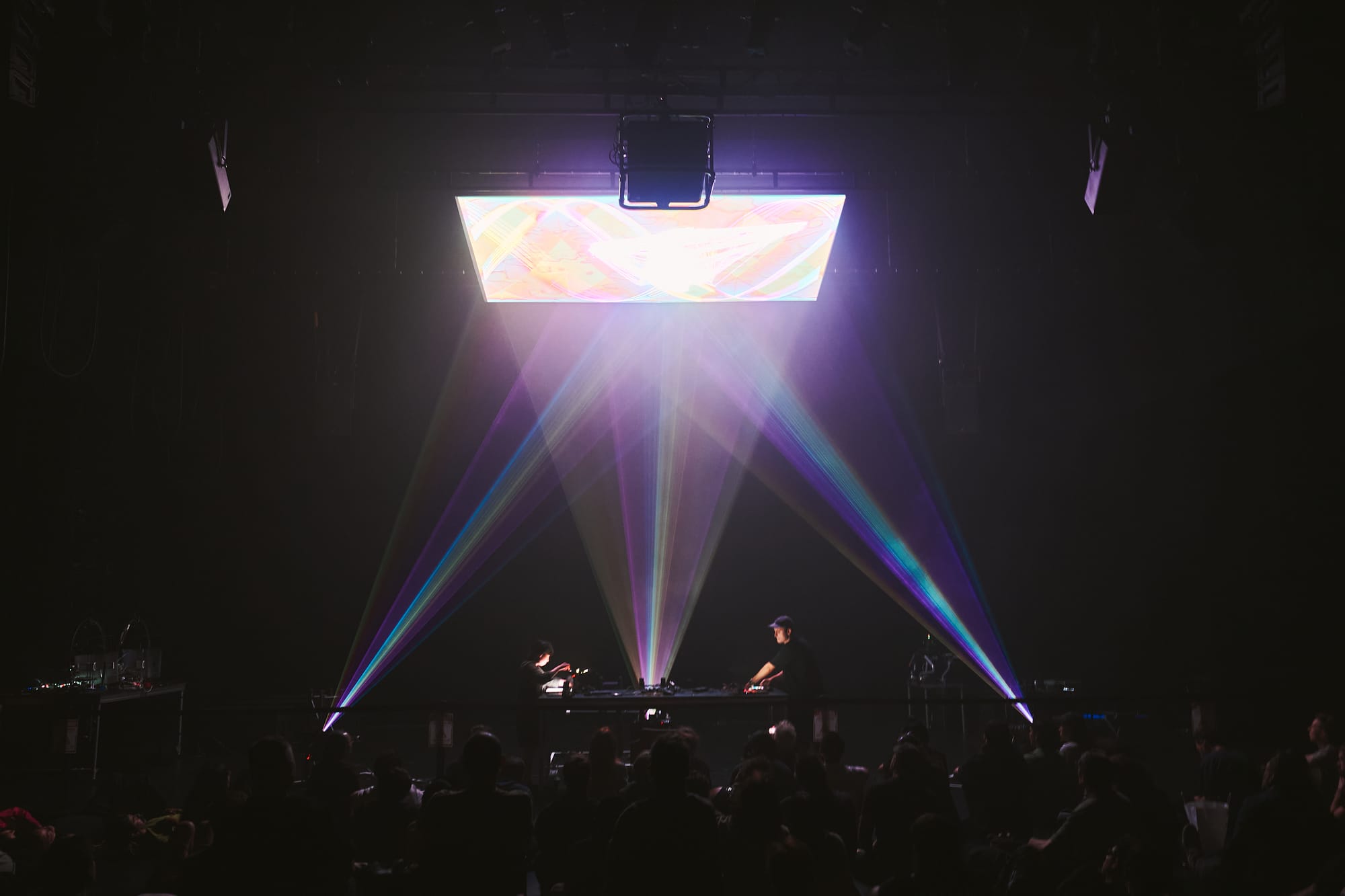
Super Galaxy Meow Meow used laser beams to trigger sound.
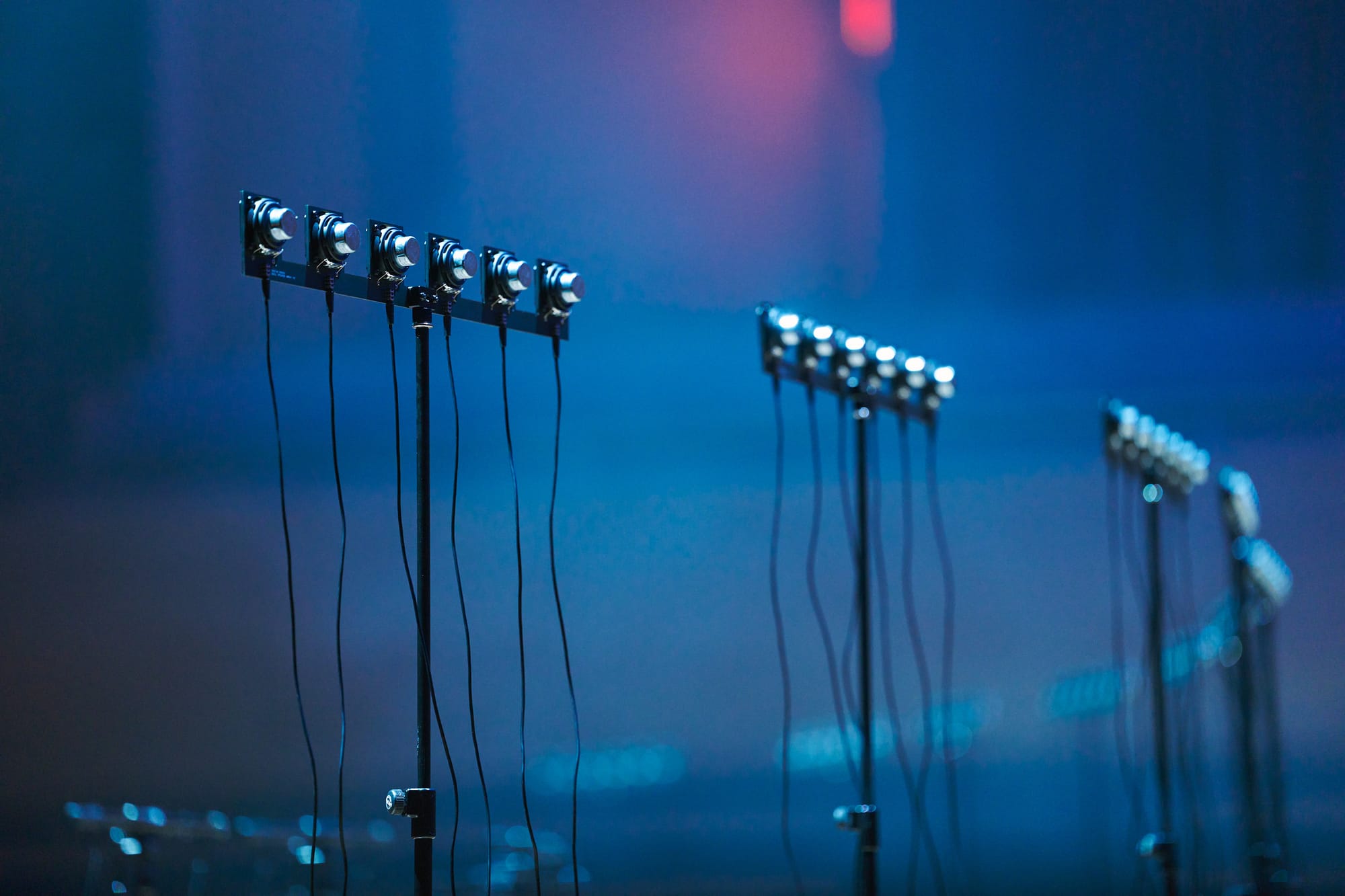
Tristan Perich and organist James McVinnie placed the Maison symphonique’s pipe organ in conversation with a 100-speaker system.
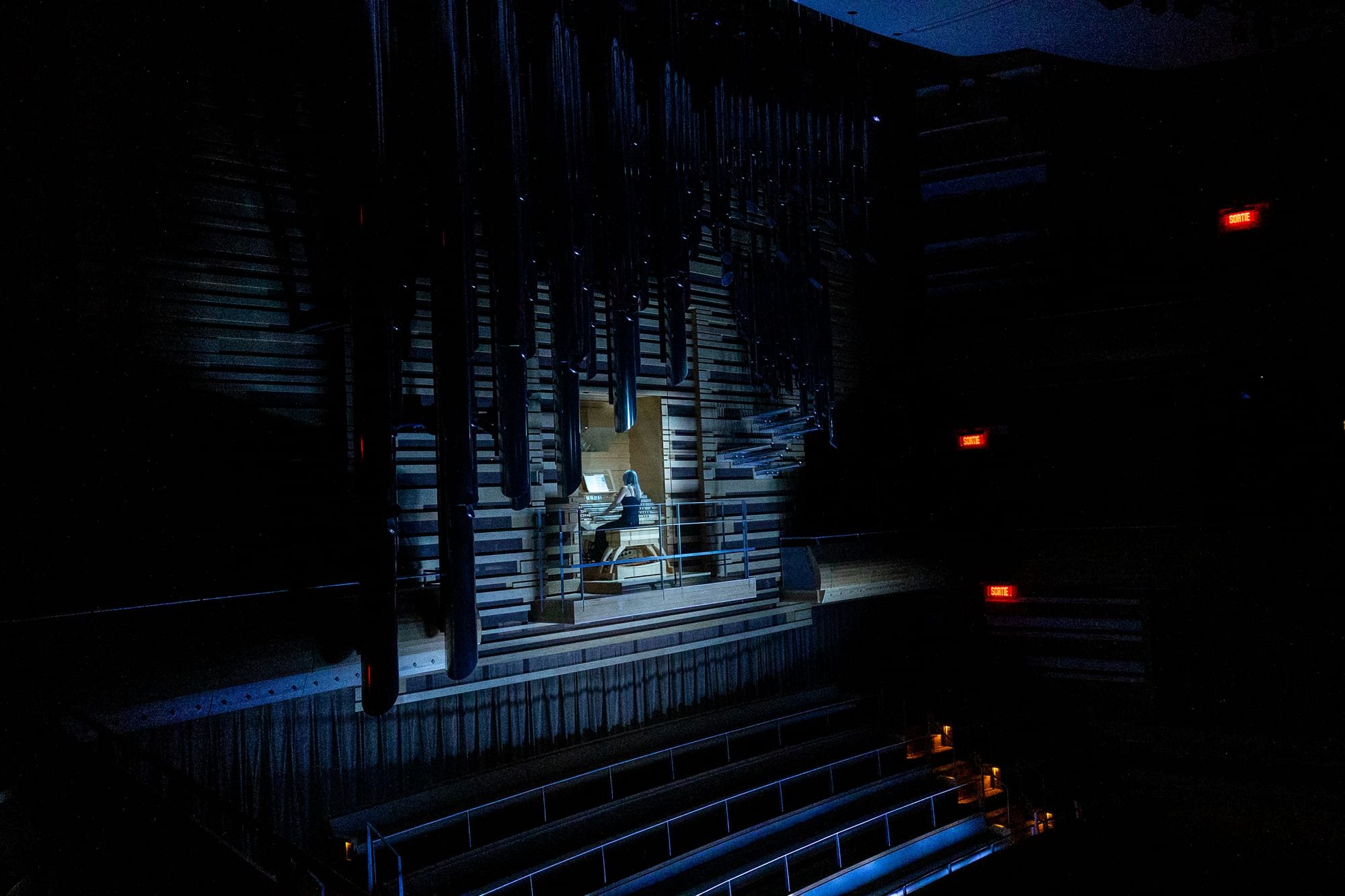
Kali Malone played the Maison symphonique’s pipe organ, working with sustained tones, resonance and the accumulated history of an ancient instrument.
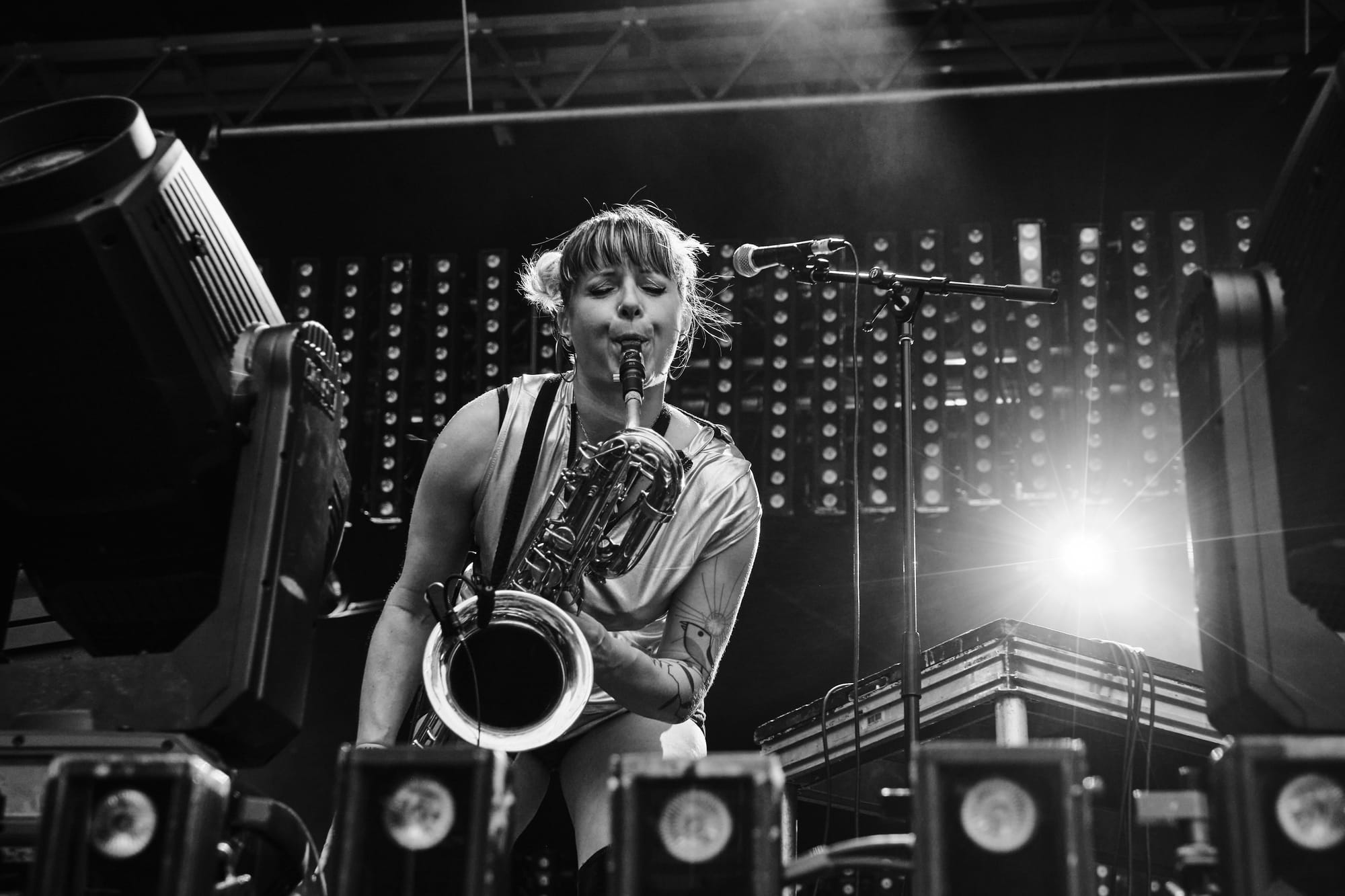
Ida Toninato explored sensuality and saxophonic rhythm cycles in a shapeshifting performance combining electronic beats, voice, and guttural brass soundscapes.
The venue is never just a container for corralling audiences, it can be an instrument too.