

In 2026, comeback tours have started to feel a bit more regular than they once were.
Not too too long ago, the concept of a long-silent band going back out on the road was big news, a big deal, and a big ticket entertainment event. But nowadays, it's more common than ever, not so unexpected when announcements do come, and a fantastically reliable business model.
Here's why.
Artist catalogs are being bought and sold and monetized for every commercial application under the sun. Going back out on the road supports the multiplatform redistribution of old material better than anything else.
VIP packages are cropping up in every city, every market, and with an enormously complex tech infrastructure to streamline and actionize the superfan economy around them.
Merchandise is now customizable and created on-demand so regularly that it's becoming nearly mandatory for big ticket tours to manufacture limited edition and one-off pieces in order to sell hyper-personalized souvenirs.
And, lastly, in case you haven't heard by now: nostalgia is IN with younger generations.
It all boils down to one thing: memory. Specifically, how to capitalize on memory. Which is why this is evidence to support what I have started to call the "Nostalgia Economy."
Look no further than this summer.
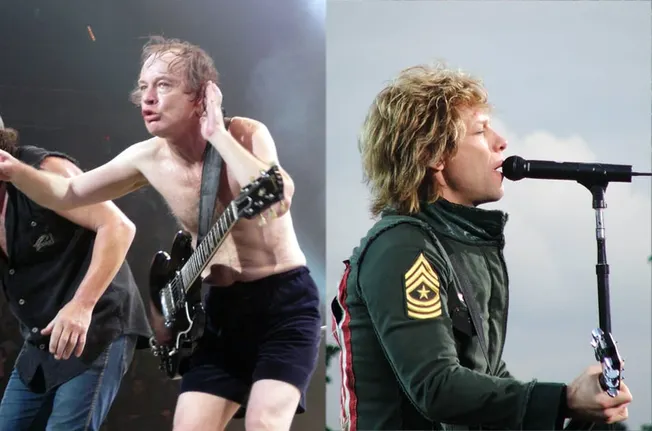
AC/DC continues its blockbuster Power Up stadium tour, proving the band's live appeal remains as powerful as ever decades into its career. And Bon Jovi has returned to the stage after Jon Bon Jovi's recovery from vocal cord surgery with the carefully constructed Forever Tour, framed not around nostalgia alone, but resilience and renewal.
These events are both examples of a format that has become remarkably consistent in the last decade of live music. Let's talk about it.
The Tour Is Only One Piece of the Return
When artists announce a comeback tour today, fans rarely receive just concert dates. Instead, the announcement often arrives alongside an entire ecosystem of content-oriented products:
- Deluxe anniversary editions
- Box sets and vinyl reissues
- Previously unreleased demos
- Documentaries or streaming specials
- Social media archival campaigns
- Podcast appearances
- Exclusive merchandise
- VIP experiences
- Fan club activations
- Brand partnerships
The tour is always the centerpiece — there's nothing like a live performance engagement to connect an artist with their fans in the arena of memory-making — but it's clearly also surrounded by months of coordinated storytelling.
That's because artists aren't simply selling tickets anymore. They're reactivating an audience for commercial conversion.
For legacy acts especially, years away from touring often leave behind an enormous archive of music, photography, video, interviews, and memorabilia waiting to be rediscovered. Modern comeback campaigns package that history into something that feels both nostalgic and new.
In many ways, artists have learned from Hollywood. Movie studios rarely reboot a franchise with only a theatrical release. They build an event around it, and now the music industry has caught up.
+Read more: "Comebacks and Reunions: Nostalgia Takes the Stage in 2026"
Nostalgia Became Infrastructure
Streaming platforms have made back catalogs more valuable than ever. Vinyl continues attracting collectors. Documentaries introduce younger audiences to artists they may have missed. Social media turns decades-old concert footage into viral clips overnight.
In that environment, a comeback is an opportunity to reconnect multiple generations of listeners simultaneously, under one roof or in the acoustic shadow of one amphitheater. Longtime fans get the emotional reward of seeing an artist again, but newer fans finally get the opportunity to experience a legendary live show that previously existed only through YouTube videos and family stories.
The same tour now serves two entirely different audiences.
Touring Economics Are Not What They Used to Be
Touring has become more expensive across the board. Production costs continue to climb. Insurance is more expensive. Transportation, labor, staging and logistics all require larger investments than they did even a few years ago; on the part of the production company, the label and their team, the artists, and the fans themselves.
Launching a comeback tour with nothing but a ticket announcement leaves value on the table. But launching it alongside deluxe albums, exclusive merchandise, documentary releases, premium experiences and carefully paced media appearances spreads marketing costs across multiple revenue streams.
The economics become much easier to justify. Instead of asking fans for one purchase, artists create dozens of ways to participate. Some fans buy a ticket, but many others will buy the deluxe record reissue, pay to stream the documentary, subscribe to get exclusive content, or grab a unique tour-only t-shirt to celebrate the occasion.
+Read more: "The Mythos of a Band That Became More Famous By Disappearing"
Even Absence Has Become Part of the Story
Interestingly, many comeback tours begin years before the first concert. The absence itself becomes part of the narrative.
Whether that originates from recovery of illness or injury, family priorities, creative burnout, mental health instability, band reconciliation, or a change of heart around one's work, absence is never without drama or trauma.
That becomes part of the arc of storytelling that almost always accompanies the comeback tour. These aren't obstacles to the marketing anymore, in fact they're central nowadays. Fans in 2026 recognize that care and support goes both ways.
Why Does This Matter for Independent Artists?
Most indie musicians won't disappear for ten years before returning to sold-out arenas. I guess you never know, but the underlying lesson still applies: A release doesn't have to be a single moment.
In fact, nothing in your catalog should be treated with a time-sensitive approach. Everything can be extended and extrapolated these days with a bit of creativity, boldness, and paying attention to what's really driving your fan engagement.
Artists who revisit older albums, celebrate anniversaries, remaster recordings, release live archives, publish behind-the-scenes footage, or revisit songs with fresh perspective are creating the same kind of layered experience — just on a different scale.
The comeback tour has proven something crucial in this moment: Fans don't simply want new music anymore. They want to live a memory.