

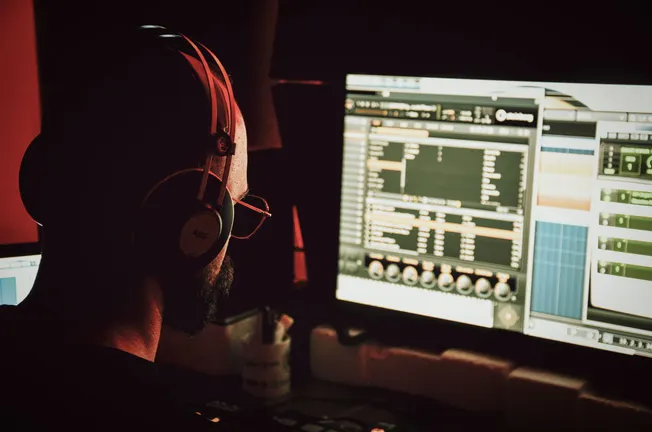
"However, due to the nature of machine learning, Suno makes no representation or warranty to you that any copyright will vest in any Output." - suno.com/terms
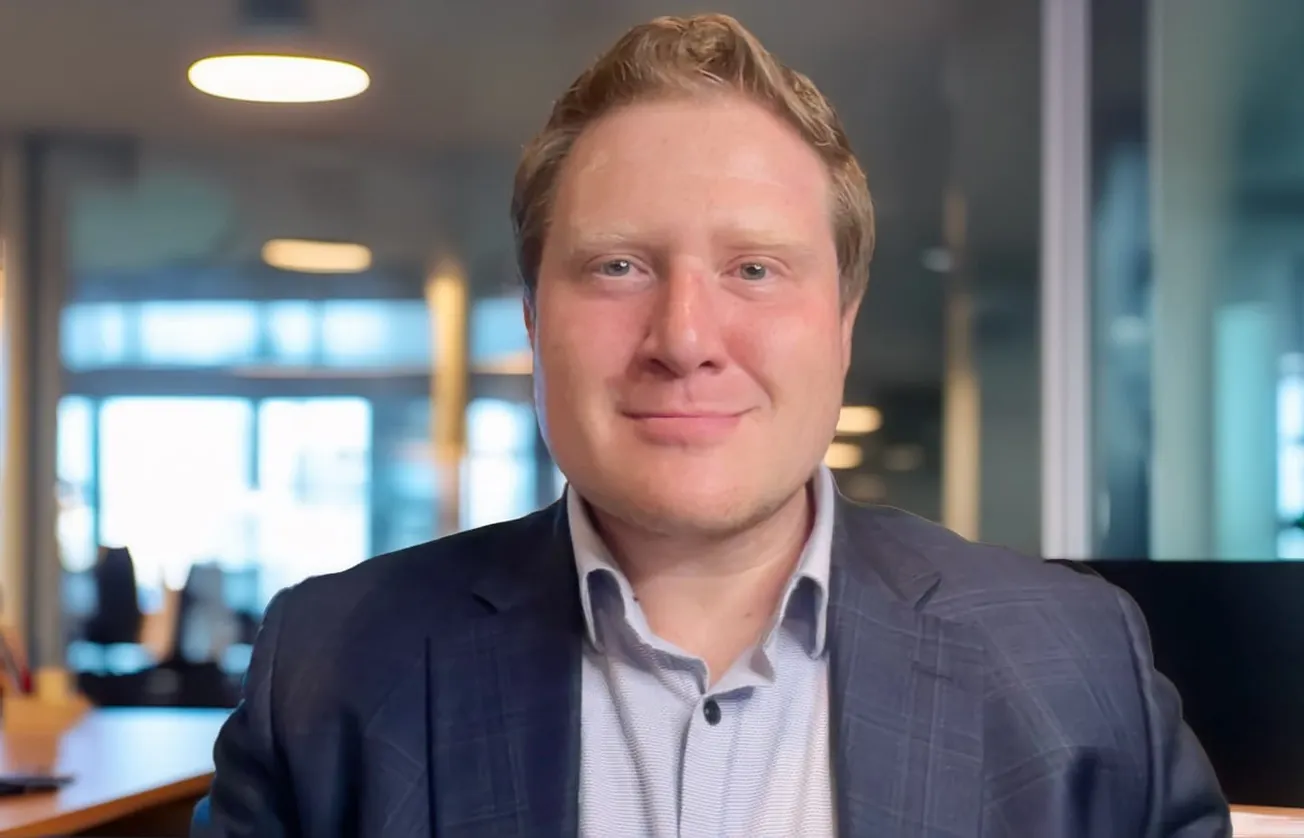
By Hunter Hillman, Head of Product at Daydream
The story of music copyright is one of perpetual struggle between labels and artists.
Over the past century, legal infrastructure for artist rights has improved unevenly, in reaction to specific disputes. Right now we're watching a new front open up, as song generator companies develop tight relationships with labels around technologies that aren’t well-covered by existing authorship laws.
The original Copyright Act of 1790 allowed registration of maps, charts, and books. Musical compositions, consisting of notes and lyrics, didn't receive protection until an 1831 amendment. And until 1972, the "rights" to a sound recording weren't really copyright at all. They were a patchwork of contract law and state-level doctrines, which made the relationship between labels, artists, and studios much more about paperwork and leverage than about any statutory entitlement.
Practically speaking, labels held most of the power: they owned physical masters, artist contracts, and distribution. This left artists, especially Black artists, in a weak negotiating position. Many early rock, R&B, and blues artists got almost nothing despite their records selling out.
When digital arrived, it was yet another opportunity for labels to capture value at the expense of artists. It took federal intervention, in the form of the 1995 Digital Performance Right, to establish streaming royalties. Terrestrial (AM/FM) radio still pays composition royalties only, not recording royalties, so US radio still doesn't pay artists or labels for the sound recording itself, unlike almost every other developed country.
Fast-forward to the present moment: we're in a phase of extreme backlash against the use of AI in music. Artists, especially independent artists, are justifiably angry about widespread theft of copyrighted material. IP lawyers are starting to work out compensation frameworks, and negotiation between labels and song generators is proceeding apace.
Most professionals fall into one of two camps: either they believe that generative AI in music should be banned or heavily restricted, or they accept that it will exist but believe that artists, including independent artists, need to be fairly compensated for stolen work and have the right to prevent models from being trained on their work.
I believe that the genie is out of the bottle, and (like it or not) we should expect AI-generated audio to comprise a significant portion of recorded music. Even if most musicians and producers eschew fully AI-generated tracks, there are legitimate use cases in loop and stem generation as part of a larger composition. Hybrid tracks will be extraordinarily common, and perhaps standard practice.
So while everyone is still arguing about training data and compensation for existing copyrighted material, there's a long-horizon game playing out between labels and song generation tools like Suno.
Even if every label fully licensed its catalog to Suno tomorrow, prompt-to-file generation would still hand users a finished song with no clear human author. American case law and copyright office guidance state that AI-generated material without meaningful human creative control does not qualify for registration. No one has bothered to define what constitutes meaningful creative control, and Suno's product design does not promote human authorship.
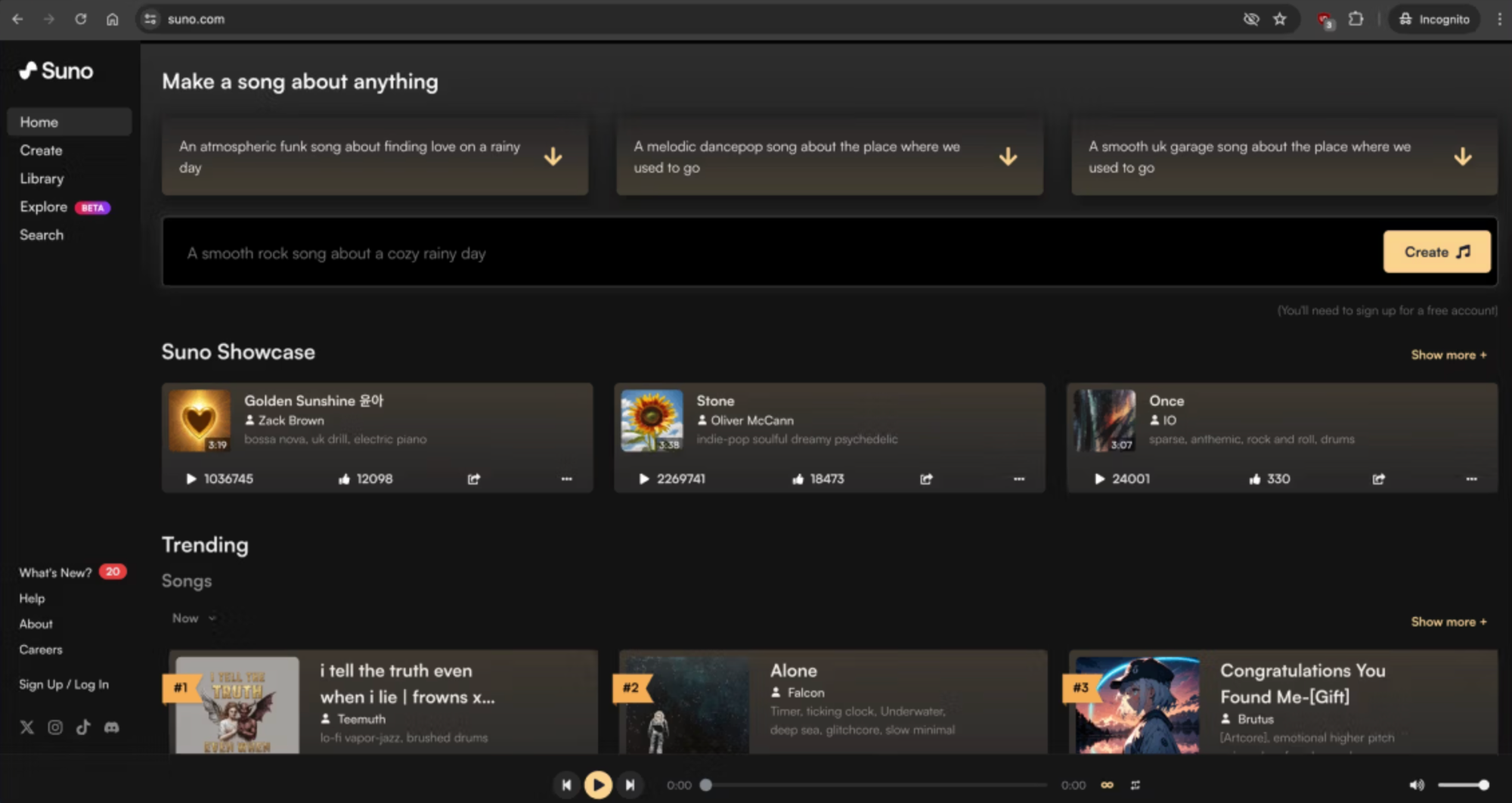
A single prompt in and a rendered file out leaves no trail of iterative human choices. There's no record of a decision made mid-process, no parameter changed, no take rejected and redone. So Suno assigns to Pro and Premier subscribers all of its right, title and interest in output generated during the subscription, but explicitly disclaims any warranty that copyright will vest in that output.
It's hard to warrant a copyright when the product itself never generates the evidence a copyright claim would need.
In the wake of the Warner settlement, Suno also revised language that previously said subscribers "owned" their songs to remove the word "ownership" for users, with Suno technically remaining the "author" while granting a perpetual commercial license instead.
+Read more: "Music After the Generative AI Creative Big Bang"
To summarize, Suno remains the author of any composition it generates.
If someone rips off a song or cops a sample, artists have weak legal standing to challenge that. And as AI attribution frameworks mature, Suno could potentially file a claim on the royalties resulting from a song that uses any Suno-generated content. This is the predictable result of a carefully designed product interface that never once asks the user to make a legible creative decision that could result in authorship.
This creates a totally novel situation with a rights vacuum situated below the contract layer, and it's inherent to Suno's technological approach, its business model, and its product design decisions.
Given how the model works (text prompt in and a finished stereo file out), there's no clean place to locate a human author. Single-shot generation collapses the whole creative process into one request and one response. There's no intermediate state a person can point to and no parameter history tied back to a user's decisions. The disclaimer in their terms is honest, if unflattering: the architecture itself is what stands between the user and a copyright.
But this is a design choice, not a law of nature. Picture the opposite: a system that generates audio continuously while someone plays it like an instrument, adjusts parameters in real time, and records their own performance. In this scenario, the human authorship question mostly answers itself, because the human is visibly making decisions the whole way through.
Prompt-to-file was the faster product to build, the faster product to demo, and the faster product to monetize. It's the same logic that Universal and Sony allege drove Suno's approach to training data: build first, settle the rights question later, if a court makes you.
Suno is optimizing both its product and its business strategy for the business reality in front of it, and right now that reality is one completed deal with Warner, not a settled relationship with the industry as a whole. Universal and Sony are still suing Suno, not negotiating with it. Reports in April had Universal and Suno at an impasse in settlement talks, and by May, Universal and Sony had moved to expand their case against Suno by more than 61,000 additional recordings.
None of that is a negotiation with the artists actually making music on the platform – it's the labels deciding whether litigation or licensing is the better financial outcome. And authorship rights sit at the center of this decision.
The labels spent a century building leverage into every layer of the music business, from master ownership to radio royalties to the fine print in a 360 deal, and they're not about to hand a generative AI company a pass just because the underlying technology is new.
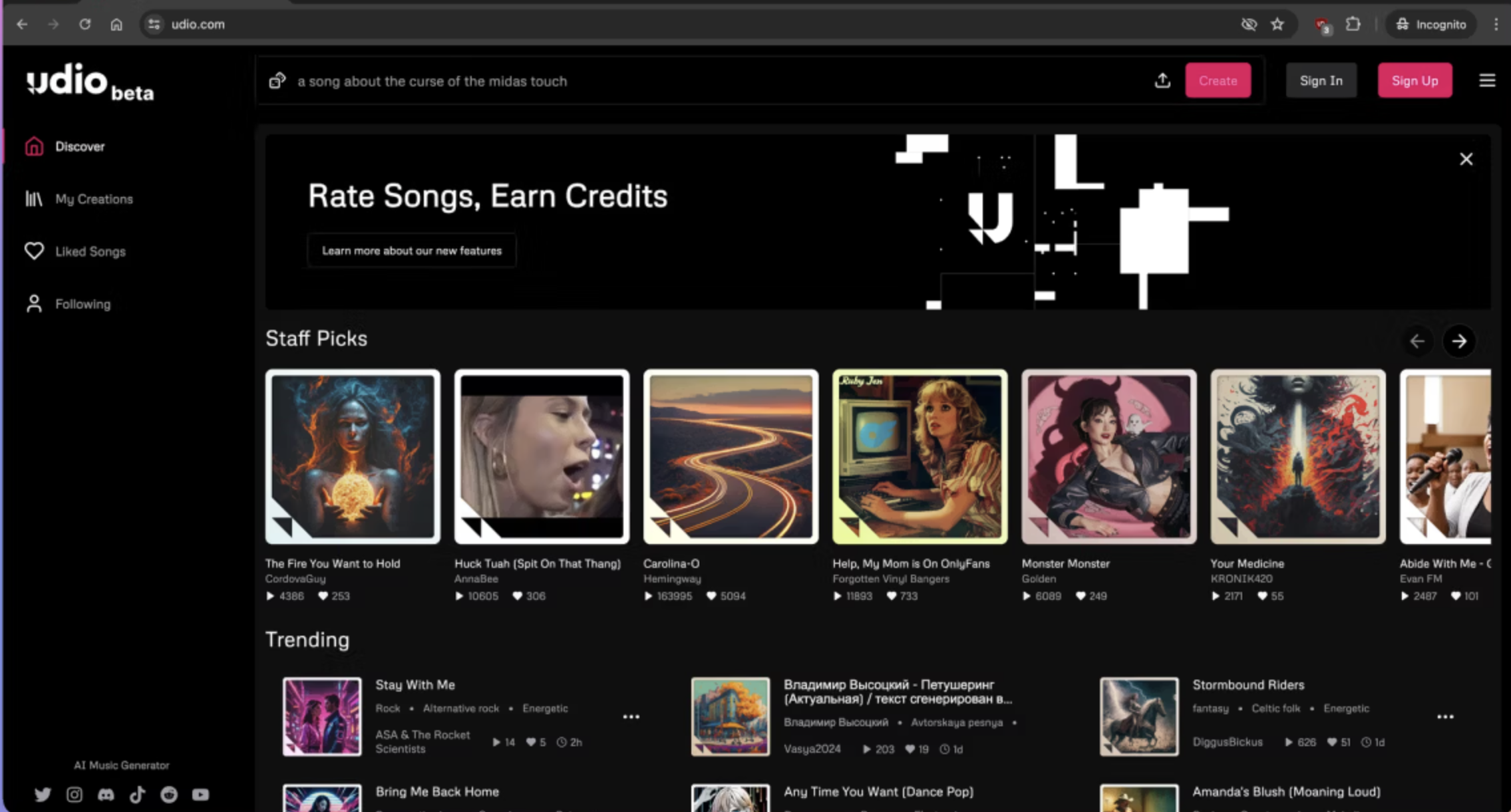
Universal already has a template for what settling looks like: it struck a licensing deal with Udio, Suno's closest competitor, while still pressing its case against Suno itself. The same label can sue one AI company and license the other, and either way artists are locked out of the conversation.
The artists and independent producers who'll spend the next decade making things with these tools are, once again, negotiating for a seat at a table they didn't build.
If AI-generated music is going to have a defensible claim to ownership, the fix isn't in the terms of service. It's in the design of the tool, built so a person is unmistakably the author of what they made.
+Read more: "Music Rights Infrastructure Is Broken: Metadata Is the Missing Layer"
Hunter Hillman is a product executive and entrepreneur specializing in real-world implementation of frontier technology. He’s been at the forefront of interactive media, creative tools, and emerging technologies for over a decade, during which time he’s supported market-leading creator platforms, consulted on high-profile litigation, and pioneered the productization of real-time AI technology in video and music. He's currently Head of Product at Daydream.