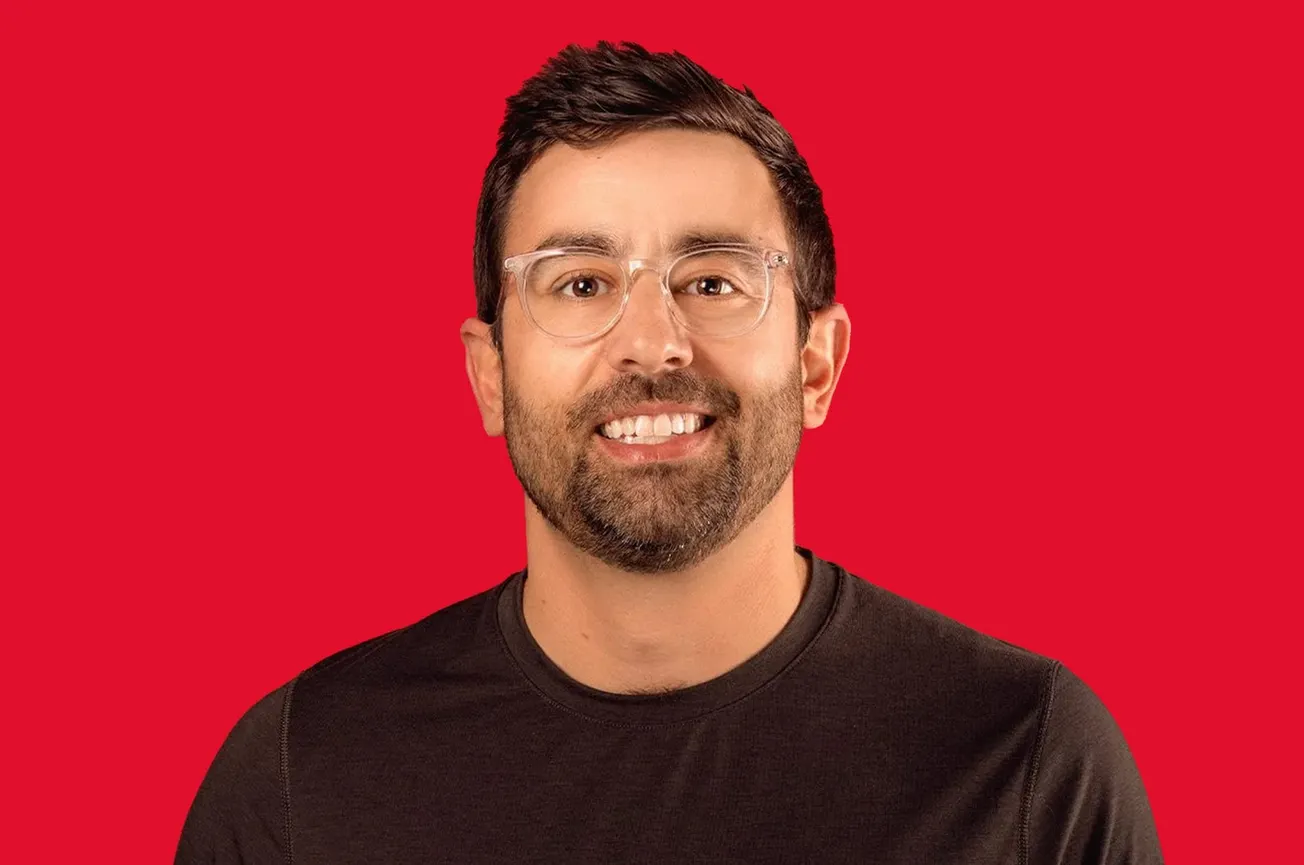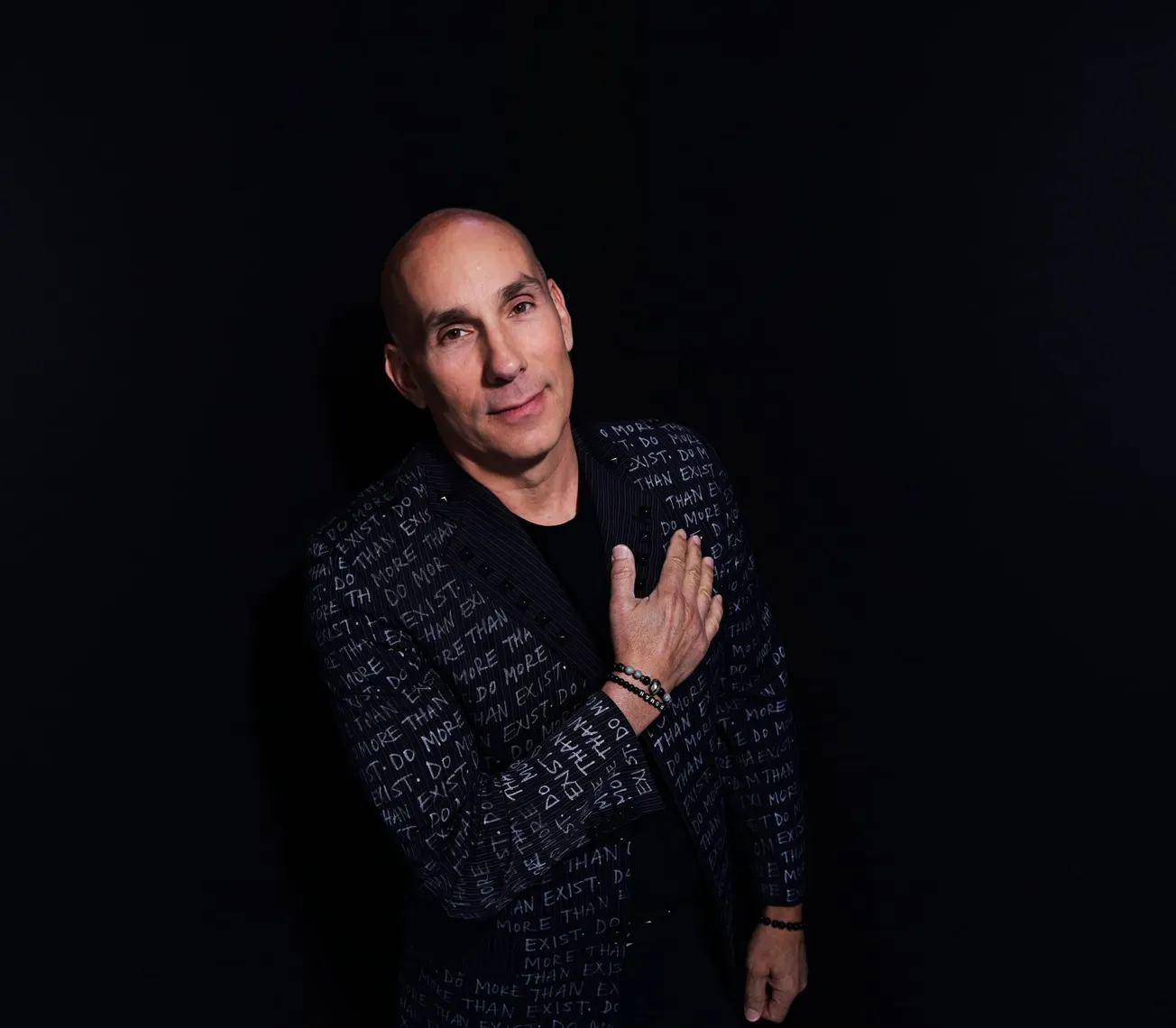


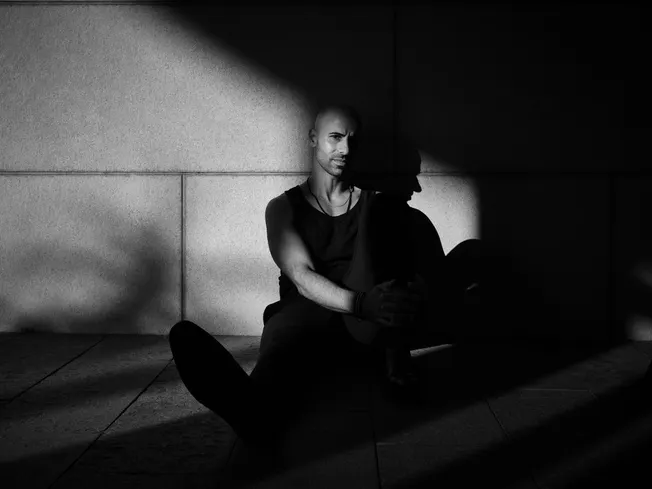
Written and pondered over by Los Angeles-based independent live electronic artist RIŽIK (Hisham Dahud)
I know this title probably sounds insane right now.
Every conversation around music seems increasingly pessimistic. AI is supposedly replacing artists. Streaming has reduced the value of recorded music. Algorithms shape culture. Social media flattened creativity into endless content feeds. Attention spans feel shorter than ever.
And yeah… a lot of those concerns are valid.
But strangely enough, I actually feel optimistic about where this is all heading.
Because I think we’re approaching a major correction.
Not away from tech… but back toward humanity.
LOOK BACK TO LOOK AHEAD
I’ve spent my entire life around music, not just as a musician, but inside the music industry itself. My first real job was managing MySpace pages for artists like DJ Shadow and Pretty Lights, which eventually turned into a decade-long career in music marketing.
I watched music evolve from something deeply tied to identity, culture, and discovery into something increasingly treated as… a utility.
Streaming changed everything. In many ways, it was incredible. The barriers to entry collapsed. Anyone could release music. Anyone could discover music. Entire worlds became instantly accessible.
But something else changed too.
Music slowly became detached from people.
It became infinite: playlists, algorithms, passive listening, endless scrolling. Convenient, personalized, always available… but increasingly isolated.
At the same time, artists found themselves trapped inside systems designed around speed, visibility, and constant output. Then social media accelerated everything further. For the first time, artists could reach audiences directly without gatekeepers… but they also became responsible for feeding algorithms and managing perception nonstop.
And you know what?
I think we’re reaching the limits of that era.
THE HUMANITY ERA
AI entering the conversation only reinforced that feeling for me.
While much of the industry panicked, I strangely didn’t. As a live performance artist, I actually felt more certain about my direction.
Because I don’t think AI will make humanity less valuable.
I think it will make humanity MORE valuable.
Once something becomes infinite, look at what becomes scarce.
When content can be generated endlessly, human perspective becomes scarce. Real performance becomes scarce. Craft, philosophy, taste, and presence become scarce.
Imperfection suddenly matters again.
And I think people are exhausted by artificiality. I think they’re craving real experiences more than ever: real people, real stories, real connection.
That realization became the foundation for my own project, RIŽIK.
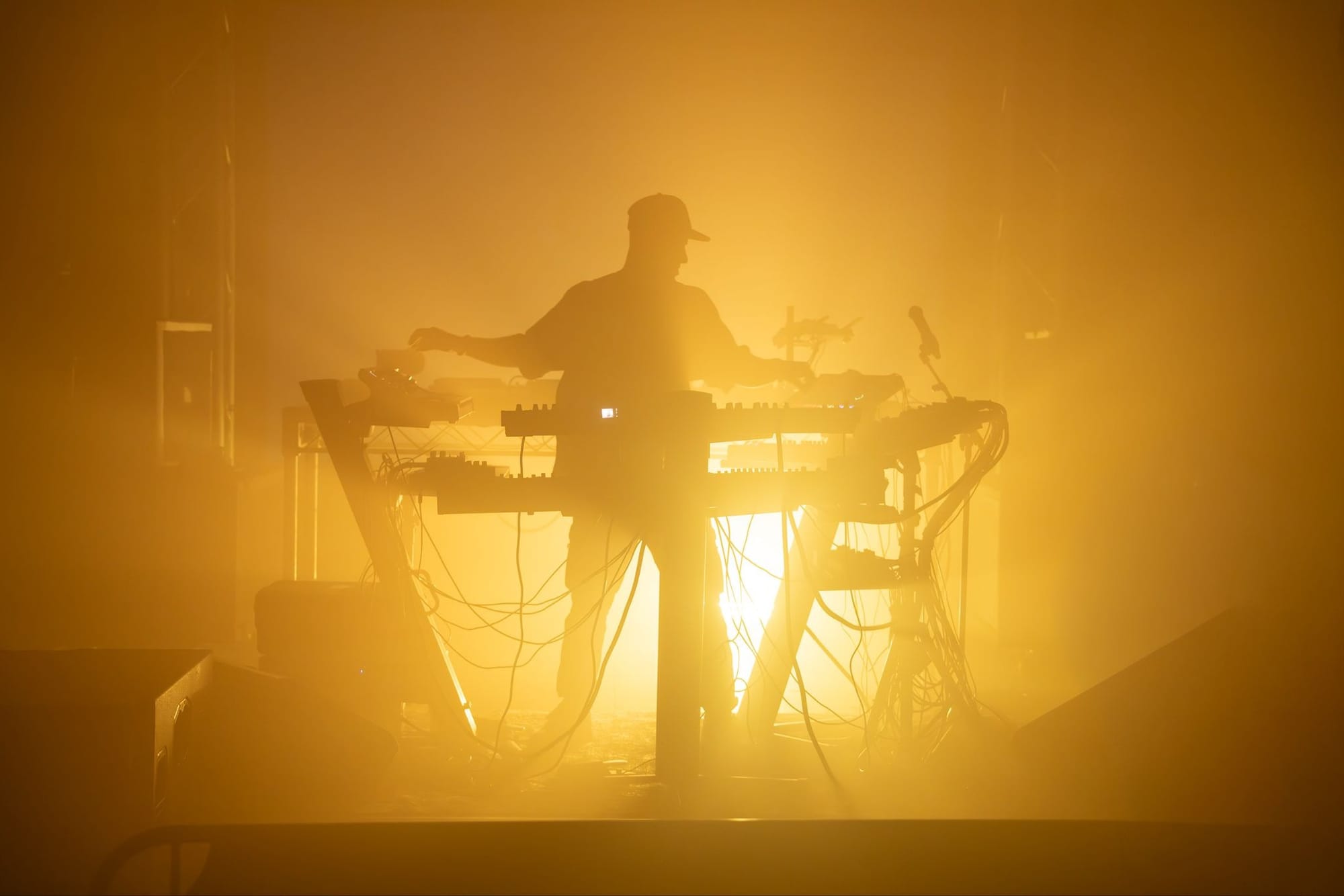
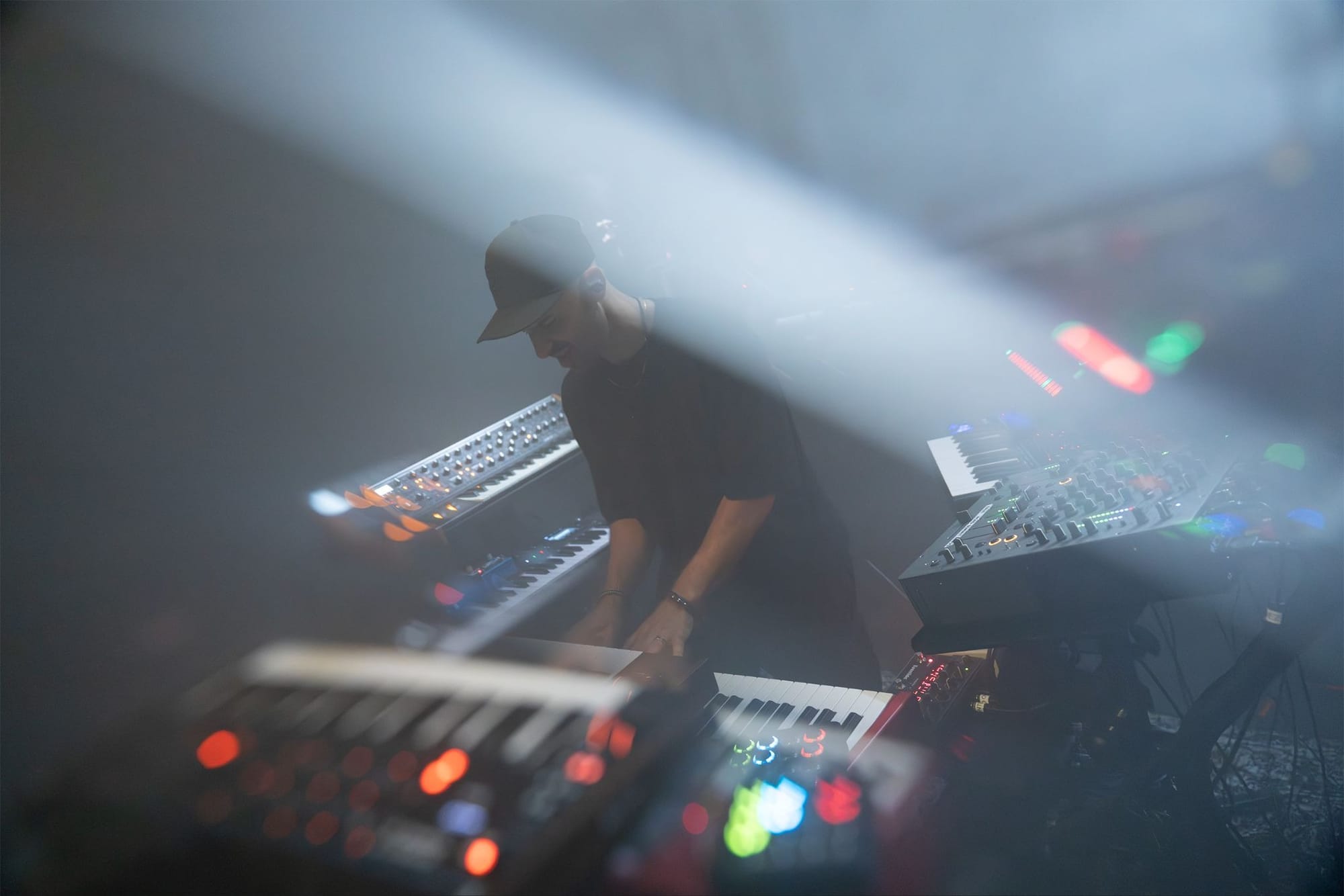
I built a live electronic performance system called THE MACHINE: a physical ecosystem of synthesizers, drum machines, and processors designed for real-time creation. No backing tracks. No playback. Every sound created live in the moment.
As a drummer turned electronic artist, I needed to feel inside the music the same way I would playing in a band. I needed risk. Fragility. Unpredictability. Mistakes.
Over time, that philosophy evolved into something broader:
“TAME THE MACHINE.”
At first it was literal… learning to control a complex live instrument. But eventually it became a metaphor for our larger relationship with technology, algorithms, social systems, and modern life itself.
Streaming platforms. Algorithms. Manufactured perception. Social media systems.
These are the new gatekeepers. The new machine.
But I also think we’re beginning to see people push back against them.
A NEW RENAISSANCE
I genuinely believe we’re entering a new renaissance… one centered less around mass consumption and more around human connection.
We already see signs of it everywhere: Patreon, direct support, crowdfunding, communities built around artists rather than platforms.
People don’t support artists because they need more content. They support artists because they feel emotionally connected to them.
Because the artist represents something they value within themselves: vulnerability, freedom, discipline, beauty, rebellion, honesty, humanity.
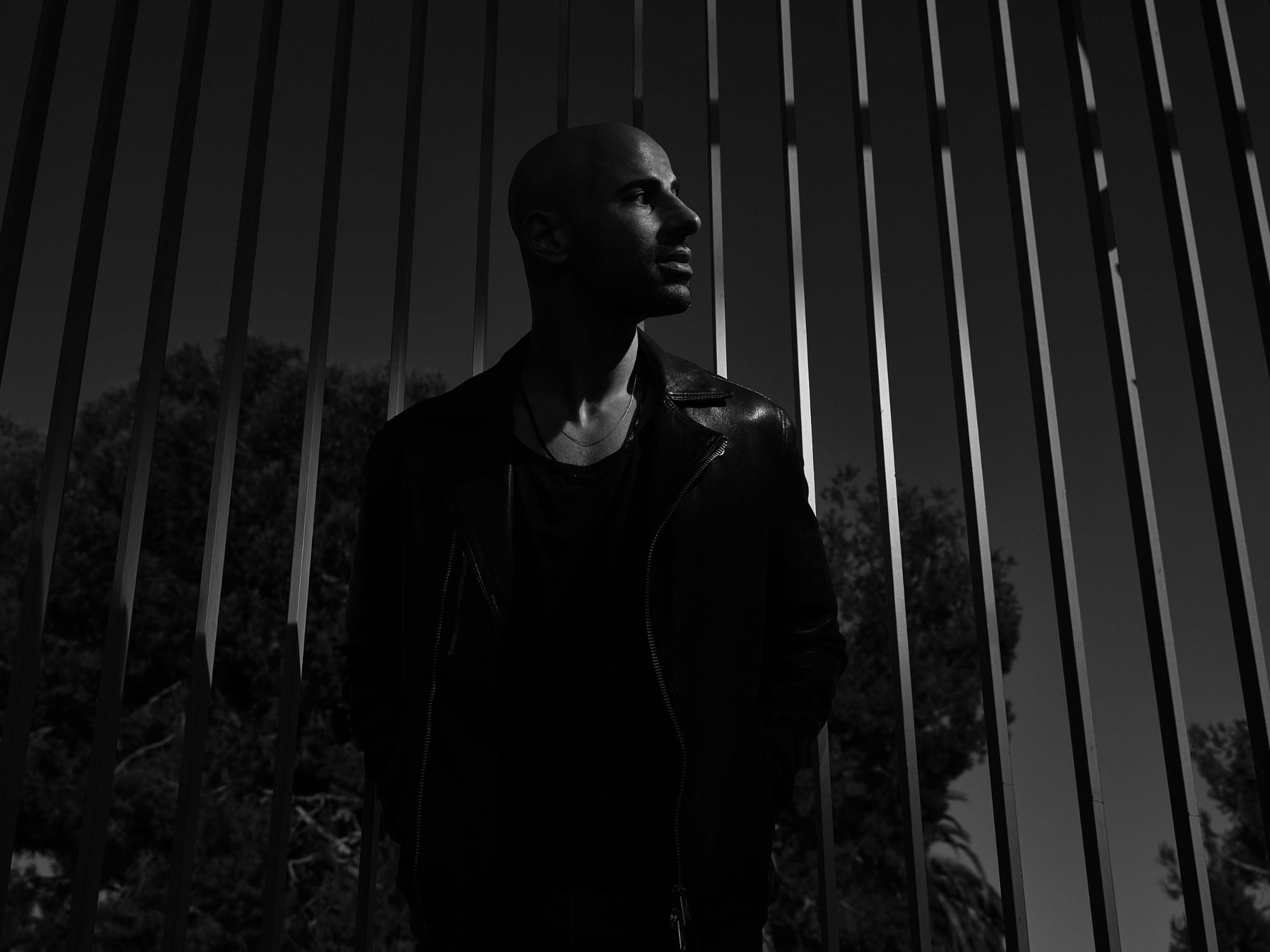
That’s why I recently launched a Patreon myself.
Not as some giant paywall or “exclusive content” machine, but as proximity.
When I share unfinished music, vulnerable ideas, demos, or works in progress, I usually share them with close friends first. There’s trust there. They’re invested in me as a human being, not just as content.
And I realized maybe there’s space for that kind of relationship between artists and audiences too.
A place where people can witness the actual process: the experiments, failures, evolution, and life behind the art.
Because I think audiences are becoming hungry for that kind of connection again.
Not just with music… but with each other.
SCARCITY SWINGS THE PENDULUM
When I first studied the music industry in college, I remember hearing the phrase “middle-class musician.” That idea gave me hope.
The dream was “direct-to-fan”. The belief that technology would allow artists to build sustainable careers through genuine community instead of gatekeepers.
Ironically, many of those platforms eventually became gatekeepers themselves.
Algorithms became the new radio stations. Social platforms became the new labels.
But now, for the first time in a long time, I think audiences themselves are beginning to reclaim power too.
Because public taste is shifting.
People are beginning to crave presence again. Craft again. Perspective again. Humanity again.
And in a world where outcomes can increasingly be generated instantly, the process itself becomes meaningful again.
Scarcity shifts.
What’s no longer scarce: content.
What is scarce?
Perspective. Presence. Devotion. Humanity. Truth.
That’s why I feel hopeful.
LET IT BURN
I don’t think we’re witnessing the death of music.
I think we’re witnessing the collapse of certain systems around music. And from that collapse, I think something more human may emerge:
Smaller communities. Stronger connections. More intentional support. More meaningful art. More real experiences.
Maybe the machine was never the enemy.
Maybe forgetting our humanity inside of it was.
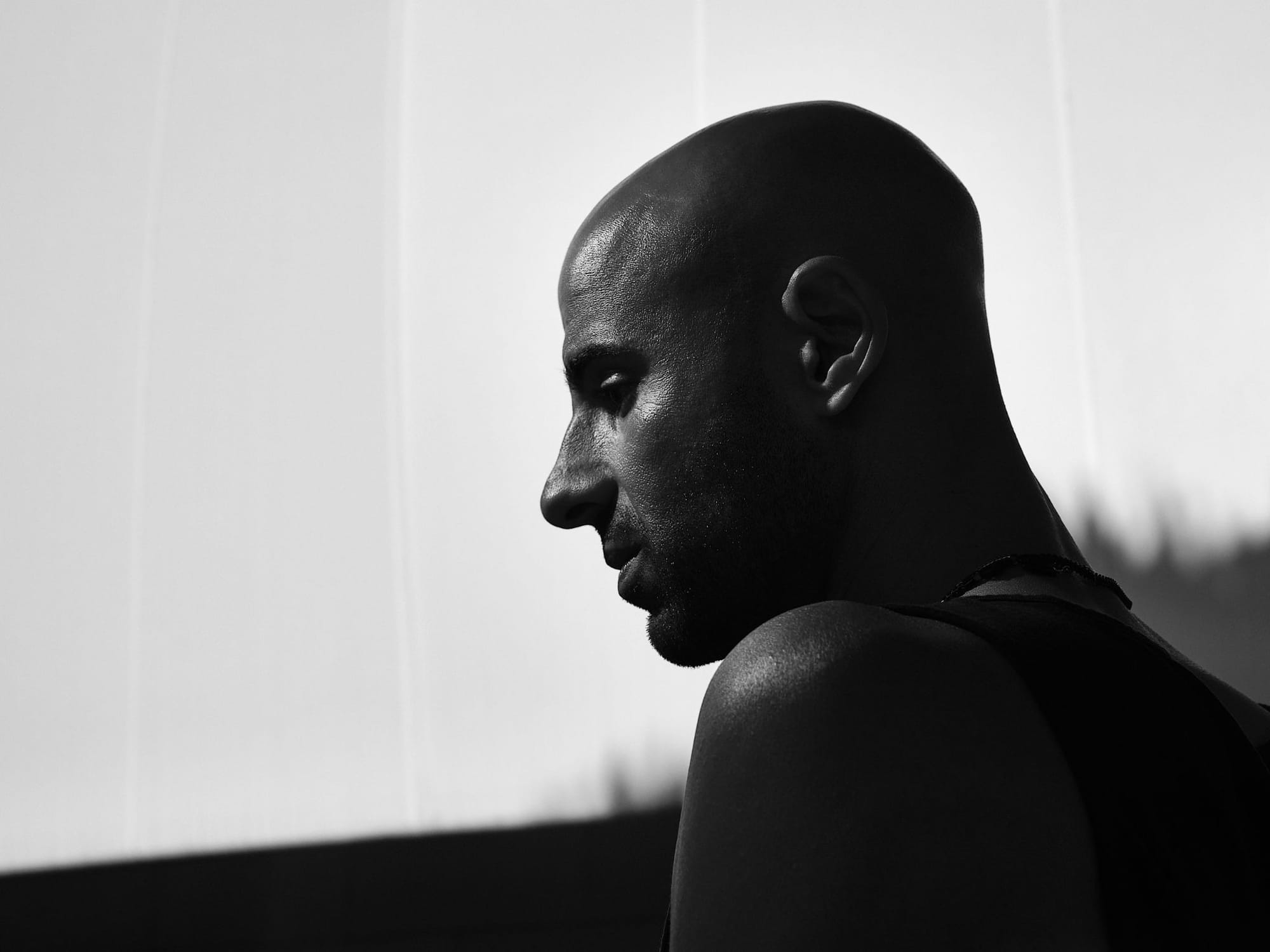
Hisham Dahud, professionally known as RIŽIK, is a Los Angeles-based live electronic artist and creator of TAME THE MACHINE – a performance philosophy centered around humanity, risk, and real-time creation. In addition to his creative pursuits, he also teaches Artist Entrepreneurship at UCLA.