

By Aristotle Dreher of Aristotle Digs Music
Music is a direct conduit to the human soul. AI may be able to imitate algorithmically appropriate and aesthetically pleasing sounds, but it cannot reproduce the lived experience behind them.
Musicians are still being born every day, which poses a problem for AI songwriting. Artificial Intelligence can already generate an algorithmically appropriate and aesthetically pleasing song faster than most bands can agree on what is for dinner. It can imitate genres, suggest lyrics, build arrangements, clean up audio, and manufacture an endless supply of competent musical material. Yet whenever I hear an AI generated song, there is a profound lack of character.
I can usually tell it is AI because I cannot hear what microphone they are using or what kind of room they are in. Most people may not consciously notice those things, but we all register them on some level. Those details tell us where the music came from. They create space, texture, personality, and a sense that an actual event took place.
It is going to be very strange if we eventually reach a point where musicians begin imitating AI generated music. My concern is that the music industry will look at the speed and convenience of synthetic output and confuse the ability to produce music with the experience of becoming a musician.
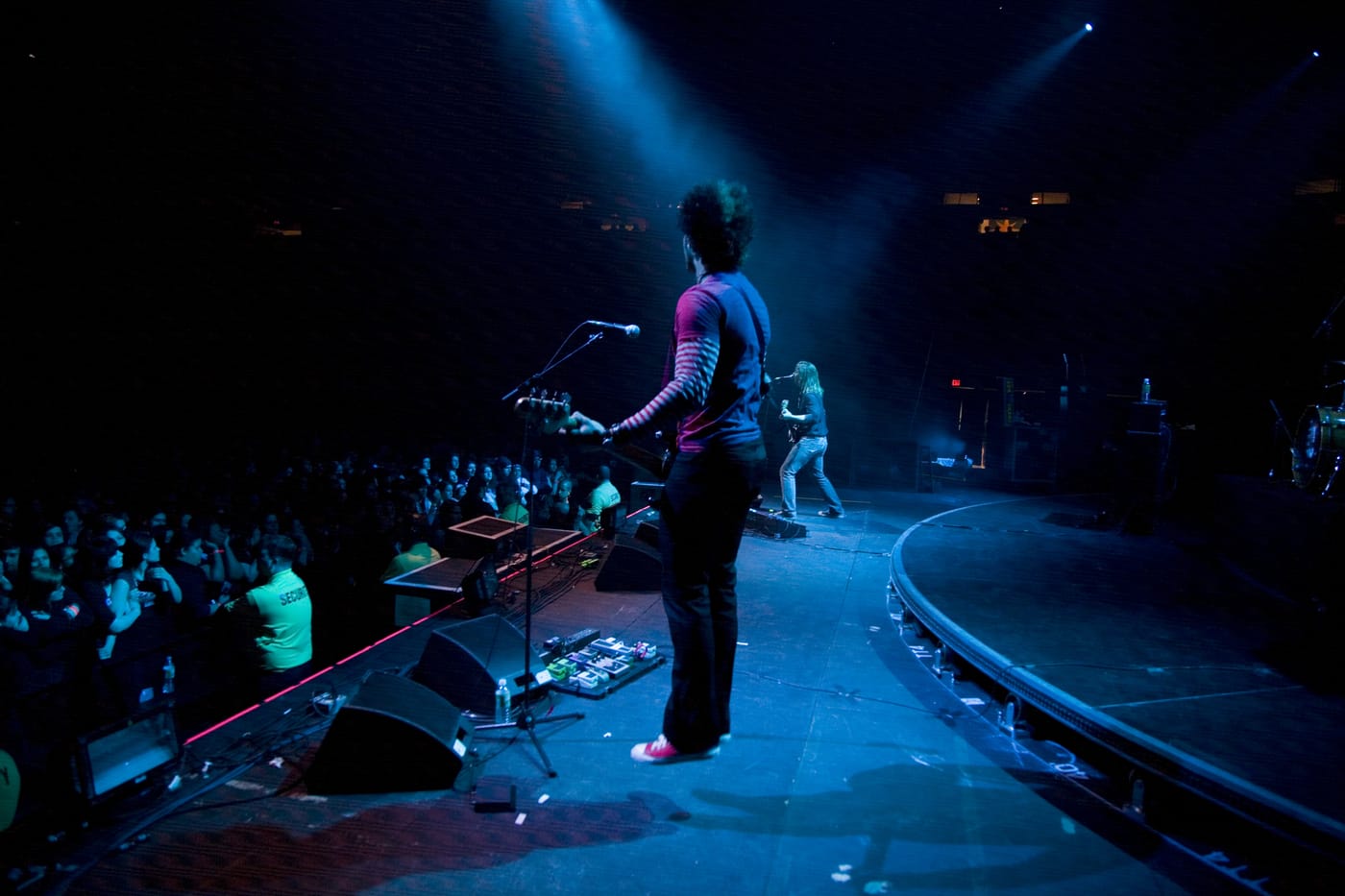
I have spent most of my life creating, playing bass, recording, touring, rehearsing, and carrying speaker cabinets up staircases like Sisyphus, night after night. The finished recording is only one artifact of that life, but it is also an important marking of time. It is a journal of an actual lived experience.
+Read more: "Social Media in the Age of AI: The Internet’s Next Luxury Is Proof You’re Human"
The real thing is the process that happens before the song exists. Collaboration is key. That is where we are told no. It is where we learn to fail in front of one another, develop taste, argue over arrangements, discover what we sound like together, and gradually become capable of making something none of us could have made alone.
A band is not simply a content factory. It is a small family unit with all the frailties, foibles, and dysfunction that come with it. A band is exactly what the word implies: a group of musicians banding together.
Through collaboration, you learn to admit that occasionally the drummer’s idea is better, despite the dangerous precedent this may set. You also learn that the brilliant part you invented alone in your bedroom may become even better once it has been distilled through the other trusted musicians in your circle.
The friction is where true art develops.
When people discuss AI and music, the conversation usually becomes a debate over output. Can the machine write a catchy melody? Can it produce a convincing vocal? Can it create a track polished enough for a playlist, commercial, or television cue?
Those are fair questions, but music has never existed solely to prove that an acceptable arrangement of frequencies can be produced. Music is a relationship between the musicians and the listener. The first listener is always the player. There is a give and take between the musician, the instrument, the other players, and the audience.
I see this every day through Aristotle Digs Music, the music education series I facetiously describe as The Reading Rainbow of Rock. My format is straightforward. I start with a question about a song, artist, performance, or instrument. Then I explore the historical context before we listen closely to the music itself.
I point out what is happening melodically, rhythmically, harmonically, lyrically, or technically. Then I try to connect that musical choice to a larger idea about creativity, persistence, identity, or the audacity to be authentically yourself. What people respond to is the act of another human being noticing something, caring about it, and inviting them to notice it too.
They see my hands on the instrument. They hear the excitement in my voice. They tell me about the first time they heard the song, the parent who introduced it to them, the concert that changed them, or the riff that made them want to start a band.
I have had people tell me that one of my videos made them hear a song differently after decades of listening to it. Others have shared memories of hearing an artist with a parent who is no longer alive. Some have told me that understanding one bass line made them want to pick up an instrument themselves.
Those exchanges remind me that music is not simply audio content. It is a vessel for memory, identity, grief, joy, curiosity, and human connection. The human element is not decorative packaging around the music. It is the entire reason the music has cultural value.
A machine may be able to identify a chord progression or imitate a singer’s phrasing, but it cannot have a memory attached to the song. It cannot remember being fourteen years old, finally playing the riff correctly, and feeling that elation. It cannot feel the room change when a band locks into the same groove. It cannot look across a stage and silently agree to extend an ending because the audience has suddenly become part of the arrangement.
The mistakes matter too. When I hear AI recordings, there are no mistakes. The vocals are always immaculate, and the instruments are uncannily in tune.
Humanness is imperfection.
We can be done with a piece, but that does not mean the piece is finished. Frankly, a piece is never completely finished. What matters is intention, risk, context, and consequence. Somebody chose to reach for the note. Maybe they did not quite make it, but somehow it sounds better than it would have if they had landed it perfectly. That is where expression lives.
This is where I think the industry faces a genuine danger. If synthetic music becomes fast, cheap, and plentiful, companies may decide that developing human musicians is an expensive inconvenience. All of that experience and expression can be mined, repackaged, and doled out every day for pennies.
Why pay for rehearsals, studios, touring, mentorship, or artist development when a system can produce hundreds of usable tracks in minutes?
The problem with that logic is that musicians are still being born every day. That is not going to stop. So where will they go? Eventually there will be a revolt, because the human soul wants to breathe freely and express itself. Corporate thinking can try to suppress that instinct, but it will not prevail.
If we remove enough humans from that ecosystem, we may end up with more music and less musical culture. We may end up with no actual points of view. Or worse, we will end up with people imitating the lifelessness of AI sounds in their own music. But I will still take that over purely machine generated slop.
I am not arguing that musicians should refuse every new tool. Musicians have always used technology, and much of modern music exists because artists abused equipment in ways its manufacturers never intended.
Feedback and distortion began as problems before they became desirable sounds. Microphone placement, multitrack recording, sampling, synthesizers, editing software, and digital distribution all changed the creative process.
The useful distinction is not technology versus humanity. It is whether the technology expands human expression or gives the industry an excuse to stop investing in human beings.
+Read more: "60 Years of the SM58 🎤 A Lesson in Branding"
Used intelligently, AI can help organize ideas, remove repetitive work, make technical knowledge more accessible, and allow independent creators to do things that once required a large team. I have no philosophical objection to a useful tool.
I object when the tool becomes the author or the performer.
The most valuable thing artists can do in an algorithmic culture is make the human process visible, because that is ultimately what makes it relatable. The imperfections are what make art tactile and human. Give the audience context, personality, and some evidence that a living person is on the other side of the experience.
That does not mean authenticity should become another marketing costume. Audiences can smell inauthenticity immediately. The point is not to perform humanness. The point is to stop sanding it away in pursuit of frictionless output.
People do not need artists to be perfectly relatable or endlessly available. We want to check in with real human beings and see where they are as artists. We want to witness growth, failure, discovery, obsession, and change.
I always think it is funny when a fan says something like, “I hear this new album is going to sound like their first album.” I do not want that. I want to hear where the artist is today. I can then choose to continue following them on that journey or not, but knowing where they truly are is what I value.
AI may eventually become astonishingly good at making aesthetically balanced and pleasing sounds, but it will never be real art in the way human experience and expression are real art. It may create work that is catchy and technically impressive. But the future of music cannot be measured only by slick sounding synthetic songs.
It must also be measured by whether people are still learning instruments, forming bands, playing rooms, teaching one another, and discovering who they are through the act of making sound together. That distinction is not sentimental nostalgia. It is the difference between music as an endless commodity and music as a living culture.
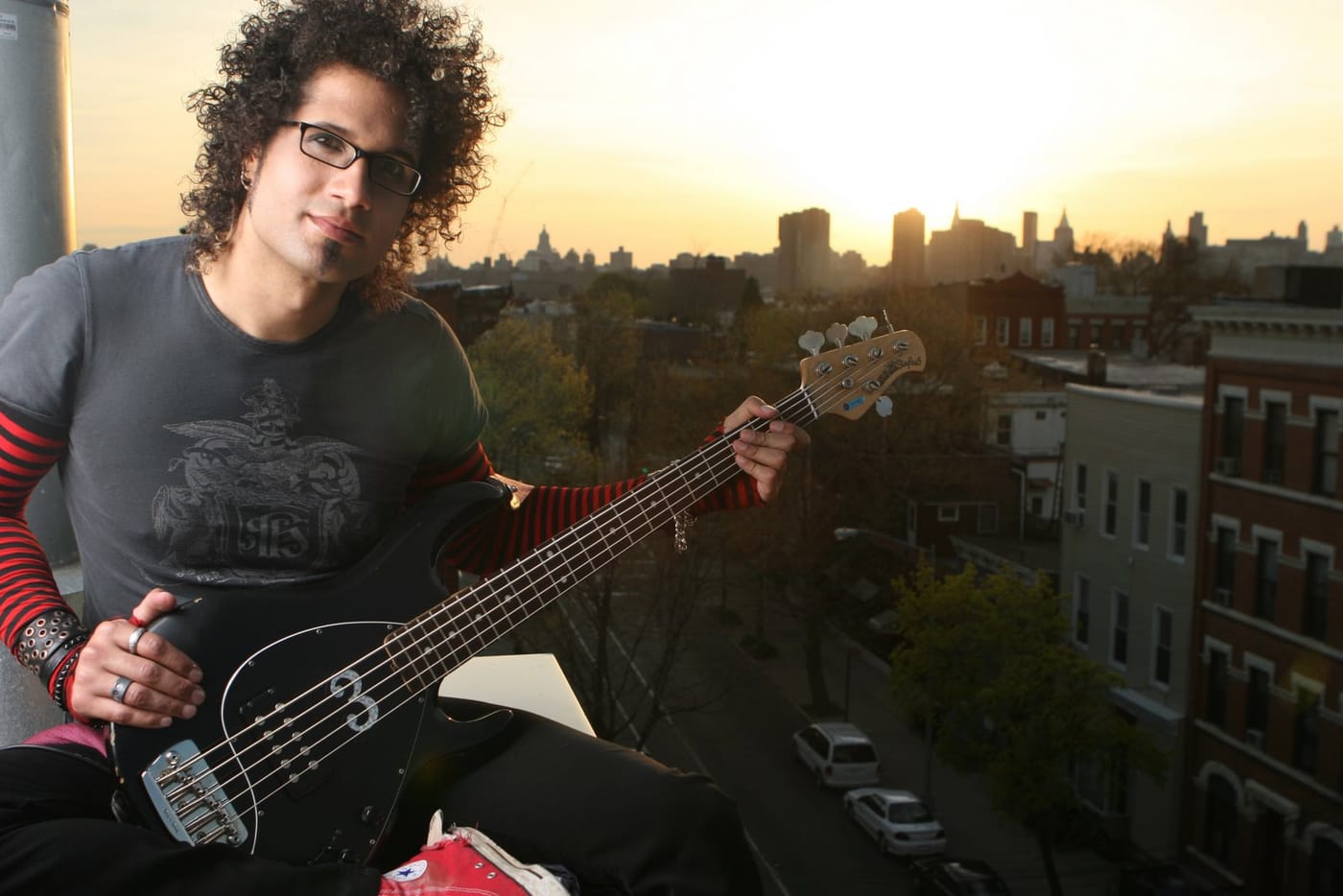
Aristotle Dreher is a professional bassist, actor, public speaker, and creator of Aristotle Digs Music, which he describes as The Reading Rainbow of Rock. His work combines musical demonstration, close listening, history, humor, and the human lessons contained within great songs and performances. He has toured and recorded with Vaeda and Cage9 and creates music education content.